REVIEW · PARIS
Escape game inside the Sacré-Coeur
Book on Viator →Operated by Playgreen · Bookable on Viator
Sacré-Coeur turns into a puzzle.
This escape game at one of Paris’s biggest Christian pilgrimage stops is a fun way to see the basilica with fresh eyes. I love the mix of logic and culture (you solve questions about history, religion, and symbols), and I also like that the game master can answer questions as you go. One thing to consider: you’re playing inside a place where people worship, so you’ll want to keep your voice low and move respectfully.
You get about two hours to crack the code and leave with extra context about a monument many people rush past. The game is designed as a “mystery in the heart of the basilica” type experience, and the optional photo help can turn your group into the kind of souvenir you’ll actually like. If you prefer a slow, sit-and-stare sightseeing pace, this format may feel more like a challenge than a tour.
In This Review
- Key highlights
- Why an Escape Game Inside Sacré-Coeur Makes Sense
- Meeting at Funiculaire Gare Haute: A Smooth Start on the Hill
- How the Riddles Work: History, Symbols, and Logic in 2 Hours
- Respecting Worship Inside an Active Pilgrimage Site
- Your Game Master Makes the Difference: Ewen, Sacha, Max, and Maya
- Price and Value: What $42.66 Gets You (and Why It Can Be Worth It)
- Timing, Weather, and Who This Suits Best
- Should You Book the Sacré-Coeur Escape Game?
- FAQ
- How long is the Sacré-Coeur escape game?
- Where do I meet for the experience?
- Do I need a printed ticket?
- What kind of challenge will I do?
- Is the experience respectful toward religious worship?
- What is the cancellation policy?
Key highlights
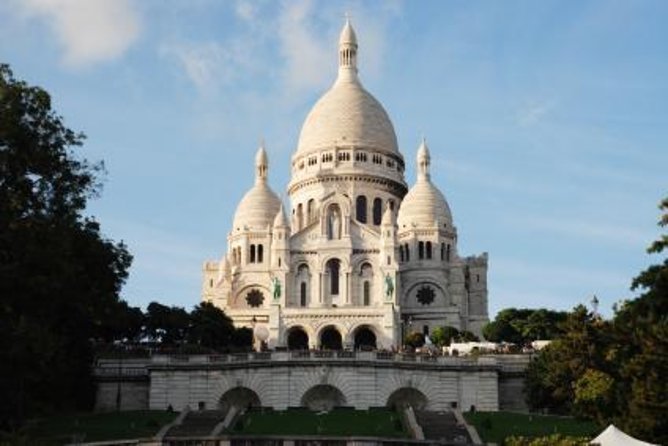
- A real escape game inside an active basilica (not a staged museum room)
- Riddles that connect Sacré-Coeur symbols, architecture, and faith
- Game masters who help you stay on track while still keeping the puzzle fun
- Free group photos if you ask the photographer game master
- A clear, time-boxed experience built for about two hours of play
- Family-friendly learning energy that doesn’t feel like a lecture
Why an Escape Game Inside Sacré-Coeur Makes Sense
Sacré-Coeur isn’t just a pretty dome on Montmartre. It’s a major pilgrimage site, and it’s inhabited by Benedictines—so the atmosphere carries real meaning. That’s what makes this experience different from the usual “escape room, but with landmarks.” Here, you’re cracking a code while you’re inside the basilica’s living space, and the riddles steer you toward details you might never notice during a standard visit.
I like that the game’s goal isn’t random trivia. You solve questions about the basilica’s history, its architecture, and its symbols—with help from a game master if you get stuck. It’s the kind of activity that turns sightseeing into problem-solving. Instead of asking yourself what to look at, the questions tell you where to look and what to compare.
You also get a built-in reason to pay attention. You’re racing the clock to crack the code, and if you do it in time, you may be rewarded with a surprise gift. That small incentive matters, because it keeps the energy up even if you’re visiting on a rainy or cold day.
The biggest “fit” question is this: do you enjoy puzzles? If you do, Sacré-Coeur becomes more memorable. If you don’t, you might still enjoy the learning, but you’ll want the game master’s hints to feel less stressful.
You can also read our reviews of more tours and experiences in Paris.



Meeting at Funiculaire Gare Haute: A Smooth Start on the Hill
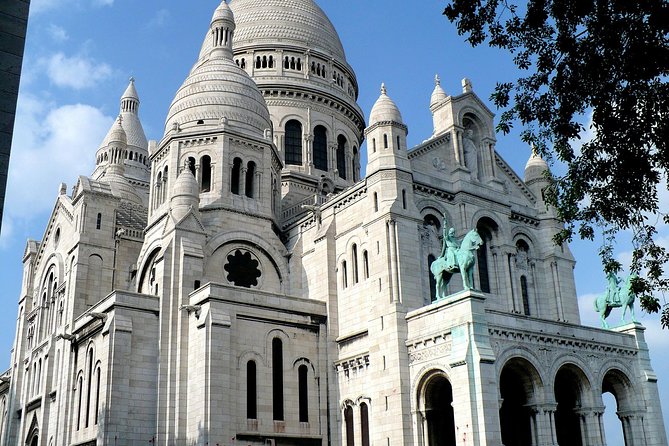
Your start point is Funiculaire Gare Haute, 7 Rue Foyatier, 75018 Paris. That location is practical because it ties you to one of Montmartre’s easiest access points. You also end back at the meeting point, so you’re not stuck figuring out how to exit the area after your game wraps.
You’ll get a mobile ticket, and confirmation arrives at booking time. That’s handy in Paris, where last-minute paper tickets can be a hassle. The experience also notes that it’s near public transportation, which matters because Montmartre can chew up time if your plan involves long, unnecessary walks.
The structure is simple: arrive, get oriented, and then start playing inside the basilica. Because the duration is about two hours, you don’t have to build a whole day around it. It’s a good option if you want a focused activity during your Sacré-Coeur time slot, especially if you’re mixing it with other Montmartre stops.
One practical note from how the activity tends to run: if weather is miserable, your plan still works because the game itself gives you a reason to keep moving and looking. One guide-led experience mentioned how even freezing, rainy conditions didn’t ruin the fun—because the activity happens inside and the game keeps momentum.
How the Riddles Work: History, Symbols, and Logic in 2 Hours
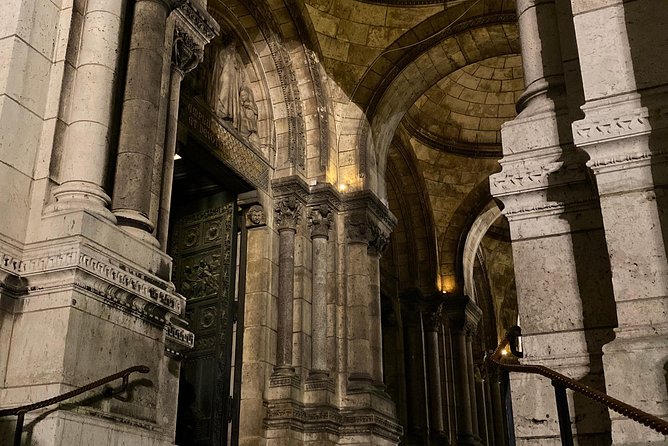
This isn’t a free-roam scavenger hunt. The experience is designed like an escape game: you crack a code by correctly answering questions about Sacré-Coeur. You’ll work through riddles that cover the basilica’s best-known themes—its history, religion-related meaning, its architecture, and the symbols that help explain why it was built the way it was.
In real terms, that means you’ll do more than admire the building from one angle. You’ll likely find yourself looking at corners and details you would normally skip. Several guide-led experiences described the format as very similar in spirit to a story-style code puzzle, with around 20 riddles/codes in the game. That’s a sweet spot: enough challenges to keep you busy, but not so many that you feel lost for the entire two hours.
You also get guidance. The game master can help you and answer cultural questions during the puzzle. That’s a smart design choice for two reasons:
- It prevents frustration from killing the fun.
- It turns your mistakes into learning.
And if you like the idea of testing your logic under mild pressure, the time limit helps. Your goal is to solve the code in time, then you may receive a surprise gift. Even if you don’t care about the prize, the race-to-the-finish structure is what keeps people from drifting through the basilica like it’s just background.
The only drawback I’d flag is personal: if you prefer to read slowly and take lots of breaks, a coded, time-boxed experience can feel rushed. You can still enjoy it, but you may want to follow up after the game with your own slower walk, so you get the balance you want.
Respecting Worship Inside an Active Pilgrimage Site

This is the part I appreciate most, and it’s also the part that can change how you experience the basilica. The activity explicitly asks you to participate with total respect for Christians worshiping in Sacré-Coeur. That means your best move is to treat this like you’re sharing the space, not taking it over.
Because the basilica is active—pilgrims are there, and Benedictines live there—you’ll want to keep things quiet. That doesn’t mean you can’t laugh with your group. It means you should keep the volume and movement gentle, and let prayer and visitors set the tone.
The game’s theme actually fits this environment. It’s not just about winning; it’s about learning the place in context. The riddles are tied to the basilica’s religious meaning and symbolic language. So the more you approach it with respect, the more the puzzles will make sense.
If you’re traveling with kids, this kind of respect-based learning can work surprisingly well. One family-focused experience described the activity as a fun way to help children develop interest in local history without it turning into a dry lecture. If your kids can handle a puzzle for about two hours, this can be a strong choice.
But if your group tends to be loud or chaotic, give yourselves a reality check before you book. You’ll have a better time if everyone agrees on calm behavior from the start.
Your Game Master Makes the Difference: Ewen, Sacha, Max, and Maya
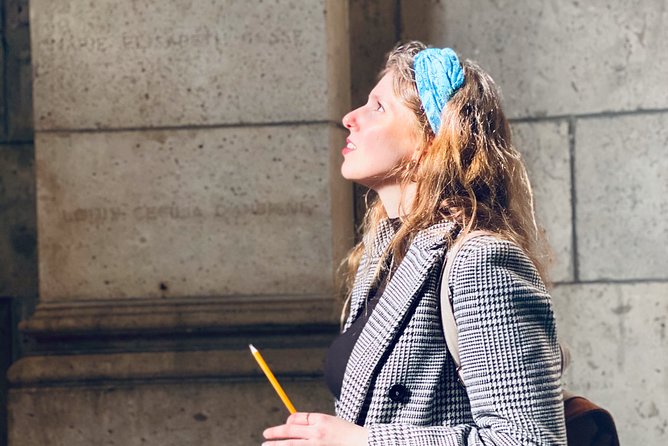
In Paris, the best tours do two things: they teach, and they respond. This escape game leans hard into the game master role, and the reviews you’ll find for the experience consistently highlight how much the guides mattered.
You’ll see names like Ewen, who was praised for kindness and for speaking perfect English and French. Another guide, Sacha, was praised for friendliness, strong knowledge, and the right level of help. Max also got specific praise for excellent performance and for adding extra details during the experience. Maya was noted as very friendly, and the game format helped make discovery feel original.
Why this matters for you: if you get stuck, you don’t want a silent puzzle wall. Here, the game master is positioned to help you without fully removing the challenge. That balance keeps the game from turning into either stress or guesswork.
One extra perk that stands out: the game master is also a photographer, and they’re happy to take beautiful photos of your group at no extra charge if you want them. That means you can finish the puzzle and still walk away with a set of images that look like you planned your day—not like you rushed for a selfie.
If you care about photos, bring a little intention. Decide who will stand where, and ask for a group shot right after your code moment (when everyone’s still smiling and focused).



Price and Value: What $42.66 Gets You (and Why It Can Be Worth It)
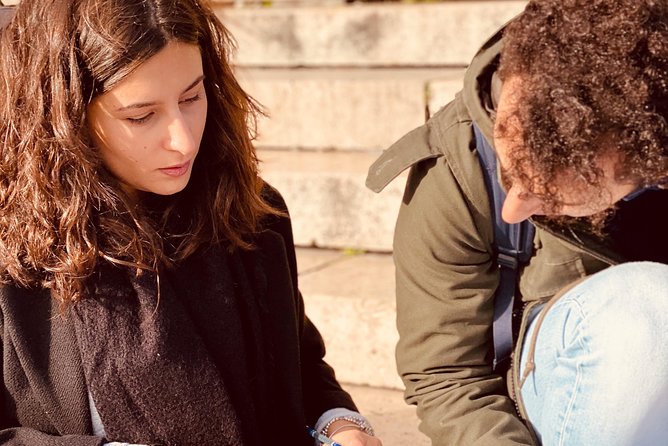
At $42.66 per person, this isn’t a cheap activity. But the value comes from what’s included: a guided escape game format, entry to the puzzle experience inside Sacré-Coeur, time with a game master who can answer questions, and (optionally) free group photos.
You’re also paying for a type of attention most visitors don’t get. Instead of walking through Sacré-Coeur as a list of sights, you’re doing problem-based learning tied to the building’s symbolism and design. That makes the two hours feel purposeful, even if you’ve already seen photos of the basilica online.
Price-value logic usually depends on your travel style:
- If you love puzzles and want a guided challenge, the cost makes sense because you’re buying an experience, not just a ticket.
- If you prefer reading on your own and hate time limits, you might feel the price is high for something that can’t be slowed down.
The upside is that the format is predictable: you’re looking at roughly two hours, with a clear goal (crack the code) and a possible surprise gift. That structure reduces the “uncertainty tax” that some paid activities carry.
Also, the group size limit is stated as a maximum of 100 travelers. That doesn’t tell you your exact group size, but it suggests the activity is designed to run within a manageable scale.
Timing, Weather, and Who This Suits Best
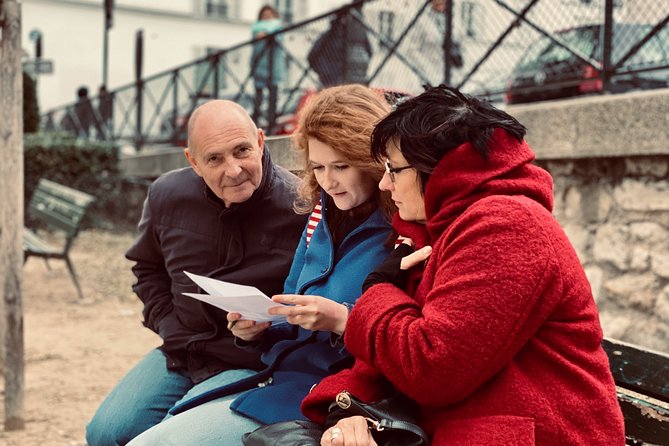
The duration is about two hours, and that’s a big deal. It’s long enough to feel like a real challenge and a real learning session, but short enough that you can still fit in other Montmartre highlights the same day.
Weather can be a factor around Sacré-Coeur because the hill can feel exposed. One experience mentioned freezing rain outside and still having a great time anyway. That’s reassuring if you’re visiting in shoulder season or planning late-day sightseeing. Even if the outside wait feels cold, the core activity happens inside, and the game keeps your attention on the building.
As for who this works best for, here are your best matches based on what the experience emphasizes and what people mention:
- Families who want children to enjoy history without it feeling like school
- Couples celebrating something special who want a shared challenge (one anniversary was mentioned)
- Friend groups who enjoy teamwork and solving riddles
- Visitors who like church architecture but want it explained in a hands-on way
If your group hates puzzles, consider pairing this with slower sightseeing right after. The game can get you started, and then you can shift into your own pace.
One more gentle warning: because the basilica is a worship space, you’ll want to keep your group’s energy tuned to the room. The payoff is that your learning will feel grounded in the site’s real purpose.
Should You Book the Sacré-Coeur Escape Game?
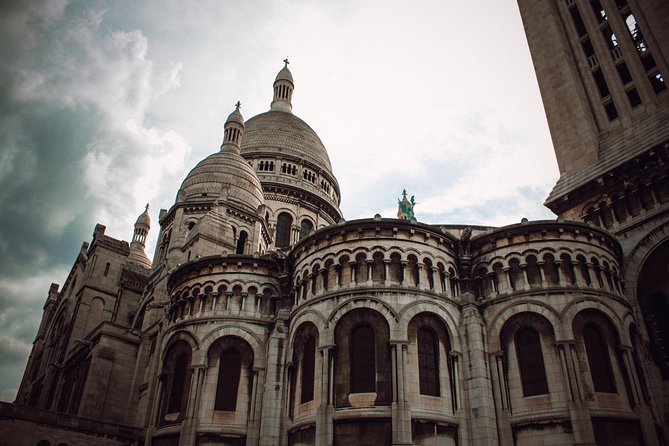
I think you should book this if you want Sacré-Coeur to feel personal and active, not just photographed. The big win is the combination of riddles + context inside an operating pilgrimage site. If your travel style includes problem-solving, curiosity, and respecting sacred spaces, this is an easy yes.
You might skip it if you mainly want a slow, contemplative visit, or if time pressure makes you cranky. Also, if your group doesn’t like participating with a guide, you may prefer a self-guided approach with time to linger.
If you decide to go, do yourself one favor: arrive ready to cooperate with your game master, ask for help before you spiral, and keep voices low inside. You’ll get more from the code—and you’ll feel good about how you handled the space.
FAQ
How long is the Sacré-Coeur escape game?
The experience lasts about 2 hours (approx.).
Where do I meet for the experience?
The start location is Funiculaire Gare Haute, 7 Rue Foyatier, 75018 Paris, France. The activity ends back at the meeting point.
Do I need a printed ticket?
No. The experience uses a mobile ticket.
What kind of challenge will I do?
You crack a code by solving riddles and answering questions about Sacré-Coeur, including its history, architecture, religion, and symbols.
Is the experience respectful toward religious worship?
Yes. The activity asks participants to show total respect for Christians worshiping in Sacré-Coeur.
What is the cancellation policy?
You can cancel for a full refund up to 24 hours in advance of the experience’s start time. If you cancel less than 24 hours before, the amount you paid will not be refunded.