REVIEW · PARIS
Fat Cat gets the Early Bird: Montmartre
Book on Viator →Operated by Fat Cat Tours · Bookable on Viator
Montmartre at dawn feels like a secret. This small-group walk is built for getting your bearings fast, with a guide leading the way through steep, twisty streets while explaining what you’re actually looking at. I love that you start early, so you spend more time with the neighborhood and less time in lines, and I love the free time inside Sacré Coeur so you can linger when the view is at its best.
One thing to plan for: you’re going uphill and you’ll be walking for close to 2 hours, and you also need the right outfit for churches. If you show up in shorts or sleeveless tops, you can risk being refused entry—so yes, that matters.
In This Review
- Key points to know before you go
- Why 8:00 am in Montmartre feels like a cheat code
- Small-group + real guides: what makes this walk work
- Stop-by-stop: Sacré Coeur, artists squares, Picasso, and Moulin Rouge
- 1) One of Paris’s most beautiful churches: Sacré Coeur first
- 2) A quaint square full of art
- 3) A square dedicated to a beautiful woman
- 4) The meeting point of 19th-century artists
- 5) Picasso’s first home in Paris
- 6) A wall dedicated to love
- 7) The most famous cabaret in the world: Moulin Rouge area
- Dress code at places of worship: the rule you can’t ignore
- Price and value: what $170.81 buys you for 2 hours
- Timing, weather, and how to prep for the hill
- Where you start, where you finish, and why it matters
- Should you book this Early Bird Montmartre walk?
- FAQ
- What time does the Montmartre tour start?
- How long is the tour?
- How many people are in the group?
- Is the ticket mobile?
- Is Sacré Coeur included?
- What’s the dress code for entering places of worship?
- Does the tour include food or drinks?
- What should I do about weather?
- What’s included besides the guide?
- Where does the tour start and end?
Key points to know before you go
- An 8:00 am start that helps you see Montmartre before it turns into a photo stampede
- Max 15 travelers, so the tour stays personal instead of becoming a cattle line
- Sacré Coeur time built in, not just a quick exterior stop
- Stop connections you can remember: artists’ meeting spots, Picasso’s first Paris home, and the love wall
- A guide who keeps you engaged, with stories that make the streets feel logical, not random
Why 8:00 am in Montmartre feels like a cheat code
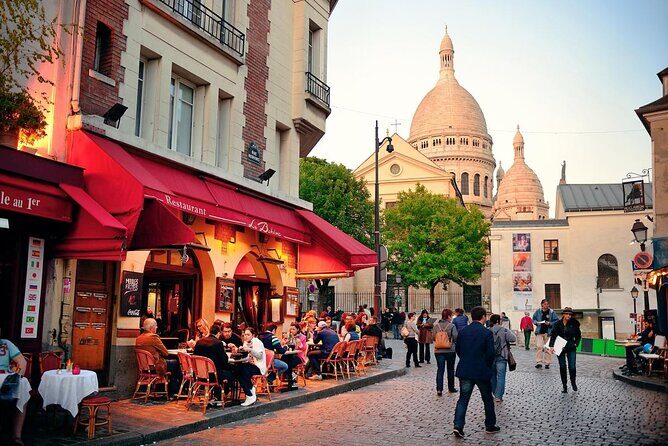
If you’ve been to Paris at peak hours, you know the deal: you move, but you don’t really experience. This tour solves that with an early start time of 8:00 am, when the streets are calmer and the hill climb doesn’t feel like you’re battling a crowd. In practical terms, that means you can actually look up, read details on facades, and pause for photos without constantly apologizing to someone behind you.
Montmartre is famous for artists, painters, cabarets, and big viewpoints—but the real charm is in the small stuff: a corner that hints at a story, a square with a role in local life, a street that feels older than it looks. Going early makes those details easier to catch, and your guide can point them out before your brain locks onto only the obvious landmarks.
You can also read our reviews of more tours and experiences in Paris.


Small-group + real guides: what makes this walk work
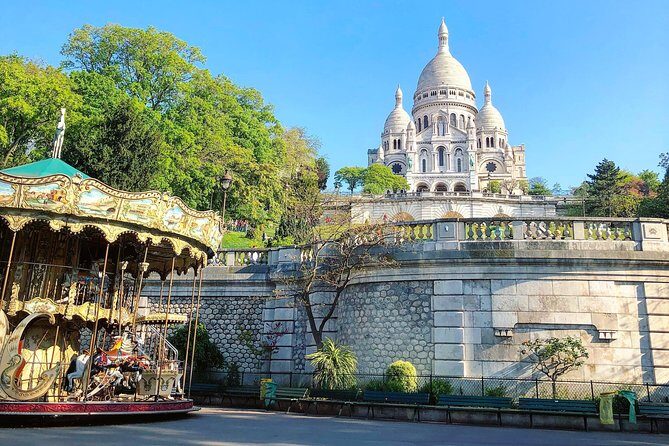
This is a maximum of 15 travelers, and you feel that difference right away. A smaller group means your guide can slow down for questions, correct your footing when needed, and keep the pacing humane on a hilly route. It also helps the commentary land: you hear the why behind the where, instead of just collecting a list of sights.
Fat Cat Tours has guides whose style pops up in the feedback—especially Adam and Hugo. The common thread is energy plus clarity. Adam’s fans highlight the way he asks questions along the route, turning the walk into something like a conversation rather than a lecture. Hugo, in particular, gets praise for walking you through the neighborhood step by step and finishing at Sacré Coeur with the right context so the basilica doesn’t feel like a standalone postcard.
Stop-by-stop: Sacré Coeur, artists squares, Picasso, and Moulin Rouge
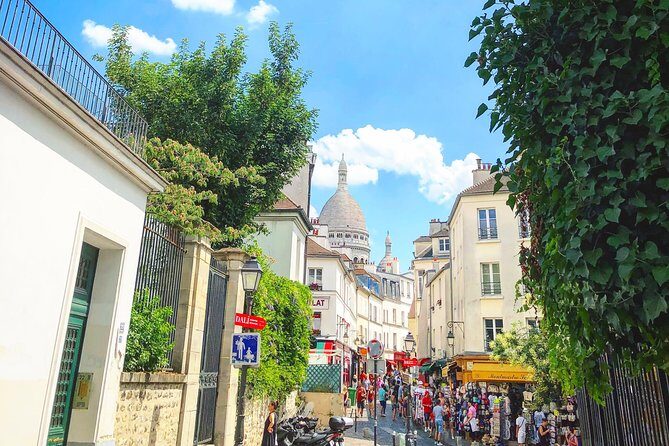
You’ll do a focused loop that strings together Montmartre’s most “you-can’t-make-this-up” corners. The duration is about 2 hours, so it’s not trying to cover everything in Paris—it’s trying to make Montmartre click.
1) One of Paris’s most beautiful churches: Sacré Coeur first
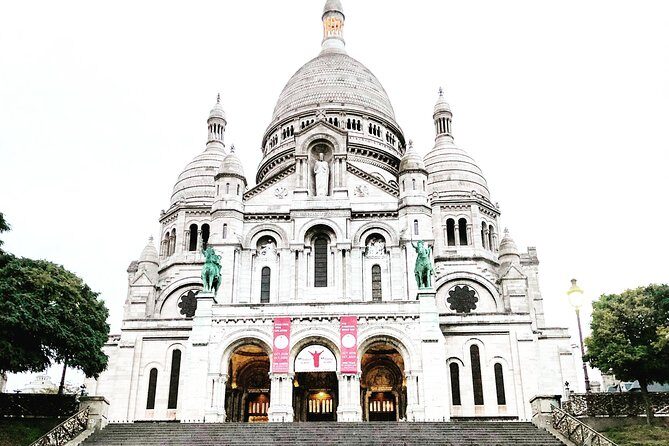
The tour kicks off at one of the area’s top sights: a standout church in Paris, which in this case is Sacré Coeur Basilica. Expect the exterior wow-factor, plus time to go in. The included free time inside Sacré Coeur is a big deal, because you’re not rushed through like a photo op. You can take a moment to soak in the space, check out details, and then come back out to enjoy the viewpoint when the area is still calmer.
Big practical note: Sacré Coeur is a place of worship. You’ll want to arrive dressed correctly so you don’t lose that indoor time (more on dress code below).
2) A quaint square full of art
Next comes a quaint art-filled square, the kind of place where Montmartre’s identity shows up immediately. These are the pockets where easels, sketches, and street-level creativity feel connected to the hill you’re climbing. Your guide’s job here is to connect the visual cues to the neighborhood’s past—so you’re not just seeing “pretty square,” but understanding why art took root in this area.
The early start helps again: squares like this can turn busy later, and mornings let you notice the atmosphere rather than just the crowd.



3) A square dedicated to a beautiful woman
Then you’ll pass a square dedicated to a beautiful woman. This kind of stop sounds simple until your guide explains how these memorials and named spaces shape local memory. In Montmartre, names and statues aren’t random decorations—they’re landmarks in the social story of the neighborhood.
If you like walking tours where the guide gives you meaning (not just trivia), this is where that approach usually shows.
4) The meeting point of 19th-century artists
After that, you’ll hit a spot described as a meeting point of artists in the 19th century. This is the Montmartre thread the whole neighborhood hangs on. You’ll see how the area’s reputation for artists becomes physical: plazas used as gathering points, sight lines that feel made for strolling and watching, and corners that connect to the creative scene that made Montmartre famous.
Think of this stop as the “why this place matters” bridge.
5) Picasso’s first home in Paris
One of the more memorable points is Picasso’s first home in Paris. If you’ve heard Picasso’s name but don’t know how he fit into Paris geographically and socially, a stop like this gives the bigger picture quickly. You’re not just learning a fact—you’re tying the artist to a map, which makes it stick.
This is also a good moment to pause: a street like this can look like any other unless you’ve been told what to look for.
6) A wall dedicated to love
Then comes a wall dedicated to love. This is the kind of sight that people often rush, but you’ll be in a better place to enjoy it because you’ll have time inside the route rhythm. A wall like this tends to work best when you notice how it changes with the light and how people interact with it—again, that’s easier before the heavier crowds arrive.
7) The most famous cabaret in the world: Moulin Rouge area
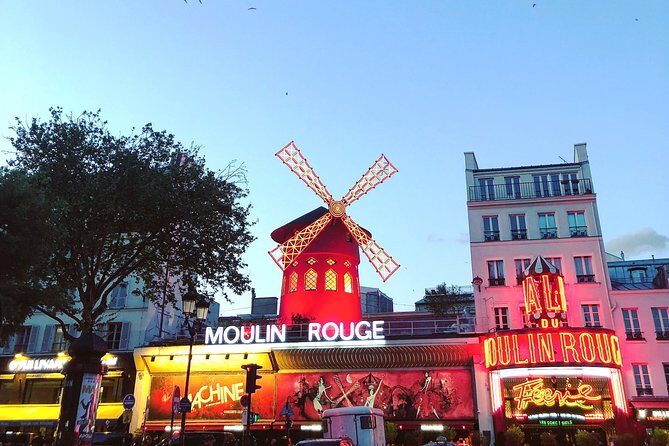
The route ends near the most famous cabaret in the world, the Moulin Rouge area. You’ll be finishing your walk with the big Montmartre signature that people picture from afar. By the time you get there, you’ll have already collected the neighborhood’s smaller clues—artists, squares, and the street-level culture—so Moulin Rouge doesn’t just read as spectacle. It becomes part of a longer story of performers, painters, and people chasing fame and inspiration on the hill.
Your tour ends at 82 Bd de Clichy, 75018 Paris, which is a convenient jump-off point for onward sightseeing.
Dress code at places of worship: the rule you can’t ignore
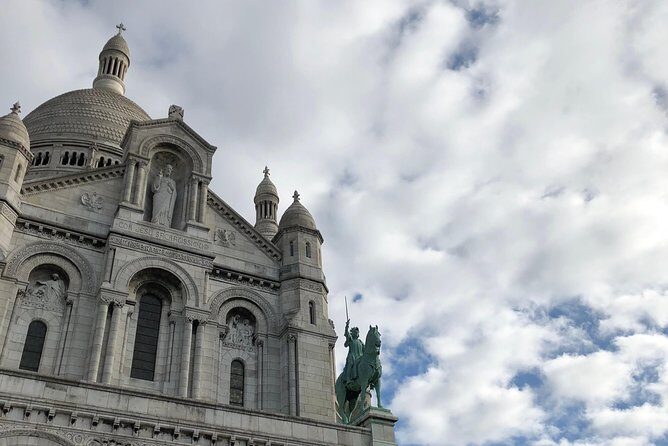
This tour has a dress code required for entry to places of worship. That means no shorts or sleeveless tops. For both men and women, knees and shoulders must be covered. If you don’t meet the requirement, you may be refused entry.
What I’d do on a practical level: treat this as a packing rule, not a hope. Paris mornings can be chilly in seasons outside summer, so it’s smart to bring something that covers up comfortably without overheating once you’re walking. If you plan your outfit around this once, you get to enjoy the included Sacré Coeur interior time instead of standing outside wishing you’d worn long sleeves or covered legs.
Price and value: what $170.81 buys you for 2 hours
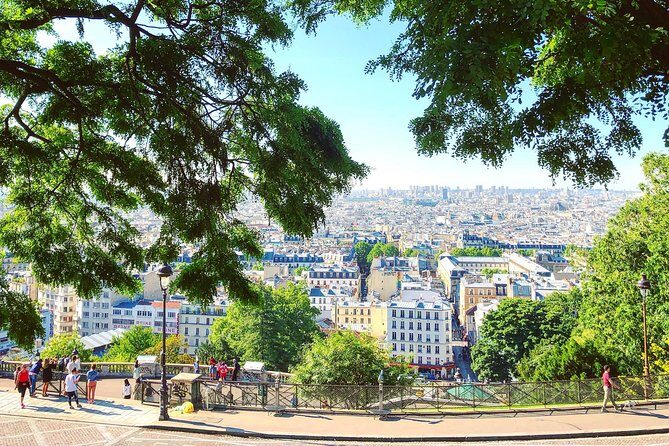
At $170.81 per person for roughly 2 hours, this isn’t a “cheap and cheerful” walk. But it’s also not overpriced if you look at what’s included and what you’re avoiding.
Here’s what you get for your money:
- A professional guide who leads you through the neighborhood and provides context
- Small-group time (max 15), which usually means better pacing and less stress
- Free time inside Sacré Coeur, which is one of the most sought-after stops in Montmartre
- A route designed for early access, which is often where tours deliver their real value (you experience more, with less friction)
If your goal for Montmartre is photos plus “I want to understand what I’m seeing,” this format makes sense. If your goal is only the top exterior views and you love wandering solo, you might be able to do it less expensively on your own. But you’d lose the structure and the guided connections that turn random corners into a story.
Timing, weather, and how to prep for the hill
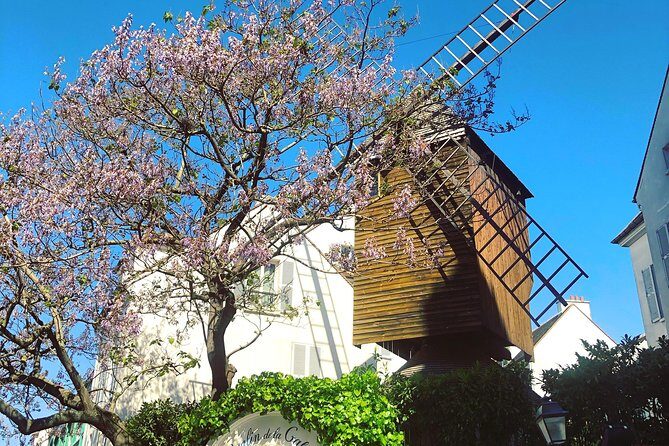
This tour operates in all weather conditions, so dress appropriately. Paris mornings can shift fast, especially when you’re walking on slopes. A light rain jacket or umbrella can help, but the bigger issue is comfort: you want shoes that handle uneven sidewalk and a steady incline.
You also need a moderate physical fitness level. That’s common for Montmartre. Plan on a steady climb, frequent turning corners, and some uphill walking. If your mobility is limited, it’s worth reconsidering (or asking whether the route can be adjusted), because the tour is designed for walking, not for stop-and-go rides.
One more small but important detail: you’re not starting or ending at a hotel pickup. You’ll be using public transportation nearby, and that usually keeps the tour schedule cleaner and avoids waiting around.
Where you start, where you finish, and why it matters
The tour starts at 72 Blvd Marguerite de Rochechouart, 75018 Paris and ends at 82 Bd de Clichy, 75018 Paris. The start time is 8:00 am.
Why I like this setup: Montmartre is its own mini-world. Starting in the right area means you can get oriented immediately and not waste your morning cutting across neighborhoods to reach the good bits. Ending near Bd de Clichy is also handy, because once you finish, you can continue exploring without backtracking up and down the same streets.
If you’re trying to fit this into your day, treat it like a morning anchor. Do this early, then plan a slower afternoon for museums, cafés, or just more wandering.
Should you book this Early Bird Montmartre walk?
Book it if you want:
- Montmartre at a calmer hour, when the neighborhood feels lived-in
- A guided route that connects the famous stops—Sacré Coeur, Picasso, and Moulin Rouge—to the lesser-known squares and art corners
- A small group experience where you can ask questions and get attention
Skip it if:
- You hate walking hills and steep streets
- You don’t want to follow a church dress code (shoulders and knees covered)
- You’re happy doing Montmartre by yourself and only care about a quick exterior view
My take: this is one of those tours that earns its place early in your Paris trip. It helps you understand Montmartre instead of just sampling it.
FAQ
What time does the Montmartre tour start?
It starts at 8:00 am.
How long is the tour?
The duration is approximately 2 hours.
How many people are in the group?
The tour has a maximum of 15 travelers.
Is the ticket mobile?
Yes, it’s a mobile ticket.
Is Sacré Coeur included?
Yes. You’ll have free time inside Sacré Coeur.
What’s the dress code for entering places of worship?
You must cover your shoulders and knees. That means no shorts or sleeveless tops. Entry may be refused if you don’t follow these rules.
Does the tour include food or drinks?
No. Food and drinks are not included.
What should I do about weather?
The tour operates in all weather conditions, so dress appropriately for rain or cold.
What’s included besides the guide?
A professional guide is included, along with the free time inside Sacré Coeur.
Where does the tour start and end?
It starts at 72 Blvd Marguerite de Rochechouart, 75018 Paris and ends at 82 Bd de Clichy, 75018 Paris.