REVIEW · PARIS
French Wine and Champagne Tasting in Paris
Book on Viator →Operated by O Chateau · Bookable on Viator
A well-paced evening lesson in French wine. This small-group tasting at Ô Chateau turns a standard wine stop into a real skill-building session, with six pours from across France and a clear look at how Champagne earned its reputation. You also get a bottle-label mini course, so you can read what you’re actually ordering later.
I especially like the focus: six wines in about two hours means you taste widely without turning the night into a blur. I also love the teaching style described here—hosts like Willy, Kim, Clement, Pierre, Paul, and Jasmina are praised by name for making the session fun, welcoming, and practical in English. One possible drawback: because it’s an evening tasting in a city-center cellar, you’ll want to plan to arrive on time and stay through the full session—there’s no hotel pickup to buffer travel delays.
In This Review
- Key highlights to look for
- Entering Ô Chateau: a Paris cellar near the Louvre
- The 2-hour flow: what you actually do in the masterclass
- Your six-wine flight (including Champagne) and why this lineup helps
- Champagne, explained like you’ll order it later
- Learning the language: appellation, terroir, and reading a French label
- Pairing and snack choices: bread plus optional cheese or charcuterie
- Group size and the host factor: why small feels better here
- Timing and location strategy for a smooth Paris evening
- Is the price worth it for what you get?
- Who should book this wine and Champagne tasting
- Should you book this French wine and Champagne tasting?
- FAQ
- How long is the French Wine and Champagne tasting?
- Where does the tasting take place in Paris?
- Is the tasting in English?
- How many wines will I taste?
- Is food included?
- Do I need hotel pickup?
- What’s the minimum age?
- Is cancellation free?
- How big are the groups?
Key highlights to look for
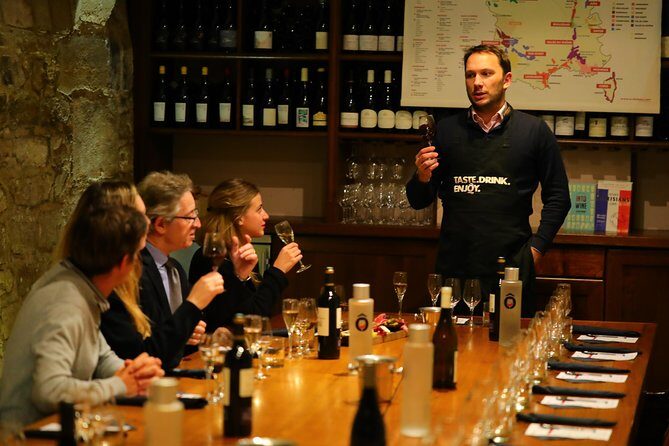
- Six wines from different regions, including Champagne, in a single guided flight
- English presentation with a sommelier-led format that stays relaxed and conversational
- Wine-tasting technique practice plus key label terms like appellation and terroir
- A properly French snack setup: freshly baked bread plus optional cheese and charcuterie
- Small-group feel (with the activity listing capped at a maximum of 10 travelers)
- A take-home list of every wine you sampled, so your next restaurant order is smarter
Entering Ô Chateau: a Paris cellar near the Louvre
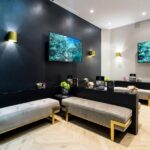
This experience starts at Ô Chateau, 68 Rue Jean-Jacques Rousseau, 75001 Paris, right in the city center and not far from the Louvre area. Instead of hopping between neighborhoods or standing in a street market with tiny samples, you walk into a renovated wine cellar setting where the evening naturally slows down.
That matters more than it sounds. In Paris, it’s easy to cram museums all day and then show up to a “tasting” too tired to notice the differences between wines. Here, the cellar format helps you focus on what you’re tasting and listening to, especially at the start time of 5:00 pm. You’re also not stuck with a complicated route: the activity ends back at the meeting point, so your evening doesn’t become a logistics puzzle.
One small tip: since there’s no hotel pickup, you should treat the address like a real appointment. Give yourself extra walking time from where you’ll get off public transport. This is a simple plan, but it protects the flow of the class.
You can also read our reviews of more food & drink experiences in Paris

The 2-hour flow: what you actually do in the masterclass
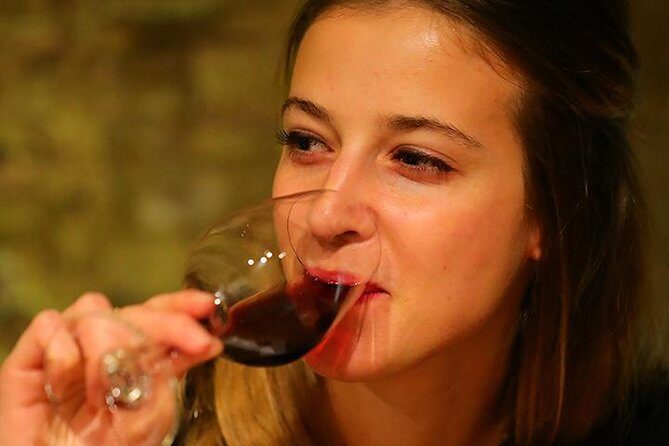
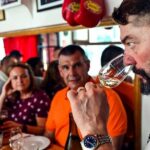
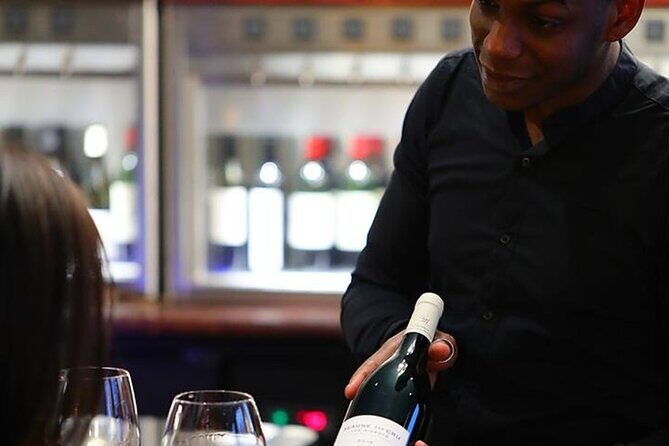
You should think of this as a short wine course disguised as a fun evening. You settle in, then your sommelier guides you through the tasting in a structured way, tasting six French wines during the session. The pacing is designed so you get enough information to improve your choices, but not so much that you feel tested.
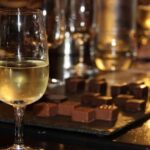
You’ll also nibble along. The included snack is freshly baked bread, and you can add cheese and/or charcuterie depending on the option you select. That’s not just for comfort. Bread and cured meats change how wine tastes in your mouth, and the pairing helps you notice flavors you might miss if you were tasting on an empty stomach.
The teaching goal is practical: by the end, you walk away more confident when a waiter hands you a French wine list. The session explicitly covers how to taste wine correctly and how to interpret French wine vocabulary, including terms like appellation and terroir, plus how to read a French wine label.
If you like structure, this will feel satisfying. If you prefer total freedom, you’ll still get value because the sommelier keeps the night moving through each pour with enough context to make the tasting meaningful.
Your six-wine flight (including Champagne) and why this lineup helps
The headline is straightforward: you taste six wines from different regions of France, and the flight includes Champagne. What makes that lineup especially useful in Paris is that it compresses a huge country into a manageable set of styles.
In one detailed flight description, the six pours included champagne, two whites, a rosé, and two reds. Even if your exact lineup differs, the idea is the same: you’re not just learning about one grape or one style—you’re building a mental map of French wine categories.
Here’s what that does for you as a visitor:
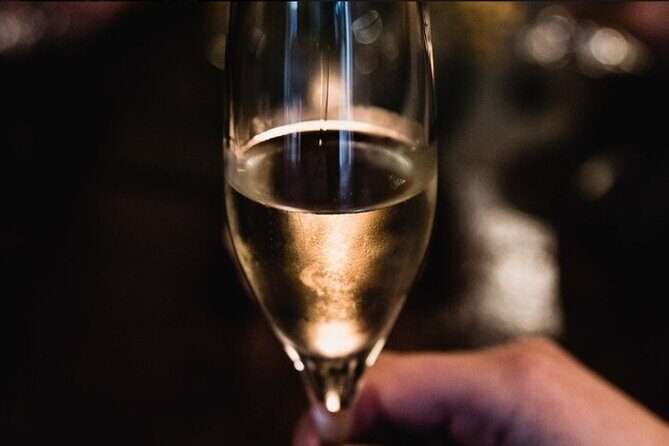
- Champagne teaches you what makes sparkles feel different—bubbles, aging, and the style of balance.
- Whites help you understand why acidity and texture matter, especially with food.
- Rosé gets treated as a category with its own logic, not just a summer afterthought.
- Reds show you how region and grape choice create different flavor directions.
A lot of wine tastings focus on facts. This one aims for recognition. By the time you finish, you should be able to say things like: this style feels like it belongs to this region, or I prefer a wine that leans drier, more crisp, or more round. That’s the real advantage of a guided tasting: you come out with preferences you can actually use.
Champagne, explained like you’ll order it later
Champagne isn’t only a celebratory drink here. During the tasting, you learn how Champagne is made and what makes it so special compared with other sparkling wines. That’s valuable because Champagne has rules and traditions that affect taste—especially the way it’s produced and aged.
You’ll also hear why Champagne has long been regarded as the top tier of bubbly. The practical payoff is this: once you understand the production process and the style goals, you’ll be less likely to treat any sparkling wine as a single category. In a wine list, you’ll be able to spot what to look for and what questions to ask.
Even better, the sommelier format means you can likely ask follow-ups. People often get stuck on one of two things: sweetness level or what to pair with it. Knowing the logic behind the Champagne style helps you make those decisions quickly.
Learning the language: appellation, terroir, and reading a French label
This is one of the most praised parts of the experience because it doesn’t just hand you wine facts—it gives you the words that unlock the wine list.
You’ll cover:
- How to taste wine correctly, including what to pay attention to as you smell and sip.
- Meaning of key French terms like appellation and terroir.
- How to read a French wine label so you can interpret what you’re buying.
Here’s the practical takeaway you’ll use immediately. When you see appellation on a bottle, it usually points to a protected origin framework. When you see terroir, it’s shorthand for the idea that the place matters—soil, climate, and growing conditions shape the grape’s behavior. Even without memorizing every term, once you know what they’re trying to tell you, labels stop feeling like code.
If you’ve ever stood in front of a shelf wondering why two bottles look similar but taste nothing alike, this section helps you stop guessing. You’ll leave with a better sense of what part of the label is describing the wine’s identity versus what’s mostly marketing.
You can also read our reviews of more wine tours in Paris


Pairing and snack choices: bread plus optional cheese or charcuterie
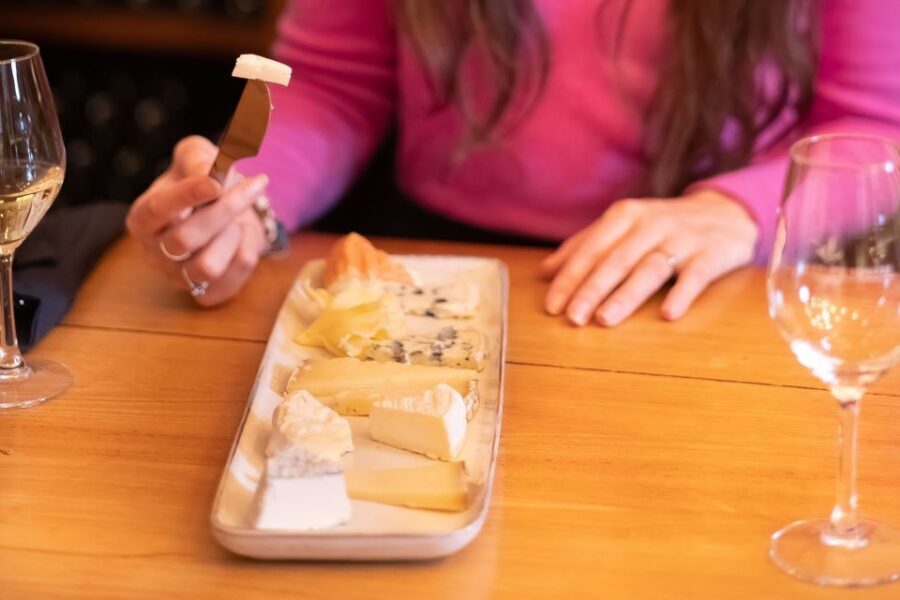
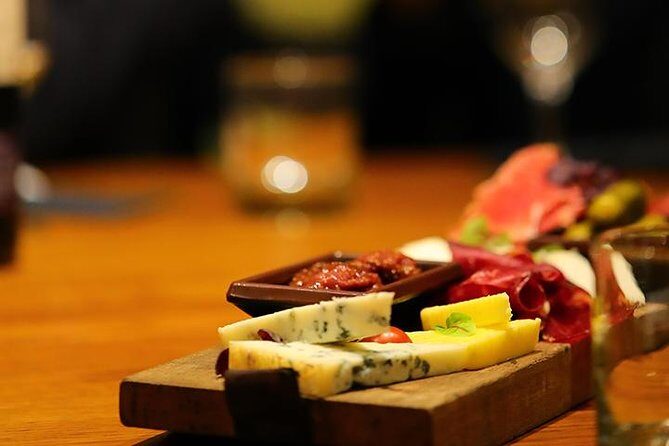
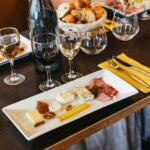
One of the easiest ways to enjoy a tasting is to not fight your appetite. This experience includes freshly baked bread, and you can upgrade with a cheese and/or charcuterie plate if you chose that option.
That small detail makes a big difference. Cheese and cured meats give you salt, fat, and texture—three things that help your palate separate wine flavors more clearly. Bread helps prevent palate fatigue and gives your mouth a neutral reset between sips.
In the better-rated descriptions, people call out charcuterie boards as a highlight, and the general theme is that the food is substantial enough to keep the evening comfortable. You’re not just holding a small cracker while listening to a lecture.
A smart way to use the food: taste a wine first, then take a bite, then taste again. You don’t need to overthink it. The goal is to notice how the pairing changes what you perceive.
Group size and the host factor: why small feels better here
The activity lists group size varying between 6–25 people, and it also notes a maximum of 10 travelers for this experience. In plain terms: you’ll likely be in a small group environment where you can hear your guide and feel like the lesson is aimed at your table, not a giant crowd.
The hosts are consistently praised for personality and pacing. Names that show up in the session feedback include Willy, Kim, Clement, Pierre, Paul, and Jasmina. The common thread across those names is that the guide makes the information feel approachable, with humor and real explanations of the wine-making process and the specific wines being tasted.
You’ll also likely appreciate the “right amount of information” aspect: you leave with a mental toolkit, not homework.
Timing and location strategy for a smooth Paris evening
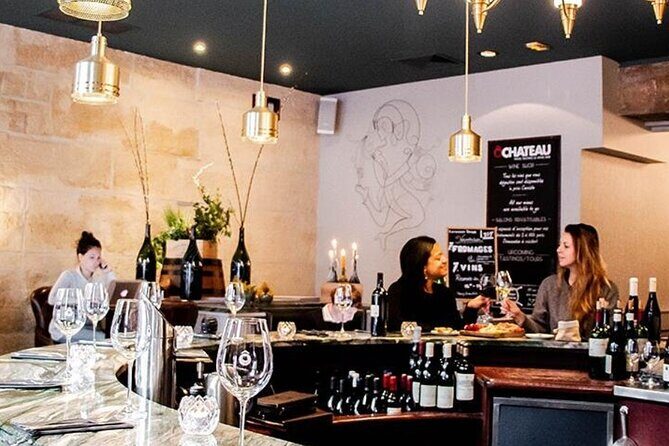
At 5:00 pm, this is a great “bridge” activity if you’re doing major sightseeing earlier in the day. It gives you a planned break when the city starts shifting into evening mode, and it prevents the classic problem of getting hungry right before dinner.
Since the tour starts at a fixed time and ends back at the meeting point, it’s easy to plug into your schedule. You can plan dinner afterward nearby, with confidence you’ll understand at least part of what you’re choosing on the menu.
What I’d do if I were planning your day: aim to arrive a few minutes early, take a slow walk from your last stop, then settle in. You’ll get more out of the tasting, because you won’t feel rushed.
Is the price worth it for what you get?
At $90.70 per person, this is not a budget tasting. But it’s also not a luxury-only experience. You’re paying for:
- Six wines in a guided flight (including Champagne)
- A professional sommelier teaching in English
- Included bread, plus optional cheese/charcuterie for more substance
- A small-group, lesson-style structure that aims to make you better at ordering wine later
Two hours of guided tastings can be pricey in Paris, especially when you factor in Champagne. What helps justify the cost is that the experience isn’t only about taste—it’s also about confidence. If you like food-and-wine activities where you want a practical skill, this price can feel fair.
If you only want a quick drink and zero instruction, you may find it steep. But if your goal is to understand labels, regions, and tasting basics, you’ll likely feel like you got more than just six pours.
Who should book this wine and Champagne tasting
This is a strong fit if:
- You want an easy start to French wine without getting lost in jargon.
- You like small-group evenings where the guide can respond to questions.
- You’re excited about Champagne and want more than a toast.
- You want a tasting that ends with something useful, like a wine list of what you sampled.
It’s also a good choice as a break from walking-heavy days. Paris is a marathon city. A warm cellar with guided tastings gives your feet and brain a rest.
If you’re already a serious wine geek with deep cellar knowledge, you might still enjoy it for the social setting, but the main value is more beginner-to-intermediate confidence than advanced technical training.
Should you book this French wine and Champagne tasting?
I’d book it if you want a simple, structured evening that improves your wine decisions for the rest of your trip. The combination of six wines, Champagne focus, label language like appellation and terroir, and the option for cheese or charcuterie is a smart mix of fun and usefulness.
I’d hesitate only if you’re pressed for time, plan to skip the full session, or you only want a casual sip with minimal explanation. Because this is built as a guided masterclass, you’ll get the best results when you treat it as the main event for that window of the day.
If you’re on the fence, ask yourself one question: do you want to leave able to order wine with confidence? If yes, this is an excellent use of an evening in Paris.
FAQ
How long is the French Wine and Champagne tasting?
It’s about 2 hours.
Where does the tasting take place in Paris?
The meeting point is Ô Chateau, 68 Rue Jean-Jacques Rousseau, 75001 Paris.
Is the tasting in English?
Yes, the presentation is offered in English.
How many wines will I taste?
You’ll taste six French wines, including Champagne.
Is food included?
Freshly baked bread is included. You can also select an option that adds cheese and/or charcuterie.
Do I need hotel pickup?
No. Hotel pickup and drop-off aren’t included, so you’ll make your own way to the meeting point.
What’s the minimum age?
The minimum age is 18.
Is cancellation free?
Yes, there is free cancellation up to 24 hours before the experience start time.
How big are the groups?
The information lists group size varying between 6–25 people, and it also notes a maximum of 10 travelers, so your group should be on the smaller side.