REVIEW · PARIS
Best of Paris Bike Tour
Book on GetYourGuide →Operated by Blue Fox Travel · Bookable on GetYourGuide
Four hours, Paris on two wheels.
This tour is a fast, fun way to connect the landmarks so they stop feeling like a blur on a map. I love that you cover the big sights without spending your day trapped on buses, and I really like the personal touch of a local guide such as Irving, who kept the pace smooth and the stops genuinely useful. One thing to keep in mind: traffic in central Paris is busy, so you’ll want to stay alert and ride confidently, even though the route is planned for bikes.
You’ll start near Saint-Michel and immediately get into the rhythm of Paris sightseeing by bike. I also like the way the guide shares practical time-saving tips, including guidance that can help you avoid long waits at the Louvre, plus a snack break at the Rue Cler outdoor market. The only real drawback I’d flag is sound: in crowded areas, a quieter voice can make it harder to catch every detail, so lean in and don’t be shy about asking questions.
In This Review
- Key things I’d bet you’ll love
- Why this bike tour works so well for first or short visits
- Price and what you actually get for $53
- Meeting at Fontaine Saint-Michel: getting started without stress
- Notre-Dame quick look: close up, then move on
- Musée d’Orsay: the Impressionist angle makes it click
- Riding the Seine: the best part of the route is how it feels
- Pont Alexandre III: the postcard moment, but you see it from the road
- Army Museum area: history in the background
- The best 30 minutes: Rue Cler snack break
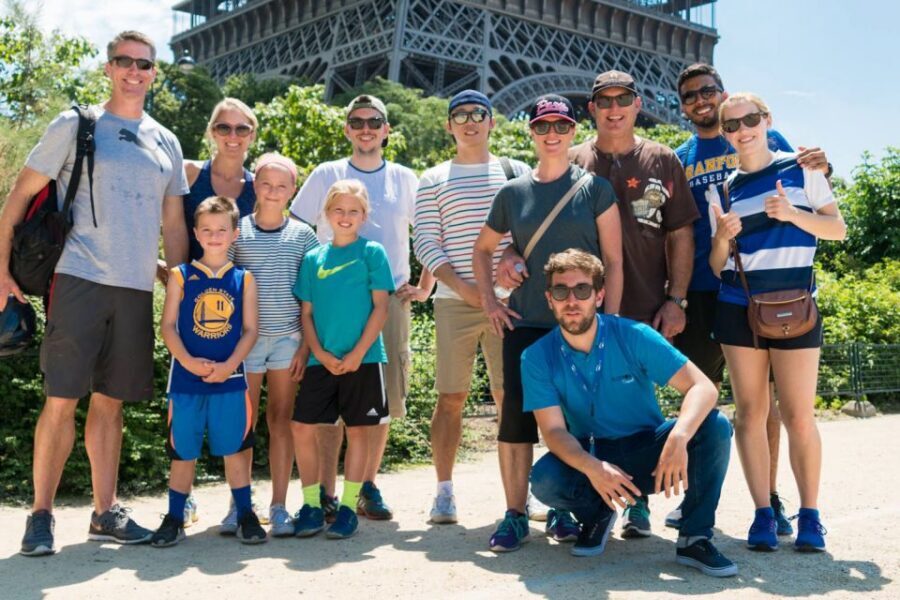
- Eiffel Tower stop: photo time with actual context
- Grand Palais and Champs-Élysées: seeing the city’s big stage
- Place de la Concorde: the view that ties it all together
- Louvre time: courtyard sights plus a smart planning tip
- Bike comfort, traffic reality, and what to do if you’re not an expert rider
- Weather, clothing, and gear that keeps the tour enjoyable
- What the guide does best: quick explanations and good routing
- Should you book the Best of Paris Bike Tour?
- FAQ
- How long is the Best of Paris Bike Tour?
- What are some of the main sights included?
- Do you get time to explore the Rue Cler market?
- Is the tour in English?
- What is included with the ticket?
- Is food included?
- Where do I meet the guide and what’s the nearest Metro?
Key things I’d bet you’ll love
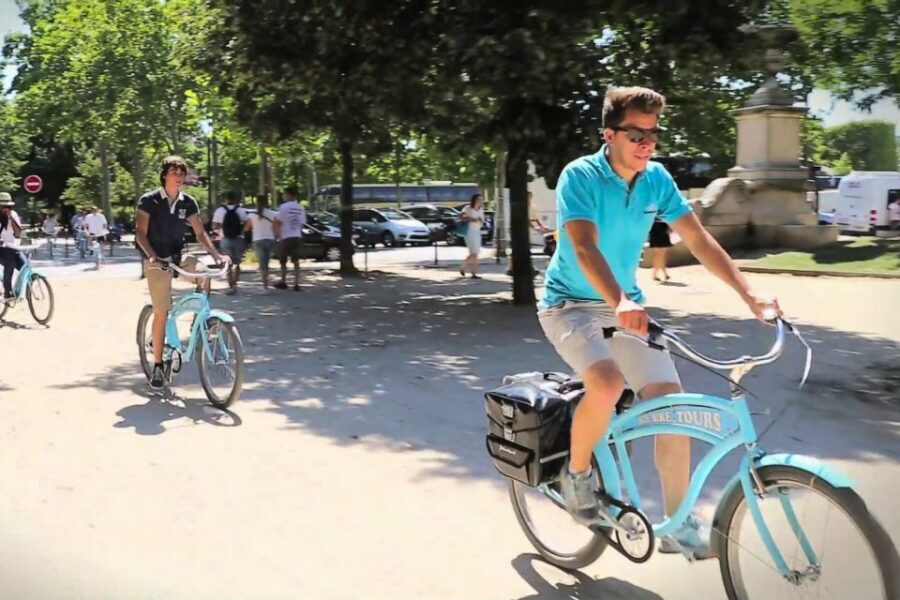
- Small-group pacing with real stops: brief photo moments plus explanations, not a marathon ride.
- Seine River sightseeing without the crowd crush: you pass other visitors and locals while staying in motion.
- Time and money saving tips: guidance that helps you plan your next moves (including Louvre planning).
- Rue Cler snack break: half an hour to wander an outdoor market and grab local treats.
- Guides who improvise when it matters: for example, Irving made an unplanned stop when a real-life scene was worth watching.
- Helmet, rain gear, and cold-weather extras: included comfort items that make the ride easier.
Why this bike tour works so well for first or short visits
If you only have a couple days in Paris, you need your days to do two jobs: show you the main sights and help you understand how to move through the city afterward. This tour is built for that. In about four hours, you get a tight overview of where everything sits, how neighborhoods connect, and what you’ll want to return to later.
Cycling also changes how you experience Paris. You feel the scale of bridges, you get quick glances at facades you’d otherwise miss, and you can stop and start when the guide says something interesting. For me, that makes the whole visit feel less like checking boxes and more like getting your bearings fast.
You can also read our reviews of more cycling tours in Paris

Price and what you actually get for $53
At $53 per person for a 4-hour, guided small-group ride, the value is mostly in the bundle: you get the bike, a helmet, and a guide who directs the route and adds context at each stop. You’re also getting included gear for weather (rain gear, and warm gloves and scarf if it’s cold). Food and drink aren’t included, but you do get that Rue Cler snack break, which offsets the no-meal part.
So the real question for value isn’t the ticket price alone. It’s whether you’re trying to see a lot of highlights quickly without spending hours figuring out logistics. If you are, this tour is a bargain.
Meeting at Fontaine Saint-Michel: getting started without stress
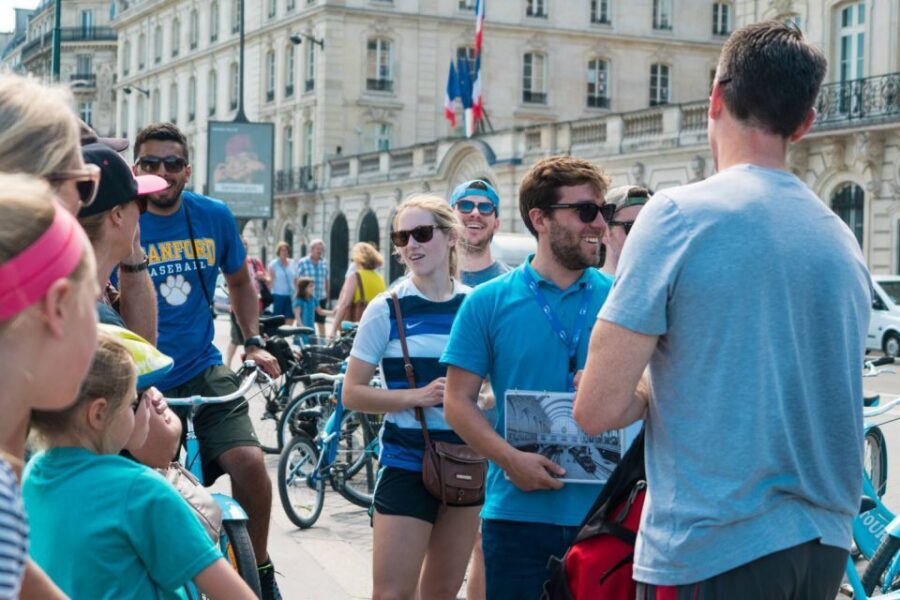
You meet your guide in front of Fontaine Saint-Michel in central Paris. Look for the guide standing next to the bright blue bike. This is a convenient spot for getting there by public transport.
- Closest Metro stop: Saint-Michel-Notre-Dame (Metro line 4 and RER line C)
- Also very close: Metro line 10 stop Cluny
One practical note: during summer months, RER line C may be under maintenance and not run through central Paris. If your plans depend on RER C, check it the week you travel.
Once you’re there, the setup is straightforward. You’ll get your helmet, set your riding comfort, and get the safety briefing before you roll. Several guides have a knack for keeping groups calm and together, especially when kids are along for the ride, so it’s not just a sightseeing walk with wheels.
Notre-Dame quick look: close up, then move on
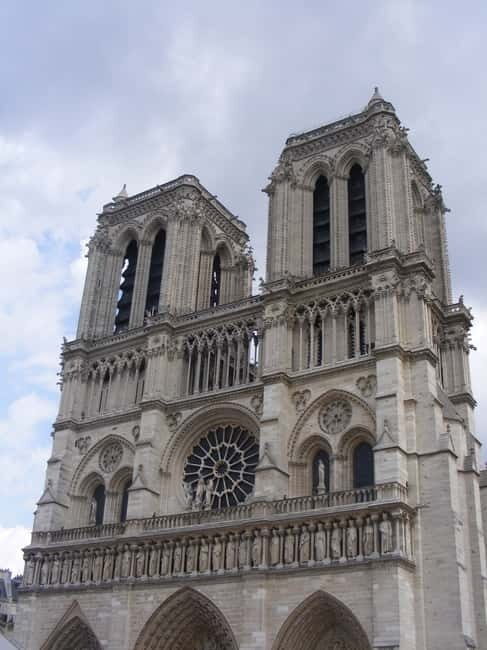
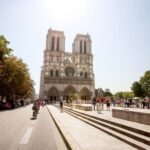
Your first real stop is Notre-Dame Cathedral. You won’t stand there all day, and you don’t need to. You’re here for an orientation moment: see the scale, understand the river-side layout, and notice the surrounding streets you’ll recognize later from photos.
A short stop can feel limiting if you’re expecting a deep architectural lecture. But for a 4-hour highlights tour, it works. You’re saving time for bigger viewpoints where you’ll want more than a quick glance, and you’ll likely return later if Notre-Dame genuinely grabs you.
Musée d’Orsay: the Impressionist angle makes it click
Next up is Musée d’Orsay. You spend only around ten minutes here, so think of this as outside-and-around context rather than a museum day. The guide’s job is to connect what you’re seeing to the Impressionist story.
Even with limited time, this stop is useful because Orsay is one of those places people either love deeply or feel unsure about. A good guide can help you understand why the building matters, and how the Impressionist movement fits into the wider Paris picture. If you’re the type who likes to come back later, this stop sets you up with a direction.


Riding the Seine: the best part of the route is how it feels
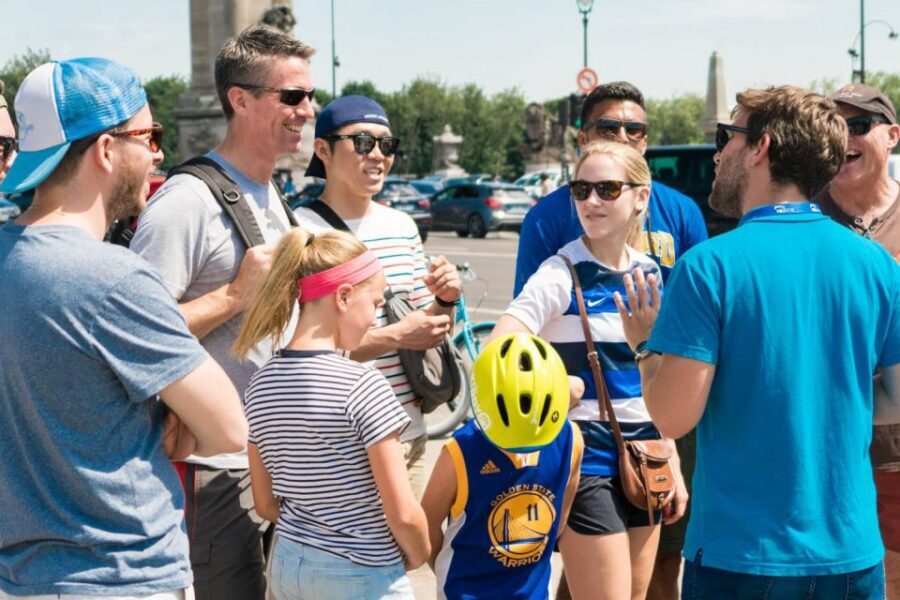
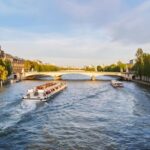
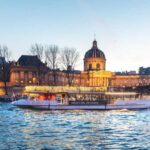
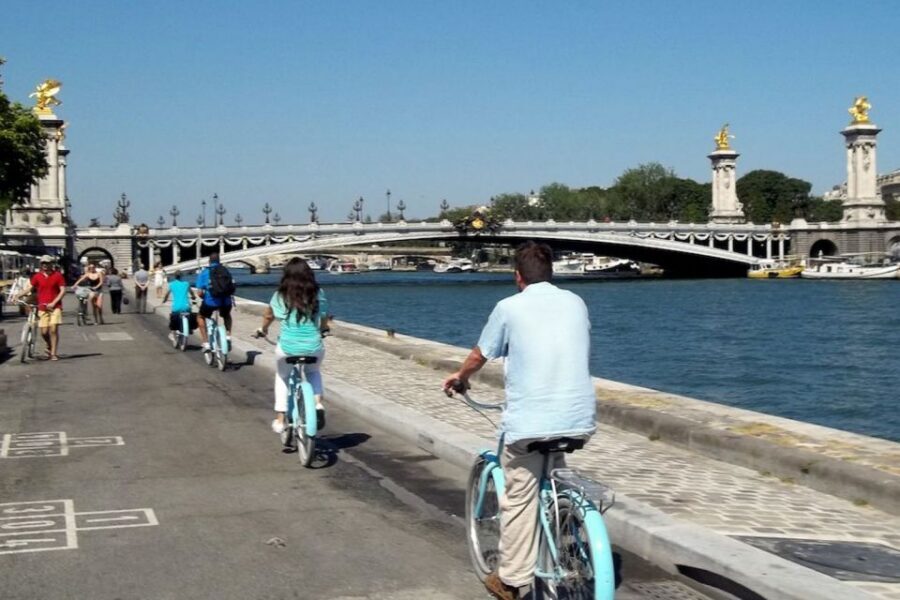
Then comes one of the main reasons to do a bike tour here: the Seine River ride. You’ll breeze along the banks while passing other visitors and locals. It’s scenic, yes, but the real payoff is momentum. Instead of waiting your turn in a crowd, you keep moving and you get repeated views of the river and bridges as the route unfolds.
This part also helps you see why Paris is shaped the way it is. Bridges aren’t just crossings here; they’re part of the city’s visual rhythm. If you’re planning a longer stay, you’ll start mentally mapping where you’d like to walk next time.
Pont Alexandre III: the postcard moment, but you see it from the road
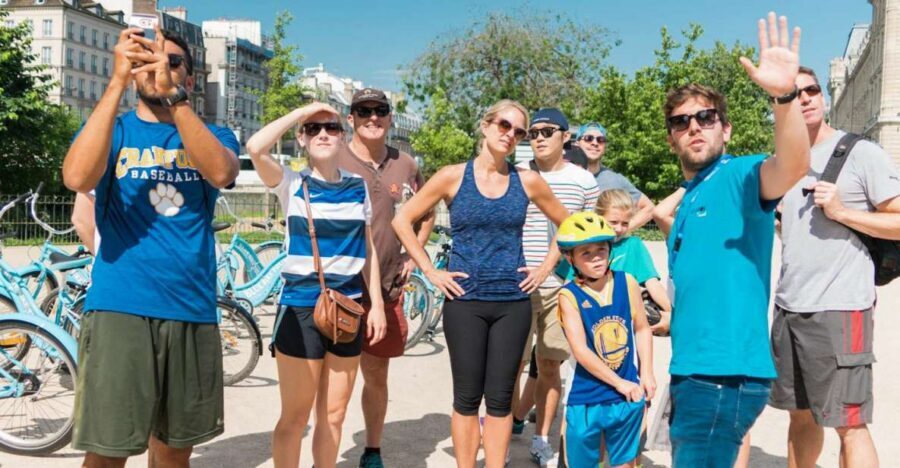
At Pont Alexandre III, you get a classic Paris view without having to fight for position in a single photo spot for a long time. The angle from the bike route helps you understand the bridge as a connector, not just a backdrop.
Because this stop is short, you’ll want to do one thing: pause for a couple minutes and look around, not just at the landmark you came for. This is one of those places where the details in the bridge setting matter, and a quick glance with context beats a rushed snap.
Army Museum area: history in the background
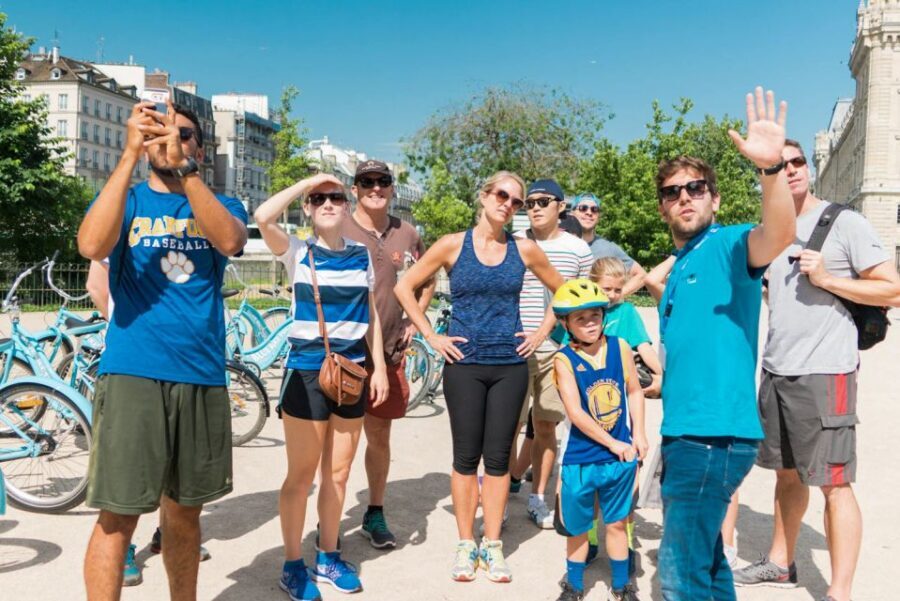
You’ll pass the Army Museum area as part of the planned highlights circuit. With the time window being brief, you’re not doing a museum visit, so treat it as a context stop. You’ll get a sense of the area’s role in Paris and what to notice if you later decide to go inside or read more.
This is one place where a good guide can make the difference between I saw a building and I understand why it matters. Guides like Irving and Aaron have been praised for giving clear, compact explanations at stops, and that style is exactly what you want on a tour like this.
The best 30 minutes: Rue Cler snack break
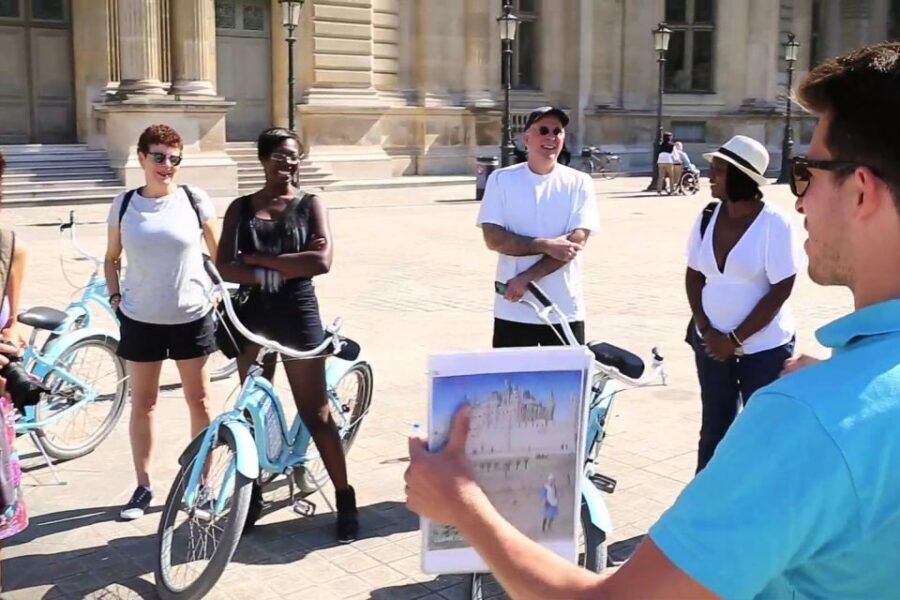
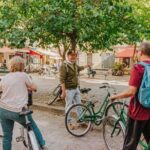
You get a break time of about 30 minutes, and it lines up with the Rue Cler outdoor market area. This is your chance to step off the bike and do something Paris does well: snack and browse.
Rue Cler is handy because it’s close to the sightseeing axis, so you’re not losing prime tour time driving to a distant lunch plan. Instead, you get a half hour to walk the stalls, look at local treats, and refuel. Food and drink aren’t included in the price, but the break is built into the experience, so you’re not stuck figuring out lunch mid-tour.
Practical tip: use the break to reset your energy, then get back on the bike ready for the last stretch toward the Louvre area and the big western views.
Eiffel Tower stop: photo time with actual context
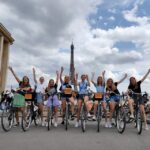
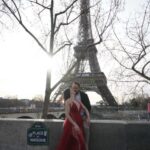
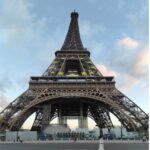
You’ll reach the Eiffel Tower later in the tour, with around 15 minutes set aside. That’s enough for a few photos and a quick moment of wow, but it’s not meant to replace climbing or a full viewpoint visit.
The value here is that you’re coming in with city context. When you’ve already ridden the Seine and crossed key bridge zones, Eiffel Tower stop feels less random. It lands as the final big “anchor” in your mental map.
Grand Palais and Champs-Élysées: seeing the city’s big stage
After Eiffel Tower, you cycle past Grand Palais and head toward Champs-Élysées. These stops are short, around ten minutes each, so again: the goal is orientation and atmosphere, not deep museum time.
On a bike, the Champs-Élysées isn’t just a straight avenue you’ve heard about. It becomes a real corridor you can picture walking later. You’ll understand where side streets open up, and you’ll see how the city concentrates crowds right where you’d expect.
Place de la Concorde: the view that ties it all together
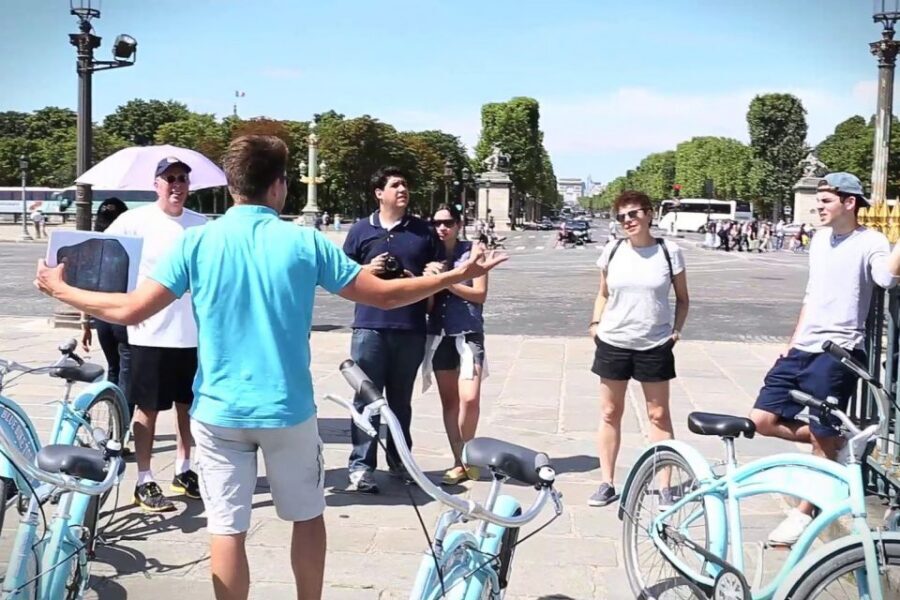
Place de la Concorde is one of the tour’s most satisfying “connection” stops. You’re getting a wide view that helps you understand how the Champs-Élysées lines up with the Arc de Triomphe.
This is the moment where the whole tour starts to make sense. You’ve moved from river landmarks to monumental Paris, and now you’re seeing the city as a system: axis lines, major squares, and sightlines.
If you’re a person who likes planning your next day, this is a strong payoff stop. You’ll leave knowing what you want to return to and what route might work best for you on foot.
Louvre time: courtyard sights plus a smart planning tip
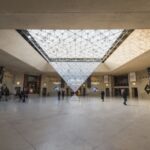
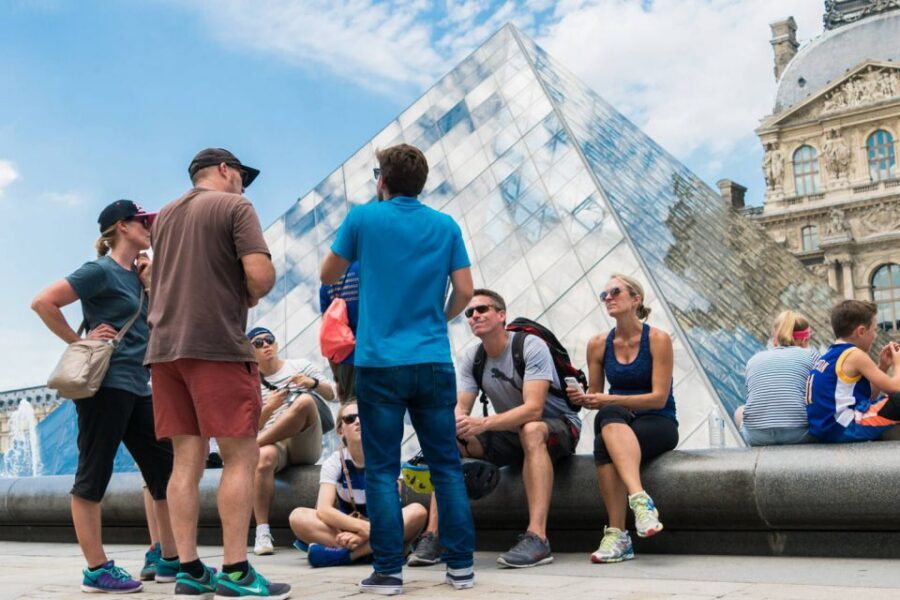
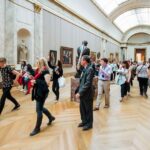
Near the end you head toward the Louvre area, including time around the museum’s glass pyramid courtyard. You also get an important insider idea: your guide shares a shortcut concept that can save time waiting in line when you plan a future Louvre visit.
Since the tour timing is limited, I treat this Louvre segment as a preview with a plan. The best part isn’t just seeing the pyramids in the flesh—it’s having a strategy to avoid wasting a chunk of your day in queues.
One more thing: keep your expectations realistic. This bike tour isn’t a Louvre entry experience where you’ll see galleries end to end. It’s the “start here” phase. Then you choose whether you’ll return on a different day with a ticket, a shortlist, and a route that matches your interests.
Bike comfort, traffic reality, and what to do if you’re not an expert rider
The bikes are comfortable, but they’re not e-bikes. They use a single gear, which matters mostly for people who expect hills or speed. The good news is that this part of Paris is mostly flat, so the riding is manageable for most visitors who can ride and steer confidently.
Now for the honest part: traffic can be heavy and chaotic. You’ll need vigilance. The guide helps with this by managing the group and directing where to ride, but you still own your safety. Think of it as street riding with guidance, not a closed-course tour.
If you’re bringing kids, this can still work well if they’re comfortable on a bike and can follow instructions. Guides like Joe have been especially praised for patience with children aged roughly 8 to 12, and groups have included teens and families. If your child is unsteady, you’ll want to reconsider.
Weather, clothing, and gear that keeps the tour enjoyable
Paris weather can change fast, so you’ll appreciate that rain gear is included if it rains. If it’s cold, you’ll also get warm gloves and a scarf as part of the provided gear.
Your own job is simple: dress for the forecast. In summer, a cap and sunscreen with light layers makes sense. In winter, plan on warmer clothes and the included cold accessories doing their part.
Because this is a street ride, comfort matters more than fashion. You’ll be glad for layers you can adjust and shoes you can pedal in without fuss.
What the guide does best: quick explanations and good routing
One reason people keep scoring this tour so highly is the guiding style. Many guides have been praised for being funny, entertaining, and fast at explaining what you’re seeing without turning the ride into a lecture.
Irving is a strong example. He handled traffic well, kept stops compact with clear talking points, and he was willing to add an unplanned moment when something real and interesting happened in the middle of the route. That’s how you know the guide is paying attention, not just moving a group from checkpoint to checkpoint.
Other guides called out in the experience include Aaron, Ryan, Joe, Tibo, and Michael. The common thread is personal attention, clear instructions, and an ability to keep both adults and kids engaged. If you like asking questions, you’ll probably get them answered.
Should you book the Best of Paris Bike Tour?
Book it if:
- You’re in Paris for a short time and want a practical overview of major sights in about four hours.
- You like guided planning, especially tips that help you spend less time stuck and more time exploring.
- You want to see big landmarks plus the “in-between” streets and riverside scenes that make Paris feel like a city, not a list.
Skip it or think twice if:
- You’re not comfortable riding in busy street traffic, even with a guide managing the group.
- You’re expecting an e-bike experience or a gentle, no-alert-required ride. This is street cycling with vigilance.
- You hate the idea of short stops. This tour is fast on purpose.
If you’re coming in fresh and want to leave with a map in your head, this is one of the best ways to start. You’ll likely find you use the route as a blueprint for your own walking days afterward.
FAQ
How long is the Best of Paris Bike Tour?
The tour duration is 4 hours.
What are some of the main sights included?
You’ll see Notre-Dame Cathedral, Musée d’Orsay, the Seine River area, Pont Alexandre III, the Army Museum area, the Eiffel Tower, Grand Palais, Champs-Élysées, Place de la Concorde, and the Louvre courtyard area with the glass pyramids.
Do you get time to explore the Rue Cler market?
Yes. There’s a snack break with about half an hour to explore the Rue Cler outdoor market and try local treats.
Is the tour in English?
Yes, the live tour guide speaks English.
What is included with the ticket?
The tour includes a comfortable aluminum-framed bike, a helmet, a local guide, rain gear if needed, and warm gloves and a scarf if it’s cold.
Is food included?
Food and drink are not included, but the tour includes a snack break at Rue Cler where you can buy and try local items.
Where do I meet the guide and what’s the nearest Metro?
Meet your guide in front of Fontaine Saint-Michel. The guide stands next to the bright blue bike. The closest Metro stop is Saint-Michel-Notre-Dame (Metro line 4 and RER line C), and it’s also close to Metro line 10 at Cluny.