REVIEW · PARIS
Learn the art of street photography in the heart of Montmartre!
Book on Viator →Operated by Learn and practice the art of street photography with Clara dans la rue in the heart of Montmartre! · Bookable on Viator
Paris street corners teach fast.
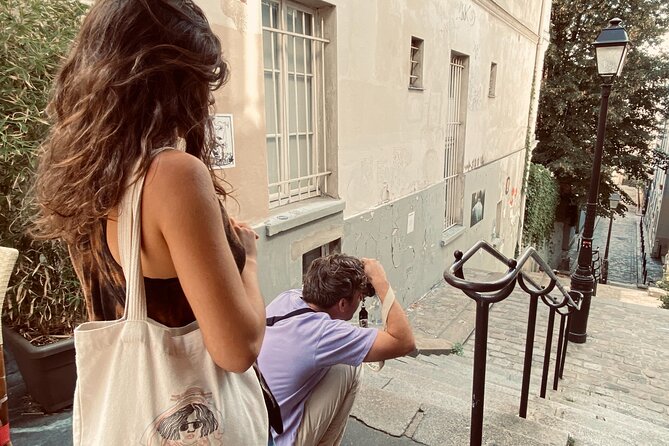
This Montmartre photography walk turns random sightseeing into intentional looking. You’ll get guided street photography basics while strolling through charming streets and viewpoints, with stops that include rooftops, the cemetery area, and local landmarks.
I especially liked how it stays practical for real travel photos, not theory. Two things I’m drawn to: Clara’s coaching on composition and storytelling, and the way you can bring almost any camera (including a smartphone) and still learn how to make stronger images. The tour also includes a parting gift, so you leave with more than just memories.
One consideration: it’s a full 2-hour walking session, often on cobblestones and hills. If you hate uneven ground or you’re not used to climbing, plan for slower pacing and comfortable shoes.
In This Review
- Key moments worth marking on your map
- Why this Montmartre street photography walk works
- Meet at Place des Abbesses and start with the right mindset
- The walking rhythm: learning composition while you move
- Rooftops and viewpoints: turning height into better photos
- Cemetery paths: quiet scenes and harder-to-photograph details
- Charming streets and landmark moments: getting the storytelling right
- About your gear: bring what you have, and use it better
- The value of the $165.49 price tag
- Daytime by default, with an option for night
- The parting gift and why it matters for photographers
- Who should book this tour
- Should you book this Montmartre street photography experience?
- FAQ
- Where does the street photography tour in Montmartre start and end?
- How long is the street photography experience?
- What language is the tour offered in?
- Is the tour private?
- Do I need to bring a camera?
- Is the tour daytime only?
- What should I bring for the walk?
- Is there a requirement for good weather?
- Is a mobile ticket provided?
- Are service animals allowed?
Key moments worth marking on your map
- Clara’s hands-on coaching focused on how to see, not just what to shoot
- Composition and storytelling basics you can use immediately on the street
- Montmartre viewpoints built into the walk, including rooftops and a cemetery stop
- Camera-flexible learning: bring any gear, including a phone; she can talk equipment before you meet
- A thoughtful parting gift that ties your photos to the experience
Why this Montmartre street photography walk works
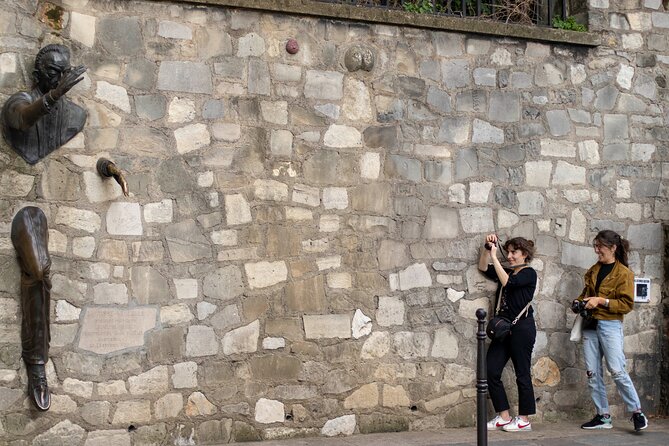
Street photography can feel random. You spot something interesting, you press the button, and then you go home wondering what you actually captured. This tour helps you break that cycle by teaching you how to choose the shot, not just how to take it.
What makes it click is the pairing of technique with location. Montmartre already has angles, textures, and people moving through narrow lanes. Clara uses that setting to practice core ideas like leading lines, framing, and building a simple photo narrative without getting lost in complicated rules.
You’re also not stuck in a classroom mindset. You’ll be walking the whole time, so learning becomes a routine: look, decide, shoot, adjust, repeat. That loop is exactly what helps you start getting better on day one.
And yes, it’s friendly for different skill levels. You can be brand new to photography, or you can already know your way around exposure basics and want more guidance on street-level composition and timing.
You can also read our reviews of more photography tours in Paris

Meet at Place des Abbesses and start with the right mindset
The experience starts at Place des Abbesses and ends back at the same point. That matters because it keeps the walk easy to follow and helps you focus on the photography instead of the logistics.
Right from the start, Clara sets the tone: street photos aren’t only about having the perfect camera. They’re about making intentional choices—where you stand, what you include or exclude, and what story your frame is hinting at. You’ll get time to settle in, ask questions, and talk about your gear if you’d like.
Bring comfortable shoes. This is not a sit-and-watch tour. You’ll move through Montmartre’s streets and slopes with enough steps that you’ll feel it by the end, so plan for real walking time during your photo session.
Also, have your camera ready early, not later. The best street moments are often brief, and the walk structure is built to help you learn how to respond quickly without rushing your decisions.
The walking rhythm: learning composition while you move
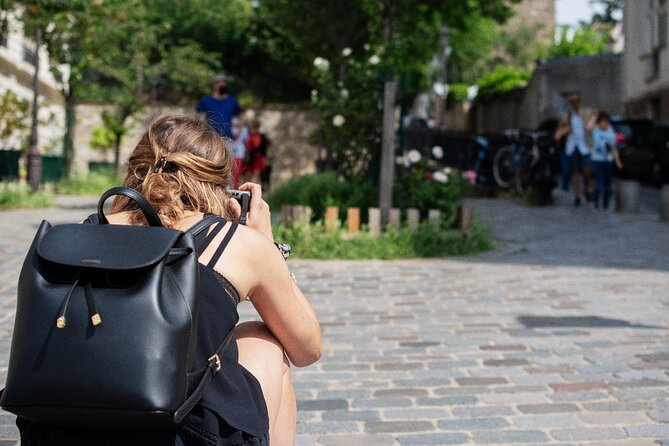
The whole session is about practice in motion. Clara guides you on what to look for and then gives you space to try it. That approach helps you avoid a common beginner trap: copying a single trick and hoping it works every time.
Here’s what you can expect to work on as you walk:
- Composition choices: angles, framing, and how to guide the viewer’s eye
- Storytelling: using people, objects, and street details to suggest a moment
- Timing: noticing when the scene clicks, then shooting at the right instant
This is where the Montmartre setting is a real advantage. The streets naturally offer layers—foreground textures, mid-ground subjects, and background context. Even without fancy equipment, you can build depth and interest just by choosing your position.
If you bring a smartphone, you’re not second-class here. One review specifically called out that Clara taught iPhone tricks they didn’t know were available. So if phone photography is your thing, you’ll likely leave with tweaks that improve your shots right away.
And if you do have a camera with a lens you like, you can still benefit. Clara can discuss your setup before meeting, so you can aim the session at your style—wide scenes, tighter details, or portraits of street life.
Rooftops and viewpoints: turning height into better photos
Montmartre rooftops are the kind of subject you can’t really replicate elsewhere. They add geometry, repetition, and context: you’re not just photographing a street, you’re showing how the neighborhood sits in space.
In a street photography workshop, rooftops are also a teaching tool. When you climb into a viewpoint, you learn to see patterns: stair-stepped rooftops, chimneys, and the way roofs lead the eye. You also practice control—what to include so the frame tells a clear story instead of looking messy.
This portion of the walk is a good moment to slow down. Street scenes often move fast, but rooftops don’t vanish as quickly. Use that time to experiment with composition: try a wider frame first, then refine by moving a few steps to simplify the background.
If you like storytelling, rooftops can help you set the scene. A good rooftop shot can become the visual introduction to your photo set, giving context for the street-level images that follow.
Cemetery paths: quiet scenes and harder-to-photograph details
A cemetery stop adds a different mood to your street photography practice. It’s not only about dramatic, dark vibes. It’s about learning how to photograph stillness, texture, and detail without feeling like you’re intruding.
Even if you’re not aiming for somber imagery, cemeteries teach patience. People may not be everywhere, but that forces you to rely on composition: lines on stone, repetition of markers, and the way light falls across surfaces.
This is also a chance to practice negative space. When there are fewer moving subjects, you can more clearly see whether your frame has a point. If your photo looks flat, it’s easier to fix when you can step back and re-evaluate what your viewer should notice first.
You might also learn what not to do. In quiet spaces, loud camera behavior and careless positioning can kill the moment. Clara’s guidance helps you keep your approach respectful while still getting meaningful shots.






Charming streets and landmark moments: getting the storytelling right
Back on the streets, Montmartre gives you the classic ingredients of great street photography: close walls, small streets, people passing by, and everyday details that feel like they’ve always been there.
This is where storytelling becomes concrete. You’ll learn how to frame a subject so the viewer understands the scene: where the person is going, what relationship there is between your subject and the street detail, and how the background supports the main idea.
Landmarks on a street-photo walk serve a practical purpose too. They can act as anchors in your series, helping your final collection make sense as a visual journey through Montmartre rather than random shots.
Don’t expect a “tour bus view” type of photos here. The goal isn’t only to photograph famous structures from a distance. It’s to capture the experience—the angles, the street-level drama, and the small human moments that make the place feel lived-in.
About your gear: bring what you have, and use it better
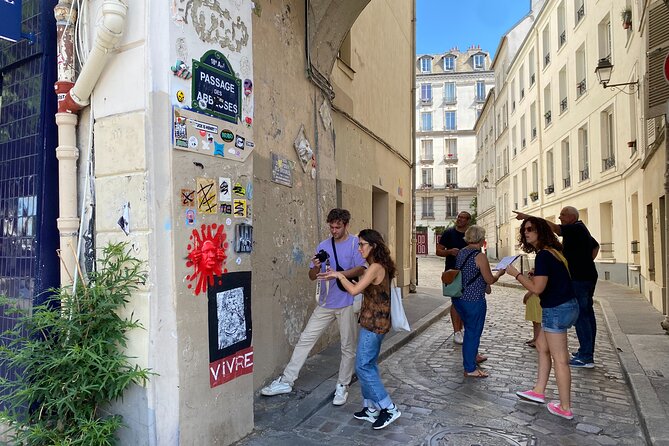
The experience doesn’t require a specific camera. You can bring whatever camera you have, and Clara will talk about equipment before meeting if you want. That means you’re free to shoot with a compact, a DSLR/mirrorless, or your smartphone.
One practical note: consider whether you want to bring a tripod. The session is on foot and includes moving angles, so a tripod is optional and can be annoying depending on how you move. If you do bring one, think about when you’ll realistically use it—especially at viewpoints.
If you’re using a phone, it’s worth arriving with your most-used settings ready. If you’re comfortable, you’ll learn faster during coaching, because you can focus on composition and timing instead of fumbling with menus.
If you have a camera, check basics before you go: charge, enough storage, and the lens you’ll want for street shots. Clara’s guidance is designed to make you use your gear more effectively, not to make you buy new gear.
The value of the $165.49 price tag
At $165.49 per person for about two hours, you’re paying for two things: time with a street-photo guide and a structured practice session in a high-quality location.
Is it “cheap” compared with self-guided walks? No. But it’s also not just buying access to a famous neighborhood. You’re buying coaching that changes what you notice and what you choose to photograph. That’s the difference between taking more photos and taking better ones.
You also get a small parting gift, which is a nice touch when you’re learning something creative. It adds meaning to the experience, especially if you plan to keep practicing after the tour.
One more value factor: the tour is private for your group. If you’re traveling with family or friends, that private format usually makes it easier to ask questions and get individual feedback rather than waiting for a larger group to move.
Daytime by default, with an option for night
The session runs daytime unless you request a nighttime session. If you’re trying to capture a different mood—street lights, softer contrasts, and later activity—night can be a great choice.
That said, daylight tends to be easier for learning. You’ll have more predictable visibility for composition practice, and you’ll likely find it less stressful to troubleshoot camera settings on the move.
If you’re unsure, pick daytime unless you specifically want night photography. The tour structure is built to help you learn quickly, and easier conditions mean you’ll spend more time practicing the photo skills instead of fighting the environment.
The parting gift and why it matters for photographers
A “parting gift” can sound small. In practice, it can help you connect the learning moment to something you’ll keep. For a creative tour like this, that matters because photography is about repetition.
When you leave with a souvenir tied to the activity, you’re more likely to review your photos afterward and think about what you learned. That’s how this kind of workshop pays off beyond those two hours.
Even if you don’t call yourself a photographer yet, this gift can act like a reminder: you have permission to keep practicing street photography at home in your own neighborhood.
Who should book this tour
This is a strong fit if you:
- Want street photography coaching in Montmartre without guessing where to stand
- Appreciate a guide who teaches composition and storytelling, not only camera specs
- Travel with a smartphone and want practical upgrades to how you take photos
- Prefer active walking tours over museum-style time
- Enjoy learning by trying things immediately on the street
It’s also a good option if you don’t want a huge group environment. The private format keeps questions and practice more personal.
You might reconsider if you can’t handle uneven ground and sustained walking. The tour is short in time, but it’s still a real walking session.
Should you book this Montmartre street photography experience?
If you want photos that feel like you understood what was happening in the moment, I’d book it. The biggest strength is the coaching style: you learn how to see, then you practice right away in Montmartre’s streets, rooftops, and cemetery-area atmosphere.
The value is strongest when you’re open to learning. If you want a scenic stroll with photos as a bonus, you might not get as much out of the technique focus. But if you like improving your eye—composition, framing, and storytelling—this is a smart way to spend time in Paris.
I’d especially recommend it to anyone who’s been stuck in a loop of taking lots of photos but not feeling proud of them. This tour is designed to break that pattern fast.
FAQ
Where does the street photography tour in Montmartre start and end?
It starts at Place des Abbesses (Pl. des Abbesses, 75018 Paris, France) and ends back at the same meeting point.
How long is the street photography experience?
The walk lasts about 2 hours.
What language is the tour offered in?
The tour is offered in English.
Is the tour private?
Yes. It’s a private tour/activity, so only your group participates.
Do I need to bring a camera?
Camera gear is not included. You should bring whatever camera you plan to use, and you can also discuss your equipment before meeting.
Is the tour daytime only?
It’s daytime by default, but you can request a nighttime session.
What should I bring for the walk?
Wear comfortable shoes, and consider bringing a jacket for cold times and a water bottle. A tripod is optional depending on what you want to shoot.
Is there a requirement for good weather?
Yes. The experience requires good weather, and if it’s canceled due to poor weather you’ll be offered a different date or a full refund.
Is a mobile ticket provided?
Yes, the tour includes a mobile ticket.
Are service animals allowed?
Service animals are allowed.