You can feel history working overtime in the Marais. This tour strings together medieval streets, big-city art energy near Pompidou, and the neighborhood’s LGBTQIA+ identity, with a real food stop along the way. It’s a smart way to connect Paris landmarks to the people who shaped them, not just the postcard views.
Two things I really like are the small-group setup (max 12, or private) and the pastry break built into the route. One thing to consider: it’s about 2 km of walking, and the pastry stop works for vegetarians but is not lactose-free, gluten-free, or vegan.
If you care about how a neighborhood feels in real life, this one has the right guides. People mentioned excellent pacing and storytelling from guides like Maxi, Paloma, Camila, Cecelia, and Laure, plus extra flair like street-art spotting that feels like a treasure hunt.
In This Review
- Key moments that make this tour worth your time
- Why the Marais is the perfect walking neighborhood
- Meeting near Pompidou and getting your bearings fast
- From Centre Pompidou to Hotel de Ville: art, quirks, and Paris at street speed
- Saint Gervais church: where architecture tells a story
- Merveilleux time: a sweet break that fits the route
- Rue des Rosiers: Jewish Quarter context without rushing it
- How the LGBTQIA+ identity shows up in the neighborhood
- Place des Vosges: the classic square you’ll want to linger in
- Place de la Bastille: Revolution-era context plus an easy next step
- Group size, guide style, and what you should expect from the pace
- Price and value: what $56 buys on this route
- Who this tour suits best (and who may want a different plan)
- A low-impact way to see the city
- Should you book this Marais tour?
- FAQ
- How long is the tour?
- Where do I meet the guide?
- What’s the walking distance?
- What’s included in the price?
- Is the tour suitable for vegetarians?
- What dietary restrictions should I know about?
- Are drinks included?
- Where does the tour end?
Key moments that make this tour worth your time
- Small group, real conversation: max 12 people, with a private option if you want more flexibility.
- Street-level Paris, not just monuments: Stravinsky Fountain, street art, and medieval corners in one walk.
- Saint Gervais church stop: a standout architectural moment on the way through older Marais streets.
- Rue des Rosiers context + food culture: learn the Jewish Quarter’s influence where you’ll also find classic bites like falafel.
- Merveilleux pastry pause: a sweet, Paris-style break to reset your legs.
- Classic squares to end on: Place des Vosges and Place de la Bastille give you easy places to continue the day.
Why the Marais is the perfect walking neighborhood
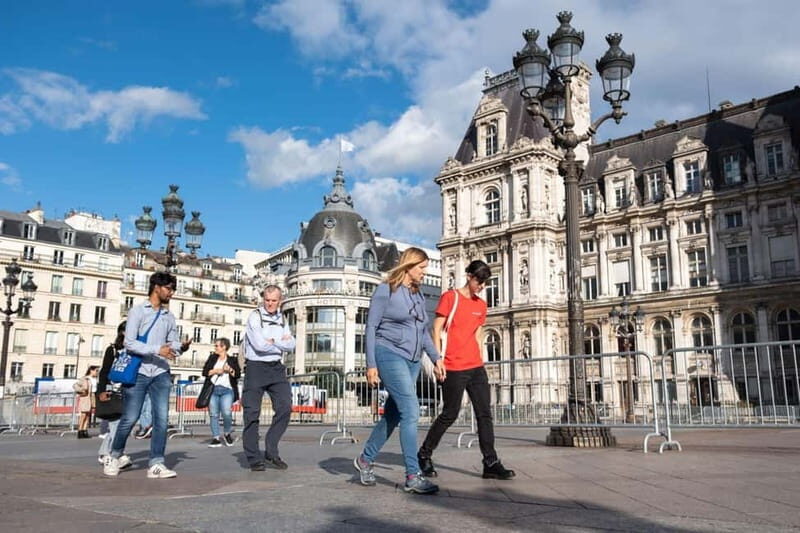
The Marais is one of those parts of Paris where you notice layers fast. You’ll walk from older, stone-heavy streets into areas influenced by modern culture, art, and community life. That mix is the point of this tour.
You’re not only seeing famous sights. You’re also learning how different communities shaped the Marais’ character over time, including the Jewish community around Rue des Rosiers and the LGBTQIA+ community that helped make the neighborhood what it is today. The result feels like a guided walk through identity, not a museum label slapped onto buildings.
You can also read our reviews of more historical tours in Paris



Meeting near Pompidou and getting your bearings fast
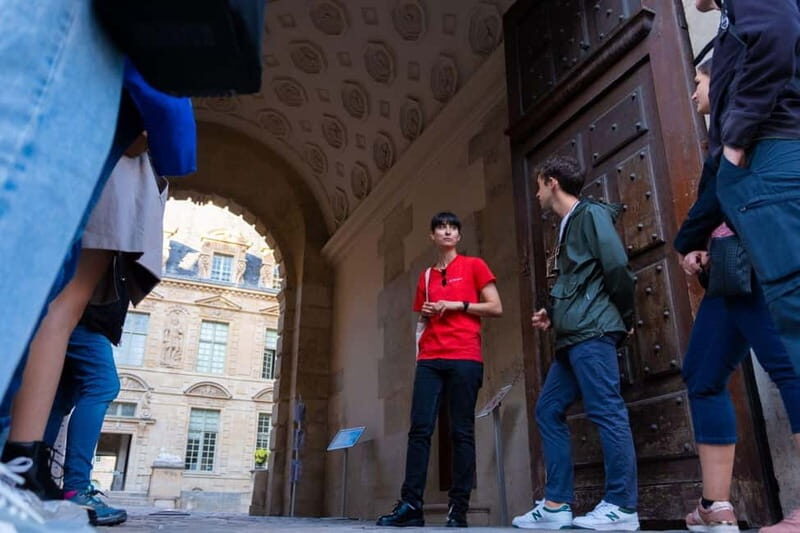
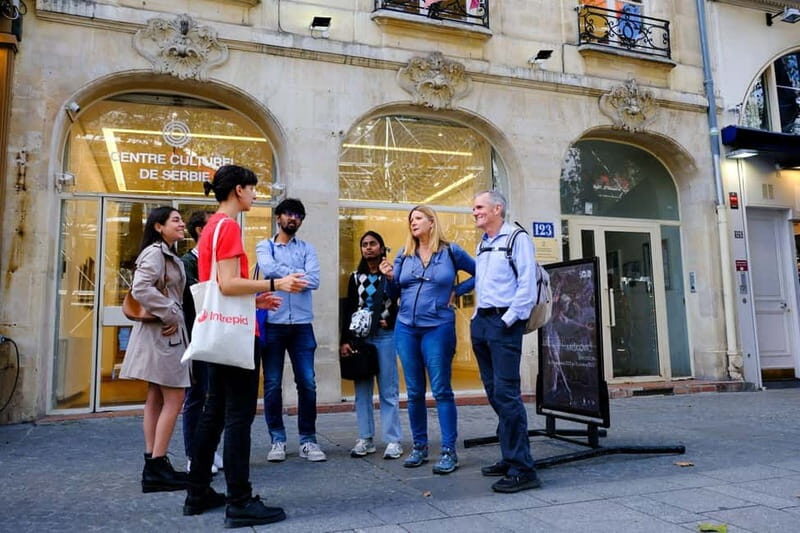
You’ll start near Pompidou, by the Centre Culturel de Serbie area, with your guide holding a sign for the local partner. The route is designed so you begin with a sense of place: you’re close enough to landmarks to orient quickly, but you’ll still spend time in the quieter residential streets that people miss.
This matters on a first day in Paris, because it helps you “map” what you’re seeing. You get the famous sights, sure, but you also learn what to look for next time you wander on your own—street art spots, old architectural details, and which streets feel more medieval versus more modern.
Practical note: bring comfortable shoes and an umbrella. Even in pleasant weather, Paris sidewalks and sudden showers can change your day.
From Centre Pompidou to Hotel de Ville: art, quirks, and Paris at street speed
Early on, you pass the Centre Pompidou area for a short guided moment (about 10 minutes). This isn’t about treating Pompidou like a full museum visit. It’s more like a cultural warm-up that sets up what the Marais does well: mix the old with the new without apologizing for either.
After that, the tour shifts toward Le Marais and the Hotel de Ville area. You’ll see the Stravinsky Fountain, plus street art and other visual cues that signal how creative the neighborhood can be. Then you’ll move into the core Marais sections where you start noticing medieval details—things like the quirky forms of older buildings that pop out once someone points them out.
One of the best aspects here is pacing. The stops are short, so you’re not trapped in long lectures while your feet beg for a break.
Saint Gervais church: where architecture tells a story
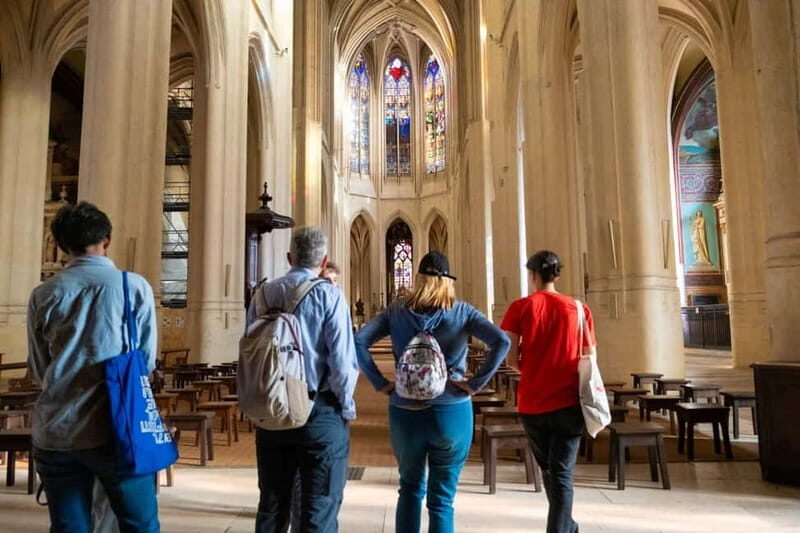
Saint Gervais church is a major highlight on this route, with time set aside for sightseeing (around 15 minutes). The guide focus turns this into more than a quick photo stop. You’ll learn about the church’s legacy and why it matters in the neighborhood’s timeline.
This is where the walking tour approach really clicks. Instead of reading about architecture in isolation, you experience it in context—surrounded by the kinds of streets and buildings that helped make the Marais recognizable in the first place.
If you like to understand what you’re looking at, this stop is a strong payoff. It’s visually striking, but the bigger win is learning what its presence meant, and what followed around it.
Merveilleux time: a sweet break that fits the route
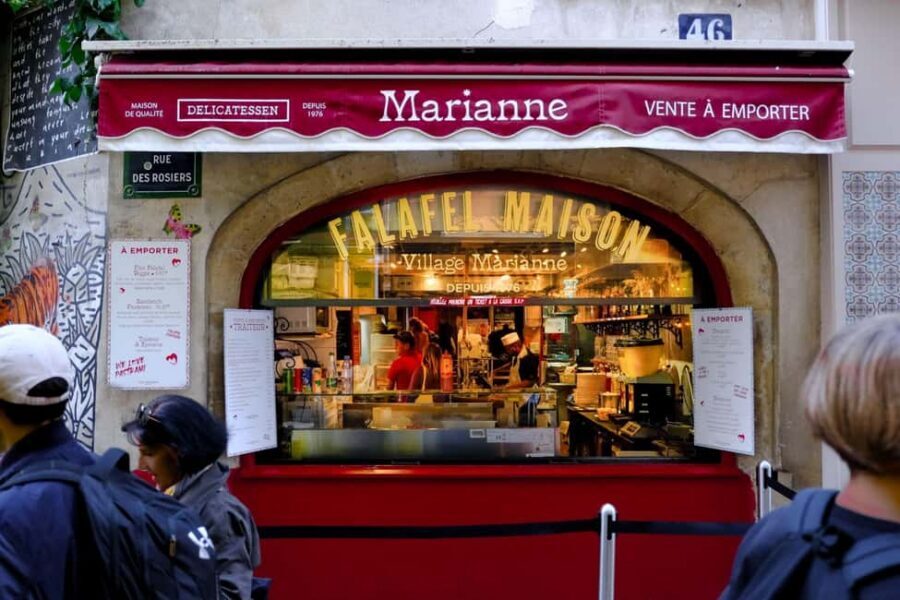
A walking tour lives or dies by its breaks, and this one builds in a stop for a merveilleux—a meringue-style pastry (listed as included). It’s a classic Paris treat and a practical reset point: you eat, catch your breath, and keep your energy for the next stretch.
Because the pastry is included, you’re not constantly making decisions about what to buy. Drinks and extra food aren’t included, though, so if you want coffee, tea, or something savory, you’ll handle that on your own.
For food lovers, this stop is also a cultural mini-lesson. It gives you a taste of Paris street-level sweetness without turning the tour into an all-day eating event.






Rue des Rosiers: Jewish Quarter context without rushing it
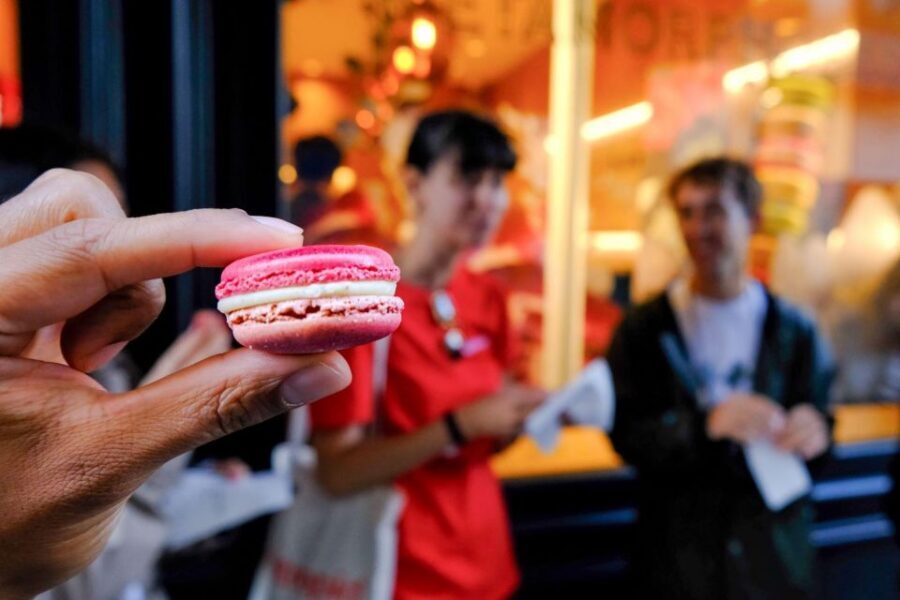
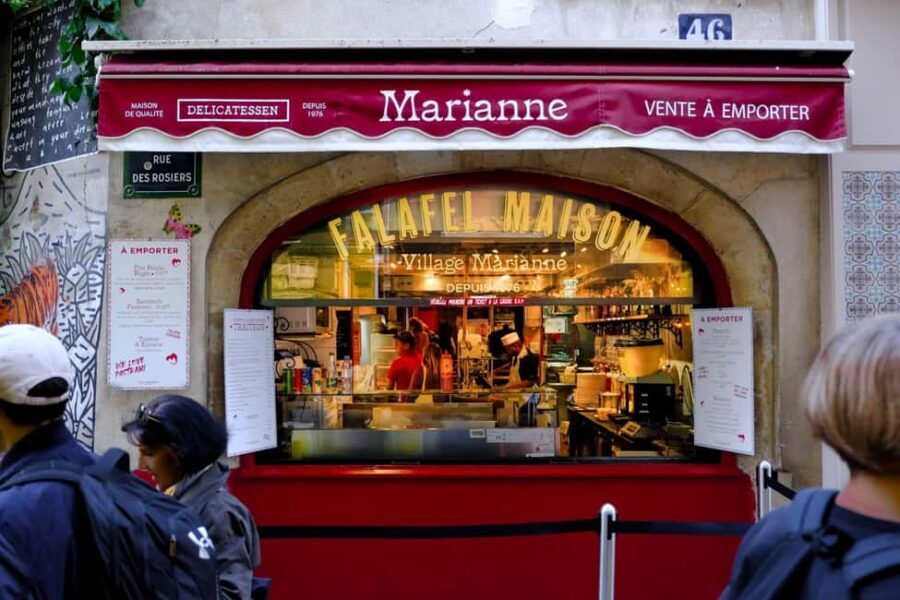
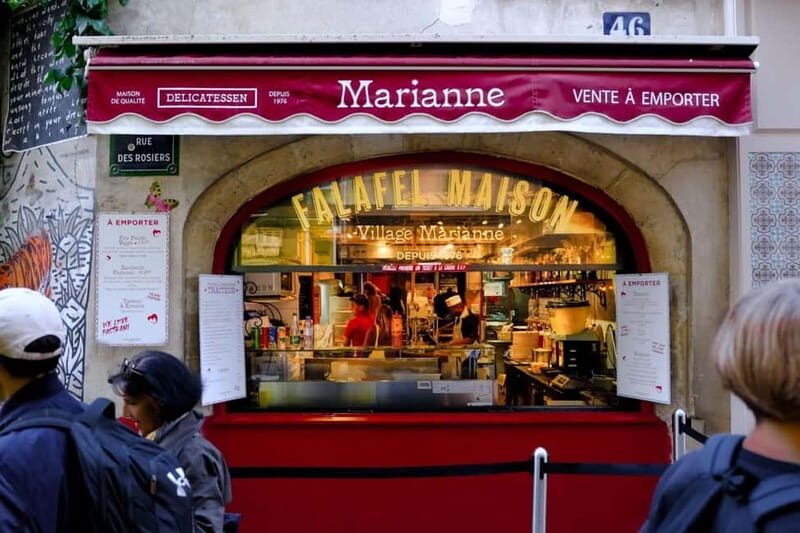
Next comes Rue des Rosiers, the heart of Paris’ Jewish Quarter, with time for sightseeing (about 15 minutes). This street is famous for its food scene, but the value here is the framing: you learn about the Jewish community’s influence while you walk through the area.
You’ll also get a sense of how culture shows up in everyday life. Rue des Rosiers is the kind of place where a casual stroll feels like part of the meal—bakery aromas, shop windows, and the busy rhythm that makes it more than a tourist corridor.
This is also a good place to think about travel habits. If you’re exploring the Marais, go in with curiosity and respect. The guide’s job is to connect the dots, so you can enjoy what’s in front of you without treating it like a theme park.
How the LGBTQIA+ identity shows up in the neighborhood
One of the tour’s selling points is how it connects the LGBTQIA+ community with the Marais’ identity. You’ll hear about how the neighborhood became a place where this community could thrive, and how that shaped what you see today.
This isn’t just history as trivia. The point is to help you interpret the street-level signs of community—what feels different from other parts of Paris, why certain areas feel more welcoming, and how cultural history can leave a physical mark.
If you want to understand Paris as a living city rather than a frozen set of landmarks, this part helps you do that.
Place des Vosges: the classic square you’ll want to linger in
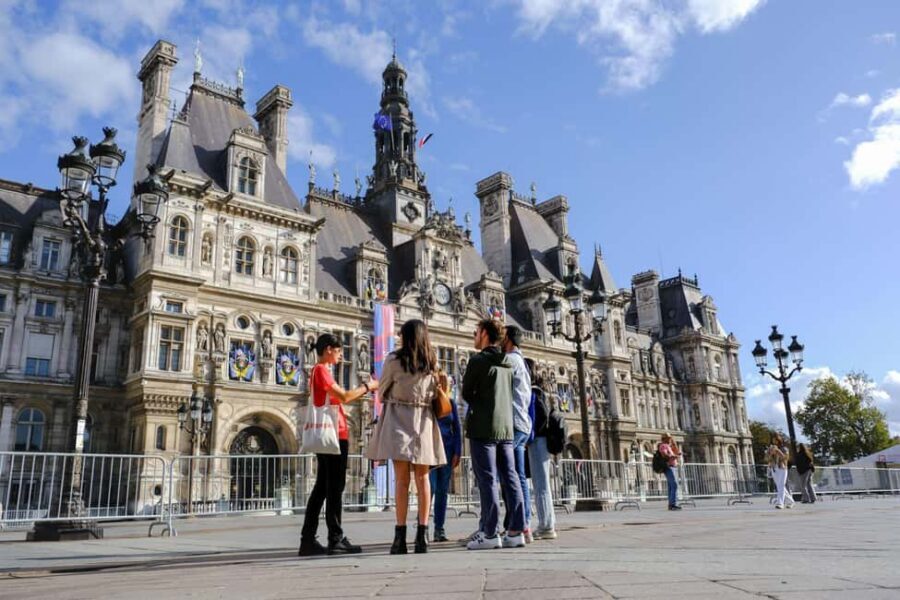
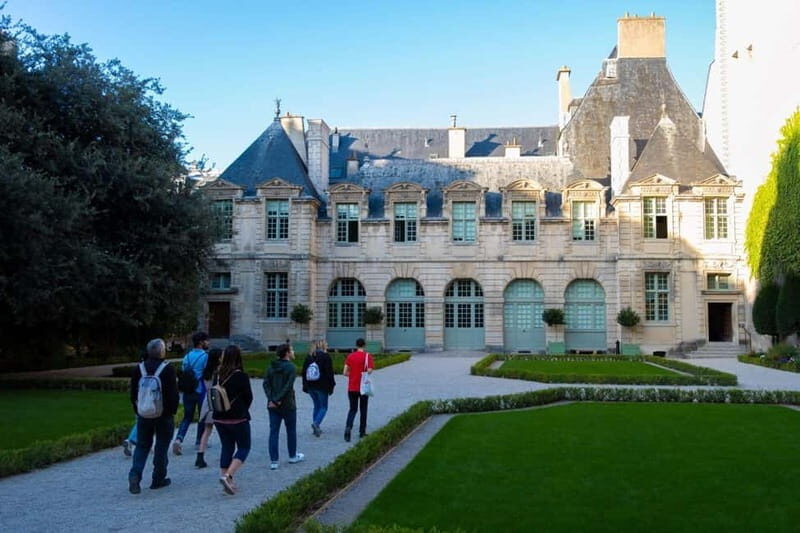
Place des Vosges is one of the tour’s endpoint zones for sightseeing, including time there (about 15 minutes). It’s an iconic square for a reason, and the tour includes Victor Hugo as part of the storytelling.
Even if you’re not a hardcore literature fan, the square gives you a chance to slow down. It’s a clean, open space after tighter streets, and it helps you reset your eyes after a full stretch of architecture and neighborhood detail.
This stop also gives you a useful travel skill. When you know where to pause—visually and mentally—you explore better later. You’ll be more likely to notice the small, charming stuff once you’re not scanning every corner for information.
Place de la Bastille: Revolution-era context plus an easy next step
The tour then heads to Place de la Bastille for sightseeing (around 30 minutes). This is where French Revolution history enters the walk in a big way. The space is well known, but the difference with a guide is that you’re not just seeing a monument—you’re understanding why that location matters.
Then comes the practical upside: it’s a straightforward area to grab a drink after the tour. Drinks and extra food aren’t included, but the tour ends with you in a position where it’s easy to keep going on your own.
Group size, guide style, and what you should expect from the pace
This is a small-group or private tour with a maximum of 12 people. That matters more than it sounds. In the Marais, streets narrow, corners surprise you, and photos aren’t always quick. A smaller group helps you move smoothly without feeling like you’re sprinting to keep up.
Based on the strong feedback about guides like Maxi, Paloma, Camila, Cecelia, and Laure, the common thread is pacing and clarity—guides who don’t just recite facts. They help you see patterns, like medieval building details and street-art clues you’d otherwise walk right past.
You’re also looking at about two hours total, covering roughly 2 km. That’s a moderate distance, but it adds up. If your legs tire easily, make sure you plan the rest of the day thoughtfully, not with back-to-back museum marathons.
Price and value: what $56 buys on this route
At $56 per person for a 2-hour tour, you’re paying for a guided route that hits both major landmarks and neighborhood-specific culture. You also get an English-speaking local guide plus a pastry (the merveilleux). That included pastry is more than a snack; it’s a timed break built into a schedule that otherwise stays walking-focused.
To judge value, look at what you would otherwise spend time figuring out. Without a guide, it’s easy to rush the Marais as scenery. With this format, you get structure: where to go, what to notice, and how to connect Rue des Rosiers, Saint Gervais, and the squares to broader themes like community identity and city evolution.
If you’re the type who likes learning while you walk, the price feels reasonable for how much ground you cover and how many “why it matters” moments you get.
Who this tour suits best (and who may want a different plan)
This tour is a great match if you:
- want a fast, organized way to orient yourself in the Marais
- care about culture and community stories, not just buildings
- enjoy food stops during a walking day, without turning it into a full food crawl
It’s also child-friendly, and it’s suitable for vegetarians. One caution: it’s not listed as lactose-free, gluten-free, or vegan due to the pastry.
If you’re extremely sensitive to walking distance, note the 2 km on foot. It’s not a long hike, but it is continuous enough that you’ll want good shoes.
A low-impact way to see the city
This tour is described as carbon neutral and operated by a B Corp-certified company using travel as a force for good. That won’t change what you see on the street, but it’s a meaningful signal if you like booking experiences that try to reduce their impact and meet higher standards.
Should you book this Marais tour?
If you want to understand the Marais beyond surface sightseeing, I’d book it. The combination of Saint Gervais, Rue des Rosiers, Place des Vosges, and Place de la Bastille is strong, and the route is built so you’re learning as you walk, not stopping every five minutes.
I’d especially choose it if you enjoy guides who help you notice details—street art, medieval architecture cues, and neighborhood culture—while keeping the pace friendly. With a small group (max 12) and a built-in pastry break, it’s a practical way to spend two hours in one of Paris’ most character-heavy districts.
If your dietary needs are strict, double-check the pastry situation since the tour is not listed as lactose-free, gluten-free, or vegan. Aside from that, it’s an efficient, story-driven Marais intro that sets you up to explore the neighborhood with better eyes afterward.
FAQ
How long is the tour?
The tour lasts about 2 hours.
Where do I meet the guide?
Meet opposite the Pompidou Center by the Centre Culturel de Serbie. The guide will be holding a sign with the local partner’s name on it.
What’s the walking distance?
The tour covers about 2 km (1.2 mile).
What’s included in the price?
Included are an English-speaking local guide, the walking tour, and a pastry.
Is the tour suitable for vegetarians?
Yes. The tour is suitable for vegetarians.
What dietary restrictions should I know about?
The tour is not lactose free, gluten free, or vegan.
Are drinks included?
No. Drinks and additional food are not included.
Where does the tour end?
It finishes at Place des Vosges. The activity also lists the end as back at the meeting point.