REVIEW · REIMS
Let’s take a walk in the vineyards
Book on Viator →Operated by Champagne Christian Muller · Bookable on Viator
This tour turns Champagne from a bottle into a whole system of work, soil, and timing. You’ll move through the vines while your guide explains terroir and how the vines change through the seasons. I also like that it ends with a guided tasting that puts the lessons right into your glass, not just your notes.
The highlight for me is the hands-on storytelling: from pruning to harvest, you get the why behind the craft, and the tasting includes two champagnes plus champagne ratafia. One possible drawback is that the tasting setup can feel a bit worn, so if you’re picky about comfort, plan to focus on the wine and the explanations.
Small group size matters here. With a maximum of 20 people, you’re not stuck shouting over a crowd, and you can actually ask questions. If you’re lucky, you might be welcomed by a guide like Lydie or Justine, based on past guests’ experiences.
In This Review
- Key highlights
- From pruning to harvest: what this walk really teaches
- Starting point in Mailly-Champagne: how to get ready
- The vineyard walk: how terroir becomes something you can taste
- Seasonal work in the vines: the real reason Champagne tastes balanced
- Linking vineyard technique to Champagne making: what happens after the grapes
- Meet the taste: what’s in the champagne tasting
- The guide factor: why the small-group vibe matters
- Price and value in Champagne: what $28.66 buys you
- Who should book this vineyard walk (and who might not)
- Should you book this tour or skip it?
- FAQ
- How long is the Champagne vineyard walk tour?
- What does the tour cost?
- What’s included in the tasting?
- Where does the tour start?
- How big is the group?
- What happens if the weather is bad?
Key highlights
- Grand Cru terroir lessons: soil, plot care, and why specific parcels matter
- Seasonal vineyard work: pruning to harvest, explained in plain terms
- 2 champagnes plus ratafia: tasting that matches what you just learned
- Question-friendly pacing: smaller groups make it easier to talk with your guide
- Great value for an hour and a half: structured tour + multiple tastings
From pruning to harvest: what this walk really teaches
Champagne can feel like magic until someone explains the mechanics. This experience is designed to do exactly that, starting with what happens in the vineyard long before a cork ever gets pulled. You’ll learn how vines are managed over time, why growers make specific decisions, and how those choices influence the character you end up tasting.
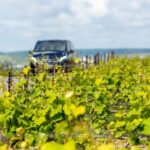
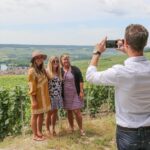
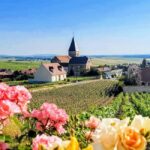
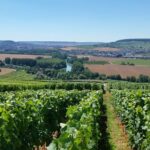
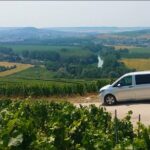
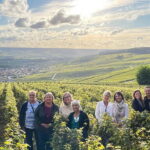
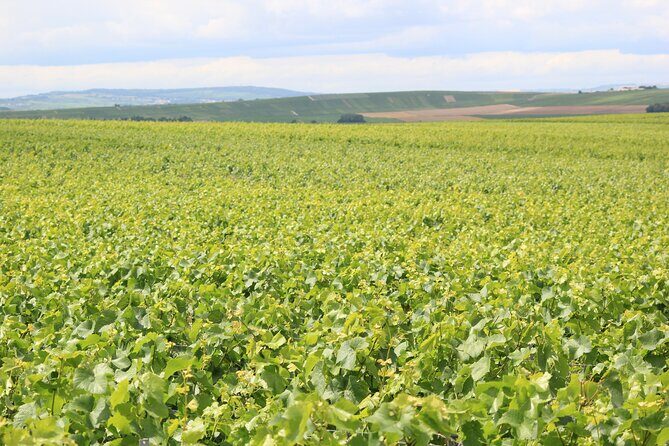
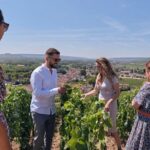
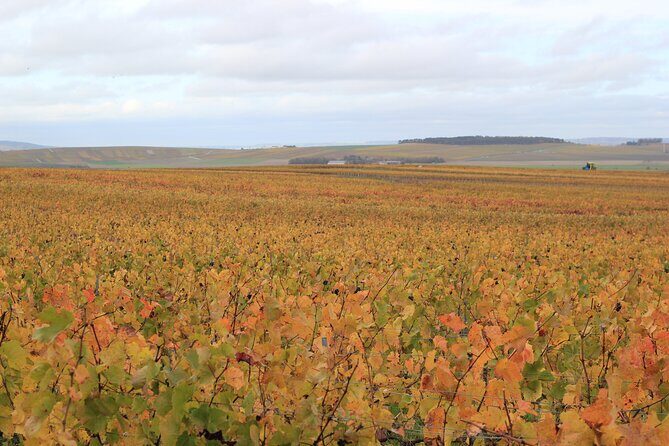
The setting is around Reims, specifically at Mailly-Champagne where Champagne Christian Muller works its parcels. The walking portion is the core of the experience: you’re not sitting in a room waiting for a slideshow. You’re learning while you’re surrounded by the actual landscape the grapes come from, with a guide pointing out how vines evolve as the year moves forward.
I like that the tour connects three layers instead of treating them separately:
- vineyard work (what’s done in the field)
- winemaking techniques (how grapes become wine)
- Champagne house context (why this region does things the way it does)
That connection is the difference between a fun drink-and-photos tour and one that leaves you smarter without feeling like homework.
You can also read our reviews of more walking tours in Reims


Starting point in Mailly-Champagne: how to get ready
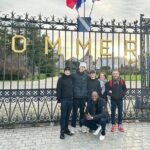
You’ll meet at 35 Rue de la Libération, 51500 Mailly-Champagne. The whole tour runs about 1 hour 30 minutes, and it ends back at the meeting point, so you don’t have to plan a complicated schedule afterward.
Bring the basics for vineyard walking: comfortable shoes (the ground can be uneven), sun protection if the weather is clear, and a light layer if it’s cool. The tour is weather-dependent, and good weather is required. That matters because vines and vineyards are outdoors, and this type of walk doesn’t work the same way in bad conditions.
Also note the group size limit of 20. That’s a sweet spot: large enough that you’ll meet fellow guests, but small enough to keep the conversation going. In practice, when groups are tiny, you often get more personalized attention and faster answers to your questions, which is exactly the sort of moment people love about this tour.
The vineyard walk: how terroir becomes something you can taste
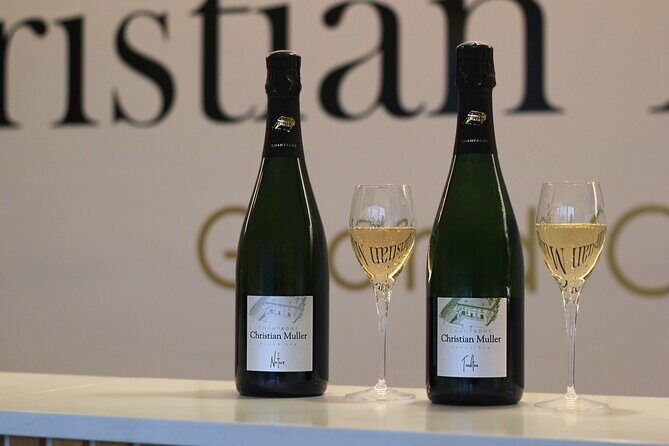
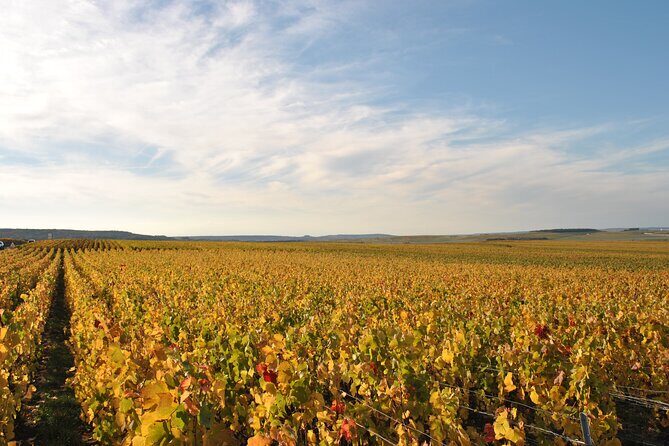
The tour focuses on Grand Cru terroir, which is not just a label. You’ll hear how the vines work, how they’re managed, and why different plots can produce different expressions even under the umbrella of the same region.
What I find useful here is that terroir gets explained as cause-and-effect. You don’t just hear the word. You hear how soil and plot choices show up later in the glass. Your guide talks about the vines’ evolution and how vineyard decisions shape what the grapes deliver.
You can expect explanations that cover:
- how vine management changes through the year
- why pruning and other seasonal work matter
- how growers think in terms of plots as treasures, not generic rows
This is also where your visit can get extra valuable if you love details. Guides tend to be serious about their craft, and past guests have praised how competent and passionate the guides are, especially around explaining what’s happening in the vines in a way that’s actually understandable.
Seasonal work in the vines: the real reason Champagne tastes balanced
One of the best parts of this tour is the emphasis on seasons. Champagne isn’t a single moment. It’s a chain of vineyard decisions that build toward the final style.
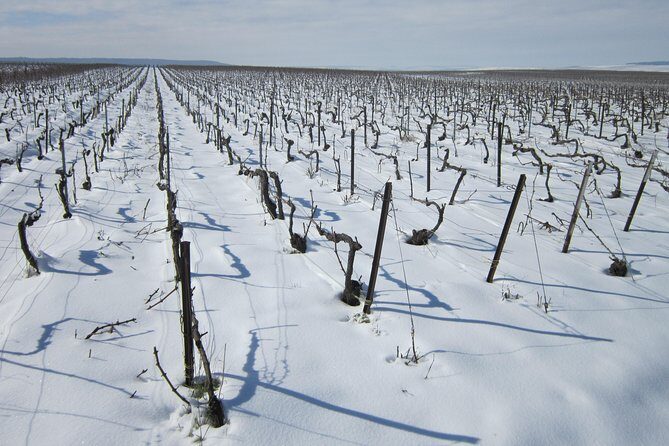
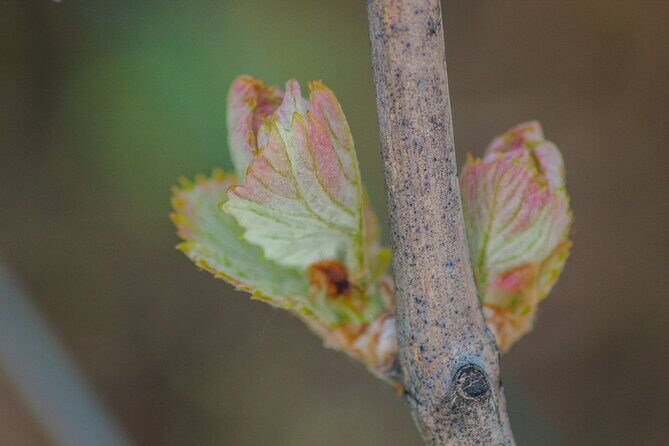
As you walk, you’ll learn how working in the vineyards changes over time. That includes concepts around pruning and readiness for harvest, and how vines respond to the conditions they’re given. Even if you don’t know anything about viticulture, this structure makes it easier to follow what you’re being told.
And here’s the practical payoff: once you understand that the vines are actively managed for rhythm and balance, you’ll start tasting Champagne differently. You’ll look for the result of all that work: freshness, structure, and clarity rather than only bubbles and sweetness.
This is also why the tour doesn’t feel like a lecture. It’s a walk plus guided context. You can see what your guide is talking about, even when terms like terroir or pruning sound abstract at first.
Linking vineyard technique to Champagne making: what happens after the grapes
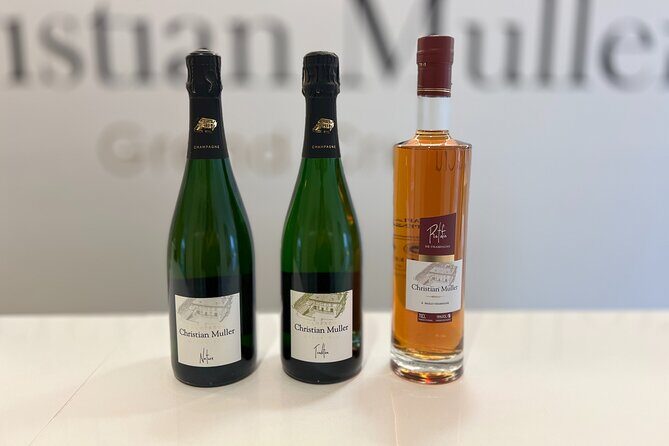
A good wine tour answers one question: what happens next after the vineyard? This one does that. You’ll get explanations of the winemaking techniques that connect what’s happening in the vines to the finished Champagne.
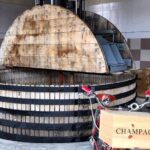
You’ll also hear about the art of Champagne making and the history of the house. The historical context matters because Champagne houses often develop traditions that reflect the reality of the land, the grapes, and the craft. But the tone stays practical. The goal is for you to become a kind of ambassador of Champagne—someone who can explain the basics without sounding like you’re reading a brochure.
If you enjoy learning how products are made, this is the section that keeps your mind engaged. The tour is short, so it doesn’t bury you in jargon. Instead, it gives you the story behind the process, which is exactly what you want in 1 hour 30 minutes.


Meet the taste: what’s in the champagne tasting
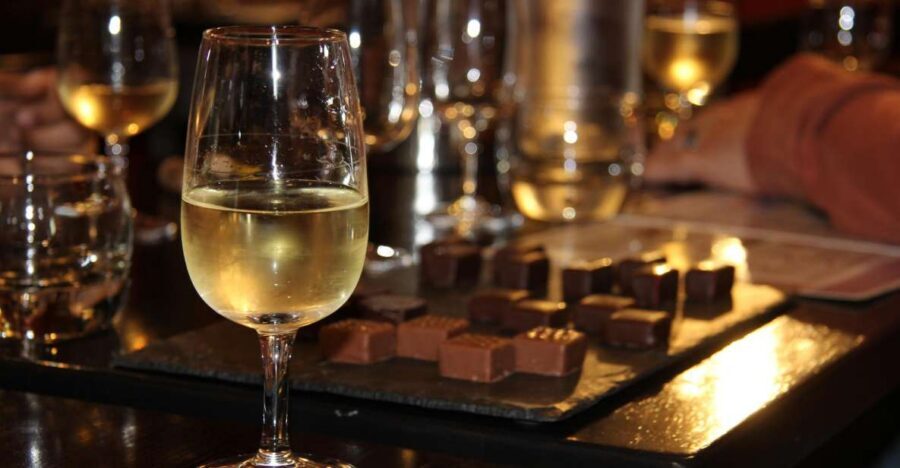
The tour finishes with a tasting of:
- 2 champagnes
- champagne ratafia
That combination is worth paying attention to. Two champagnes let you compare styles (even if they’re from the same house world), while ratafia gives you a broader look at what can exist alongside the classic Champagne experience.
Because you’ve just walked through the vineyard and heard how grapes are grown and managed, the tasting becomes more than drinking. You get to put your new understanding into practice. You’ll likely find yourself noticing things you wouldn’t catch on a basic tasting:
- how freshness feels connected to vineyard choices
- how structure and balance show up as you pay attention to what the grapes were asked to do
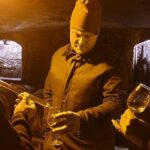
One small caution from a past guest: the tasting piece in the tasting area can look a bit tired and less inviting. It’s not likely to ruin the experience if you’re focused on learning and wine, but it’s worth knowing if you care a lot about the comfort of the space.
The guide factor: why the small-group vibe matters
A lot of wine tours promise information. This one seems to deliver because the guiding style is interactive. People specifically praised guides for being knowledgeable and passionate, and for offering practical advice beyond the vineyards.
One guest even noted that the guide gave recommendations for their trip and suggested other visit ideas. That’s a real-world advantage: you can use this tour as your starting point for shaping the rest of your Champagne days. If you have questions like what area to prioritize next, or what kind of stops fit your taste, this is a good time to ask.
Also, the responses from staff in guest feedback show a friendly, welcoming tone. That’s not just good manners—it helps people relax, which makes the explanations easier to follow.
Price and value in Champagne: what $28.66 buys you
At $28.66 per person, this is a solid value for a structured guided walk plus a tasting. You’re paying for:
- a guided tour through vineyard parcels
- included tastings of two champagnes and ratafia
- time with a guide who explains both vineyard work and how Champagne is made
Champagne tastings can add up fast, and vineyard tours with guided explanations often cost more, especially when they include multiple pours. Here, your money is used for a full experience that goes beyond just a few sips.
The best way to think about the price is this: you’re not only buying wine. You’re buying context. That context helps you choose bottles later with more confidence, and it makes the region feel less random.
One note: purchases of cuvées are possible, but they come at extra charge. That’s standard, but it’s good to remember so you’re not surprised when you get to the end.
Who should book this vineyard walk (and who might not)
This is a great fit if you:
- want a guided, structured way to learn about Champagne production
- love vineyards and want to connect terroir to what you’ll taste
- appreciate a smaller group experience where you can ask questions
- want a morning or afternoon activity that doesn’t steal your whole day
You might want to think twice if:
- you’re only interested in a casual sip-and-photo stop (this tour teaches you stuff)
- you’re very sensitive to the look and comfort of the tasting area (one review flagged it as a bit defaced or unwelcoming)
If you’re traveling with someone who wants different kinds of things—one loves history and wine, the other likes nature and walking—this tour is one of those rare overlaps. You get both without the schedule getting heavy.
Should you book this tour or skip it?
Book it if you want Champagne to make sense. The combination of a vineyard walk, seasonal vineyard work explanations, and a tasting of two champagnes plus ratafia is a strong package for the time and money. The small-group cap also makes it feel less like a production line and more like a real conversation.
Skip it only if you already know you want a purely relaxed tasting with no learning component, or if the condition of the tasting space would bother you more than the wine itself. Otherwise, this is the kind of experience that gives you stories you can use later—at dinner, in the bottle shop, or when you’re planning your next Champagne stop.
FAQ
How long is the Champagne vineyard walk tour?
It lasts about 1 hour 30 minutes.
What does the tour cost?
The price is $28.66 per person.
What’s included in the tasting?
You’ll taste 2 champagnes plus champagne ratafia.
Where does the tour start?
The meeting point is 35 Rue de la Libération, 51500 Mailly-Champagne, France.
How big is the group?
The tour has a maximum of 20 travelers.
What happens if the weather is bad?
This experience requires good weather. If it’s canceled due to poor weather, you’ll be offered a different date or a full refund.