REVIEW · REIMS
Discover Champagne in half a day in a Van
Book on Viator →Operated by ABC Champagne Tour · Bookable on Viator
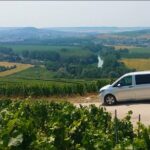
Four hours, and Champagne makes sense fast. This half-day van route strings together the Avenue de Champagne in Epernay and the cradle villages where the region’s style was shaped. You get a guided flow from viewpoints to cellars without needing a car.
I love the eight-person group size, because questions actually get answered and the day feels personal instead of rushed.
I also like how the focus stays on independent winemakers, not just the big brand name neighborhoods. You’ll finish each producer visit with three commented tastings, plus practical tips for matching Champagne with food.
One thing to consider: the schedule is tight, so you move between stops fairly often, and this format leans toward small producers more than formal big-house tours.
In This Review
- Key highlights worth planning for
- A half-day Champagne van route that actually fits your afternoon
- Epernay’s Avenue de Champagne: why the famous street matters
- Abbaye Saint-Pierre d’Hautvillers: the Dom Pérignon connection you can taste later
- Cumières independent winemaker stop: cellar access plus your first tasting set
- Ay-Champagne: second family cellar, second tasting moment, stronger pattern recognition
- Hautvillers viewpoints and UNESCO-classified vineyards: making the geography stick
- How Angélique makes the day work: stories, humor, and smart pairing talk
- Price and value: what this costs, and what you’re really buying
- Who should book this Champagne by van, and who might prefer something else
- Should you book this Champagne in half a day tour?
- FAQ
- How long is the Champagne van tour?
- What time does the tour start?
- What language is the tour offered in?
- What is the maximum group size?
- Are alcoholic beverages included?
- What’s included versus not included?
- Can I get a full refund if I cancel soon enough?
Key highlights worth planning for
- Avenue de Champagne views in Epernay with the famous cellars and bottle volume in context
- Abbaye Saint-Pierre d’Hautvillers and the Dom Pérignon story behind blending ideas
- Independent winemaker visits in Cumières and Ay-Champagne, each built around cellar access
- Two tasting moments with guided pours and food-pairing guidance
- Hautvillers viewpoints and UNESCO-classified vineyards to connect grapes to geography
A half-day Champagne van route that actually fits your afternoon
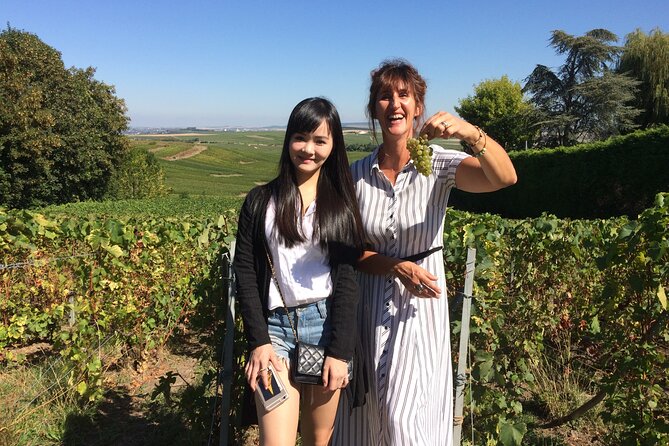
This is the kind of outing that respects your time. You meet at 1:30 pm, ride in an air-conditioned van, and spend the day on a compact loop around Reims and Epernay’s most relevant wine zones. With a maximum of 8 people, you’re not stuck waiting for someone to catch up—or for the group to vote on what to ask.
The pace is quick, but it’s not chaotic. The plan is built to give you the story in the right order: where Champagne comes from (Hautvillers and the Abbey), how it’s made well (independent growers and cellars), and why the vineyards matter (viewpoints and UNESCO-classified vines). If you want a simple, efficient way to start understanding Champagne, this tour does that.
You can also read our reviews of more tours and experiences in Reims.
Epernay’s Avenue de Champagne: why the famous street matters
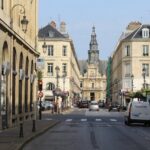
You start by heading to the Avenue de Champagne in Epernay, the historic heart of the region’s big names. This is where estates like Moët et Chandon, Perrier-Jouët, Pol Roger, and De Venoge helped turn Champagne into a global symbol. Even if you don’t spend hours inside their visitor centers, you still get the context by seeing the scale of the area.
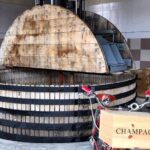
The tour’s route also sets up an important detail: the region has an enormous subterranean footprint—about 110 km of cellars and around 200 million bottles under the cobblestones. That figure isn’t just trivia. It explains why Champagne culture feels different from other wine regions: aging happens underground, and the place you’re standing is literally tied to those stores of time.
Abbaye Saint-Pierre d’Hautvillers: the Dom Pérignon connection you can taste later
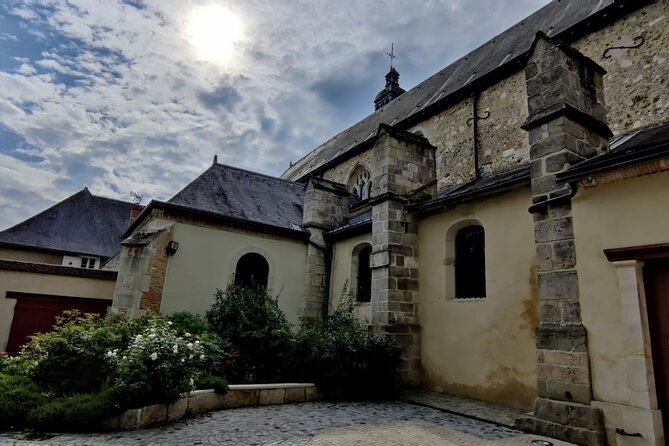
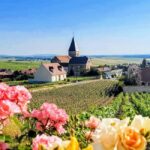
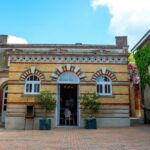
Stop 1 is Abbaye Saint-Pierre d’Hautvillers, with about 30 minutes there and free admission. The abbey sits in a hillside position, and the views help you understand why this area matters—Montagne de Reims, the Marne Valley, and the Côte des Blancs all fall into the bigger picture.
Here’s the story you’ll hear and remember: Dom Pérignon was born in 1639 in St Menehould, and the monastery environment helped shape Champagne’s evolution. The tour focuses on his role in improving quality by encouraging the idea of blending different grape varieties and different vintages. That matters because once you hear it, you start tasting with the right question in mind: how does the blend create balance?
Even the physical setting supports the message. Behind the enclosed garden, the view falls over vineyards classified as grand cru and premier cru. You’re not just learning words—you’re seeing how vineyard classification connects to geography, and how that geography connects to flavor.
Cumières independent winemaker stop: cellar access plus your first tasting set
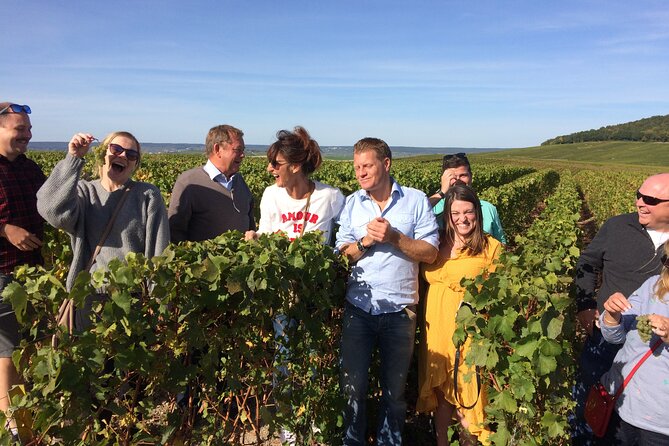
After Hautvillers, you head to Cumières for a visit to an independent winemaker. The time block is about 1 hour 15 minutes, and the itinerary notes free admission for the visit itself. This stop is less about postcard Champagne houses and more about the people who farm the land and decide the wine’s direction.
The tour frames independent growers as the backbone of the appellation: they’re described as owning 90% of the 34,000 hectares covered by Champagne. That’s a big deal, because it shifts your understanding. Champagne isn’t only about famous brand names and marketing. A huge portion of the quality equation starts with growers making choices in vineyards year after year.
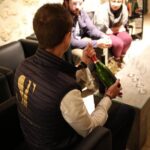
What you do on this stop is the practical part: you’ll meet the winemaker, tour the cellars, and hear about the family history that influences their style. The finale is the part that changes how you interpret everything you’ve seen so far: three commented tastings served in Champagne flutes, plus guidance for food and Champagne pairing. Your goal here isn’t to memorize a tasting wheel. It’s to learn how a guide connects flavor to method and region so your next drink is more than just good.
Ay-Champagne: second family cellar, second tasting moment, stronger pattern recognition
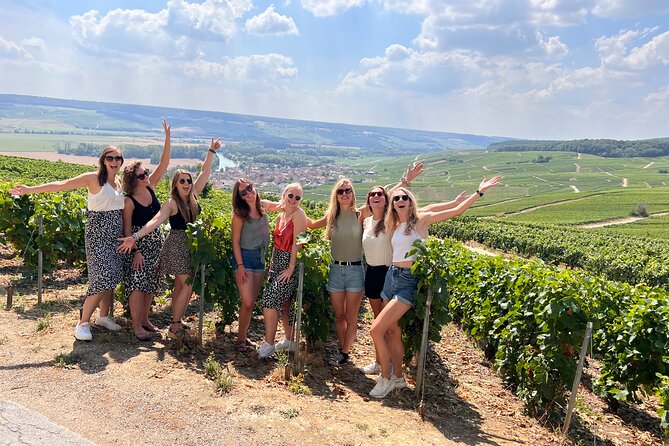
Stop 3 takes you to Ay-Champagne, another independent winemaker visit, also around 1 hour 15 minutes with free admission noted for the stop. If Cumières helps you start the Champagne story, Ay typically makes it click. You’ll see how the region can share a common identity while still expressing distinct family styles.
The tour again emphasizes the same structural truth: growers are the memory and the tradition of the land, described through centuries of family history. You’ll get cellars, stories, and the in-the-room explanations that don’t happen when you only buy a bottle and move on.
And yes, you’ll taste again. The day ends this segment with three more commented tastings and additional tips for food and Champagne pairings. Two separate producer stops do one very useful thing for you: they train your palate to notice patterns instead of relying on first impressions. If you’ve ever had one Champagne that tasted amazing and later struggled to explain why, this structure helps you build your own explanation.

Hautvillers viewpoints and UNESCO-classified vineyards: making the geography stick
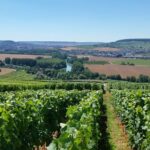
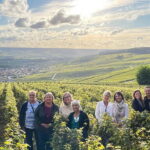
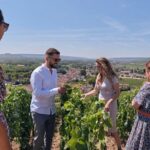
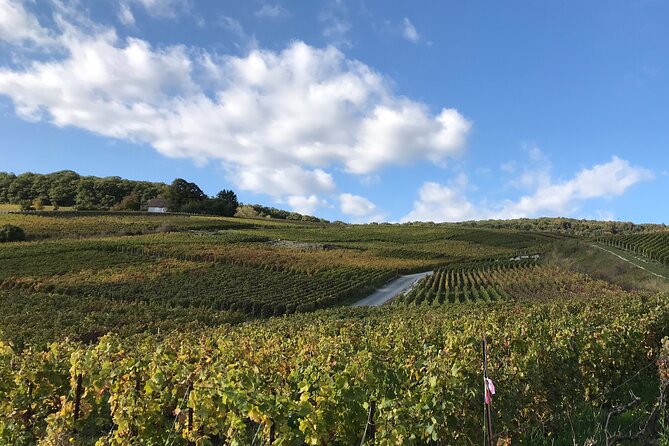
Stop 4 is shorter—about 20 minutes—but it’s worth treating like a mini-recap. You’ll visit a major viewpoint in Hautvillers and look toward the three wine-growing regions associated with Champagne. The tour also highlights that the grands crus and premier crus vineyards are classified as UNESCO heritage.
This is where you connect what you tasted to where it came from. After two tasting blocks, you’ll likely notice you pay more attention to slope and exposure even if you don’t know the technical terms. That’s the point of a viewpoint stop: it helps you place your memory of flavor onto real ground.
How Angélique makes the day work: stories, humor, and smart pairing talk
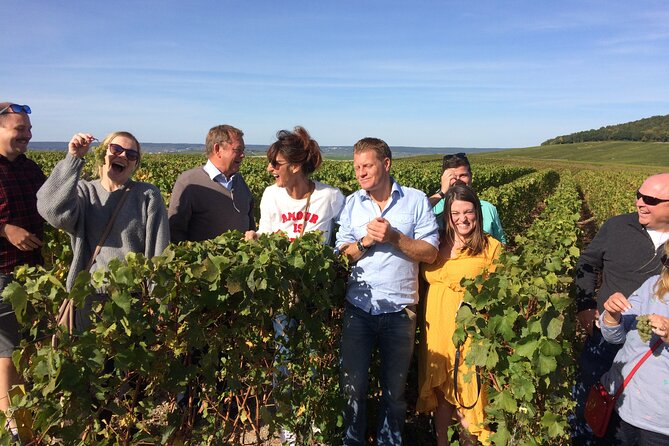
A big reason this tour earns consistent praise is the guide energy. The guiding style is described as local, with an approach that mixes history, humor, and Champagne industry anecdotes. Angélique is often mentioned as an Epernay native who knows how to explain the region in plain, fun English, including practical context you can carry into your next tastings.
There’s also a real family-friendly vibe in the way the tour is run. People describe the guide as making sure kids stay engaged, not just adults chasing pours. That matters if you’re traveling with children and you still want the experience to feel worth their time.
For pairing tips, the tour’s value is that it doesn’t treat food as an afterthought. You’ll get guidance during the producer visits, and that gives you a simple way to order better once you’re back in a restaurant. If you want to sound confident in a wine shop, ask the guide what they pair with what you liked. You’ll get a short answer you can use, not a lecture.
Practical tip: pace yourself. The tour includes alcoholic beverages and multiple tasting flights, so plan water breaks and take it slow at the viewpoints. Bottled water is included, which helps you stay fresh instead of guessing.
Price and value: what this costs, and what you’re really buying
The listed price shows $192,243.89 per person, which looks wildly out of line for a 4-hour shared van tour. Before you commit, double-check the total you’re seeing for your specific dates and group size, because the number you land on is what matters.
Now for the value logic you can use: you’re paying for access plus guidance. This isn’t only a “ride and look” experience. It includes an air-conditioned vehicle, a guided tour, bottled water, and alcoholic beverages, and the day is structured around producer visits with commented tastings. If you tried to recreate this yourself, you’d likely spend time coordinating visits and you’d still miss the explanation that ties it together.
The other value angle is group size. With a small cap of 8, you get more dialogue and less waiting. If you hate tours where you’re herded through stops, this format is built to avoid that.
Who should book this Champagne by van, and who might prefer something else
You should book if you want a fast, organized introduction to Champagne that mixes vineyards, cellars, and tasting guidance. It’s a strong fit if you’re based in the Reims area and you want a half-day plan that doesn’t require driving.
It’s also a good match for families who want something cultural that still has hands-on payoff. And if you like the idea of learning from independent winemakers, this itinerary gives you that emphasis twice.
You might choose another option if you mainly want large, marquee brand-house tours and long time inside those properties. This van format is designed for breadth and pacing, not for spending most of your day deep inside a single famous producer.
Should you book this Champagne in half a day tour?
If you want a compact Champagne education, I’d book it. The combination of Hautvillers origin context, two independent producer tastings, and UNESCO vineyard viewpoints gives you a strong mental map for your next bottle.
Just sanity-check the price shown for your booking. Then go in ready to ask questions, sip slowly, and use the pairing tips right away. In a few hours, you’ll leave with more than Champagne—you’ll leave with a way to taste and talk about it.
FAQ
How long is the Champagne van tour?
The duration is listed at about 4 hours.
What time does the tour start?
The start time is 1:30 pm.
What language is the tour offered in?
The tour is offered in English.
What is the maximum group size?
The maximum group size is 8 travelers.
Are alcoholic beverages included?
Yes. Alcoholic beverages are included as part of the experience.
What’s included versus not included?
Included: air-conditioned vehicle, alcoholic beverages, bottled water, and a guided tour. Not included: personal expenses and tips.
Can I get a full refund if I cancel soon enough?
Free cancellation is available up to 24 hours in advance for a full refund. If you cancel less than 24 hours before the start time, the amount paid is not refunded.