REVIEW · MONT ST MICHEL
Normandy Victory Museum admission ticket
Book on Viator →Operated by Normandy Victory Museum · Bookable on Viator
This museum hits harder than you expect. You spend about 1.5–2 hours walking through twenty life-size scenes that spotlight a lesser-known side of June 1944: the Battle of the Hedges in Normandy. Two big highlights I like: the sheer amount of original objects and military gear (10,000+ items), and the way the displays connect daily life to the fighting, not just dates and maps. One thing to keep in mind is that food and drinks aren’t included in your ticket, so plan a snack stop elsewhere if you get hungry.
The experience is also set up for real-world touring. You get an English-friendly visit and a mobile ticket, and the site keeps the group size capped at 100 travelers, which usually makes it easier to move at your pace. If you’re driving, I’d also give yourself extra time: access can be a bit awkward if you miss the right turnoff.
In This Review
- Key things to know before you go
- Normandy Victory Museum and the Battle of the Hedges: what you’ll actually see
- The practical visit plan: timing, ticket format, and how much time to give
- Entering the museum scenes: why the layout works (and when it doesn’t)
- Outdoor vehicles and interaction: the part that makes it feel real
- Inside details that matter: original artifacts, dioramas, and the learning curve
- Value and pricing: what $11.95 buys you, and how to get the best deal
- Who this museum suits best (and who might want a different stop)
- The best way to enjoy it: my practical tips before you arrive
- Should you book the Normandy Victory Museum ticket?
- FAQ
- How long does the Normandy Victory Museum visit take?
- What is included with the admission ticket?
- Are there free facilities like Wi‑Fi on site?
- What are the opening hours?
- Can I bring a dog or a service animal?
- Can I cancel for a full refund?
Key things to know before you go
- Battle of the Hedges focus: you’ll learn what happened after the main D-Day moments, right where the hedgerows mattered.
- 20 scenes + 10,000+ original items: lots of authentic material instead of generic storytelling.
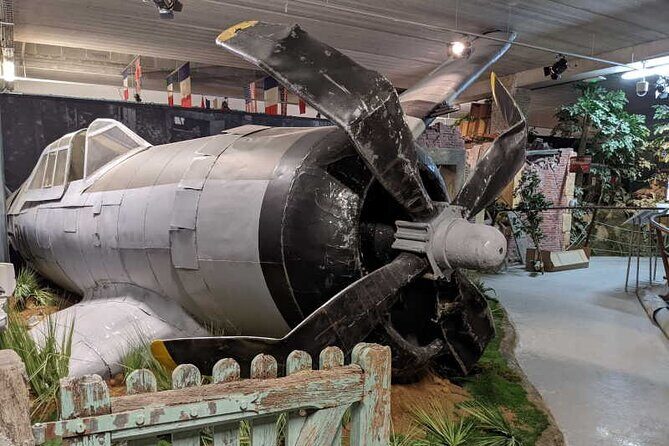
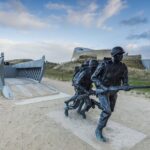
- Outdoor vehicles: you may see classic military machines including a Sherman and a Thunderbolt on display.
- Hands-on photo moments: parts of the experience let you sit in vehicles and be part of a tableau.
- English is available: built for visitors who want the story without a language barrier.
- Ticket includes admission only: no food/drinks, but free Wi‑Fi is available.
Normandy Victory Museum and the Battle of the Hedges: what you’ll actually see
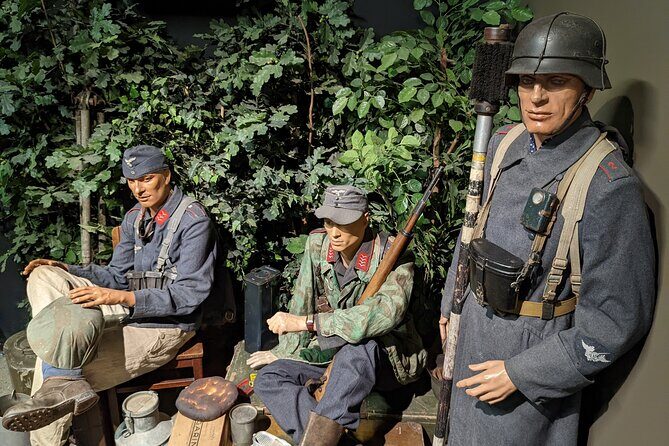
Most Normandy sites teach D-Day like a single headline. This one zooms in on what followed, and why it was so hard. The core theme is the Battle of the Hedges, fought in the countryside where narrow lanes and dense hedgerows turned movement into a problem and line-of-sight into a luxury.
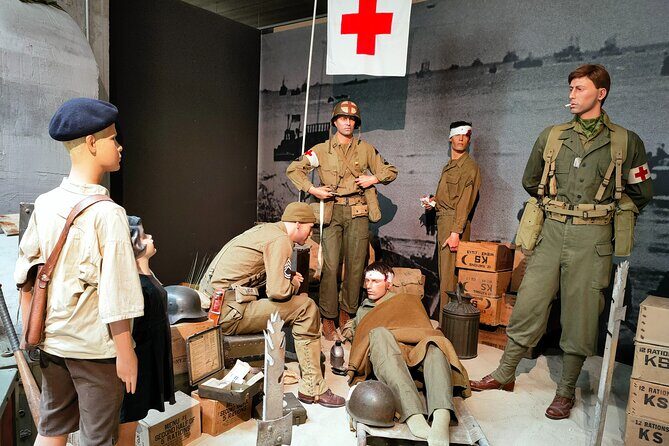
The museum’s format does a smart thing: it takes the chaos you read about elsewhere and makes it tangible. You’re not just seeing uniforms behind glass. You’re stepping through staged scenes that connect people, terrain, and military reality. That’s why it can feel emotional even if you normally skip WWII museums. The hedgerow setting isn’t treated like scenery—it’s treated like a weapon.
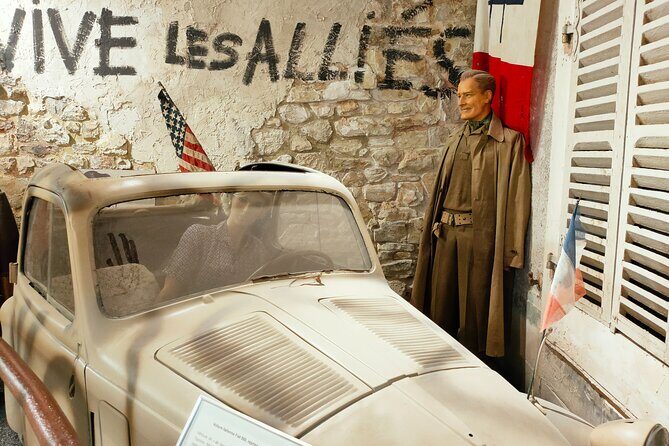
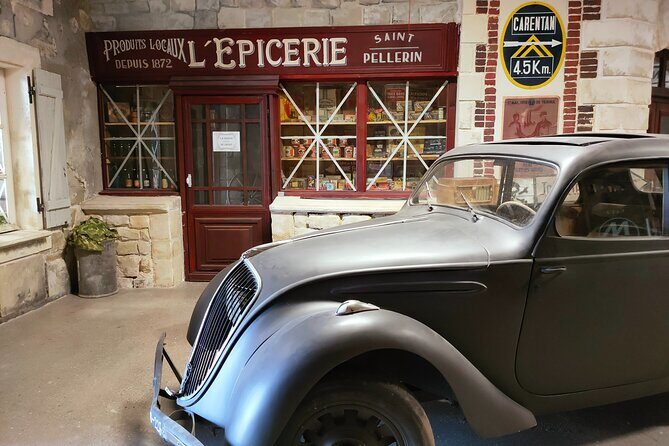
Inside, you’ll find an unusually large collection of original objects—over 10,000—plus old military vehicles. That matters because replica-heavy exhibits can start to feel flat fast. Here, the material is old. It carries weight. The result is that the story sticks with you longer than the usual one-hour museum loop.
You can also read our reviews of more tours and experiences in Mont St Michel



The practical visit plan: timing, ticket format, and how much time to give

Plan for about 1 hour 30 minutes to 2 hours. That’s long enough to read the key information panels, take in the staged scenes at a calm pace, and still stop for photos outside.
The museum uses a mobile ticket, which is convenient if you’re trying to keep your paper collection to a minimum. You’ll also receive confirmation at booking time, so there’s less scrambling once you arrive. And with a maximum of 100 travelers, you’re less likely to feel packed in—helpful for a museum where you’ll want to take your time.
You also want to time your visit around opening hours. The schedule changes by season:
- 02/14/2026 – 04/03/2026: 10:00 AM – 5:30 PM
- 04/04/2026 – 05/29/2026: 10:00 AM – 6:30 PM
- 05/30/2026 – 08/23/2026: 9:30 AM – 7:00 PM
If you’re touring during the summer window, I’d arrive earlier in the day if you can. More time means fewer rushed photos and better chances to absorb the outdoor displays without cutting your indoor time short.
Entering the museum scenes: why the layout works (and when it doesn’t)
The big strength is pacing. Instead of one long hallway of text, the museum breaks the story into twenty scenes—larger-than-life setups that help you understand what the environment did to people and tactics. You move from one moment to the next and get a sense of progression, including the aftermath days after D-Day when the land itself seemed to keep the war going.
I also like the way the museum balances the human scale and the military scale. You’ll see military equipment, but it’s not presented as a detached collection. It’s tied to the lived reality of 1944. That’s one reason people often leave saying they learned more than they expected.
One small snag you might run into is audio. Some rooms include sound from nearby scene effects, and if you’re trying to watch informational screens, the sound mix may not be perfect from every spot. It’s not a deal-breaker, but it’s worth knowing if you’re the type who likes to sit and watch details carefully.
Outdoor vehicles and interaction: the part that makes it feel real
WWII museums can sometimes feel like you’re reading a textbook under fluorescent lights. This place gives you a different path to the same lesson: the outdoor vehicles and interactive options.
On many visits, you’ll find military machines outside—people specifically note displays like a Sherman and a Thunderbolt. The grounds also have enough activity that you may catch reenactment-style energy at the right time of year. If your trip happens late July, you might be in the same window as commemorative events linked to Cobra 44, which can add extra life to the outdoor side of the visit.
The interaction is a practical teaching tool. When you can sit in a vehicle or step into a setup that recreates a tableau, your brain registers scale. It’s easier to picture what it felt like to be inside a machine meant for battle, not a museum prop. That hands-on element is a major reason the experience works for kids and teens—not because it turns history into a playground, but because it helps them connect the facts to physical reality.
You might even spot rarer equipment on display. Some visitors mention seeing a Luchs (a tracked armored vehicle), so if that’s your WWII obsession, go in with curiosity and keep your eyes open outdoors. Even if you miss it on your day, the overall vehicle lineup is still a strong payoff.
Inside details that matter: original artifacts, dioramas, and the learning curve
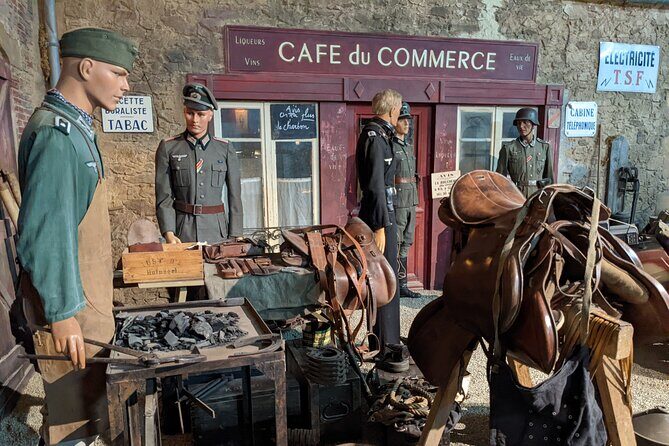
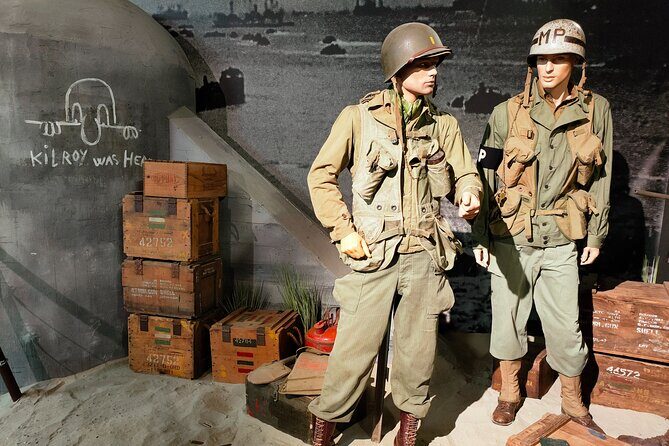
The museum leans on two things: authentic objects and strong visual storytelling. Over 10,000 original items isn’t just a number. It signals that you’re likely to encounter multiple layers of material—gear, equipment, and period items that give you a better sense of how war worked at ground level.
The dioramas and larger-than-life scenes are where the museum earns its reputation. The goal isn’t to create a movie set. It’s to help you “see” the hedgerow country and understand how it affected movement and fighting. In Normandy, hedgerows aren’t just borders. They shape what you can see, where you can shelter, and how quickly you can advance.
The museum also supports self-paced learning. You’ll be reading panels and taking in displays without needing to rely on a guide at every moment. That’s a big advantage if you travel with mixed ages, where adults want details and kids want quick hits of action.
If you’re an older-history buff, you’ll probably appreciate the amount of authentic material and the way the exhibits cover both civilian and military life elements. If you’re traveling with younger visitors, the scene-based layout tends to keep attention longer than pure text museums.




Value and pricing: what $11.95 buys you, and how to get the best deal
The listed adult price is $11.95 per person, and it includes admission. That’s the key value point: you’re paying for access to a museum with extensive displays rather than a short, guided add-on.
Then there are reduced rates. At the reception, you can get a reduced ticket (€7) for:
- PMR (as listed),
- students,
- teachers,
- military.
There’s also a straightforward youth/children structure:
- Children 0–6: free
- Youth 7–17: €7
These reduced prices matter because museums in WWII hot spots can be expensive. Here, the price structure makes it easier to bring a family without feeling like your budget is getting punished for caring about history.
One more small practical value: free Wi‑Fi. It’s helpful for mapping, messaging, or pulling up background context before you move on to your next Normandy stop.
What’s not included is simple: food and drinks. If you need a full meal, plan for it outside the ticket. You might find on-site options during your visit, but based on the information you have here, don’t treat food as part of what you paid for.
Who this museum suits best (and who might want a different stop)
This place is a strong match for several travel styles.
Families with kids: The outdoor vehicles, realistic scenes, and opportunities to interact (like sitting in vehicles) turn learning into something more active. Older children can also handle the reading and info panels without losing patience too fast.
WWII fans and “D-Day but not the usual” travelers: If you’ve already hit the big headlines and want a different angle on June 1944, the Battle of the Hedges focus gives you that missing piece.
Anyone who prefers low-stress touring: There’s no sign you need a guided pack to understand the story. You can move at your pace and spend longer where the scenes grab you.
Who might not love it? If you only want beach landscapes and sweeping strategic overviews, you might find this museum more about close-up ground reality than big-photo geography. It’s still history, but it’s history told through objects and scenes.
The best way to enjoy it: my practical tips before you arrive
A museum like this rewards a calm pace. Here’s how to get the most without turning it into a rushed checklist:
- Start indoors and let the twenty scenes set the story. When you go outside afterward, the vehicles make more sense.
- Give yourself time to read the key panels, but don’t try to read everything line by line. Pick what supports the hedgerow story.
- If you want photos and vehicle interaction, factor in a few extra minutes outdoors. It’s popular and you’ll want room to move.
If you’re driving, add buffer time. One visitor notes access can be tricky if you miss a turnoff, so a little extra patience pays off.
And if you’re traveling with mobility needs, the museum lists a reduced ticket for PMR at reception. It doesn’t specify details about routes or assistance, so if that matters for you, it’s worth confirming day-of—then you’ll feel confident.
Should you book the Normandy Victory Museum ticket?
I’d book this if your goal is meaningful WWII learning in a short, self-paced block of time. The value is strong for the price, and the standout elements are real: original artifacts, the Battle of the Hedges theme, and the outdoor vehicles that make the history physical.
You should reconsider only if you’re looking for something else entirely, like a full-day guided tour with included meals and transportation. This is an admission ticket for a museum experience, so you’ll get the best results if you’re comfortable building the rest of your day around it.
If you’re traveling around the Mont-St-Michel area and want a break from “just beaches,” this is a smart stop. It’s short enough to fit your schedule, and detailed enough to make June 1944 feel close to the ground.
FAQ
How long does the Normandy Victory Museum visit take?
Plan for about 1 hour 30 minutes to 2 hours.
What is included with the admission ticket?
Your admission ticket is included. Food and drinks are not included.
Are there free facilities like Wi‑Fi on site?
Yes. Free Wi‑Fi is available.
What are the opening hours?
The museum hours change by season:
- 02/14/2026 – 04/03/2026: 10:00 AM – 5:30 PM
- 04/04/2026 – 05/29/2026: 10:00 AM – 6:30 PM
- 05/30/2026 – 08/23/2026: 9:30 AM – 7:00 PM
It’s listed as open Monday–Sunday in each period.
Can I bring a dog or a service animal?
Yes. Service animals are allowed, and dogs are accepted.
Can I cancel for a full refund?
Yes. Free cancellation is available, and you can cancel up to 24 hours in advance for a full refund.