REVIEW · PARIS
Paris: Rodin Museum Skip-the-line Entry Ticket with Audio
Book on GetYourGuide →Operated by Wanderung · Bookable on GetYourGuide
Rodin Museum tickets can be surprisingly tricky, but worth it. This visit is interesting because you’re stepping into Hôtel Biron’s garden-and-mansion setting while still getting to the sculptures that made Rodin famous, including The Thinker and The Gates of Hell. The main drawback: the English audio guide is delivered as a phone app download, so if your phone won’t cooperate, you’ll lose some of the value of the experience.
What I like most is how the museum makes Rodin feel human—his ambition, his process, and his world—without forcing you into a rigid group tour pace. You’ll also get a huge visual payoff: the museum’s collection covers over 6,000 sculptures and related works, including pieces connected to Rodin’s muse and apprentice, Camille Claudel.
One more practical note before you go: this ticket is designed for a separate entrance for skip-the-line access, and the voucher you get after booking isn’t what the museum scans. Plan to have the actual PDF ticket and the audio link you received by email/WhatsApp ready, because that’s what keeps the day smooth.
In This Review
- Key things I’d plan around
- Rodin in Hôtel Biron: a museum that feels like a lived-in Paris address
- Getting in fast with the separate entrance (and avoiding the common ticket mistake)
- What to see first: The Thinker and The Gates of Hell without rushing yourself
- The 6,000+ works approach: how to make a self-guided visit feel focused
- The English digital audio guide: great when it works, frustrating when it doesn’t
- How long you actually need: a practical 3-hour plan inside
- Practical details that keep the visit easy
- Price and value: is $24 really a good deal?
- Should you book this Rodin Museum skip-the-line ticket?
- FAQ
- What does this ticket include?
- How long can I spend at the museum?
- What’s the main meeting point for the ticket?
- Is the audio guide available in English?
- Is flash photography allowed?
- What time is the museum open, and is it closed on any days?
- Do I need the booking voucher, or is something else required?
Key things I’d plan around

- Hôtel Biron + gardens: you get the sculpture museum experience plus a beautiful setting for breaks.
- Big-name hits are on your route: The Thinker and The Gates of Hell are core stops.
- Over 6,000 works: you can follow themes, not just a checklist.
- English digital audio guide: helps you connect techniques and stories to what you’re seeing.
- Your phone matters: if the audio app download fails, bring a backup mindset.
- Skip-the-line uses a separate entrance: don’t aim for the main queue.
Rodin in Hôtel Biron: a museum that feels like a lived-in Paris address
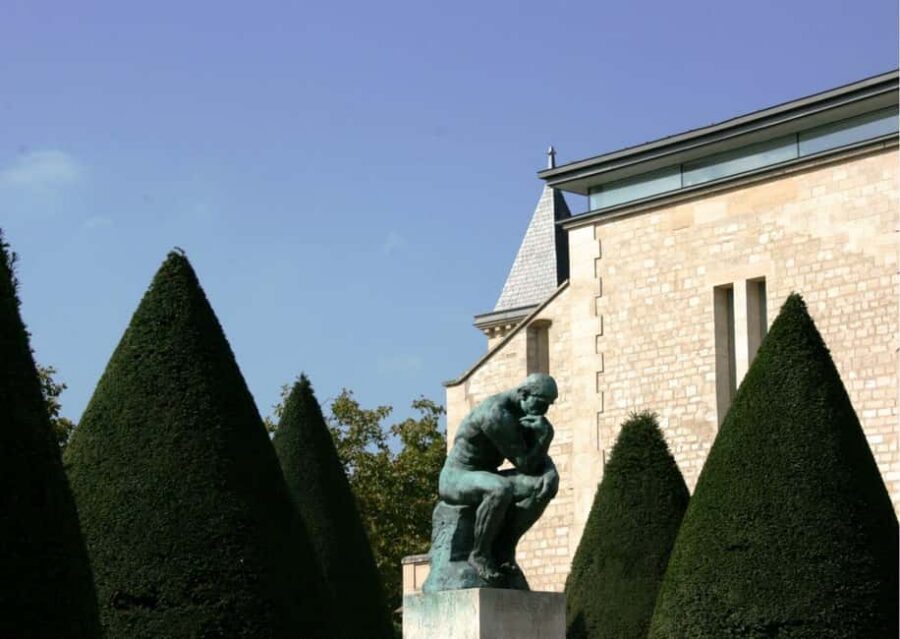
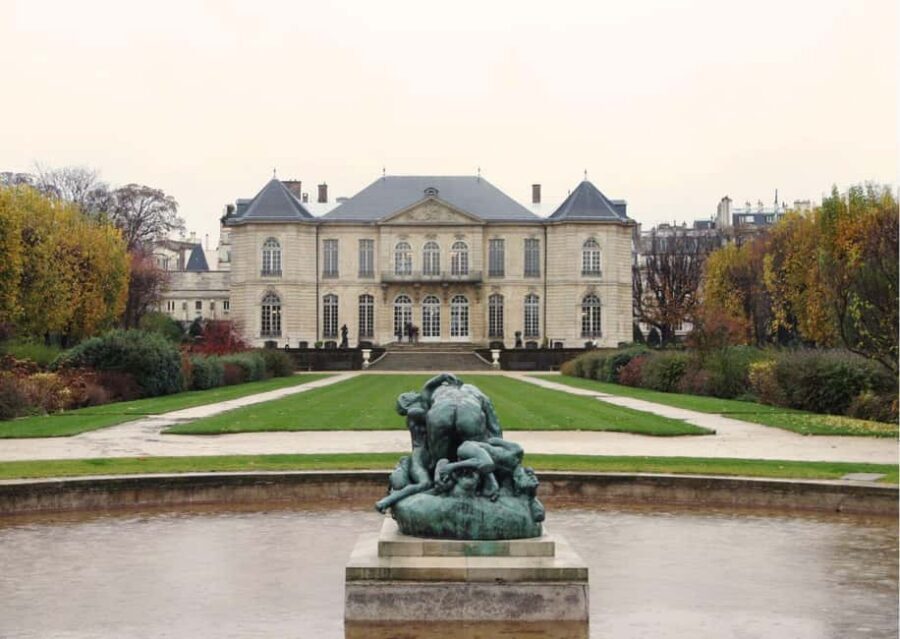
The Rodin Museum isn’t in some white-box gallery. It’s inside Hôtel Biron, and that changes the mood right away. You’re moving through refined rooms and then stepping out toward the gardens, so the art doesn’t feel isolated—it feels part of a place where people once gathered.
That setting is one of the reasons this ticket is good value. For around $24, you’re not just buying access to a few famous sculptures—you’re buying time in a real Paris landmark environment, which makes the visit feel fuller even if you go at a simple pace.
Also, plan on comfortable shoes. This is a museum experience where you’ll walk enough to make your legs notice you, and you’ll want freedom to linger near the works that catch your eye.
You can also read our reviews of more tours and experiences in Paris



Getting in fast with the separate entrance (and avoiding the common ticket mistake)
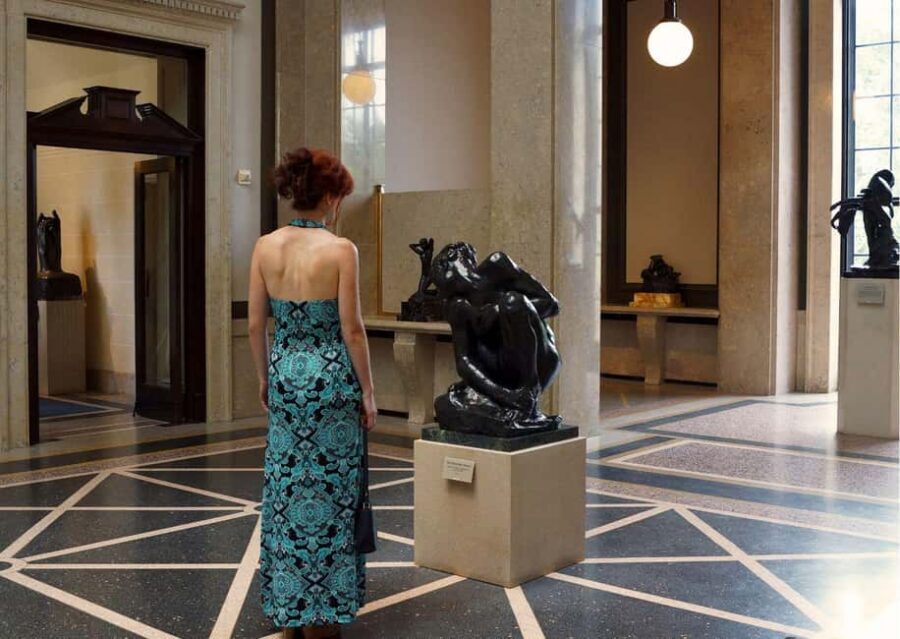
This is a skip-the-line ticket, but the key detail is that it works through a separate entrance. That means you shouldn’t “wing it” by heading to the first entrance you see. Look for the access method tied to your ticket so you can actually benefit from skipping the main queue.
Here’s the other big snag to avoid: the confirmation voucher you receive after booking is not the actual ticket accepted by the museum. Before you leave your hotel, check your email and WhatsApp for the real PDF ticket and the audio tour link. Bring your phone, and if you’re nervous, download or screenshot the PDF so you’re not stuck searching Wi-Fi in a line.
If you do this right, you’ll get to the main fun part—seeing Rodin’s work—without spending your afternoon standing around.
What to see first: The Thinker and The Gates of Hell without rushing yourself

Rodin’s reputation is big, but the works themselves are what land. Two pieces anchor most visits: The Thinker and The Gates of Hell. Even if you’ve seen photos, these have a physical presence that photographs can’t fully capture.
The Thinker is the kind of sculpture that rewards proximity. The closer you get, the more you notice how the body seems to think—how Rodin uses form and texture to suggest motion even in stillness. Give it a minute longer than you think you need.
The Gates of Hell is the opposite feeling: more crowded, more narrative. It’s a composition that pulls you to scan left to right. If you only look from one angle, you miss part of what makes it work. I’d plan a quick loop: one pass to take in the whole structure, then a second pass closer to the details you originally skipped.
You don’t need a strict route. The museum works best when you choose what to slow down on—especially for these two headline works.
The 6,000+ works approach: how to make a self-guided visit feel focused
One of the real advantages here is the sheer scale: the collection spans over 6,000 sculptures and works of art. That can sound overwhelming, but the self-guided format helps. You can move from room to room and decide what deserves your attention.
Instead of trying to see everything, use a simple strategy:
- First, find the major iconic works you came for (The Thinker and The Gates of Hell).
- Then, pick one or two “supporting lanes” where you want to understand Rodin’s development—like how his forms evolve or how different pieces relate in mood and technique.
Because the museum holds so much, it’s also a place where you’ll notice patterns. Rodin repeats certain ideas—gesture, tension, drapery, the human figure in almost endless variations. That repetition is part of why his influence on modern sculpture is so strong, and the museum gives you enough material to actually feel the progression.
And since the setting includes works tied to Camille Claudel, you get a more complete picture of Rodin’s world—his muse and apprentice—rather than viewing him in isolation.
The English digital audio guide: great when it works, frustrating when it doesn’t
The audio guide is in English and is delivered through a digital app. If it runs smoothly on your phone, it’s a strong value add. You get narratives tied to artworks, plus context about Rodin’s life and insights into techniques and influences. That means you’re not just staring at surfaces—you’re connecting what you see to why he made it that way.
But the reviews’ general theme (and honestly, this matches what anyone would worry about with app-based tours) is that the app download can fail. If your phone storage is full, your Wi-Fi is weak, or the link doesn’t open correctly, you may end up standing in front of art with no audio.
So I’d treat this like a small tech mission before art time:
- Do the audio app download before you arrive if possible.
- Make sure your phone has enough storage for the content.
- Have the audio link ready from your email/WhatsApp, not just floating around in your inbox.
If things go wrong, don’t panic. You can still enjoy the sculptures. But you’ll feel the difference immediately—audio helps you slow down with purpose.
You can also read our reviews of more museum experiences in Paris






How long you actually need: a practical 3-hour plan inside
Even though the ticket is valid for 7 days, your visit time on the day feels like a typical 3-hour museum slot. That’s a good target. It’s enough time to see the big names, wander through rooms without feeling frantic, and take breaks when the gardens call.
If you’re an especially fast walker who likes to do highlights-only, you can probably cover more. If you’re a linger-bydetails person, 3 hours may feel like the minimum—especially around The Gates of Hell, where it’s worth going back for another look.
I’d plan your pacing like this:
- 30–45 minutes for the headline sculptures.
- 60–90 minutes for the broader collection rooms where you choose your own theme.
- The rest for slower viewing, photos (without flash), and a breather in the garden areas.
Practical details that keep the visit easy
A few specifics matter more than people expect.
Bring comfortable shoes, water, and a camera. Flash photography is not allowed, so if you like photos, plan for natural light and steady hands instead of relying on a flash.
Wear something you can walk in. Hôtel Biron and its gardens create natural stop-and-start movement, and you’ll likely do more walking than you’d guess from the entrance.
Hours and closure are important for planning. The museum is closed on Mondays, and on other days it opens from 10 AM to 5 PM. If you’re visiting midweek, aim for earlier in the day so you’re not rushing through the rooms later.
Also, this ticket experience isn’t suitable for people with mobility impairments, and it’s not set up for wheelchair users. If that applies to you, it’s worth planning an alternative visit strategy rather than relying on this option.
Price and value: is $24 really a good deal?
At $24 per person, the value depends on one question: will the audio guide add value for you?
If the English audio guide works smoothly, you’re getting more than entry. You’re getting a structured way to understand Rodin’s choices—stories, technique, and influence—so your viewing time feels smarter, not just longer.
If the audio download is a headache, you’re still paying for skip-the-line access and a high-quality museum setting in Hôtel Biron. In that case, the experience becomes more “classic museum” than “guided narrative,” and you’ll likely rely on your own reading and slow looking.
Either way, the biggest value signal is this: you’re not just passing through. You’re spending time in a location that supports lingering—gardens, mansion spaces, and major sculptures that are genuinely worth your attention.
Should you book this Rodin Museum skip-the-line ticket?
I’d book it if you want:
- fast entry via the separate skip-the-line entrance
- an English audio guide that helps connect stories and technique to what you’re seeing
- a Paris museum experience in Hôtel Biron’s setting, not just a quick stop
I’d think twice (or at least prepare carefully) if:
- you hate depending on phone downloads for key parts of the experience
- your phone storage or connectivity is unreliable
- you prefer a fully guided, in-person narration rather than a self-paced app
If you’re the type who enjoys artwork with context, this ticket is a good match. Just treat the audio link and app setup as part of your prep, not an afterthought.
FAQ
What does this ticket include?
It includes skip-the-line entrance to the Rodin Museum, full access to the Hôtel Biron and gardens, and a digital audio guide app in English.
How long can I spend at the museum?
You’ll have about 3 hours of free time during your visit.
What’s the main meeting point for the ticket?
Your ticket is for skip-the-line access to the main entrance area of the Museum.
Is the audio guide available in English?
Yes, the digital audio guide app is in English.
Is flash photography allowed?
No, flash photography is not allowed.
What time is the museum open, and is it closed on any days?
The museum is closed on Mondays. On other days, it opens from 10 AM to 5 PM.
Do I need the booking voucher, or is something else required?
The GetYourGuide booking confirmation voucher is not the actual ticket and won’t be accepted by the museum. You should check your email and WhatsApp for the real PDF ticket and the audio tour link.