REVIEW · PARIS
Ohlala Croissants in Paris!
Book on Viator →Operated by Aten-Te Aute · Bookable on Viator
Croissants become personal here. I like that you get a proper lesson in laminated dough, and I love the max-6 class size that keeps the attention close and practical. I also enjoy the fact that coffee or tea is served while you work. One thing to consider: this is a home-apartment setup, so it feels cozy and intimate, not like a big, shiny cooking school.
You’ll learn the why behind croissants, including the difference between viennoiseries and French pastry, plus the logic bakers use for laminated dough like pâte feuilletée levée. In my experience reading about the instructors, names that come up often are Carlos, Maria, and Nuby, and the vibe is clearly teacher-led and friendly for beginners.
The class runs about 1 hour 30 minutes and you’ll meet at 22 Pass. du Génie in Paris’ 12th district near Nation. You’ll get ingredients, tools, and an apron to borrow during the experience, and you can take as many photos or videos as you want.
In This Review
- Quick highlights
- Croissants in Paris, taught like a craft
- The private apartment near Nation: close, real, and easy to reach
- The class flow: what you’ll do step by step
- Understanding viennoiseries vs French pastry (and why it helps you eat better)
- Coffee and tea break: a small inclusion that makes it feel welcoming
- What you take home: skills, not just a souvenir croissant
- Logistics that actually matter in Paris
- Who this croissant class suits best
- Value: what’s included and why it adds up
- A quick reality check: one drawback to plan for
- Should you book Ohlala Croissants in Paris?
- FAQ
- How long is the croissant baking class?
- Is the class offered in English?
- What is the group size?
- What’s included in the experience?
- Where do I meet, and is it near transport?
- Is alcohol included?
- What is the cancellation policy?
Quick highlights
- Max 6 people so you’re not lost in a crowd
- Laminated dough lesson focused on croissants (pâte feuilletée levée)
- Viennoiseries vs French pastry context that makes the food click
- Coffee and tea included during the class
- Private apartment setting near Nation, easy to reach by public transit
- Beginner-friendly instruction from teachers like Carlos, Maria, or Nuby
Croissants in Paris, taught like a craft
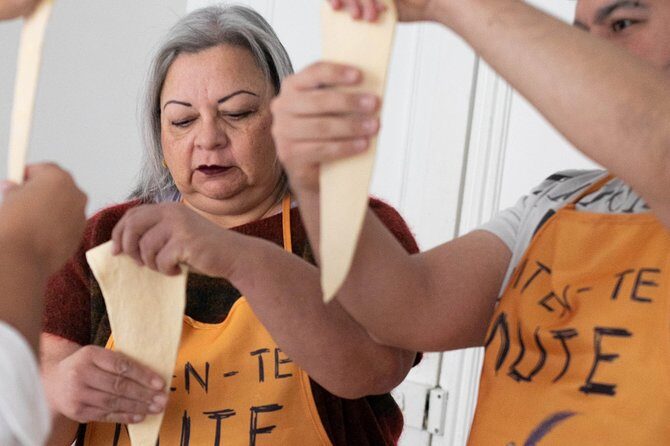
French pastry is famous for a reason, but croissants have an extra layer of technique. This class doesn’t treat croissant making like a mystery you either have or don’t. Instead, you learn the mechanics of laminated dough and the logic behind the steps, so the process makes sense, even if you’re starting from zero.
I like that the class frames croissants within the bigger world of French baking. You get a quick history-style explanation of where viennoiseries fit compared to other French pastry. It’s the kind of small context that helps you order with confidence later, too, because you know what you’re actually tasting.
And since the session caps at six participants, you don’t just watch. You’re guided through the process, with enough time for questions and corrections that matter. That’s the difference between learning the idea and actually learning the method.
You can also read our reviews of more tours and experiences in Paris.



The private apartment near Nation: close, real, and easy to reach
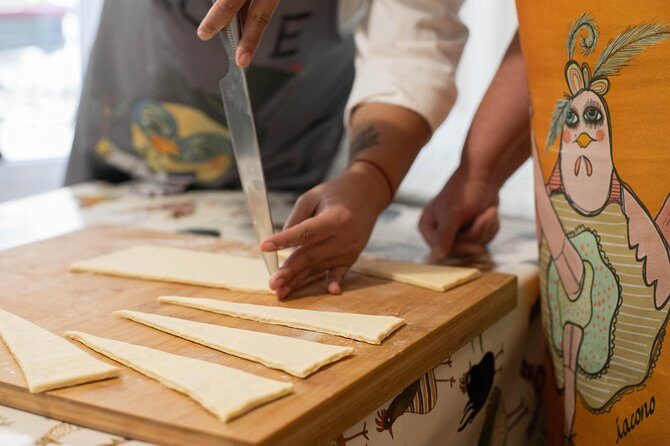
This experience takes place in a private Parisian apartment in the 12th district, near Nation Station. That location choice matters because it gives you a local-feeling address instead of a touristy kitchen studio miles from where daily life happens.
The meeting point is very specific: 22 Pass. du Génie, 75012 Paris. Plan to arrive a few minutes early so you can get settled and start on time. The good news is that it’s near public transportation, and it’s an apartment down an alley, not a grand storefront. Once you find the entrance, the whole thing feels calm and normal, like you’ve been invited to cook with someone who actually bakes.
Because it’s an apartment, the space is naturally smaller. That’s not a downside as long as you go in with the right expectations. You’ll have a hands-on experience with a focused group, and the setting supports that.
The class flow: what you’ll do step by step
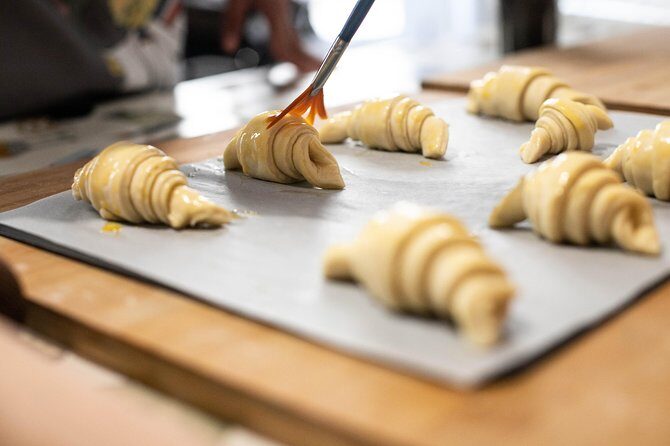
The class is built around one main goal: making croissants from scratch. You’ll work with laminated dough, which is the backbone of that flaky, layered structure people expect from a true croissant.
Even without a written minute-by-minute agenda, the sequence is pretty clear in concept:
- You start by setting up with your ingredients, tools, and apron (provided for you to borrow).
- Then you learn how to handle laminated dough properly, including how the butter layer works with the dough.
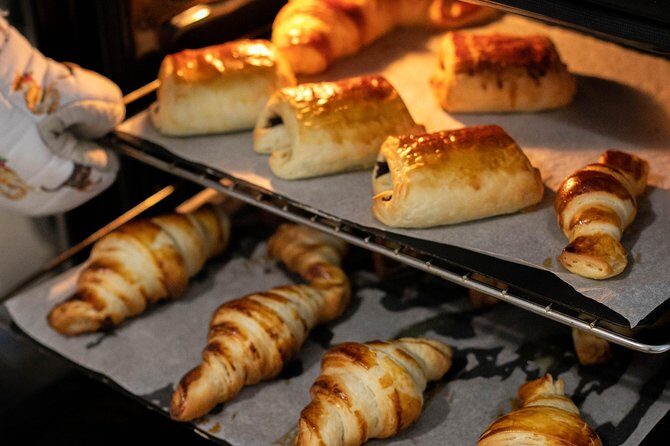
- After the shaping steps, you get to eat the results, since croissant is listed as the dessert.
The most valuable part for beginners is the feedback loop. Croissant dough can be temperamental, and small adjustments make a big difference. With a group of six, the instructor can correct technique early, when it still feels like you can fix it, not after you’ve already carried a mistake all the way through the bake.
You can also take photos and videos during the experience. That’s a practical perk because laminated dough is a visual skill. Being able to review your own process later helps you remember what worked and what you’d do differently next time.
Understanding viennoiseries vs French pastry (and why it helps you eat better)
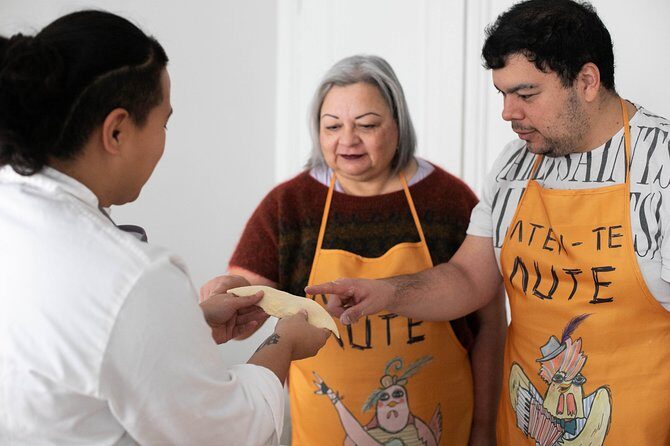
You’ll hear the difference between viennoiseries and French pastry as part of the course. That matters more than it sounds.
In plain terms, viennoiseries are the baked goods that sit in between the world of bread dough and dessert pastries. Croissants are the poster child. They’re made with yeast-leavened dough, but they behave like pastry once the layers and lamination do their job. So when you understand that category, you understand why croissants taste the way they do and why the texture is what it is.
The class ties that context to what you’re doing in your hands. As you work with pâte feuilletée levée, the lesson stops being trivia and becomes a way to predict results. If you’ve ever wondered why croissants can be both simple and frustrating, this is the missing piece: technique plus structure, not just ingredients.
Coffee and tea break: a small inclusion that makes it feel welcoming
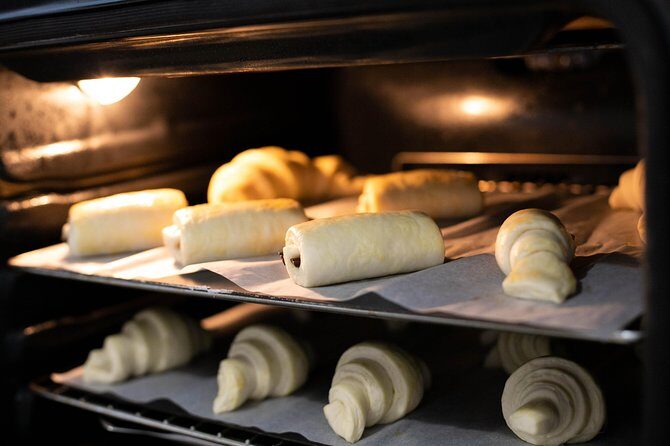
This experience includes coffee and/or tea, and I genuinely think that inclusion is part of why the class feels comfortable. Cooking can be tiring in a good way, but having a warm drink in the middle helps you stay relaxed and focused.
It also sets the pace. Instead of rushing through technique like an assembly line, you get a more human tempo. The class ends where it begins, returning you back to the meeting point, so it’s a self-contained plan that doesn’t require you to tack on a long food stop afterward.
Alcoholic beverages are not included, which keeps the class oriented around learning and technique. If you want wine or cocktails with dinner, you’ll just have that as a separate plan elsewhere in Paris.



What you take home: skills, not just a souvenir croissant
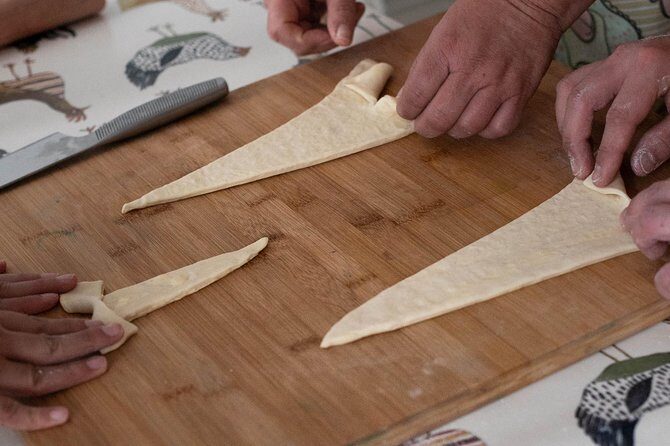
A croissant class is only worth it if you leave thinking I can reproduce parts of this. Here, the focus on laminated dough gives you something usable: the method.
You’re not just learning one trick. You’re learning the craft steps that affect:
- how the layers form,
- how the dough behaves during rolling,
- and how the final bake turns out.
Because the class size is capped at six, you’re more likely to understand what your dough is doing. That’s huge when you’re an absolute beginner. If you’ve never worked with yeast dough plus butter layers before, this is the moment where someone shows you what correct handling looks like.
Also, the instructors you may work with include Carlos, Maria, and Nuby, based on past class experiences. Multiple names coming up usually means consistent teaching quality and a repeatable class format, not a one-off performance.
Logistics that actually matter in Paris
This is a 1 hour 30 minutes experience, so it fits cleanly into a day of sightseeing. It’s short enough that you won’t feel like you sacrificed half of your itinerary, but long enough to work through a real baking session.
You’ll get a mobile ticket, and instruction is offered in English. That matters in Paris where food experiences are often written for French speakers, especially when the teaching becomes hands-on and fast. Here, you can follow the steps without constantly asking for translation.
Plan your arrival to the meeting point at Pass. du Génie in the 12th with a little buffer. The apartment is down an alley. It’s not hard, but it’s the kind of location where you want to avoid rushing and missing the entrance.
And yes, you can bring your phone for photos and videos. Just keep it practical. Croissant making moves quickly, and your hands are doing the real work.
Who this croissant class suits best
This experience is a strong match if you want:
- an intimate class with individual attention,
- a beginner-friendly approach that teaches the process clearly,
- and a hands-on Paris food moment that feels local, not staged.
I’d also recommend it if you enjoy food education as part of travel. You get that small background on viennoiseries vs French pastry, and it helps you connect the dots between what you learn and what you taste later in bakeries.
If you’re the type who wants a lively party atmosphere, this might feel too focused. But if you like calm instruction and serious technique in a friendly setting, you’re in the right place.
And if you already bake, this still can be useful. The class format centers on laminated dough, and even experienced bakers benefit from watching someone else’s approach to rolling, layering, and timing—especially when the group size keeps feedback direct.
Value: what’s included and why it adds up
You’re getting a lot of the essentials handled for you. The experience provides:
- ingredients,
- tools,
- and an apron to borrow,
plus coffee and/or tea.
That’s value in real terms. Croissant ingredients and tools add up fast if you try to replicate the class at home right away. Here, you get a guided setup with the exact equipment needed for the lesson, and you’re not spending your first Paris baking day shopping for flour you’ll never use again.
The small group size also improves value. You’re paying for attention and feedback, not just a recipe. If you’ve ever tried learning laminated dough from a video, you know why that matters. The dough needs correction in the moment.
A quick reality check: one drawback to plan for
Because this is in a private apartment, you should expect a smaller, more personal environment. That’s usually a plus for authenticity, but it can feel less comfortable for people who prefer big spaces or lots of room to move around.
Go in ready to focus on technique in close quarters. If that sounds fun, you’ll like this format. If you hate cramped spaces, you might prefer a larger commercial kitchen class instead.
Also, the confirmation happens at booking time and the class is set up as a fixed experience. If your schedule is uncertain, consider building in flexibility before you lock it in, since changes are not supported.
Should you book Ohlala Croissants in Paris?
I’d book this if you want a meaningful food experience that mixes craft with context. The max-6 group size is the big decision point. You’ll get hands-on guidance, which is what you need for laminated dough, not just a look-and-learn demo.
I’d also book it if you’re a beginner. The course is clearly built for people who want step-by-step help and a straightforward way to understand what croissants are doing under the hood.
Skip it only if you strongly prefer a large, formal cooking facility, or if you’re looking for a long, walking-and-sightseeing food tour. This is about the baking session itself, in a real Paris apartment near Nation.
If your goal is to leave with real technique and a better understanding of French pastry categories, this hits the mark.
FAQ
How long is the croissant baking class?
The experience lasts about 1 hour 30 minutes.
Is the class offered in English?
Yes. The class is offered in English.
What is the group size?
The class is capped at a maximum of six participants.
What’s included in the experience?
Coffee and/or tea are included. Ingredients, tools, and an apron are provided to borrow during the class. You can also take as many pictures or videos as you want.
Where do I meet, and is it near transport?
You meet at 22 Pass. du Génie, 75012 Paris, France. It’s near public transportation, and it’s close to Nation Station.
Is alcohol included?
Alcoholic beverages are not included.
What is the cancellation policy?
This experience is non-refundable and cannot be changed for any reason. If the minimum number of travelers isn’t met, you’ll be offered a different date/experience or a full refund.