REVIEW · PARIS
Orangerie & Monet’s Water Lilies Exclusive Tour w/ Reserved Entry
Book on Viator →Operated by Babylon Tours Paris · Bookable on Viator
Some museums hit like a dream.
At Musée de l’Orangerie, you get reserved entry and a guided walk through the art that changed how people see painting. The showstopper is Claude Monet’s Water Lilies, but the tour also threads in big names like Cézanne, Matisse, and Picasso so the Water Lilies land with real context.
I love two things most. First, having a guide (examples from past guides include Belen and Anatole) turns the rooms into a clear story, not just a checklist. Second, the pace is relaxed enough that you can actually stop, look, and compare works without feeling rushed.
One thing to watch: museum security rules can be strict. Plan for no large bags—you’ll want a small handbag or thin bag for what you need.
In This Review
- Key highlights you’ll actually feel during the tour
- Why the Orangerie tour works in real life
- Reserved entry and the 2-hour pace (and why it’s good value)
- Stop 1: Musée de l’Orangerie and Monet’s Water Lilies rooms
- The guide’s job: turning famous names into a connected story
- What makes this museum special beyond the Water Lilies
- Logistics that can make or break your visit
- Bags and security
- Speaking rules in some rooms
- Weather and closures
- Getting there
- Who this tour is best for
- Price check: what you’re paying for
- Should you book this Orangerie + Monet tour?
- FAQ
- How long is the Orangerie & Monet’s Water Lilies exclusive tour?
- Is reserved entry included?
- Where does the tour start?
- What language is the tour offered in?
- What’s included in the price?
- Are temporary exhibitions included?
- Are there any rules about bags?
- What if the museum has an unexpected closure or delayed opening?
- How does cancellation work?
Key highlights you’ll actually feel during the tour
- Reserved entry included so you don’t waste time at the door
- A guide who brings the art’s backstory forward (many guides like Belen, Anatole, and Dunya tailor the flow to what you want to see)
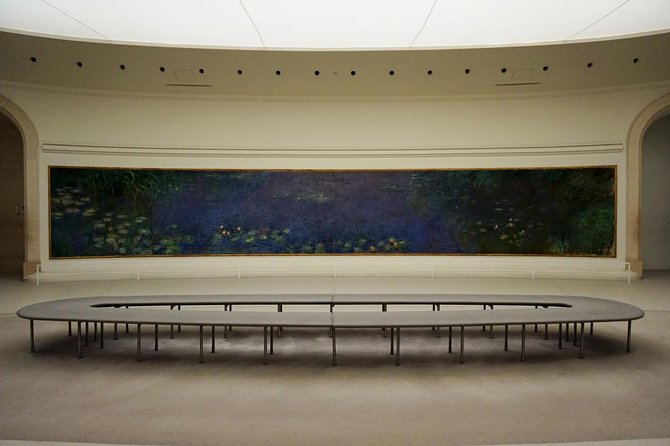
- Monet’s Water Lilies in their dedicated rooms—quiet, immersive, and built for close looking
- More than Monet: you’ll also see major works connected to Impressionism and beyond
- A smart 2-hour run-time that balances guided viewing with moments to slow down
Why the Orangerie tour works in real life
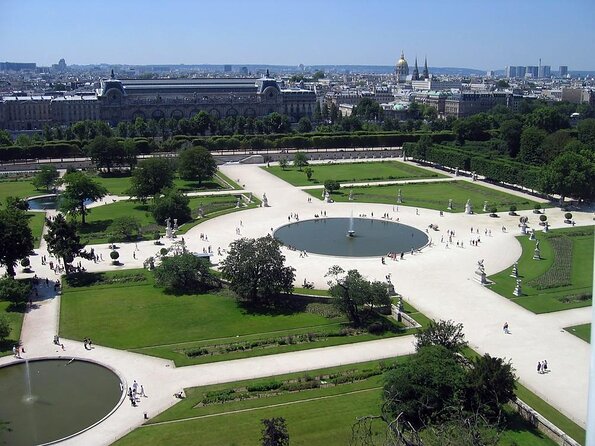
The Musée de l’Orangerie sits in the Tuileries Gardens area, which already gives you a calmer start than chasing art across the city. You’re not jumping between a dozen venues. You’re staying put, moving through the museum at a human pace, and focusing your attention where it counts.
This is the kind of tour that helps you see what you’re looking at. Monet’s Water Lilies can feel almost too famous—like you already know what you’ll get. A good guide changes that by explaining what was happening artistically at the time, who influenced whom, and why these works were displayed the way they were. In other words: you’re not just viewing art. You’re learning how to read it.
And because reserved entry is included, you’re also not stuck timing your day around ticket lines. That matters in Paris, where a small delay can snowball.
You can also read our reviews of more tours and experiences in Paris.



Reserved entry and the 2-hour pace (and why it’s good value)
At about 2 hours, you get guided time plus entrance fees, and you’re not paying extra for the ticket. For $143.91 per person, that can be good value if you’d otherwise buy admission and spend your time sorting out the museum on your own.
Here’s the practical math I’d use: buying a ticket is only one piece. The real cost is attention—your time, your questions, and your ability to connect the dots. This tour pays for a guide to do that for you, while you enjoy the museum without feeling like you’re missing the point.
A few details make the pace work:
- You don’t have to sprint. The museum is smaller than many major Paris stops, and guides can slow you down for comparison.
- The tour is designed around highlights, so you’re not wandering lost looking for what to care about.
- If you’re traveling with kids or relatives who want art but need a structure, the flow is easy to follow.
If you do have a possible drawback, it’s simple: art museums still have security and sightline bottlenecks. Even with reserved entry, you might encounter short lines inside security zones.
Stop 1: Musée de l’Orangerie and Monet’s Water Lilies rooms
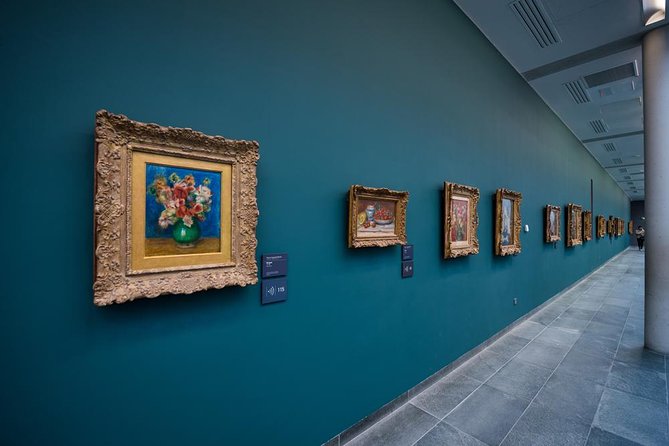
The tour’s core stop is the Musée de l’Orangerie itself, a museum created inside a building that was repurposed long ago. That backstory isn’t trivia. It helps you understand why this museum feels different from the classic white-gallery box.
Then comes the moment everyone books for: Monet’s Water Lilies series. Monet created the works for display in a special setting in France after his connection with Georges Clemenceau. The guide helps you notice how the paintings work as a set—how the views shift, how you read light and surface, and how the forms soften into something closer to perception than strict representation.
What I love about this part is the way the guide balances two modes:
- Guided viewing: you get the why behind the what.
- Personal looking time: you still get a chance to stand there and absorb the images.
In past tours, guides like Marcel specifically made room for quiet reflection among the Water Lilies while still delivering context about Monet’s life and the creation and display choices behind the project. That’s a great example of why this tour is worth it: you get both story and stillness.
If you’re the type who likes to take your time, plan to spend a little longer than you think when the Water Lilies are finished. Even if the tour ends, the museum has a way of making you want one more lap.
The guide’s job: turning famous names into a connected story
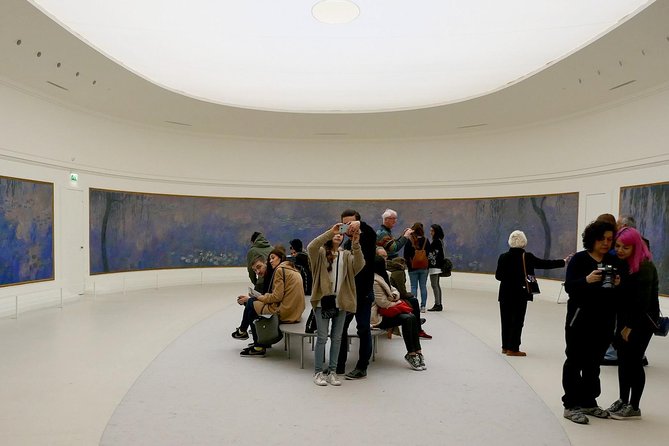
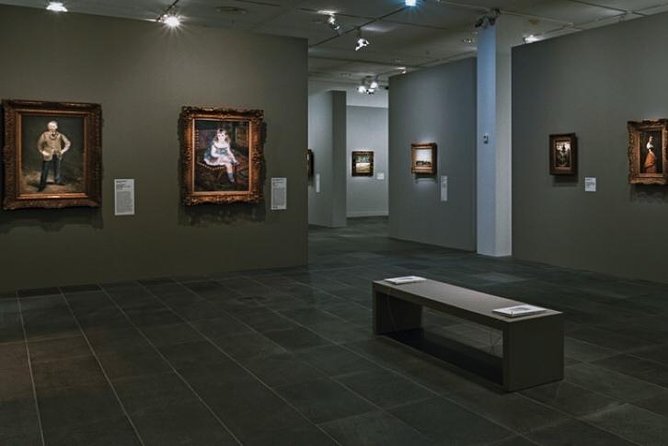
The Orangerie isn’t only Monet. The collection stretches across the 19th and early 20th centuries, with works by major Impressionists and artists who followed. The guide’s best value is connecting the dots so you see relationships instead of isolated masterpieces.
Here’s what you can expect to notice with a good guide:
- Cézanne: fruit and flower studies that show how form and observation evolve. You start to see how Cézanne’s thinking sets up later changes in style.
- Matisse: portraits with a seductive, confident presence. This is where you understand color and personality in painting as something more than decoration.
- Picasso: different phases and works including nudes that help you see transformation over time.
And then you’ll often see additional artists tied into the larger story—names like Modigliani, Renoir, Utrillo, Derain, Soutine, Laurencin, and Rousseau show up depending on what’s on view. The point isn’t memorizing names. It’s learning how the museum’s collection feels like one conversation across decades.
Guides also bring their own teaching style. For example, some guides have used tablet photos to add extra context at key moments, and others—like Anatole in some private family tours—have adjusted the pace so teenagers and adults can both enjoy the meaning, not just the visuals.
That’s the main upgrade you get from a guided experience here: the museum stops feeling like a random list of famous artworks.
What makes this museum special beyond the Water Lilies
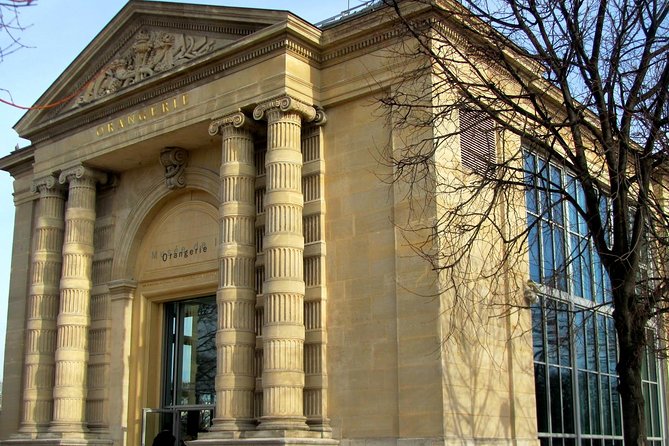
Even if Monet is your main goal, the Orangerie rewards people who look around. It’s a smaller museum than others, but that can be a plus. You’re less likely to feel exhausted by walking and more likely to focus on comparisons.
A big theme in this museum is the move from seeing the world directly to building a personal visual language. The Orangerie collection lets you watch that transition in a concentrated space.
You also get to see the museum’s breadth. Many other Paris museums can feel like separate worlds—impressionism over here, modernism over there, and you’re left to connect it. Here, the guide helps you connect it while you’re standing in front of the actual works.
And yes, the famous Water Lilies rooms are the centerpiece. But the surrounding rooms give you a sense of how artists were reacting to what came before, and what they were trying to do next.



Logistics that can make or break your visit
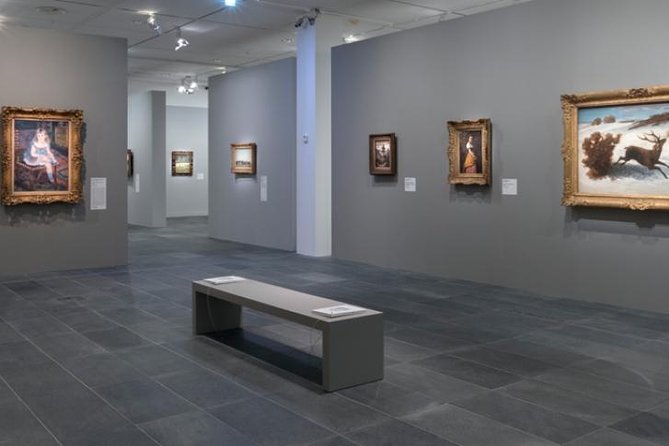
Paris museums are easy until you hit the few rules that matter. Here are the ones you should plan around:
Bags and security
You can’t bring big bags or suitcases into the museum. You’ll want a handbag or small thin bag pack for security. If you travel with a lot of stuff (shopping, water bottles, extra layers), think about using a locker outside if you’re staying nearby—but be sure your tour day allows it.
Speaking rules in some rooms
Some specific rooms can be very quiet or restrict speaking. The guide should tell you about these spaces before you enter. This is also why having a guide helps: you avoid awkward moments and you can enjoy the museum’s quieter corners.
Weather and closures
The Orangerie can face occasional closures without prior warning from the museum. If opening is delayed by more than 1 hour from the tour start time, you’ll get an alternative option. Refunds or discounts aren’t available in those cases.
So if you’re planning a tight day with other reservations, keep some flexibility.
Getting there
The meeting point is at Musée de l’Orangerie, Jardin des Tuileries, 75001 Paris. It’s near public transportation, and a taxi or rideshare like Uber can be a clean way to arrive, especially if you’re starting in central Paris.
Who this tour is best for
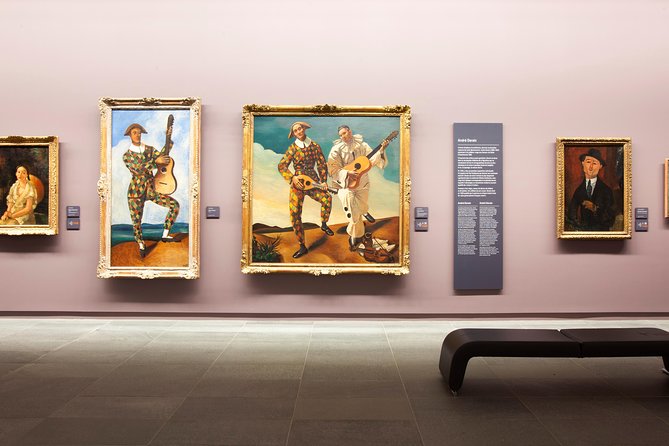
This works especially well for:
- You love Monet but want more than a caption-level visit.
- You want a guided experience that doesn’t feel like a sprint through the highlights.
- You’re traveling with family and want a pace that can include quiet looking time.
- You care about art context—how styles relate across artists and decades.
It may be less ideal if:
- You hate guided tours and prefer total freedom.
- You only want one room and don’t want extra context about other artists.
- You’re bringing bulky luggage (since the museum restricts large bags).
The good news: because the tour is focused on highlights and includes entrance fees, you don’t need to do extra planning to make it feel complete.
Price check: what you’re paying for
At $143.91 per person, you’re paying for:
- a guided museum visit built around key artworks,
- reserved entry,
- all entrance fees,
- and guide time for the tour.
You’re also paying for the thing that’s hard to price: the ability to ask questions and get real explanations in the rooms. That’s why many people come away feeling like the tour added a layer they couldn’t get solo.
If you plan to visit the Orangerie anyway, this can be a straightforward upgrade. If you’re on a super tight budget and only want Monet’s Water Lilies quickly, you might prefer buying your own tickets and going at your own pace. But if you want to understand what you’re seeing, the guide is the value engine.
Should you book this Orangerie + Monet tour?
I’d book it if Monet’s Water Lilies are on your short list and you want a guided path that keeps the museum meaningful. The reserved entry is a real time-saver, and the guide-led structure makes the rest of the collection feel connected, not random.
Skip it if you want a silent, solo wander with zero structure. Also consider whether you can comfortably follow bag/security rules, and whether your schedule has wiggle room if the museum has an unexpected delay.
If you’re trying to choose just one Paris art experience that gives you both the famous moment and the deeper context, this is one of the safer bets.
FAQ
How long is the Orangerie & Monet’s Water Lilies exclusive tour?
It lasts about 2 hours.
Is reserved entry included?
Yes. Reserved entry is included to make your visit more convenient.
Where does the tour start?
The meeting point is at Musée de l’Orangerie, Jardin des Tuileries, 75001 Paris, France. It ends back at the meeting point.
What language is the tour offered in?
The tour is offered in English.
What’s included in the price?
It includes a guided museum tour with reserved entry, a guide (for the private option), all entrance fees, and the tour runs as a private experience for your group.
Are temporary exhibitions included?
No. Temporary exhibitions are not included.
Are there any rules about bags?
Yes. No large bags or suitcases are allowed inside the museum. Only handbags or small thin bag packs are allowed through security.
What if the museum has an unexpected closure or delayed opening?
If the museum opening is delayed by more than 1 hour from the tour starting time, you’ll be provided an appropriate alternative. Refunds or discounts aren’t available in those cases.
How does cancellation work?
You can cancel up to 24 hours in advance for a full refund. If you cancel less than 24 hours before the start time, the amount paid isn’t refunded.