REVIEW · PARIS
Paris: Choux Pastry and Chocolate Éclair Making Class
Book on GetYourGuide →Operated by Le Foodist · Bookable on GetYourGuide
Paris pastries turn into real skill.
This 3-hour class at Le Foodist in the Latin Quarter teaches you the building blocks behind classic éclairs and cream puffs, from pâte à choux dough to crème pâtissière and chantilly. You work in a small group, then wind down with tea-time stories from a French pastry teacher.
I love how small the class is (limited to 8, and commonly just a few people), because you get guidance while you’re actually piping and baking. I also like that you leave with an English recipe pack (hard copy plus an electronic copy), so you can repeat what you learned back home.
One heads-up: kids under 12 can’t enter the kitchen, and unaccompanied minors aren’t allowed. If you’re traveling with younger children, plan for that limitation.
In This Review
- Key Highlights Worth Your Time
- Meeting Le Foodist Near Notre-Dame’s Back Door
- The 3-Hour Rhythm: Welcome, Bake, Tea-Time
- Pâte à Choux: The Dough With One Job and No Room for Guesswork
- Small-group help you can actually use
- Crème Pâtissière and Chantilly: Texture Is the Whole Game
- Chocolate Éclairs and Cream Puffs: Piping to Finish Without Panic
- Why finishing matters as much as baking
- Tea-Time Stories That Make Pastry Feel Like Culture
- What You Leave With: A Take-Home Box and English Recipes
- How to get the most out of the take-home pastries
- Price and Value: Is $151 Worth It?
- Who This Class Fits Best (and Who Might Want Another Option)
- FAQ
- FAQ
- Where is the meeting point for the class?
- How long is the experience, and how much of it is hands-on?
- How big is the class?
- Is the instruction available in English?
- What do I take home?
- Are children allowed to participate?
- Should You Book This Choux and Éclair Class?
Key Highlights Worth Your Time
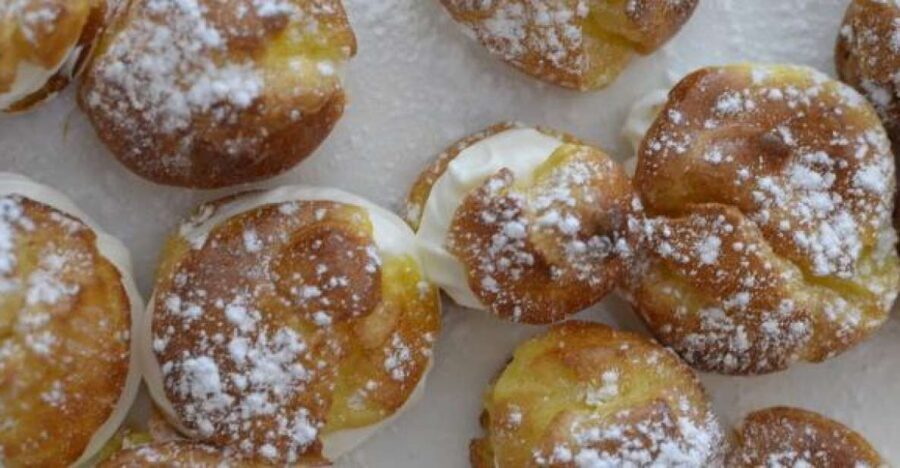
- Real hands-on time: about 2 hours actively making pâte à choux and both creams
- You practice piping so your chocolate éclairs and cream puffs aren’t just theory
- Crème pâtissière + chantilly are taught as the core systems behind French pastry
- Tea-time stories add context and humor, with coffee, tea, or organic fruit juices
- Take-home box plus English recipes, so you don’t leave empty-handed
Meeting Le Foodist Near Notre-Dame’s Back Door
You start at Le Foodist, 59 rue Cardinal Lemoine, in the Latin Quarter. It’s a great neighborhood to be in because you’re close to major sights—Notre-Dame is just a few steps away—and the streets around you feel like real Paris, not a theme park.
The practical value here is simple: getting there is easy if you’re already walking around central Paris. You don’t have to build a whole logistics plan just for this class. Plan to arrive a little early so you can settle in before the welcome refreshment and introductions begin.
Inside, the vibe is what you’d want for learning pastry: a working kitchen with a clear plan, not a demo where you stand around. In past sessions, the instructor lineup has included names like Stefan, Florence, Stephane, and Anne—so you can expect a human teaching style, not a robotic slideshow.
You can also read our reviews of more tours and experiences in Paris


The 3-Hour Rhythm: Welcome, Bake, Tea-Time
Even though the whole experience lasts 3 hours, it’s built around two main phases, and that matters for your energy level.
First is a welcome refreshment and a chance to meet your group. Then you roll up your sleeves for about 2 hours of hands-on work. This is the heart of the class: you’ll make pâte à choux and crème pâtissière and chantilly, then move into shaping and piping your own pastries.
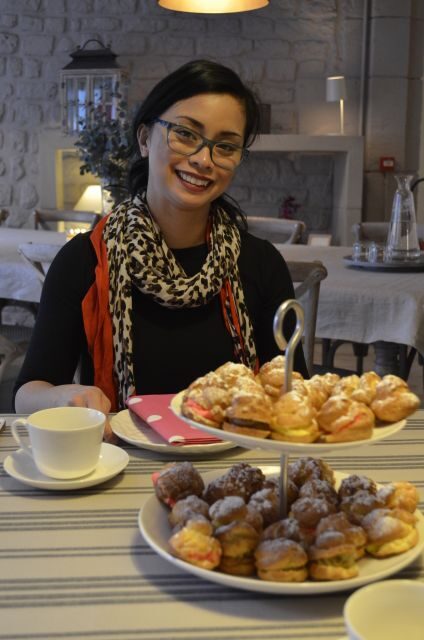
After the baking part, you shift into tea-time mode. You sit down with tea, coffee, or organic fruit juices, and a French instructor tells stories about French culture and pâtisserie. It’s not random entertainment—it helps you understand how pastry fits into everyday life and tradition.
Pâte à Choux: The Dough With One Job and No Room for Guesswork
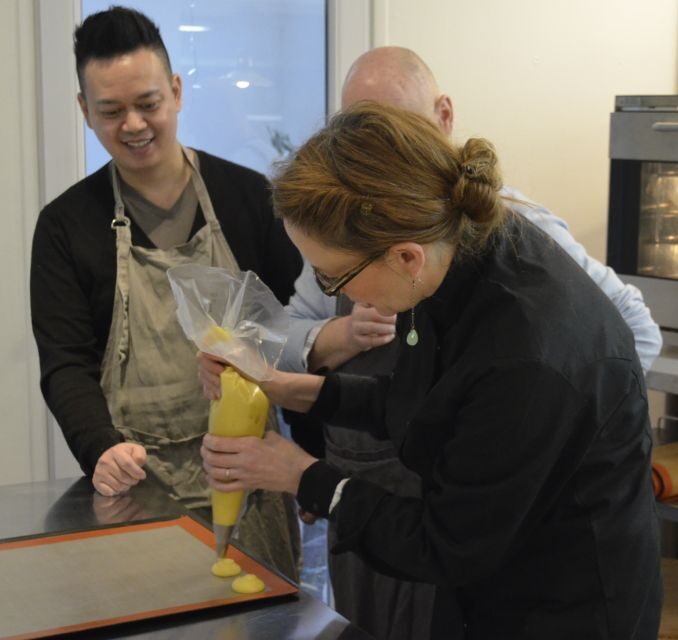
If you’ve ever eaten a cream puff in a shop and thought, That can’t be that hard, pâte à choux is where reality shows up. Choux is a simple list of ingredients, but the technique is strict. Get it wrong and you end up with flat pastries or hollow disappointments.
Here’s what the class focuses on: foolproof pâte à choux technique and the fundamentals behind it. You practice enough that you can feel the logic of the dough and how it behaves when it’s baked.
Then comes the part that home bakers usually struggle with—piping. You’re taught how to pipe and how to apply your piping skills so your chocolate éclairs and choux puffs come out properly shaped. Since this is hands-on, you’re not just watching someone squeeze a pastry bag. You’re learning how to control pressure and form, which is the difference between pastries that look homemade and pastries that look genuinely French.
Small-group help you can actually use
Because the group stays small (limited to 8), the instructor can correct your technique while you’re in the middle of it. That’s a big deal. Choux is one of those pastries where a small fix—like consistency or piping style—can mean the difference between a great result and an okay one.
Crème Pâtissière and Chantilly: Texture Is the Whole Game
In many pastry classes, creams get treated like a side quest. Here, crème pâtissière and chantilly are treated like the core building blocks.
Crème pâtissière is the thick, classic custard-like cream that gives structure and flavor. Chantilly is lighter, usually associated with whipped cream texture. Both are essential in French pâtisserie, and once you understand their behavior, you start to see how many desserts are really variations on the same themes.
What’s valuable for you is that you’re not only making them—you’re learning the techniques that help them turn out right. That includes how to reach the right feel and consistency before you move on to assembling pastries.
If you’re a first-timer, this is the sweet spot of difficulty. You get real instruction without being pushed into complicated pastry engineering. If you’re more experienced, you still benefit because the class is focused on fundamentals that often get skipped when people rush into decorations and fillings.
You can also read our reviews of more tours and experiences in Paris




Chocolate Éclairs and Cream Puffs: Piping to Finish Without Panic
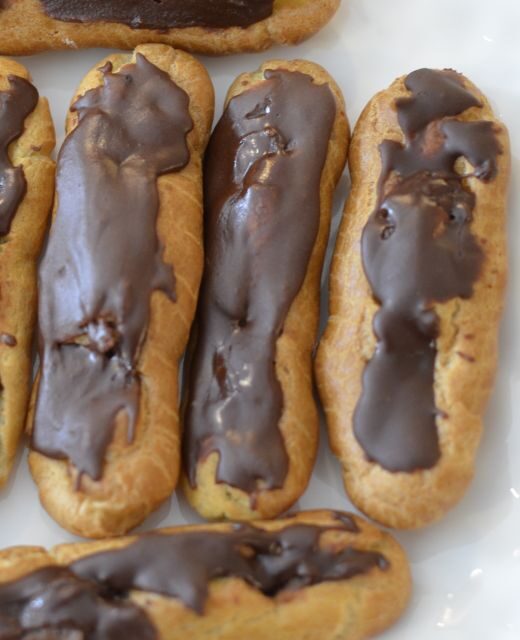
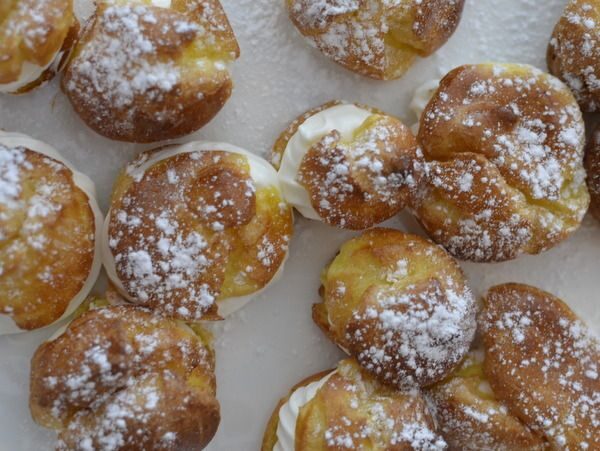
When the class moves from dough and creams to finished pastries, you get a clear path to follow. You pipe and shape your pastries, bake them, and then you apply the skills you’ve practiced.
Your main creations are:
- Chocolate éclairs
- Choux puffs (cream puffs)
That’s the headline. But the class experience can also include fun variations with different choux presentations. In past classes, people have noted learning an old-fashioned swan-style choux approach, the kind of detail that shows up in classic pâtisseries when they’re feeling artistic.
Why finishing matters as much as baking
It’s easy to think baking is the whole job. In choux pastry, the filling and final look are part of the outcome. The class teaches you how to handle piping and assembly so your pastries look—and taste—like they belong on a French dessert table.
Tea-Time Stories That Make Pastry Feel Like Culture
There’s a reason people remember the tea-time part of this class. It isn’t just coffee and chatter.
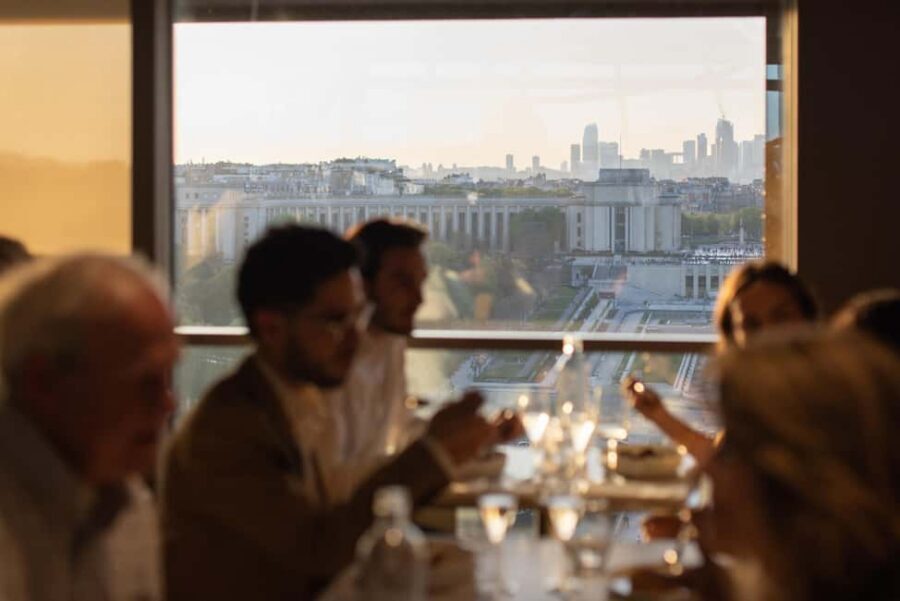
A native French instructor stops in after the baking to share story or two about French culture and pâtisserie, often with humor and tongue-in-cheek twists. You’ll also enjoy tea, coffee, or organic fruit juices during this break.
For you, this is useful because it turns recipes into something you can carry home mentally. When pastry is explained through how people actually talk about it—how shops treat it, why certain techniques stick—you start baking with more confidence. You’re not just copying steps. You’re understanding the why behind them.
What You Leave With: A Take-Home Box and English Recipes
You don’t just get knowledge. You get food you made yourself.
At the end, you leave loaded with a box of your own pastries to share (or keep for yourself). That’s a real travel win. It turns the class into a memorable, edible souvenir instead of a folder of papers you’ll never use.
You also receive:
- A hard copy and an electronic copy of the recipes in English
- Use of cooking equipment and an apron
That recipe packet is more than a nice extra. When you have English instructions and you can refer back later, you’ll actually repeat the class at home. For a technique class, that’s the difference between a fun afternoon and a skill you keep.
How to get the most out of the take-home pastries
Since choux pastries and filled creams are best enjoyed fresh, plan to eat some soon after you get back. If you’re not eating immediately, you’ll want to treat them like delicate pastries—handle gently and store appropriately based on what the recipes recommend (which you’ll have in English).
Price and Value: Is $151 Worth It?
At $151 per person for a 3-hour experience, this isn’t the cheapest activity in Paris. But it’s also not “pay for a show.” You’re paying for hands-on technique, small-group instruction, and the ingredients and equipment tied to baking.
Here’s the value math that matters:
- Small group size means you get individual attention while you’re working
- About 2 hours hands-on making pâte à choux and two creams
- Technique-based teaching (piping, filling, and fundamentals)
- Included recipes in English (hard copy + electronic) so the learning doesn’t disappear
- Take-home box of what you make
If your goal is to eat one good dessert and move on, there are cheaper options. If your goal is to learn a skill you can reproduce—especially something as picky as choux—this price starts making more sense.
Who This Class Fits Best (and Who Might Want Another Option)
This is a strong pick if you want:
- A hands-on Paris baking class with real technique
- Training in core French pastry building blocks (pâte à choux, crème pâtissière, chantilly)
- An activity that feels social but still gives you room to work
- Something that works for different skill levels, since a mixed group can learn together and still get guidance
Based on what’s shared about different past instructors and class mixes, the teaching style tends to work for both first-time bakers and people who already know their way around a kitchen.
One mismatch to consider: if you’re traveling with young kids. Since kids under 12 can’t enter the kitchen, the class may not work for them in a hands-on way, and unaccompanied minors aren’t allowed.
FAQ
FAQ
Where is the meeting point for the class?
Meet at Le Foodist, 59 rue Cardinal Lemoine, 75005 Paris.
How long is the experience, and how much of it is hands-on?
The total duration is 3 hours, with about 2 hours of hands-on instruction.
How big is the class?
It’s a small group experience limited to 8 participants, and classes often run in groups of about 3 to 7 people.
Is the instruction available in English?
Yes, the instructor teaches in English.
What do I take home?
You’ll leave with a box of your own pastries and you’ll receive recipe information in English (a hard copy and an electronic copy).
Are children allowed to participate?
Unaccompanied minors aren’t allowed. Children under 12 years old cannot enter the kitchen, so they can’t participate. Children between 12 and 16 must be accompanied by a participating adult.
Should You Book This Choux and Éclair Class?
Book it if you want an actual pastry skill, not just a tasty afternoon in Paris. The combination of pâte à choux, crème pâtissière + chantilly, piping practice, and take-home pastries makes this a high-value learning experience—especially because the class stays small and the instruction is in English.
Skip it if you’re bringing young kids who can’t enter the kitchen, or if you’d rather avoid baking work and just want to eat your way through Paris. For most adults and older teens who want to learn French pastry fundamentals, this is a smart, practical choice.