REVIEW · PARIS
Paris Croissant and Breakfast Pastry Class with a French Chef
Book on Viator →Operated by Patisserie a la Carte · Bookable on Viator
Three hours later, your hands will understand croissants. This class is interesting because you don’t just watch pastry made. You work through the key stages that create those thin layers, crispy edges, and the soft, buttery center that French bakers chase every day. You’ll focus on classic technique like beurrage (butter folding) and la pousse (fermentation/rising), so it finally clicks why croissants are so “fussy” in the first place.
I like the small group size capped at six, because it keeps the pace sane and leaves room for questions while you’re actually rolling and folding. I also like that you leave with freshly prepared croissants and pain au chocolat, not just a recipe card. The main drawback to consider: croissant dough is demanding, so you’ll do several steps, but the heavier prep (croissant dough timing) is structured so you can still enjoy the results at the end.
In This Review
- Quick hits before you book
- Why this class feels different from a cooking demo
- Small-group setup at Patisserie a la Carte (and what it means for you)
- Enter the butter: beurrage, pâton, turns, and feuilleter
- Timing lesson: la pousse and why croissants are staged
- What you’ll make: croissants and pain au chocolat, plus Thursday bicolor pralin
- The hands-on moment: how the class keeps you moving
- Price and value: what $131.54 buys in Paris
- Where it leaves you after: what to do with your pastries
- Who should book, and who might want to think twice
- Should you book this croissant breakfast class?
- FAQ
- What is the duration of the class?
- What is the group size limit?
- Is the class offered in English?
- What pastries will I make?
- What’s included in the price?
- How do I get to and from the class?
- Do I need to report allergies or dietary needs?
Quick hits before you book
- Capped at 6 people so you get hands-on time and real coaching
- French chef instruction in English with printed recipe guidance
- You learn the why, not just the what: beurrage, turns, feuilleter, la pousse
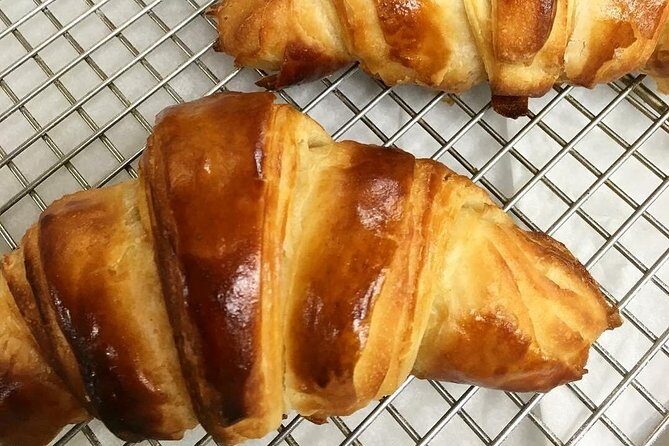
- Take-home payoff: croissants plus chocolate-filled pain au chocolat, in take-home bags
- Thursday morning special: bicolor croissants filled with chocolate pralin
- Tea and coffee included to make the waiting parts feel less like homework
Why this class feels different from a cooking demo
If you’ve ever tried to make croissants at home, you already know the problem: the recipe looks simple, but the process is not. That’s why this kind of class is worth it. You’re not studying croissants as an abstract art form. You’re practicing the mechanics that create the results—especially the butter layers and the controlled fermentation.
A big reason the experience works is the size. With a maximum of six people, you’re not squeezed into a crowd where you only get a couple minutes at the worktable. It’s a true workshop rhythm: watch a step, try it, get corrected, then move on. That makes your learning faster and your final pastries better.
Also, the place matters. You meet at a Paris patisserie setting (9 Rue Thimonnier, 75009), and you stay there for the session, which helps everything run like a real bakery workflow instead of a “show-and-tell” experience. The end result is that you leave with a stronger sense of control—how dough should feel, when it needs time, and what each technique is trying to fix.
You can also read our reviews of more tours and experiences in Paris

Small-group setup at Patisserie a la Carte (and what it means for you)
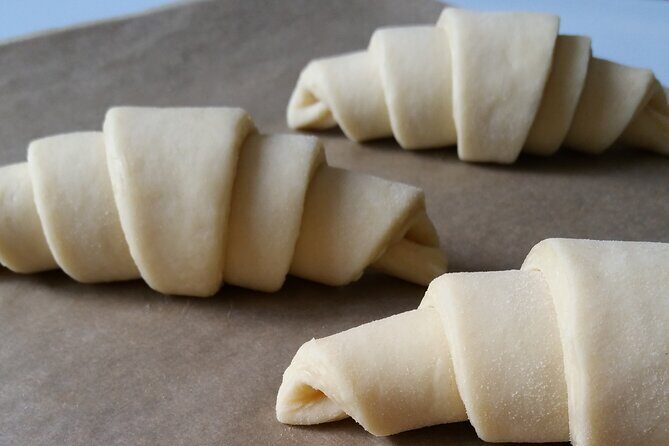
This isn’t a giant “tour activity.” It’s a small-class lesson with adults and teens (minimum age 15). That age limit is practical: croissants require focus and careful handling, and the class aims to keep everyone moving through the steps without chaos.
You’ll also get the basics that matter in a kitchen: aprons, equipment, and an English copy of recipes. That’s not a small detail. With laminated dough, the margin for error is tight, and having written guidance in your language makes it much easier to repeat later. It also helps if you’re someone who learns by taking notes while your hands are working.
In the review mix, you’ll see a consistent pattern: instructors like Julie and Marie (and others, depending on the session) get praised for patience, clear step-by-step direction, and good English. You can’t guarantee the exact teacher you’ll get, but the teaching style is part of the brand. You should expect demonstrations first, then guided hands-on time.
If you’re picky about comfort, wear flat shoes and casual clothes you can move in. You’ll be standing, rolling, folding, and likely turning dough on and off your work surface. Long hair should be tied back—simple, but in this kind of class it’s the difference between staying focused and constantly adjusting.
Enter the butter: beurrage, pâton, turns, and feuilleter
This is where the class earns its keep. Croissants depend on butter staying put in the dough layers while the dough is repeatedly folded and rolled. The names sound fancy, but the steps are concrete.
Here’s what you’ll practice, and why each piece matters:
Beurrage (adding butter into the dough system)
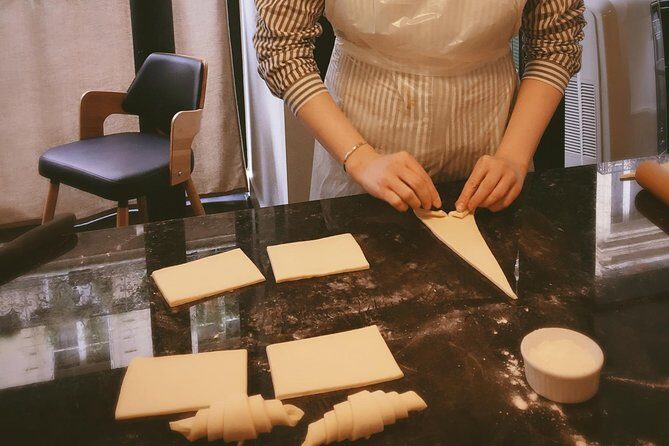
You’ll learn how butter becomes part of the dough structure, not a sticky mess. This is the foundation for the layers you’re after. If the butter melts or smears at the wrong moment, you end up with a dense pastry. The class breaks the process into stages so you can learn what correct butter behavior looks like.
Pâton (the dough envelope after the butter is folded in)
Pâton is the “block” stage where the butter is enclosed. Understanding this matters because it’s the stage that determines how many even layers you can form later. You’re not just making dough; you’re building a stack that will turn into steam pockets and flaky structure.
The turns (rolling and folding to build structure)
“Turns” are repeated folding cycles. Each cycle creates layers. In practical terms, this teaches you how to handle dough without tearing it, and how to keep thickness consistent—so your croissants don’t come out uneven.
Feuilleter (making into thin leaf-like layers through rolling/folding)
Feuilleter is basically about finesse: enclosing butter in dough and then folding/rolling to produce thin layers. This is the part where your technique and your patience both matter. It’s also the part that makes croissants feel magical when they come out of the oven: you’re seeing the payoff of every careful roll.
If you want one takeaway: croissant dough is all about timing and pressure. Too much force makes layers compress. Too little control makes dough uneven. The class setup helps you learn those differences by doing them, not guessing from a screen.
Timing lesson: la pousse and why croissants are staged
Croissant dough has a reputation for being hard because yeast needs time, and dough temperature affects everything. That’s why you’ll hear about la pousse, the fermentation and rising.
Here’s the key practical point: the dough requires a lot of prep time, and croissant-making includes technical steps that can start the day before. This class handles that reality by doing certain stages so you can still enjoy fresh pastries by the end. You still work the stages during the session, but the schedule is designed around the fact that laminated dough needs careful timing.
This staging approach is a smart value move for you. If the class were fully “from scratch” with a full overnight timeline, it would be long, confusing, and exhausting. Instead, you get the best of both worlds: you learn the core techniques while the process is managed so the product actually tastes like croissant heaven when you take it home.
In the review set, multiple people highlight how organized the instructors are and how the session stays productive, including how they handle the waiting periods. If you’re someone who gets antsy waiting for dough, you’ll probably appreciate that tea and coffee show up when you need it.
What you’ll make: croissants and pain au chocolat, plus Thursday bicolor pralin

The class menu is built around two main outcomes: croissants and pain au chocolat (chocolate-filled croissants). You’ll learn the steps to shape and fill, then you’ll take home what you made.
You can think of pain au chocolat as the “easy win” for many first-timers because the chocolate does part of the job emotionally: even if your first shaping isn’t perfect, you still end up with a pastry that tastes like a bakery classic.
Thursday morning adds a variation: bicolor croissants filled with chocolate pralin. That’s a fun option if you like visual food and want something that feels a little different from the standard croissant workshop.
One thing to know before you go: this class is focused on croissants and chocolate-filled pastries. If you’re expecting other shapes or fillings beyond what’s listed (like additional varieties), you may be disappointed. The safest move is to pick your day based on what you actually want to bring home: standard croissants/pain au chocolat, or the Thursday bicolor pralin version.






The hands-on moment: how the class keeps you moving
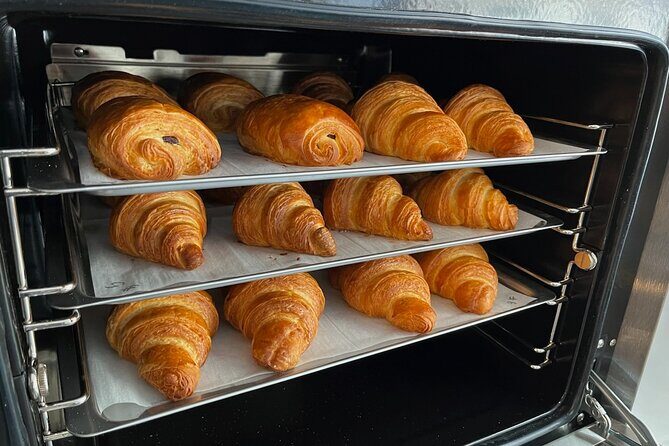
A recurring compliment in the reviews is how everyone gets to complete each step. That’s not just nice marketing language. In a well-run croissant class, the instructor keeps you from drifting into passive watching.
You’ll start with setup—equipment, aprons, and recipe guidance—then you move through a sequence of dough work: butter incorporation, turning, creating layers, shaping, and following the fermentation/rising plan tied to the schedule. The class is designed so you can still enjoy the “fresh out of the process” reward.
Depending on your comfort level, you might find croissant-making more work than you expected. One review notes the session is fun but also hands-on effort, and that it’s best if you’re open to putting in some elbow grease. Even if you’re not a regular baker, the small group size and step-by-step coaching help.
If you are an experienced baker, you’ll still benefit because technique language matters. Terms like pâton and feuilleter aren’t just academic—they translate into how you manage dough temperature, folding, and layering. Several people in the feedback mention learning new technical tips, even when they had prior baking experience.
Price and value: what $131.54 buys in Paris
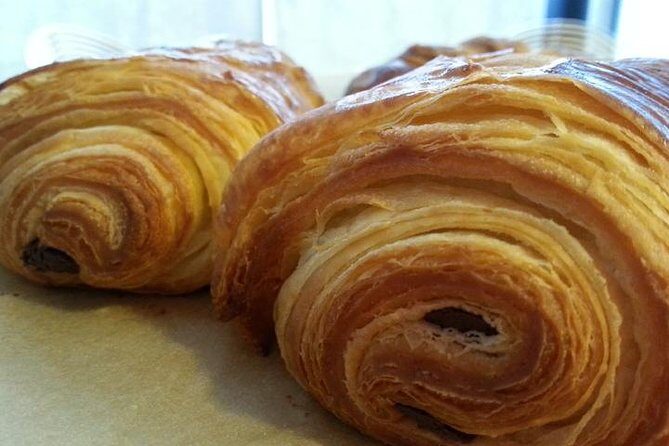
At $131.54 per person for about 3 hours, the cost might look high until you compare what you’re actually getting.
You’re paying for:
- A master pastry chef’s time
- A small group (maximum six)
- Equipment and aprons
- English recipes
- Tea and coffee
- Take-home pastries in take-home bags
- A staged approach that makes real croissant results possible within the class time
Most important for value: croissants are not cheap to fail. Ingredients and time add up, and laminated dough mistakes can waste a lot. Here, the class structure helps you land on a successful result you can eat right away and take home.
There’s also a perk tied to the 10th anniversary: an Everyday Gourmet French Tarts eBook. It’s not the main reason to book, but it nudges the experience beyond the single session, especially if you want to keep working in the pastry direction after you leave.
One more “value” angle: croissants are one of those foods where technique is the story. If you just want to eat one more pastry, Paris has plenty of that. If you want to understand the craft, this is a more efficient path than trying to learn purely by trial at home.
Where it leaves you after: what to do with your pastries

The class ends back at the meeting point. What you care about most is the output. You’ll take home croissants and pain au chocolat, and you’ll probably have enough to spread enjoyment over more than one sitting. Reviews mention people eating them for breakfasts and snacks later in the week, which lines up with the idea that you’re not leaving with just two small pieces.
Practically, this matters because it makes the class feel like more than a one-time activity. You get a “now” reward (freshly made pastries during/at the end of class) and a “later” reward (take-home pastries you can enjoy as you test your learning at home).
If you’re the kind of person who likes bringing gifts that aren’t generic souvenirs, this is a strong option. Food you made in Paris is personal, and it tastes like the place.
Who should book, and who might want to think twice
This class is ideal if you:
- Want hands-on French pastry skills, not a quick tasting
- Learn best with demonstrations followed by guided practice
- Like small-group instruction and asking questions while you work
- Care about technique names and what they mean in real dough
It might be less ideal if you:
- Don’t want kitchen work at all (this is not a sit-and-watch event)
- Are hoping for a wide range of fillings beyond croissants and pain au chocolat
- Need a “see Paris” morning more than a workshop morning (this is focused on baking)
If you’re traveling with a teen (15+), it can be a great shared activity because it’s structured and skill-based. Just remember the minimum age rule: children must attend with a registered adult.
Should you book this croissant breakfast class?
Yes, if you want real technique and a take-home payoff. The small group cap, the chef-led step-by-step teaching, and the focus on core laminated dough skills (beurrage, turns, feuilleter, la pousse) make it feel like a serious pastry lesson, not a tourist detour.
Book it especially if you’re the type who gets curious about how your favorite foods are made. Croissants stop being mysterious after you’ve handled the dough and understood what each stage is trying to accomplish.
If you only want an easy pastry snack, you might not get enough “freedom” from the class structure. But if you want to leave with pastries you can taste and skills you can repeat, this is a strong choice.
FAQ
What is the duration of the class?
The class runs for about 3 hours.
What is the group size limit?
Each class is capped at a maximum of 6 participants.
Is the class offered in English?
Yes. You receive an English language copy of the recipes.
What pastries will I make?
The class focuses on classic buttery croissants and pain au chocolat (chocolate-filled croissants). On Thursday morning classes, you also make bicolor croissants filled with chocolate pralin.
What’s included in the price?
It includes the French pastry chef, small-group instruction, aprons and all cooking equipment, English recipe copy, take-home bags, tea and coffee, and an Everyday Gourmet French Tarts eBook for the 10th anniversary.
How do I get to and from the class?
The experience does not include hotel pickup or drop-off, so you’ll need your own transportation. The activity ends back at the meeting point.
Do I need to report allergies or dietary needs?
Yes. You should advise any allergies or special dietary requirements at the time of booking.