
REVIEW · PARIS
Paris La Marais District Guided Walking Tour
Book on Viator →Operated by Z-Ocean Tours LLC · Bookable on Viator
Marais streets with real stories. This English walking tour is built for people who want more than postcards. In about two hours, you’ll connect revolutionary Paris, literary landmarks, and quieter memorials most visitors miss, all while moving through the neighborhood with a guide who keeps the details moving.
I especially like two things about this experience. First, the stop at Hotel de Ville puts you near the spaces where big French revolutionary plans took shape. Second, you get real time at Place des Vosges and Maison de Victor Hugo, so the architecture and the writing-life links in the Marais actually make sense.
One possible drawback: guide quality can be the difference between a lively, story-rich walk and a more factual but flat one. If you care a lot about exact dates or Jewish history coverage, I’d treat the tour as guide-dependent and be ready to ask follow-up questions if anything feels vague.
In This Review
- Key points to know before you go
- Getting Oriented in Le Marais Without Getting Lost
- Hotel de Ville: Where Revolutionary Planning Meets City Power
- Place des Vosges: The Square That Shapes the Whole Neighborhood
- Maison de Victor Hugo: Seeing Literature as a Real Address
- The Anne Frank Memorial Moment That Most People Miss
- Crossing the Oldest Bridge for River Views
- How Long Is Two Hours, Really?
- What You Pay: $48.16 for a Guide Who Changes the Neighborhood
- Who This Tour Fits Best (And Who Might Want Another Option)
- Booking This Tour: Should You Say Yes?
- FAQ
- How long is the Paris La Marais District Guided Walking Tour?
- What is the price per person?
- Is the tour offered in English?
- Where is the meeting point?
- How big is the group?
- Do I get a mobile ticket?
- Is admission included for the stops?
- Is free cancellation available?
- Are service animals allowed?
Key points to know before you go
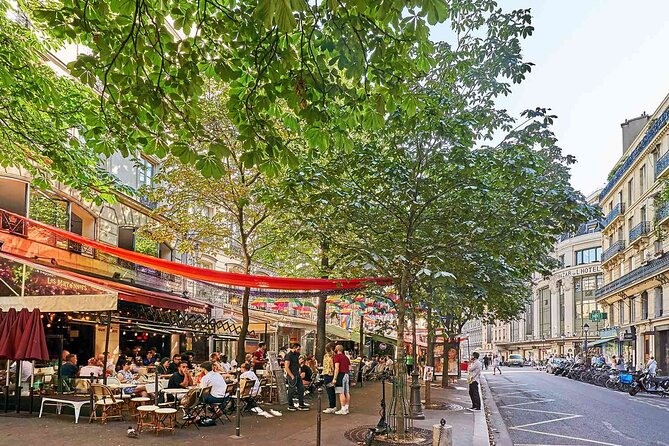
- Revolution + memory in one route: You’ll pass major civic ground at Hotel de Ville, then shift to a discreet Anne Frank memorial moment.
- Time-efficient stops: Short, well-timed visits around the core Marais sites help you keep momentum without feeling rushed.
- Great scenery beat: You’ll cross Paris’s oldest bridge for classic river views.
- Literature you can see: The Victor Hugo stop makes the Marais feel less like a museum zone and more like lived-in history.
- Food-and-people energy is welcome: Past guides have worked in small highlights like famous pastry stories and famous confection stops (depending on the guide and pace).
- Worth it when the guide clicks: Most feedback is enthusiastic, but one weaker experience shows how important guide style is.
Getting Oriented in Le Marais Without Getting Lost
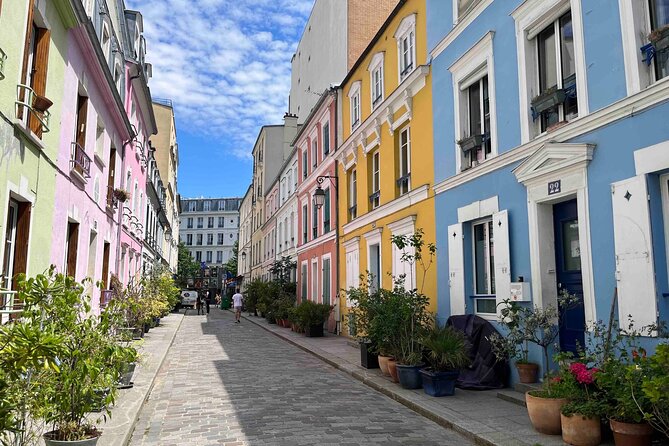
The best part of booking a guided walk here is that the Marais can be a maze if you’re winging it. You’ll start at 25 Bd de Sébastopol (right back there at the end), and you’ll be guided through the neighborhood in a way that helps you build a mental map fast. That matters because Le Marais isn’t one big sight; it’s a bunch of overlapping worlds.
This tour is designed for an easy walk pace and is described as suitable for most travelers. It’s also set up for practical comfort: service animals are allowed, and it’s near public transportation. The group size has a maximum of 50, so you won’t feel like you’re alone, but it’s also not the kind of herd-walk where nobody can hear. Some departures have even felt like a small group, which tends to make it easier to get answers to questions.
You’ll be in English, and you’ll get a mobile ticket. That’s useful in Paris, where getting the right entry line can save time. The main “logistics” trick for you is simply this: wear shoes you’re happy to stand and walk in for a couple of hours, because this is a neighborhood stroll with focused stops.
You can also read our reviews of more tours and experiences in Paris.



Hotel de Ville: Where Revolutionary Planning Meets City Power
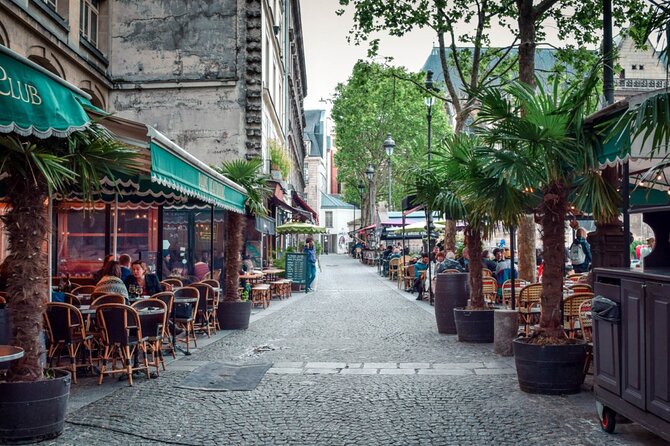
Your walk begins in the Le Marais area at Hotel de Ville, where the tour’s theme turns political and dramatic. The highlight here is standing where French revolutions were planned. Even if you’re not a politics superfan, this stop helps you understand the Marais as more than pretty streets. It was part of how Paris organized power and changed its mind.
Plan for a short visit here, and note that admission isn’t included for this stop. That doesn’t automatically mean you can’t go inside, but it means you should expect to handle any required entry separately if you want deeper access. In other words, treat Hotel de Ville as a strong orientation stop: you’ll learn what to look for and why this building and square area matter.
One more thing: this is where good guiding shows. When the guide links architecture to the human story, the stop turns from a photo moment into a real timeline. In past experiences with guides like Farhan, the tone has been friendly and story-driven, with extra personality that makes the building feel alive. Other guides like Robin have been praised for turning the area’s details into a clear narrative.
If you’re the kind of traveler who likes dates, names, and causes-and-effects, this stop is your cue. You’ll probably get more from it if you ask a simple follow-up like: What’s the key shift that happened here, and why does that still matter?
Place des Vosges: The Square That Shapes the Whole Neighborhood
After Hotel de Ville, you’ll move to Place des Vosges, one of the Marais’s signature spaces. This square is famous for a reason: it’s visually structured, calm-looking, and full of details that reward slowing down. The tour gives you time to understand the place as a hub, not just a background for selfies.
What makes Place des Vosges valuable on a guided walk is how it helps you read the Marais. The square becomes a reference point. Once you know how it’s laid out, a lot of nearby streets make more sense, and you stop feeling like you’re wandering.
The tour calls out this segment as a free admission stop. That’s your advantage. You can enjoy the architectural rhythm without feeling like you’re nickel-and-diming yourself into a fence-and-ticket approach. It’s a good place for taking short breaks too, because you can look around and reset your bearings.
Place des Vosges also works well for travelers who’ve been to Paris before. If you’ve seen plenty of big monuments already, this is the kind of stop that adds texture. The Marais isn’t only history; it’s the way Paris tried to make city life orderly, stylish, and walkable. Even if you only spend a quarter hour here with your guide, it can change how you see the rest of the neighborhood.
Maison de Victor Hugo: Seeing Literature as a Real Address
Next comes Maison de Victor Hugo, another highlight with free admission. This is where the tour shifts from civic drama into personal, creative life. Victor Hugo is one of those names that everyone has heard, but a home like this helps you understand him as a living presence in Paris, not just a school-book figure.
The tour schedules about 20 minutes here, which is enough time to catch the big ideas without getting stuck in long lines or feeling rushed. The best guided version of this stop isn’t just about facts; it’s about context. A good guide can connect Hugo to the feel of the Marais: talk about what kind of Paris a writer would choose, and why this neighborhood’s character matches that kind of work.
Past guides have been praised for pairing hard facts with charming anecdotes. People have mentioned how the tour introduced stories like Blaise Pascal alongside the literary side of the neighborhood. That kind of cross-linking is what makes a guided route better than reading a plaque on your own. You walk out feeling like you learned how multiple famous thinkers were part of the same Paris web.
If you’re traveling with kids, or if you just don’t want a lecture style experience, this is often the “sweet spot” stop on tours like this. You’re not stuck staring at one thing forever. You’re moving, learning a little, and getting back to street-level Paris quickly.
The Anne Frank Memorial Moment That Most People Miss
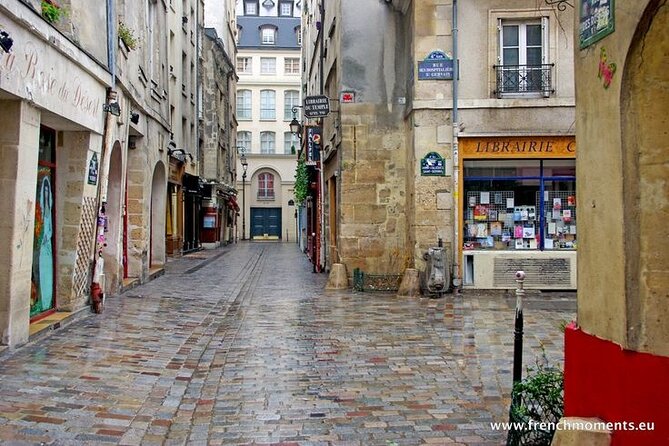
One of the most specific highlights is the tour’s plan to help you find a hidden Anne Frank memorial most visitors miss. This is a serious moment, and it’s also easy to accidentally skip if you’re just sightseeing on your own through the Marais.
What I like about this inclusion is that it makes the tour’s emotional arc more complete. You get civic and cultural history first, then memory and consequence. Done well, the guide doesn’t turn it into a quick stop for a photo. It becomes a moment to slow down and understand why the Marais mattered to Jewish families and to the story of survival and remembering.
There’s also a practical angle for you. Because it’s described as discreet, you’ll likely miss it without local direction. So treat this part as your “pay attention” checkpoint. If your guide is engaging, you’ll come away feeling like you truly saw something purposeful, not just walked past another landmark.
That said, a balanced caution is fair. One low-rated experience described insufficient detail around Jewish history. The takeaway for you is simple: if Jewish history and accurate storytelling matter to you, ask one direct question during the memorial portion. Something like, Can you explain what I’m looking at and why it’s here. A good guide should be able to answer with confidence.



Crossing the Oldest Bridge for River Views
Toward the end of the walk, the tour highlights a classic Paris visual: you’ll cross Paris’s oldest bridge for perfect river views. This is the kind of segment that makes a walking tour feel like more than just buildings. Paris is visual, and the river makes the city click.
Even if you think you know Paris already, river views change your sense of scale. On top of that, crossing a historic bridge is a reminder that movement and trade helped shape neighborhoods like the Marais. These places didn’t exist in isolation; they were connected.
This is also a nice “breather” moment. After the more concentrated landmark stops, the bridge gives you time to look around, take photos, and enjoy the light. It’s a good time for you to stop and check your phone maps if you want, but I’d suggest staying present. Bridges are where you’ll notice lines of buildings and street angles you don’t see from inside courtyards.
How Long Is Two Hours, Really?
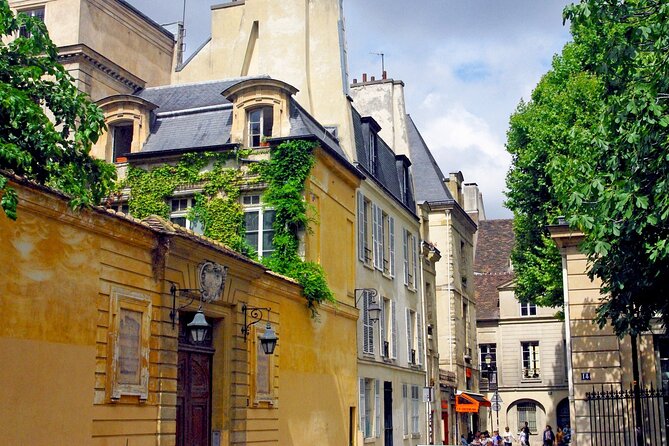
A big question for any walking tour is whether the schedule feels padded or tight. This one is built around short stop blocks (roughly 15 minutes at key squares and 20 minutes for the Victor Hugo home). That structure usually works well because you’re not stuck in one place while everyone else queues for entry.
Two hours is also long enough to get more than “hello Paris” sightseeing. You’ll leave with an improved mental map and a handful of stories that connect spots together. For a city like Paris, that’s where value hides: in understanding how the pieces relate, not just ticking boxes.
What you should watch for is guide tempo. Some guides are fast and animated; others are slower and more reserved. The tour can still be good either way, but if you get a more flat delivery, the time can feel longer. The schedule helps prevent over-stuffing, but it can’t fix storytelling that doesn’t land.
What You Pay: $48.16 for a Guide Who Changes the Neighborhood
At $48.16 per person for about 2 hours, you’re paying for a human guide to translate the Marais’s maze into a story you can actually carry with you. This isn’t a museum ticket price; it’s a service price.
Where the value tends to show:
- You’ll cover a set of high-meaning stops without you having to plan the route.
- You get help finding quieter sites like the Anne Frank memorial moment.
- You’ll connect civic history, literature, and the river view into one line you can remember.
Where it might feel less worth it:
- If the guide relies only on memorized descriptions with few engaging connections, your return on time drops.
- If you want deep indoor time at multiple sites, note that Hotel de Ville admission isn’t included, while other stops are free. You might still spend extra time (or money) if you add entry on your own.
To get the best value, arrive ready to ask questions. A good guide can turn a simple question into a better story than any printed card.
Who This Tour Fits Best (And Who Might Want Another Option)
This tour is ideal if you:
- Like walking through neighborhoods where history is woven into streets.
- Want help finding a discreet memorial like the Anne Frank site.
- Prefer a mix of civic, literary, and everyday Paris atmosphere.
- Appreciate a guide who brings anecdotes and a clear narrative.
It may not be your best match if you:
- Want a heavy focus on one single theme (for example, only Jewish history) with long time inside specific institutions.
- Need lots of time for indoor visits. The schedule is short by design, and Hotel de Ville admission isn’t included.
One more practical note. Some guides have names you might recognize from past groups. People have praised guides such as Farhan, Robin, Mahi, Mahma, and Regina for friendliness and pacing. You can’t choose the guide from the information provided, but you can take this as reassurance that many departures have had strong, personable delivery.
Booking This Tour: Should You Say Yes?
I’d recommend this tour if your goal is a smart, story-led orientation to Le Marais in a couple of hours. The blend of Hotel de Ville, Place des Vosges, Maison de Victor Hugo, a memorial moment, and a river crossing gives you variety without feeling scattered. The free-admission stops are also a quiet win.
Before you book, think about one thing: how much you value a guide who can tell a story well. If you’re sensitive to weak guiding, you’ll be happier if you go in ready to ask questions and steer the conversation toward what matters most to you. If your interests match what the route already highlights, you’ll likely get your money’s worth.
FAQ
How long is the Paris La Marais District Guided Walking Tour?
It lasts about 2 hours.
What is the price per person?
The price is $48.16 per person.
Is the tour offered in English?
Yes, it is offered in English.
Where is the meeting point?
The tour meets at 25 Bd de Sébastopol, 75001 Paris, France, and it ends back at the same meeting point.
How big is the group?
The maximum group size is 50 travelers.
Do I get a mobile ticket?
Yes, this activity uses a mobile ticket.
Is admission included for the stops?
Admission ticket details vary by stop. Admission is not included for Hotel de Ville. Admission is free for Place des Vosges and Maison de Victor Hugo.
Is free cancellation available?
Yes. You can cancel up to 24 hours in advance for a full refund.
Are service animals allowed?
Yes, service animals are allowed.