REVIEW · PARIS
Paris: Louvre Museum Tour Mona Lisa & Iconic Masterpieces
Book on Viator →Operated by GetYourGuide France · Bookable on Viator
The Louvre can feel like a maze.
This 2-hour Mona Lisa & iconic masterpieces tour is built for clarity, not chaos. You get a structured path through Renaissance stars and ancient Greek powerhouses, plus stories that connect the art to the building itself.
What I like most is the reserved entry plus the use of audio headsets, so you don’t miss details while keeping your eyes on the paintings. Another big win is that the tour is short enough to leave you time to explore after, instead of turning your day into one long sprint.
One thing to keep in mind: even with reserved access, you still go through security, and on busy days groups can feel rushed. The fix is choosing a calmer time slot and arriving a little early.
In This Review
- Key Takeaways Before You Go
- Why a 2-Hour Louvre Highlights Tour Makes Sense
- Meeting at Le Kiosque des noctambules and Getting In Smoothly
- Inside the Tour: The Big Picture in One Path
- The Louvre Museum Stop: Foundations, Then Masterpieces
- The Basement Foundations: The Building’s Backstory
- Ancient Greek Sculpture: Venus de Milo and Winged Victory
- Renaissance Portrait Power: Mona Lisa Up Close
- Painting Galleries and Prints: From 13th to 19th Century
- The Royal Collection Touch
- Audio Headsets: Hearing the Guide While You Still See the Art
- How Crowds and Timing Shape Your Experience
- The Price: Is $108.13 Good Value?
- What to Expect When the Tour Ends (So You Don’t Get Trapped)
- Who This Louvre Tour Fits Best
- Should You Book This Louvre Mona Lisa and Iconic Masterpieces Tour?
- FAQ
- How long is the Louvre tour?
- Is the museum admission included in the price?
- What language is the tour in?
- Where do I meet the tour?
- Can I explore the Louvre after the tour ends?
- How large is the group?
Key Takeaways Before You Go
- Reserved museum entry (big time saver): You skip the most painful part of the ticket hunt, though security can still have lines.
- Audio headsets for real listening: You can hear the guide clearly without craning your neck.
- Covers the Louvre’s biggest hits fast: Venus de Milo, Winged Victory, and Mona Lisa, plus more than just the obvious.
- Time after the tour to wander: You’re left inside the museum so you can move at your own pace afterward.
- Small-group feel: Max size is 25, which matters in a museum this crowded.
Why a 2-Hour Louvre Highlights Tour Makes Sense
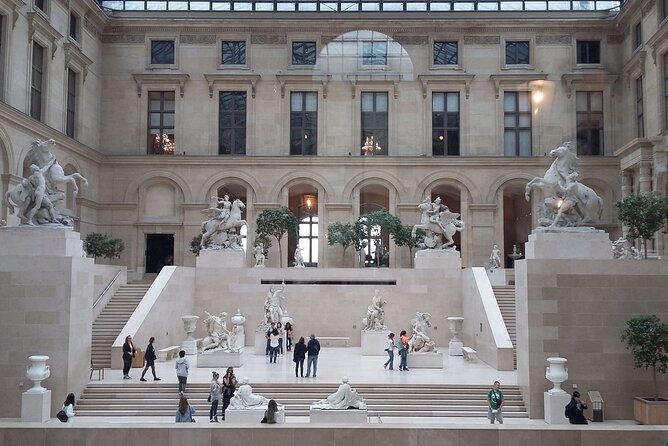
The Louvre is huge. Like, you can get lost in three rooms and then suddenly wonder where the exits went.
A highlights tour like this works because it gives you a route with stops that actually make sense together. In just about two hours, you cover Renaissance portrait-land and ancient Greek sculpture-land, then you get set up to explore on your own after.
You also avoid the most common first-time Louvre mistake: spending your energy trying to figure out where to go instead of enjoying what you came to see. The guide keeps the flow moving, and the headsets help you follow along even when the crowd presses in.
And because you’re not doing this as a full-day museum marathon, you’re more likely to remember what you saw. Shorter visits often mean better focus, not less wonder.
You can also read our reviews of more tours and experiences in Paris.



Meeting at Le Kiosque des noctambules and Getting In Smoothly
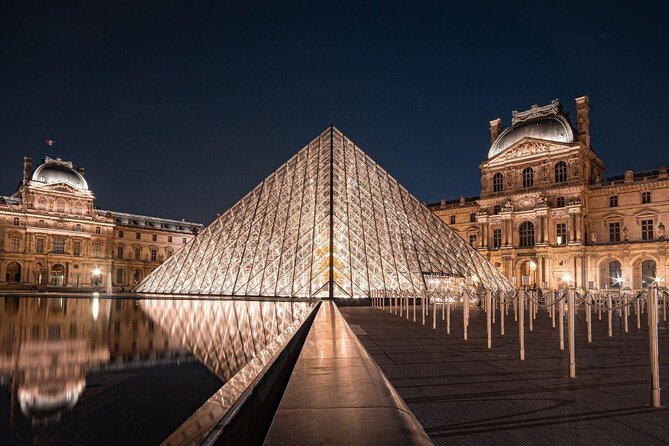
The meeting point is Le Kiosque des noctambules, 12 Pl. Colette, 75001 Paris. You’ll end inside the Louvre afterward, and once you’ve exited the wings and are under the pyramid, you cannot re-enter those rooms. (So yes, plan to wrap the tour, then commit to your own exploring inside the rest of the museum area.)
This is a group tour with a maximum of 25 travelers, which helps, but it doesn’t change one reality: the Louvre has security checks.
A practical tip: arrive at least 10 minutes early. The tour starts with a group check-in, and if your group is waiting, you’ll feel it. One review specifically called out that the meeting point can be confusing if you show up at the last second. The good news is the meeting spot is clearly listed with confirmation details—so read that message and use it like your map.
You also get pre-reserved entry. That’s the difference between spending your energy chasing tickets and actually getting into the museum with momentum.
Inside the Tour: The Big Picture in One Path
Even though the Louvre has thousands of objects, this experience stays on a focused theme: major European art movements plus the ancient roots that fed them.
You’ll see:
- Renaissance treasures, where emotion, realism, and symbolism take center stage
- Ancient Greek masterpieces, especially sculpture that still feels shockingly modern
- Later paintings and prints, spanning centuries of changing tastes and techniques
The guide doesn’t just point. The idea is that you understand why these works were prized, how the Louvre got them, and what details to notice while you’re standing in front of the actual piece.
If you like art history as a story instead of a lecture, this pacing tends to work well.
The Louvre Museum Stop: Foundations, Then Masterpieces
Your tour time is spent entirely inside the Louvre, with a highlights route that starts broad and narrows into the famous centerpieces.
The Basement Foundations: The Building’s Backstory
Early on, you get a view in the basement showing the foundations of the castle that used to stand on the site. This part is worth it because it changes how you think about the building.
Instead of seeing the Louvre only as a giant museum hall, you start noticing it as a layered site—palace, castle, museum—stacked over time. It’s one of those moments where the art context becomes real because the building itself has history you can literally point to.
If you’re the type who likes to understand where you are before looking at what’s inside, this adds value fast.



Ancient Greek Sculpture: Venus de Milo and Winged Victory
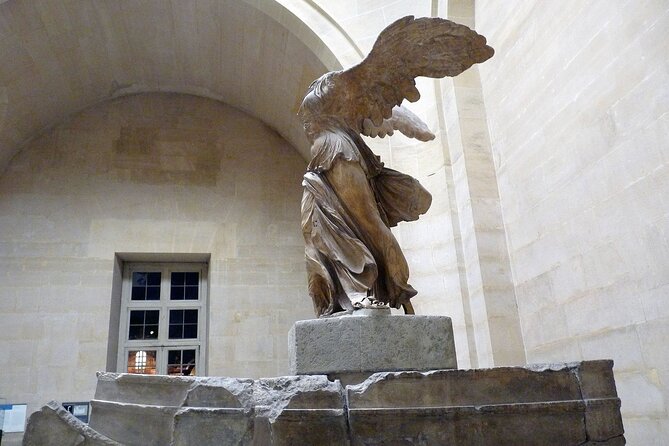
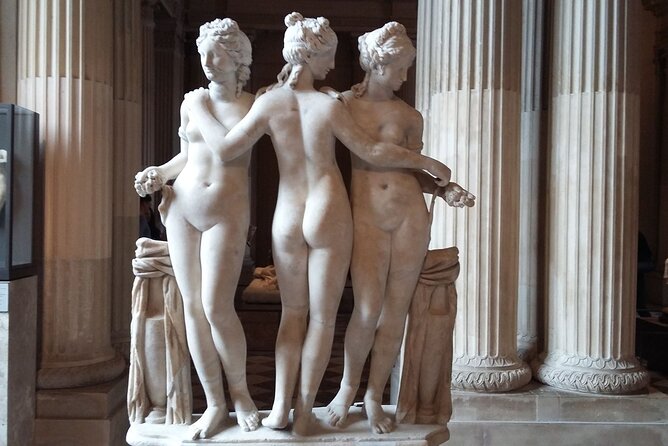
Then it’s straight into the ancient world. The tour highlights major classics, including Venus de Milo and The Winged Victory of Samothrace.
Standing in front of Winged Victory can be a little surreal because the sculpture feels like motion. The guide’s job here is to give you the right way to look—what to notice in the pose, how the body and drapery do the storytelling, and why this kind of sculpture became an enduring reference point for later artists.
Venus de Milo brings a different feeling—more timeless and iconic. The guide’s commentary helps you see beyond the famous silhouette and into the details people used to study and collect.
This is one of the best parts of a highlights format: you get to focus on sculpture in person rather than just reading about it on your phone.
Renaissance Portrait Power: Mona Lisa Up Close
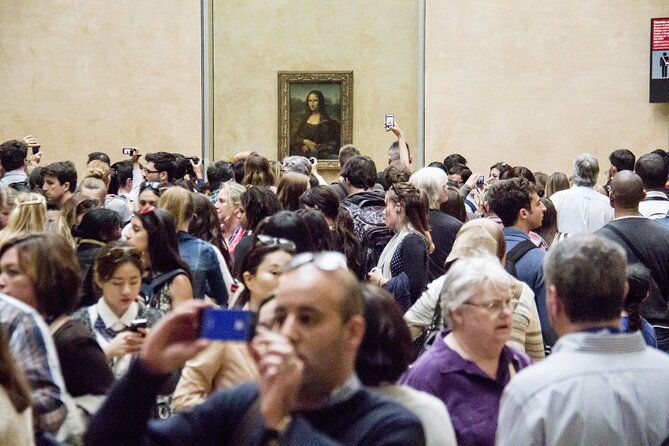
Of course, the centerpiece is Mona Lisa. And yes, the crowd around it can be intense. That’s not the tour’s fault. But having a guide route you there as part of a plan helps you deal with the crush and still make the most of the time you have.
The tour emphasizes why the painting is famous and what makes it different from other portraits in the collection. You’re not just staring at a face; you’re getting a framework for what to look for and why people keep returning.
One more practical note: even with a guided visit, getting close for photos is its own battle. The best strategy is to accept that the crowd is part of the experience, then focus on the details you can actually see rather than trying to manufacture a perfect photo moment.
Painting Galleries and Prints: From 13th to 19th Century
The route also includes paintings from the 13th to 19th centuries, plus prints from the Royal Collection.
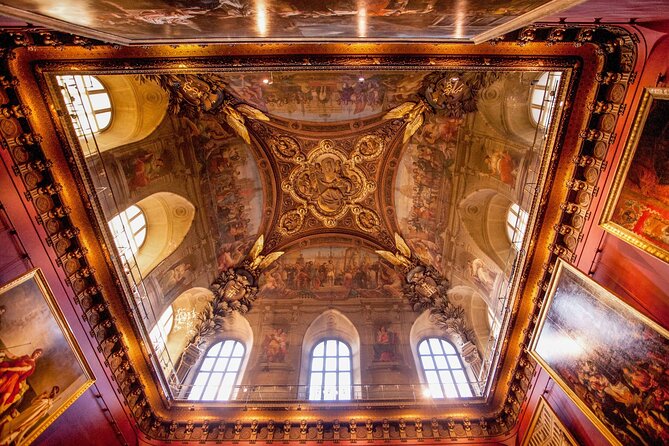
This matters because the Louvre isn’t only one era. If you come expecting a single style, you’ll leave wondering how the museum threads generations together. The guide connects the art to the broader story of French history and culture, so the transition across centuries doesn’t feel random.
It’s also the section where the tour format can be a balancing act. With only two hours, the guide has to pick what to hit hardest. If you’re hoping for long pauses in every gallery, you won’t get that on this kind of route. But you will get the map of where to spend your extra time later.
The Royal Collection Touch
You also get time that includes Royal Collection prints. This is a good change of pace. Prints are often easier to “read” as art history because they show how artists reproduced, studied, and refined ideas.
If you like variety, this gallery stretch helps keep the tour from feeling like a one-note sprint.
Audio Headsets: Hearing the Guide While You Still See the Art
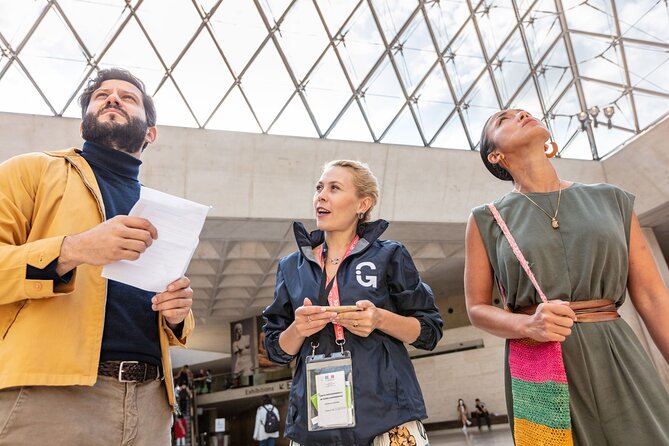
The tour includes audio headsets, which is a real quality-of-life feature in the Louvre. Gallery noise and crowd volume are real. Without headsets, you end up half listening and half guessing.
With headsets, you can keep your attention on what’s in front of you and still catch the guide’s key points.
That said, headsets are still physical gear. One review noted the headset was uncomfortable for a 12-year-old, and the practical workaround is to bring your own comfortable earphones if you have them. If you’re picky about fit, this is a simple way to avoid a minor annoyance turning into a bigger distraction.
How Crowds and Timing Shape Your Experience
The biggest variable here is crowd level. On weekends or peak times, you’ll see congestion at entrances, and security lines can stretch.
Some guests specifically called out being stuck in a line even with skip-the-line access. Here’s the honest distinction: reserved entry typically helps you avoid the worst ticket line, but you still enter through the museum’s required checks. That’s just how the Louvre works.
The guide can also affect the feel of the tour. In many accounts, guides navigated crowds well and kept pace. But a few experiences described a pace that felt too quick, meaning the group spread out and some people had to catch up later.
So what should you do?
- Pick a less crowded time slot when you can
- Show up early so your group starts calm
- Treat this as a highlights tour, not a slow art meditation
If you want a slower vibe, plan to return after the tour and choose a smaller set of galleries to explore without a schedule.
The Price: Is $108.13 Good Value?
Let’s talk value in plain terms.
You pay $108.13 per person, and the ticket component included is €22. That means you’re primarily paying for two things: a guided route through the key works and the convenience of reserved entry with audio headsets.
Is it expensive? Compared with DIY, yes. Compared with the time you save, it can feel fair fast.
Here’s where the value shows up:
- You get a structured route through the museum’s most famous works
- You avoid the long ticket line that can eat half your day
- You get expert context so you’re not just staring at famous objects with no story
- You still keep time afterward to wander the museum at your own pace
If you’re visiting for the first time and you want to leave with a clear sense of what the Louvre is, the guide time is often worth the money. If you’re an experienced museum browser who already knows exactly which rooms you want, you might be able to DIY for less. But this tour is designed to remove the guesswork.
What to Expect When the Tour Ends (So You Don’t Get Trapped)
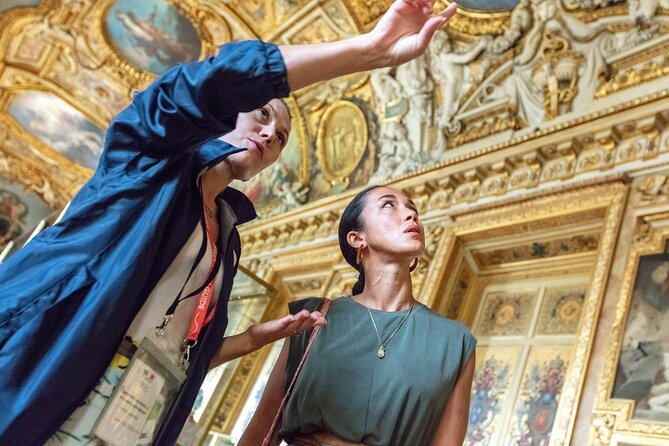
At the end, you’ll be left in the Louvre where you can stay and explore after the tour.
But pay attention to the boundary described: once you’ve exited the wings and you’re under the pyramid, you cannot re-enter the rooms. That means your best move is to do your final wandering with the exit rule in mind.
Think of the tour as your “entry and orientation chapter.” After that, you can spend time where you actually want to linger—Greek sculpture rooms if that’s your thing, Renaissance portraits if the vibe hit you, or paintings and prints if you want broader coverage.
Who This Louvre Tour Fits Best
This experience is ideal if:
- You want the highlights without building a game plan from scratch
- You like art history tied to what you’re seeing in real time
- You’re short on time and still want the big hits: Mona Lisa, Venus de Milo, Winged Victory
- You prefer a guided pace but still want freedom afterward
It may be less ideal if you:
- Want long, slow viewing of fewer works
- Hate any feeling of rushing, even if it’s brief
- Plan to rely on phone audio only and skip structured guidance
Families can work well with a guided highlights route, especially since the guide can keep the day moving and the headsets can help everyone stay connected to the narration.
Should You Book This Louvre Mona Lisa and Iconic Masterpieces Tour?
I’d book it if this is your first or second Louvre visit and you want the famous works with context, not just selfies. The combination of reserved entry, a 2-hour highlights route, and audio headsets is a strong match for a museum that punishes aimless wandering.
I’d think twice if you’re extremely crowd-sensitive or you want to linger for an hour in one gallery. In that case, you might prefer a more flexible self-guided approach and pick your own priorities.
My practical advice: choose a calmer time slot when possible, arrive early at Le Kiosque des noctambules on Pl. Colette, and use the tour as your Louvre starter pack. Then spend your extra energy after the tour where it feels most interesting to you.
FAQ
How long is the Louvre tour?
It runs for about 2 hours.
Is the museum admission included in the price?
Yes. The tour includes an entrance ticket worth €22, plus the guided portion.
What language is the tour in?
The experience is offered in English.
Where do I meet the tour?
Meet at Le Kiosque des noctambules, 12 Pl. Colette, 75001 Paris.
Can I explore the Louvre after the tour ends?
Yes, you’ll be left in the Louvre where you can stay after the tour. But once you’ve exited the wings and are under the pyramid, you cannot re-enter the rooms.
How large is the group?
The group size has a maximum of 25 travelers.