REVIEW · PARIS
Paris: Montmartre Hill & Sacré-Cœur Guided Walking Tour
Book on GetYourGuide →Operated by Z-Ocean Tours LLC · Bookable on GetYourGuide
You feel the pull of Montmartre fast. This guided walk threads you through the artist neighborhood’s twisty streets and up to Sacré-Cœur for a top-of-the-hill Paris panorama. I love the street-level stories about famous residents like Picasso, Van Gogh, and Toulouse-Lautrec, and I like the small group feel (limited to 10) that makes the tour feel personal. The main drawback to plan around is the uphill walking, and you may want the funicular for the steepest parts.
You’ll start near the famous Moulin Rouge area, then work your way toward Place du Tertre and the lively stretch around Rue Abbesses. Along the route, the guide’s job is to connect what you’re seeing with what made Montmartre tick—artists, singers, and even saints all get woven into the walk.
One thing that stood out from guide quality: names like Robin and Farhan came up in recent experiences, both described as warm and ready with details. That said, your enjoyment will depend on how you match the pace to your own stamina, since hills and steps are part of the deal.
In This Review
- Key Things You’ll Notice on This Montmartre Walk
- Why Montmartre Feels Like More Than Just Pretty Streets
- Finding the Tour Meet-Up Near Moulin Rouge (and What to Wear)
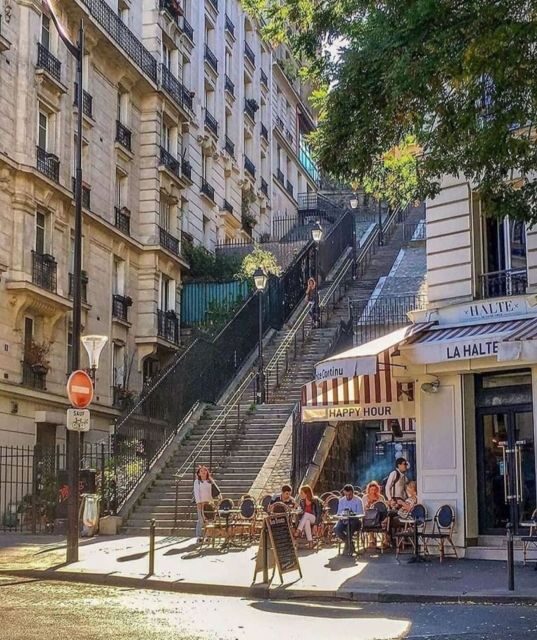
- The Climb Through Montmartre’s Winding Streets
- Rue Abbesses and Place du Tertre: Two Stops That Anchor the Neighborhood
- Sacré-Cœur at the Top: Views, Timing, and the Real Photo Rule
- Pacing on a 2-Hour Walk: What to Expect From the Tempo
- Price and Value: Is $50 Worth It for Montmartre?
- Who This Tour Best Suits (and Who Should Rethink It)
- Should You Book Montmartre Hill & Sacré-Cœur?
- FAQ
- How long is the Montmartre Hill & Sacré-Cœur guided walking tour?
- How much does the tour cost?
- Where do I meet the guide?
- Is this tour in English?
- Is the group large?
- What is included in the price?
- Do I need to buy a ticket for Sacré-Cœur?
- Can I take photos inside Sacré-Cœur?
- What should I bring?
- Should I book this tour?
Key Things You’ll Notice on This Montmartre Walk
- Montmartre street stories you can place in real time, not random facts
- Place du Tertre and Rue Abbesses as key stops in the neighborhood’s layout
- Sacré-Cœur hilltop views that make the effort worth it
- Picasso, Van Gogh, and Toulouse-Lautrec anecdotes tied to the streets themselves
- A true small group format (up to 10 people), so questions stay practical
- A funicular backup for steep sections if your legs need help
Why Montmartre Feels Like More Than Just Pretty Streets
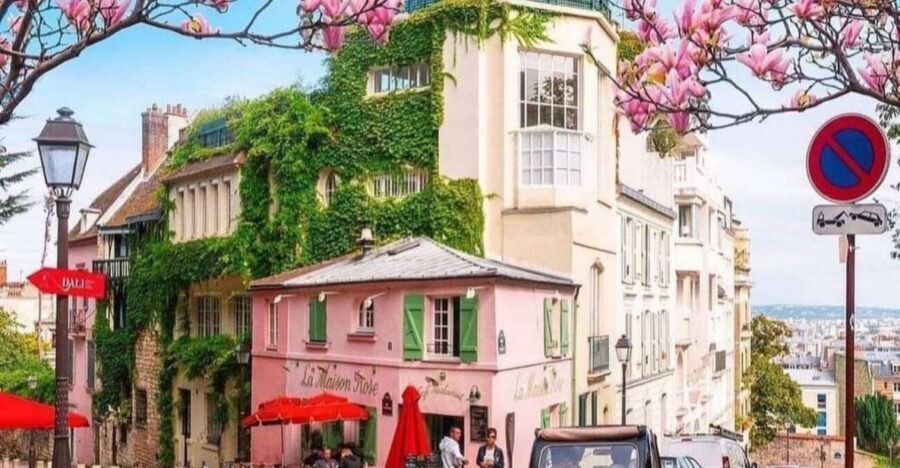
Montmartre is often described as charming, but a guide changes what you notice. Without context, you can end up snapping photos and moving on. With a guide, you start connecting street names, corners, and viewpoints to the people who shaped the neighborhood’s reputation.
What I like here is that the tour doesn’t just list names. It links the area to creative chaos—stories about famous painters, singers, and saints show up as you walk the neighborhood. The focus is on why this hill became a magnet for artists and how that energy turned into the Montmartre you picture in your head.
If you’re a first-timer, this kind of narrative walk helps you build a mental map. You learn where things sit relative to each other, so later, when you return on your own, you’ll feel oriented instead of lost in a maze of lanes.
You can also read our reviews of more walking tours in Paris



Finding the Tour Meet-Up Near Moulin Rouge (and What to Wear)
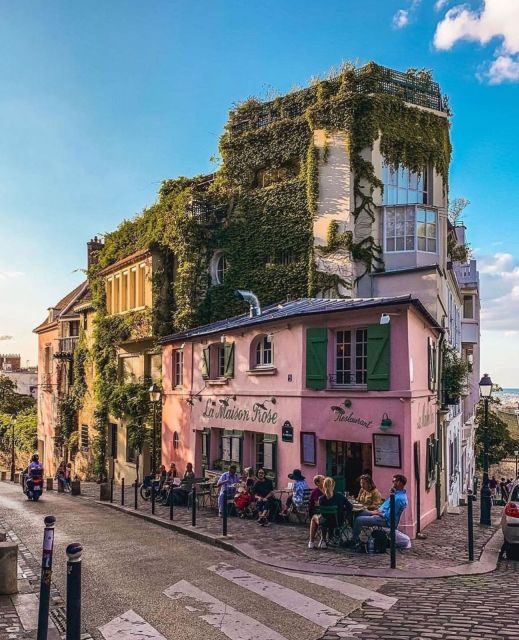
The meeting point is simple but specific: Exit Via Blanche metro station, and the guide meets you in front of the Moulin Rouge. That matters because Montmartre streets shift quickly; if you arrive late or confused, you can waste your energy before the walk even starts.
Wear comfortable shoes. This isn’t a flat city stroll. You’ll be going uphill as you climb toward Sacré-Cœur, and there can be stairs along the way. If you’re someone who gets knee pain on steep grades, treat the funicular as a real option rather than a last-minute thought.
Also, plan your timing with the Sacré-Cœur rules in mind. Photography is not allowed inside the church, so don’t plan on a photo-filled indoor stop. You can still enjoy photos outside and from the hilltop views, but the interior needs to be experienced without your camera out.
The Climb Through Montmartre’s Winding Streets
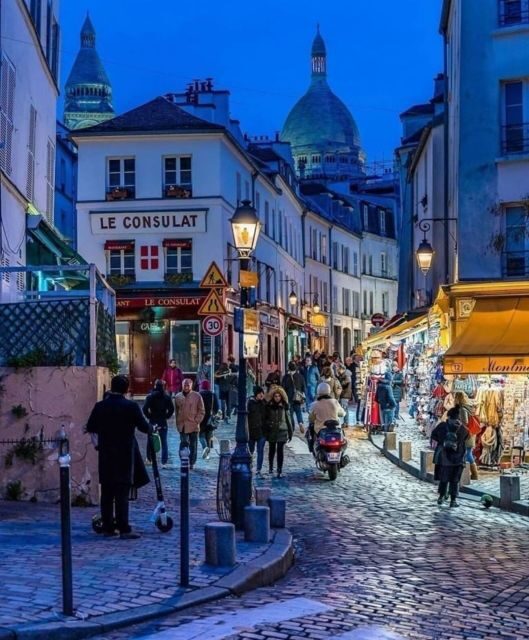
The walk begins in Montmartre and moves through narrow, winding streets where the vibe shifts block to block. As you head uphill, the guide stops to add context: who lived and worked around here, what the streets were like historically, and why the neighborhood earned its reputation.
This is where the small group format can pay off. With up to 10 participants, you’re not stuck listening from the back of a crowd. It feels easier to ask questions, especially if you’re curious about how all the famous names tie into a place you can actually stand in.
You’ll also hear about the wild antics of creative figures—Picasso, Van Gogh, and Toulouse-Lautrec show up in the story thread. The point isn’t to turn the tour into a lecture; it’s to help you notice details you’d otherwise skip, like how certain routes line up and why some streets became symbols of the area.
If you’re expecting the tour to cover a massive distance with constant downhill rest breaks, this may not match that. The hill is part of the experience, and the pacing assumes you’re willing to work a little.
Rue Abbesses and Place du Tertre: Two Stops That Anchor the Neighborhood
At around the midpoint, you’ll stop in Place du Tertre, described as one of Paris’s most famous squares. Think of it as a pause point: a place where Montmartre’s public face shows up and you can reorient before continuing.
Then you’ll stroll along Rue Abbesses, another neighborhood anchor. Rue Abbesses matters because it helps you understand how Montmartre developed from everyday streets into a distinct destination. The tour frames it as a street with a story, not just a shortcut.
The practical benefit: these are stops where you can slow down and actually look around. If you’ve only got a limited time in Paris and you want one neighborhood to feel like a destination, this tour gives you that. You’re guided through the streets, but you also get moments where you can absorb what’s around you.
One note for expectations: the tour is 2 hours. That’s plenty for an active walk with story stops, but it’s not designed for long, slow wandering. If you’re the type who wants to linger in every side street, plan to explore on your own afterward.
Sacré-Cœur at the Top: Views, Timing, and the Real Photo Rule
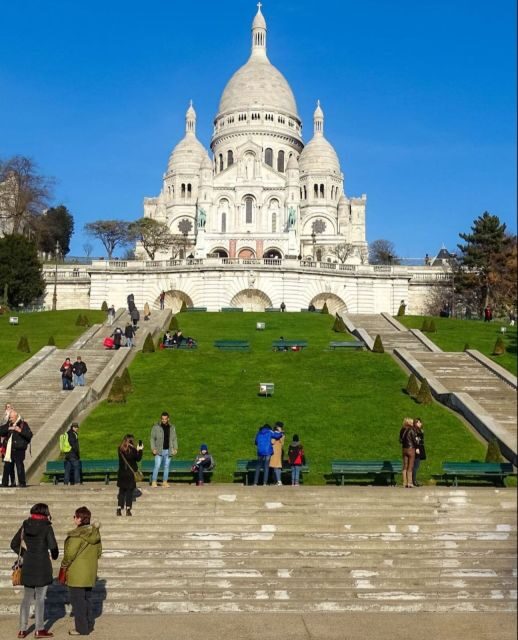
Reaching Sacré-Cœur is the payoff. At the top of Montmartre Hill, you get a panoramic view of Paris that makes the climb feel worth it. This viewpoint is one of the best reasons to do Montmartre with a guide at all—you not only arrive, you arrive with the context that makes the scenery feel meaningful rather than random.
About access: the tour includes skipping the ticket line. In real life, though, entry timing can vary. Even when line-saving is part of the plan, you may still encounter some waiting once you’re close. So don’t build your whole day around a perfectly timed, no-wait church visit.
Photography inside is the key rule you should follow: no photos inside the Sacré-Cœur church. You can absolutely enjoy the building, but you’ll want to switch from camera mode to observation mode once you’re inside.
If the hill feels like too much, the tour offers a simple workaround: take the funicular for the steepest section. That option keeps the experience accessible for more people, as long as you’re comfortable with the idea that the funicular changes the walking path a bit.
You can also read our reviews of more guided tours in Paris





Pacing on a 2-Hour Walk: What to Expect From the Tempo
A 2-hour walking tour sounds neat on paper. In practice, the pace depends on the group and the flow of the route. This tour is a small group (up to 10), and that can help keep things moving without feeling rushed.
Still, uphill routes can be unpredictable. Stairs, narrow passages, and brief stops for stories all affect how quickly you cover ground. One helpful mindset: treat the timing as a structure, but be flexible about the pace—especially if you need more breaks.
Based on recent experiences described by different guests, guide style can also shift the feel of the walk. Some guides are quick to steer you through the streets; others may slow down for questions or photo moments. That’s not inherently good or bad—it’s just something to keep in mind.
If you’re the person who needs clear, frequent photo opportunities, don’t assume the tour will function like a professional photo shoot. The safest move is to rely on your own phone/camera for shots outside and for the panoramic views, then use the guide for composition tips when they share them.
Price and Value: Is $50 Worth It for Montmartre?
At $50 per person for a 2-hour English guided walking tour, the value comes down to one question: how much do you want help turning Montmartre into a story you’ll remember?
You’re paying for:
- a live guide
- a curated walk through Montmartre’s key areas (including Place du Tertre and Rue Abbesses)
- the hilltop payoff at Sacré-Cœur
- the promise to skip the ticket line
- a small group experience (limited to 10)
If you’re the kind of traveler who loves art history and people with big personalities, this is a strong value. The stories about Picasso, Van Gogh, and Toulouse-Lautrec help you “read” the neighborhood instead of just sightseeing it.
If you mainly want a self-paced photo walk with minimal talking, you may find it pricey relative to walking Montmartre on your own. Also remember: food and drinks aren’t included, and the tour can include steep sections. So you’ll want to plan a little around what you’ll do after the tour, not during it.
My practical take: this is worth it if you’re short on time and want Montmartre to make sense fast. It’s less worth it if you want total control of your pace and you’re already comfortable exploring the area independently.
Who This Tour Best Suits (and Who Should Rethink It)
This guided walk is a good match for:
- first-time visitors who want Montmartre to feel coherent
- people who like art and cultural history but prefer it tied to streets instead of museums
- travelers who enjoy panoramic rewards and don’t mind walking uphill
It’s not the best match if:
- your knees or legs struggle with steep stairs
- you need a very relaxed pace with lots of free time inside Sacré-Cœur
- you expect food or drinks to be part of the experience (they’re not included)
If you’re unsure about the climb, lean on the funicular option. It’s there for a reason, and using it early can keep the rest of your day enjoyable instead of painful.
Should You Book Montmartre Hill & Sacré-Cœur?
Book it if you want a guided way to understand Montmartre’s artist identity and you like the idea of walking up to Sacré-Cœur for big Paris views. The small group size and focus on specific neighborhood stops (Rue Abbesses, Place du Tertre, and Sacré-Cœur) make it a solid use of limited time.
Skip it or choose a more flexible plan if you’re sensitive to uphill walking or you’re hoping for lots of indoor time. Also be realistic about photos inside Sacré-Cœur and about line-saving: it helps, but it’s not magic.
FAQ
How long is the Montmartre Hill & Sacré-Cœur guided walking tour?
The tour lasts 2 hours.
How much does the tour cost?
The price is $50 per person.
Where do I meet the guide?
Meet the guide at Exit Via Blanche metro station, in front of the Moulin Rouge.
Is this tour in English?
Yes, the live tour guide speaks English.
Is the group large?
No, it’s a small group with a limit of 10 participants.
What is included in the price?
The price includes the guide and the walking tour.
Do I need to buy a ticket for Sacré-Cœur?
A funicular ticket is not included (optional), and food/drinks are not included. The tour also notes skip the ticket line, but ticket details beyond that aren’t listed here.
Can I take photos inside Sacré-Cœur?
No. Photography is not allowed inside the church.
What should I bring?
Bring comfortable shoes, since the tour involves uphill walking.
Should I book this tour?
If you want a short, story-led introduction to Montmartre and a hilltop view at Sacré-Cœur, this fits well—especially with the small group size. If your legs struggle with steep walking, plan on using the funicular for the steepest part.