REVIEW · PARIS
Paris: Mixology Workshops
Book on GetYourGuide →Operated by Love Tonight · Bookable on GetYourGuide
Cocktail classes in Paris can feel either staged or stiff. This one feels like a real bartender-led session where you actually make drinks. You pick the theme, then you learn how to build three cocktails using kosher ingredients, with guidance from a French bartender in a relaxed, social setup.
I like two things a lot. First, the workshop gives you hands-on practice with proper tools, from shaking to measuring, so you’re not just watching. Second, you get a choice: your drinks can be made with or without alcohol, which is a smart way to include everyone in your group. The one potential drawback is simple: it’s only one hour, so you won’t leave with enough time to perfect every drink like a full bar apprenticeship.
In This Review
- Key points to know before you go
- A One-Hour Paris Cocktail Class With a Theme You Pick
- Kosher Ingredients and Alcohol-Free Options That Still Taste Right
- What You’ll Make: Three Cocktails, Better Shaking, Smarter Ingredients
- Inside the Workshop: How the Bartender Runs a Private Group
- Price and Value for a Paris Cocktail Workshop
- What’s Included (and What You Can’t Take Home)
- Meeting Point in Paris: Finding the Green Door
- Who This Workshop Suits Best (And Who Should Skip It)
- Should You Book Love Tonight’s Paris Mixology Workshop?
- FAQ
- How long is the Paris mixology workshop?
- What is the group size?
- How many cocktails do we make?
- Are the cocktails always alcoholic?
- Are the ingredients kosher?
- What’s included in the price?
- Where is the meeting point?
Key points to know before you go
- You choose the theme, and the bartender builds the menu and flow around it.
- Three cocktails in one hour, with personal help as you work.
- 100% kosher ingredients, plus alcohol-free versions if you want them.
- Everything is provided: spirits/juices/fruit, glassware, bar tools, and recipe cards.
- Private group format (4 to 10 people), so it doesn’t feel crowded or rushed.
- You can’t take alcohol/ingredients/materials home, but bar equipment may be available for sale.
A One-Hour Paris Cocktail Class With a Theme You Pick
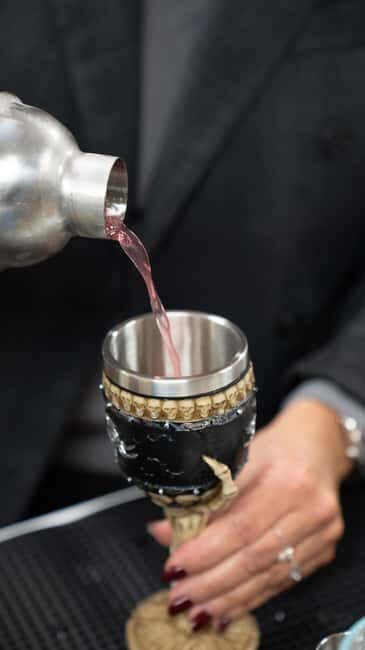
This is a one-hour mixology workshop in the Ile-de-France area that’s designed for small groups—4 to 10 people—so you get the benefit of a private setting without needing a big tour schedule. The format is straightforward: you arrive, you choose a theme, and then you learn to make three cocktails that match that theme.
What makes this approach valuable is that you’re not stuck with someone else’s idea of fun. If your group wants something more classic, more fruity, more herbal, or more seasonal, you can steer the experience. And because you’re actually making the drinks, the theme isn’t just decoration. It shapes ingredient choices and the way the bartender walks you through balance—sweet, sour, and spirit intensity.
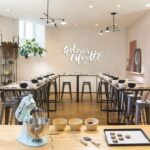
Also, this is not a lecture-style class. You’re working with equipment, measuring, shaking, and tasting what you made. That matters in a city like Paris, where a lot of “experiences” can turn into a photo stop plus a short demonstration. Here, your hands do the learning.
And yes, it’s short. That’s both the charm and the tradeoff. You’ll walk out knowing how to replicate your cocktails at home thanks to the recipe cards, but you won’t have time for a deep troubleshooting session on every tweak. Plan this like a fun workshop that jumps you forward, not like an expert-level master class.
You can also read our reviews of more tours and experiences in Paris
Kosher Ingredients and Alcohol-Free Options That Still Taste Right
One of the most practical details here is that the ingredients are 100% kosher. If that matters to you—or to your group—it makes the workshop feel genuinely inclusive, not like an afterthought.
Even better: your cocktails can be made with or without alcohol. That means you can still follow the same recipe structure and technique without turning the experience into a separate, “lesser” option. For groups, it’s a major win because you don’t have to split up or compromise.
For me, the big lesson with alcohol-free options is that they force you to pay attention to what cocktail balance actually is. Without alcohol driving the flavor and body, ingredients like juice, fruit, liqueurs (if included based on your menu), and sweet-sour balance have to do the heavy lifting. The workshop is set up so you’re tasting and adjusting in real time rather than hoping for the best.
And since the class is guided throughout, you’re not left guessing if you’re new to mixing drinks. You’ll get personalized support to adapt drinks to your preferences—so if you want something less sweet, less strong, or slightly different in flavor direction, you have a way to communicate that during the workshop, not afterward.
What You’ll Make: Three Cocktails, Better Shaking, Smarter Ingredients
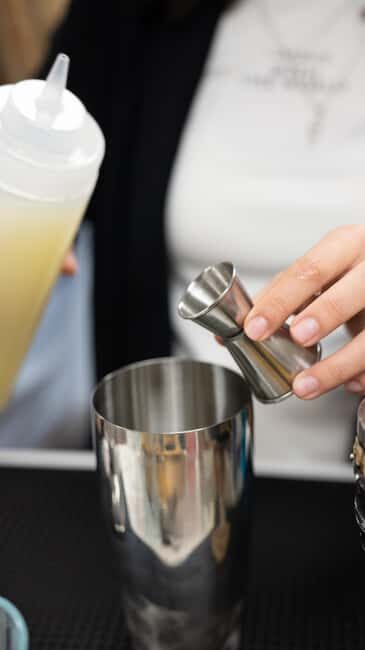
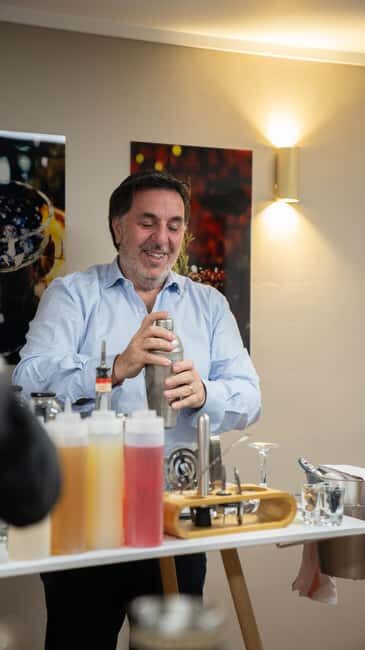
You’ll learn to make three cocktails during the hour. The bartender guides you step-by-step, and you taste your creations in a relaxed, interactive atmosphere. That “taste what you made” part is huge. Many classes teach you technique but don’t give you a clear sensory moment to connect technique with flavor.
The workshop focuses on the basics that actually translate to what you do at home:
- How to use the bar tools properly while you work
- How ingredients fit together on a theme-based menu
- How to build the right texture and presentation with shaking and preparation
You’re also getting instruction on ingredients—what each part does for flavor and how to think about substitutions when you want adjustments. The class doesn’t just hand you a drink formula. It’s about the logic behind it.
A detail I appreciate: the workshop is built for groups of 4 to 10, so the bartender can keep an eye on you while still moving through three cocktails. That’s where the private-group setup matters. You’re less likely to feel like you’re standing in the back holding a shaking cup like a prop.
At the end, you leave with recipe cards. That turns the experience into something repeatable. If you’ve ever taken a class in travel mode and then lost the ability to recreate it, you’ll understand why that’s worth paying attention to. The cards give you a starting point, and your notes from tasting during the class help you remember what you were aiming for.
Inside the Workshop: How the Bartender Runs a Private Group
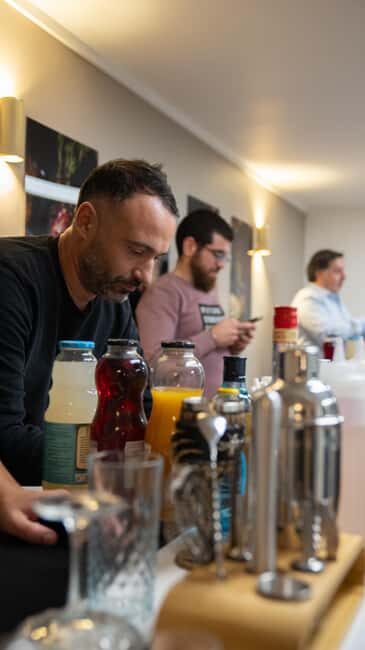
The workshop is led by a French bartender/instructor, and it’s a private group experience. That combination keeps things friendly and focused. In practice, you’re not competing with other participants for attention, and you’re not stuck waiting while the instructor repeats everything for strangers.
One name comes up in the experience: Elie. If you get Elie, you’re in good hands—people note his kindness and the pleasant atmosphere during the session. That matters because mixology can feel intimidating at first: you’re holding tools you may not have used before, and you’re working with multiple ingredients in a short time. A calm, good-natured guide makes the difference between a fun lesson and a stressful one.
Since the workshop is guided from start to finish, you won’t be left alone with a bar kit and a vague instruction like figure it out. Instead, you’ll get personalized guidance based on your preferences. It’s the kind of support that helps you adjust your drink rather than just copy the recipe.
One more practical note: some of the content may be shown in its original language (French). That doesn’t mean you’ll be shut out. It does mean it helps to go with the right mindset—be ready to listen closely, ask questions, and treat it like a hands-on class rather than a scripted slideshow.
Price and Value for a Paris Cocktail Workshop
At $56 per person for one hour, this sits in the “worth it if you’ll actually participate” zone. The value isn’t just that you’re paying for drinks. You’re paying for:
- An expert bartender-led lesson
- All quality ingredients used during the session
- Glassware and bar equipment needed to make the cocktails
- Recipe cards so you can recreate the cocktails later
That included gear is easy to overlook when you’re comparing prices. But for a first-time or casual mixer, tools matter. Learning to measure, strain, and shake with the right equipment helps you avoid the common home-bartender problem: your drink tastes different because your process is different.
Also, you’re not paying extra to make it alcohol-free. Since you can choose cocktails made with or without alcohol, the workshop can work for mixed groups—people who want to taste and learn, and people who prefer not to drink.
The main value constraint is time. At one hour, you’ll focus on core techniques and tasting rather than an in-depth curriculum. If you want a slow, step-by-step practice session with lots of repeated rounds, this may feel a bit fast. But if you want a fun, social class that teaches you real skills quickly, this price makes sense.




What’s Included (and What You Can’t Take Home)
The workshop supplies everything, and that’s a big part of why it feels easy to commit. You’ll get:
- A one-hour lesson with a bartender to teach you three cocktails
- Quality ingredients including spirits, liqueurs, juices, and fresh fruit (based on your theme and choices)
- Glassware and bar equipment (shakers, dosers, colanders, and more)
- Recipe cards to reproduce your cocktails at home
- Personalized guidance for adapting drinks to your preferences
- Time to taste what you made, in an interactive, relaxed setting
What’s not included (and can’t be added) is food. There’s no catering, and food accompaniment isn’t part of the experience. Also, alcohols, juices, and materials cannot be taken away. So plan to enjoy what’s offered during the hour and not treat this like a grab-and-go bar box.
Bar equipment is available for sale on site. If you catch the “I want the tools at home” bug, that’s your chance.
For anyone planning around dietary or practical needs: the workshop is explicitly tied to kosher ingredients, and you can make your cocktails with or without alcohol. But you still need to follow the rules of the venue about what’s allowed inside.
Meeting Point in Paris: Finding the Green Door
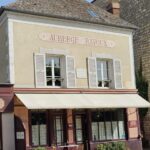
Getting to the right spot is half the battle in Paris, and the meeting point here is very specific. You’ll meet at the green door stuck to the France Assos Santé sign. Someone will come and get you.
If you’re not used to navigating small streets and door fronts, give yourself a few extra minutes. Don’t arrive late, but also don’t sprint in at the last second. A short buffer helps you find the right entrance without turning it into a stressful hunt.
Transport tip is straightforward: try to come by cab or public transport. The reason is obvious—after a cocktail workshop, you don’t want to be driving home. Even if you choose alcohol-free options, your group may not all make the same choice.
If you’re coming with friends, coordinate your arrival timing so you can all be ready when the host comes over.
Who This Workshop Suits Best (And Who Should Skip It)
This is best for small groups that want a shared activity with a real skill payoff. You’ll enjoy it most if you like:
- Hands-on learning
- Tasting as you go
- A social setting with a bartender leading the pace
- Trying something you can repeat later using recipe cards
It’s also a smart pick for occasions. Even though it’s “just a fun workshop,” the vibe works well for birthdays, friend get-togethers, or team celebrations because everyone makes drinks and tastes them in the same room.
On the other hand, there are clear limitations. The workshop isn’t suitable for wheelchair users, and there are strict age limits: it’s not meant for children under 2, and it doesn’t list older minors as a casual option (it explicitly mentions unaccompanied minors as not allowed, and it also lists many ages up to 10 as not suitable). Pets are not allowed, and food is not allowed.
So if you’re traveling as a family with small kids, or you’re bringing a pet, you’ll want to look for a different activity. If your group is mostly adults or older teens (still with the rule about unaccompanied minors), you’re in the sweet spot.
Should You Book Love Tonight’s Paris Mixology Workshop?
I’d book it if you want a one-hour Paris experience that’s genuinely interactive and skill-building, not just a branded tasting. The biggest reasons are the mix of kosher ingredients, the fact that you can do cocktails with or without alcohol, and the practical inclusion of equipment plus recipe cards.
Don’t book it if your idea of the perfect class is a long, slow, repeat-every-step session, or if you need food included. Also, if mobility or age limits are an issue for your group, this one likely won’t work.
If you’re deciding between “see Paris” and “do something hands-on,” this is one of the better bets: it’s in Paris, it’s social, and you leave with something you can recreate. That’s a rare combination for a short workshop.
FAQ
How long is the Paris mixology workshop?
The workshop lasts one hour.
What is the group size?
It’s designed for an intimate group of 4 to 10 people.
How many cocktails do we make?
You’ll learn to make three cocktails during the lesson.
Are the cocktails always alcoholic?
No. Your cocktails can be made with or without alcohol.
Are the ingredients kosher?
Yes. All ingredients are 100% kosher.
What’s included in the price?
Everything you need to make the cocktails is included: ingredients, glassware, bar equipment, and a one-hour bartender lesson. You also receive recipe cards to recreate the cocktails at home.
Where is the meeting point?
Meet at the green door stuck to the France Assos Santé sign. Someone will come and get you.