REVIEW · PARIS
Paris Revolutionary Walking Tour: Iconic French Sights & Stories
Book on Viator →Operated by Dayin · Bookable on Viator
Revolution in Paris has a new face. This 2-hour walk ties famous buildings to the drama that shaped modern France, so you don’t just see sights—you understand why they matter. I loved the small group feel (8 max) and the way the guide turns the streets into a timeline of change; the pace also leaves room to ask questions. The one possible drawback: you’re covering major highlights in a short time, so if you want an all-day, site-by-site history binge, this may feel a bit light.
What makes it especially practical is the flow. You start at 1 Pl. du Palais Bourbon and finish near the Opéra area at Palais Garnier (Pl. de l’Opéra, 75009 Paris), which is handy when you want to keep exploring right after. It runs rain or shine, and the tour uses a mobile ticket, so it’s easy to stay organized.
The guides really set the tone. I’ve seen strong feedback for guides like Lou, Alex, and Walid—with praise for clear speaking, engaging storytelling, and even good restaurant recommendations from Walid. Since it’s offered in English and you’ll be near public transportation, it’s a good match for many people, though it still involves walking.
In This Review
- Key things I’d watch for
- Walking Paris through the French Revolution
- Starting at Assemblée Nationale: politics you can stand next to
- Pont de la Concorde: one bridge, a whole bragging-right view
- Place de la Concorde: where revolutionary events hit hardest
- Jardin des Tuileries: calm walking after political noise
- Place-Vendôme: luxury architecture with a past hanging around
- Opéra area and Palais Garnier: from politics to culture
- Guides, pacing, and what you’re really paying for
- Who this tour suits best (and who might skip it)
- A quick reality check on timing and route changes
- Should you book this Paris Revolutionary Walking Tour?
- FAQ
- How long is the Paris Revolutionary Walking Tour?
- How much does the tour cost?
- Where do I meet, and where does the tour end?
- Is the tour offered in English, and how many people are in the group?
- Does the tour run in bad weather?
- What is the cancellation policy?
Key things I’d watch for
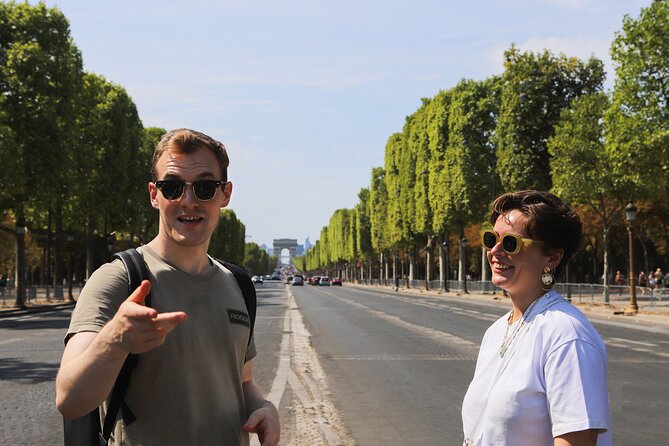
- 8 travelers max (or private): easier questions, more human pacing
- Revolution-focused lens at major monuments: politics to culture, in one route
- Rain or shine: come ready with a coat and shoes that grip
- Practical navigation tips after: useful for the rest of your Paris days
- Short stops with context (about 10–30 minutes each): designed for clarity, not rushing
- Possible schedule changes due to the 2024 Olympics: keep a flexible mindset
Walking Paris through the French Revolution
Paris can feel like a postcard—until someone gives you the real story behind the stones. This tour frames the city through revolutionary events and political shifts, using iconic spots that most people recognize but rarely connect to cause-and-effect. The goal is to help you read the city: what happened here, what changed, and why it still shows up in the architecture and layout.
The timing matters. With an approx. 2-hour length and frequent short stops, you get just enough detail to build a mental map without getting overloaded. The format is also built for questions, which is a big deal when you’re trying to understand a complicated period like the French Revolution.
The price—$66.23 per person—works out to paying mainly for the guide’s storytelling and the convenience of a planned route. You’re not just buying the walk; you’re buying interpretation, pacing, and guidance on what to look for next once you’re on your own.
You can also read our reviews of more tours and experiences in Paris.

Starting at Assemblée Nationale: politics you can stand next to
The tour kicks off at 1 Pl. du Palais Bourbon, near the Assemblée Nationale. This is the heart of French politics in a very physical way, and it’s the smart starting point because it gives you the “why” before the “wow.” You’ll spend about 20 minutes here, and admission is free.
What I like about starting with the National Assembly is that it anchors everything that comes later. Instead of treating the revolution like random dramatic episodes, you’re set up to see how governance, public power, and legitimacy were argued in real spaces. Even if you’re not a politics person, you’ll get a clearer sense of what the revolution was fighting for.
A practical consideration: this first stop can feel like a lot of names and ideas for people new to French history. If that’s you, ask your guide early what the key “turning points” are. The reviews highlight that guides are engaging and well prepared, which usually means they can simplify without talking down to you.
Pont de la Concorde: one bridge, a whole bragging-right view
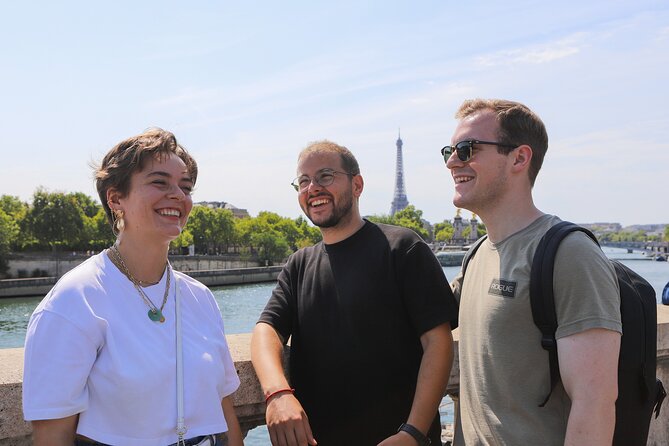
Next comes Pont de la Concorde, with about 10 minutes to take in the view. From this bridge you get a lineup of major Paris monuments—so you can connect the revolution story to the modern city you’re actually standing in. Admission is free, and the stop is short on purpose.
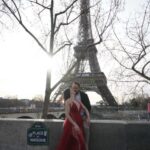
This is a good moment to reset your brain. After the politics at Assemblée Nationale, the bridge gives you a visual overview: you start to see how the city’s landmarks relate to each other in space, not just time. It’s also a nice photo stop, since you can see big hitters like Notre-Dame, the Eiffel Tower, and the bridge Alexander III, plus a view toward Sacré Coeur.
The only drawback is crowding and weather. Bridges can be busy, and if it’s windy or wet, you’ll want to position yourself quickly and then move on. The tour’s rain-or-shine approach is convenient, but you’ll want grippy shoes so you don’t spend the whole stop watching your footing.
Place de la Concorde: where revolutionary events hit hardest
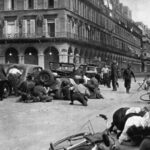
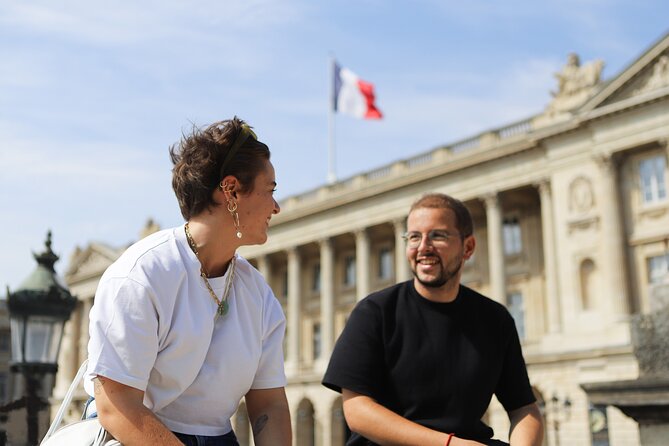
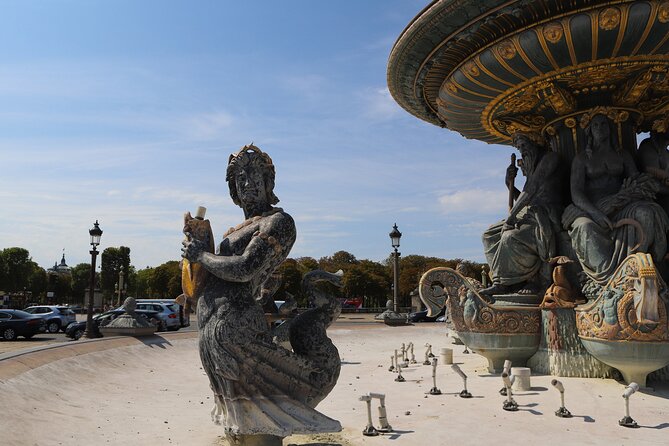
Then you go to Place de la Concorde, with about 30 minutes on the ground at one of the most historically charged public squares in the city. Admission is free, and this is the stop where the revolution lens turns from context to consequence. You’ll learn about key events tied to the execution of King Louis XVI, plus you’ll be looking at the fountain and the obelisk that define the square.
This square is a lesson in how public space can carry power—and how that power can change hands. Even if you’ve seen photos of the obelisk and the fountains, you may not have felt the weight of what happened in the same kind of public setting. A good guide helps you slow down just enough to notice how the environment frames the story.
Possible consideration: if you’re sensitive to heavy historical topics, this is the part where the tone is most serious. I think it’s still worth it because it gives your earlier and later stops a stronger meaning, but it helps to know what emotional temperature to expect.
Jardin des Tuileries: calm walking after political noise
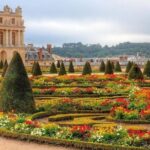
After that intensity, you head to Jardin des Tuileries, where you’ll spend about 20 minutes strolling the gardens. Admission is free. This stop shifts the energy from public confrontation to a more reflective pace, which I think is exactly what a revolution-focused route needs.
You’re not just taking a break. The gardens help you understand how Paris treats space differently—how power and culture can coexist in the same city. Strolling here also helps you digest what you learned at Place de la Concorde, especially if you’re tracking the timeline in your head.
The only “watch out” is that gardens can make you forget to look up. Stay mindful: the revolution story isn’t only in monuments and statues; it’s also in what the city encourages people to do—walk, pause, gather, circulate. Use this stop to think about how social life was shaped after major political upheavals.


Place-Vendôme: luxury architecture with a past hanging around
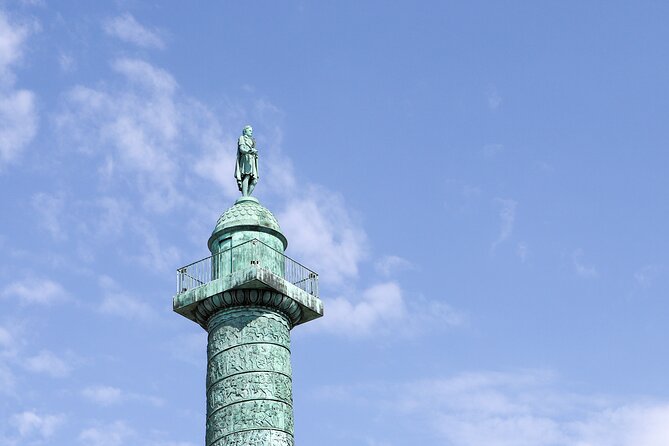
Next is Place-Vendôme for about 20 minutes. Admission is free here too. This is where the tour adds a different kind of contrast: the elegance of Parisian luxury—prestigious hotels, high-end shops, and striking architecture—right in the midst of a route that started with the revolution.
This stop works best if you let it do its job as contrast. You’ve just walked through spaces tied to revolutionary change, and now you’re looking at a famous place associated with wealth and style. The takeaway is not that luxury cancels history; it’s that Paris reorganizes its identity over time. People build, rebuild, and re-brand what the city means.
A possible drawback: because this is more about atmosphere and architecture than a single dramatic event, some people want more detail on the specific revolutionary connection. If that’s your style, ask your guide what to look for here—how does the architecture and city planning reflect change after the revolution.
Opéra area and Palais Garnier: from politics to culture
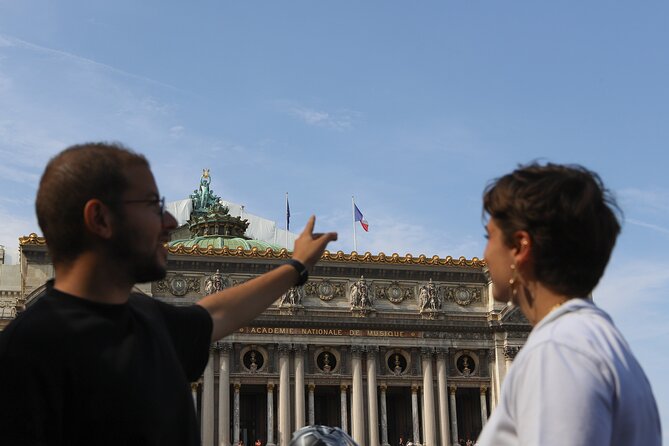
The tour finishes at Palais Garnier, near Pl. de l’Opéra. Before that, you spend about 20 minutes learning about the Opéra—its artistic, cultural, and musical heritage—and admiring the opera house’s architecture.
This final stretch is smart because it broadens the story. The French Revolution isn’t only about politics and conflict; it also reshaped culture, public identity, and what the city celebrated. When you arrive at the Opéra area, you’re looking at Paris as an engine of art and spectacle—something the revolution world both disrupted and influenced.
One more practical plus: finishing near a major landmark makes it easy to keep going. You’re set up to move toward dinner, museums, or a classic Paris evening plan without a long transit shuffle.
Guides, pacing, and what you’re really paying for
A big part of the value is the human factor. Strong feedback points to guides who blend history and architecture so you can understand both the story and the street. Lou is praised for passion and engagement tied to revolutionary themes, Alex is noted for connecting architecture to the revolution’s influence, and Walid is called out for explaining how revolutions transformed Paris—and even for sharing good restaurant recommendations.
The small group size matters more than people expect. With a maximum of 8 travelers, you’re more likely to get your questions answered. You’re also more likely to keep a comfortable pace, rather than being swept along like a herd.
And you get practical help after the tour. Tips to navigate the city are included, which is useful because revolutionary Paris is a lot easier once you understand how the major sites connect.
Who this tour suits best (and who might skip it)
This tour is a strong fit if you want:
- A 2-hour history walk that focuses on major sites you’ll remember
- Stories that connect politics to the city’s physical layout
- A manageable pace with time for questions
- An ending at the Opéra area, so you can keep exploring fast
It may be less ideal if you want only art, only museums, or a long, deep timeline that leaves no gaps. This is designed to help you orient yourself and get context, not to serve as an academic lecture.
A quick reality check on timing and route changes
This tour runs rain or shine. If the weather is bad, you’ll want a light rain layer and shoes you trust on wet pavement. The tour can also change due to the 2024 Olympics, so keep your expectations flexible and use the guide’s direction as your best “map.”
It may be canceled if a minimum group of 2 people isn’t met. On the bright side, there’s free cancellation up to 24 hours in advance for a full refund, which helps you book with less stress.
Should you book this Paris Revolutionary Walking Tour?
I’d book it if you like history you can touch. The route is concentrated, the stops are focused, and the guide effort is clearly the main product. For first-time visitors or for anyone who wants a smarter way to see central Paris, this is a good use of a couple of hours because you finish with a stronger sense of how the city evolved.
Book it soon too: the tour is often booked about 40 days in advance, which suggests it’s in demand. If you’re traveling in a busier season or on a tight schedule, that planning buffer helps.
If your travel style is “show me the story behind the stones,” this tour fits. If you’d rather read signs on your own or prefer a museum day, you might feel the walking and context are more guided than you want.
FAQ
How long is the Paris Revolutionary Walking Tour?
The tour is approximately 2 hours.
How much does the tour cost?
It costs $66.23 per person.
Where do I meet, and where does the tour end?
You meet at 1 Pl. du Palais Bourbon, 75007 Paris, France. The tour ends at Palais Garnier, Pl. de l’Opéra, 75009 Paris, France.
Is the tour offered in English, and how many people are in the group?
It’s offered in English. The experience has a maximum of 8 travelers, and there’s also a private option.
Does the tour run in bad weather?
Yes. This tour will take place rain or shine.
What is the cancellation policy?
You can cancel up to 24 hours in advance for a full refund. If you cancel less than 24 hours before the start time, the amount paid will not be refunded.