REVIEW · PARIS
Paris: Rodin Museum Entry Ticket
Book on GetYourGuide →Operated by Paris Odyssey SAS · Bookable on GetYourGuide
Rodin makes Paris feel human. The Musée Rodin ticket gets you into the Hôtel Biron, where sculpture comes first and you can wander at your own pace through major works like The Thinker. With skip-the-line entry, you spend less time waiting and more time looking.
I especially like how the visit balances big-name masterpieces with the quieter side of Rodin’s process. You’ll see The Gates of Hell alongside thousands of works that show how he built ideas step by step, not just the final bronzes. I also love the museum’s sculpture garden—it turns your ticket into a slower, more contemplative outing than the usual crowd-heavy Paris targets.
One thing to plan around: some indoor rooms can feel very warm, and parts of the garden may be closed at times. If you’re sensitive to heat, wear light layers and keep water in mind.
In This Review
- Key Things to Know Before You Go
- Inside Hôtel Biron: what your Rodin ticket actually gets you
- Entering and pacing the visit: how long 510 minutes feels on the ground
- From The Thinker to The Gates of Hell: planning your route through the masterpieces
- Rodin’s process in 6,000 sculptures: why this museum feels more personal than big-ticket museums
- Camille Claudel: seeing Rodin’s circle, not just Rodin’s fame
- The sculpture garden: the calm part you’ll wish you scheduled more time for
- Audio guide vs. no audio: how to choose without overpaying
- Practical rules and what to bring for a smooth visit
- Price and logistics: is $23 good value for Musée Rodin?
- Who should book this ticket, and who should think twice?
- Should you book the Musée Rodin ticket?
- FAQ
- What is included with the Musée Rodin entry ticket?
- How long is the ticket valid?
- What are the opening hours, and when is the last admission?
- Is an audio guide included?
- Does the ticket let me skip the line?
- Are photos allowed?
- Is the museum wheelchair accessible?
Key Things to Know Before You Go
- Skip-the-line access via a separate entrance helps you start sooner
- 510 minutes from first activation gives you real breathing room to pace yourself
- Over 6,000 sculptures means you’re not just seeing highlights—you’re seeing development
- The garden is a major feature, with sculptures outdoors for a calmer feel
- Rodin and Camille Claudel are both part of the story inside the museum
- Photography without flash keeps things simple for capturing moments
Inside Hôtel Biron: what your Rodin ticket actually gets you
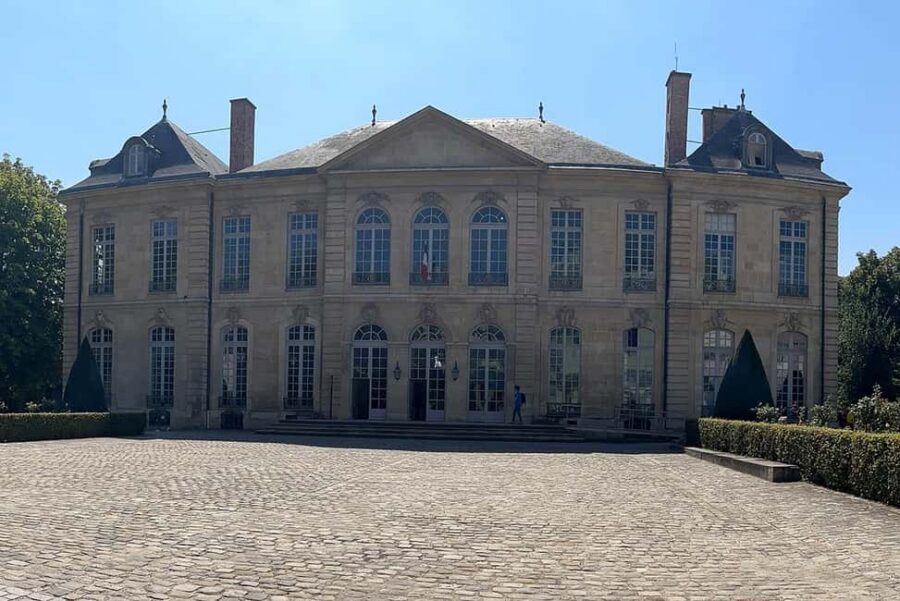
Your ticket is for the Musée Rodin in Paris, housed in the elegant Hôtel Biron. That setting matters because it changes the mood. This is not a warehouse of art where everything feels identical. The building and garden help you slow down and follow sculpture the way Rodin likely wanted it experienced: up close, from angles, and with time to notice small changes.
Here’s what’s included with your entry:
- entrance to the Musée Rodin
- access to the permanent collections
- access to the garden
Two details that affect expectations:
First, a guided tour is not included. If you want a guide-led explanation, you’d need to add it separately. Second, an audio guide is also not included in the ticket price. Still, you may find that the optional audio format is worth it for some people—one visitor specifically said it was high quality and easy to use.
Also, you’re on your own for food. Food and drinks are not permitted inside the museum, so plan to eat outside or keep snacks for after. You’ll want comfortable shoes either way—this is a walking visit with plenty to see.
You can also read our reviews of more tours and experiences in Paris



Entering and pacing the visit: how long 510 minutes feels on the ground
The ticket is valid for 510 minutes starting when you first activate it. That’s the big advantage: you can design a visit that fits your energy and attention span.
In practical terms, this museum rewards staying longer than you think you need. One person clocked nearly 4 hours to see everything. Another enjoyed the layout so much that they felt they had time to contemplate without being rushed. So I’d treat it as a half-day plan, not a quick stop.
A smart way to pace it:
- Start with the main galleries to orient yourself around the key works
- Spend time with the works that show variation and technique (Rodin often returns to the same themes in new ways)
- Then shift outdoors, when you need a visual reset
The museum is open 10:00 to 18:30, and the last admission is 45 minutes before closing. That last-admission rule matters. If you walk in late, you might lose time in exactly the places that benefit from lingering, like the garden paths.
And one more timing trap: the Musée Rodin is closed on Mondays. If you’re visiting during a weekday, double-check your calendar so your ticket isn’t wasted.
From The Thinker to The Gates of Hell: planning your route through the masterpieces
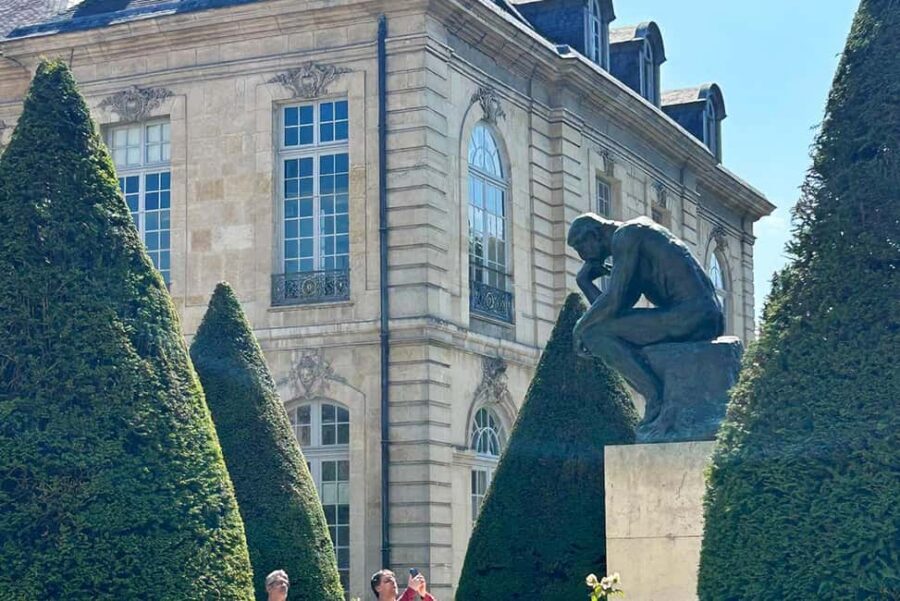
The headline works are there for a reason: The Thinker and The Gates of Hell are the two magnets that pull you deeper into Rodin’s world. But this museum is more than a photo-op corridor.
What I love about how the museum is set up is that it encourages you to compare sculptures and see the emotional logic of Rodin’s forms. In other words, you don’t just admire one famous piece—you start noticing patterns:
- how poses shift from stillness into tension
- how surfaces hold gestures and force
- how small differences can change the mood entirely
The Gates of Hell is a centerpiece, and it helps to give it more than a quick glance. If you’re the kind of person who likes to read body language, you’ll probably spend extra time here, because Rodin’s figures communicate with movement even when nothing is happening.
Then there’s The Thinker, which tends to become a symbol you know from posters and gifts. In the museum context, it lands differently. You can see the sculptural choices more clearly—how the form is built, how the work catches light, and how the idea reads through texture.
A helpful mindset: don’t force yourself to see every room in a strict order. Instead, let the masterpieces anchor you, then wander outward from them. Since your ticket includes the permanent collections and garden, you can spend your best attention where it feels most alive to you.
Rodin’s process in 6,000 sculptures: why this museum feels more personal than big-ticket museums
One of the strongest selling points here is scale—not in a stressful way. The Musée Rodin presents over 6,000 sculptures, and that number changes how you experience Rodin.
In most museums, you get a curated set of finished works and a few supporting facts. At Musée Rodin, you’re more likely to feel how Rodin worked over time: returning to ideas, revising forms, exploring a theme from multiple angles. That makes the museum feel like a studio visit, even though it’s a museum.
There’s also a practical benefit. Several visitors commented on how the museum felt calmer than major headline museums. The layout and the garden space can spread people out. That matters because sculpture doesn’t reward rushing. If you like to look closely, you’re more likely to get the time you need.
For your plan, wear shoes you can walk in for a while. If you’re sensitive to crowd pressure, this museum can feel like relief—without sacrificing quality.
Camille Claudel: seeing Rodin’s circle, not just Rodin’s fame
The Musée Rodin doesn’t only celebrate Rodin in isolation. It also honors Camille Claudel, Rodin’s muse and protégé, with works displayed as part of the story.
This section can be a turning point for your understanding. If you came here expecting only the usual Rodin greatest-hits tour, Claudel helps you see relationships and artistic influence in a more human way. The museum’s choice to highlight her works makes the visit feel more complete, and it adds emotional texture to the galleries you’ll be walking through.
Even if you only know a little about Claudel, this is worth your time. She shifts the focus from celebrity to craft and collaboration—and that’s where a sculpture collection becomes more than an image gallery.
You can also read our reviews of more museum experiences in Paris





The sculpture garden: the calm part you’ll wish you scheduled more time for
The garden is not a side quest. It’s a core feature of the Musée Rodin experience, and it’s where the museum’s mood changes.
Because many sculptures are outdoors, the garden can feel lighter and more breathable than indoor spaces. Several visitors praised it specifically, calling it gorgeous and noting that they enjoyed the garden sculptures as much as the museum rooms.
What you’ll like most depends on how you travel:
- If you want photos, you can capture sculptural details in natural light, and flash photography is not allowed, so plan for normal lighting rather than flash tricks.
- If you like thinking quietly, the garden paths give you that pause between galleries.
You also get a built-in break from the intensity of famous pieces. After seeing works like Gates of Hell, stepping outside can help your eyes reset and your brain connect dots you might miss indoors.
Two practical cautions:
- Bring sunscreen and water. You’re going to be outside part of the time.
- Some garden sections may be closed off at times. If you notice gaps, don’t panic—just follow the route that’s open and keep moving.
Audio guide vs. no audio: how to choose without overpaying
Your ticket includes entrance, permanent collections, and garden access—but not an audio guide. That doesn’t mean you must pay extra. It’s a choice about how you want to understand what you’re seeing.
Here’s the tradeoff I’d use to decide:
- If you like to read and look on your own, you might skip the audio and just spend time with each sculpture.
- If you want context while you walk, an audio option can help you connect technique, themes, and the time period.
One review specifically said the audio tour was very high quality and easy to use, and that it was better than other audio options people had tried. That’s a good sign if you find audio helpful at museums.
My advice: if you’re the type who gets restless without guidance, audio can keep momentum. If you’re the type who wants to stay in your own head, you’ll probably be fine without it.
Practical rules and what to bring for a smooth visit
Good museum days usually start with the right basics. For this one:
- Wear comfortable shoes
- Bring a camera
- Pack sunscreen and water
A few rules to keep your day stress-free:
- Smoking is not allowed.
- Flash photography is not allowed, but photography is allowed without flash.
- Food and drinks are not permitted inside.
- Backpacks and large bags aren’t allowed.
Also, you’ll want to be ready to show your ticket at entry. One visitor had trouble with ticket downloads and ended up with only one ticket rather than the full group. Before you head out, double-check you have the correct tickets pulled up on your device or ready to present.
There’s also a confusing note about mobility: the ticket information says it’s wheelchair accessible, but it also lists not suitable for wheelchair users. I can’t straighten that contradiction from the data alone. If you need mobility support, I’d confirm directly with the provider or museum before you plan your day around it.
Price and logistics: is $23 good value for Musée Rodin?
At $23 per person, this ticket sits in the mid-range for major Paris museums. The value mostly comes from three things you get for that price:
- skip-the-line entry
- access to the permanent collections
- access to the garden, which is a major part of the visit
In other words, you’re not just paying to see one or two icons. You’re paying for an experience that can last hours and includes the outdoor sculpture garden.
That said, price isn’t the same everywhere. One review noted the online price seemed a bit higher than buying at the museum counter. If you’re flexible and hate booking fees, you might compare options before you commit.
If you want control and a faster start, online with reserved entry can still be worth it—even if a slightly cheaper option exists on site. The best value is the plan that prevents you from losing the prime part of your day to waiting.
Who should book this ticket, and who should think twice?
This is a strong choice if:
- you love sculpture and want to see more than just the big poster works
- you want a quieter-feeling museum visit than the most crowded Paris giants
- you prefer outdoor time mixed into your sightseeing
- you’re willing to spend a real half-day here, not a rushed hour
It may be less ideal if:
- you’re sensitive to heat in indoor rooms (some people reported it being extremely warm with fans that didn’t fully help)
- you have limited mobility needs and want to avoid uncertainty (the data includes both wheelchair accessibility and a not-suitable tag for wheelchair users)
If your idea of a museum is mostly indoor, air-conditioned galleries, you’ll want to plan accordingly and maybe adjust what time of day you go.
Should you book the Musée Rodin ticket?
Yes, I’d book it if you want an art museum that rewards looking slowly and repeatedly. The combination of The Thinker, The Gates of Hell, and the garden makes this more satisfying than a checklist visit. The skip-the-line entry helps you start quickly, and the long ticket validity means you can shape the visit to your pace.
Skip booking only if you know you’ll be stressed by warm indoor conditions, you don’t like outdoor walking, or you’re unsure about mobility fit. For everyone else, this ticket is a solid, well-focused way to experience Rodin at full strength.
FAQ
What is included with the Musée Rodin entry ticket?
The ticket includes entrance to the Musée Rodin, access to the permanent collections, and access to the garden.
How long is the ticket valid?
It’s valid for 510 minutes from first activation.
What are the opening hours, and when is the last admission?
The museum is open from 10:00 to 18:30, and the last admission is 45 minutes before closing.
Is an audio guide included?
No. Audio guides are not included with this ticket.
Does the ticket let me skip the line?
Yes. There is skip-the-line entry through a separate entrance.
Are photos allowed?
Photography is allowed without flash. Flash photography is not allowed.
Is the museum wheelchair accessible?
The information says it is wheelchair accessible, but it also lists not suitable for wheelchair users. If you need mobility support, you should confirm suitability before you go.