REVIEW · PARIS
Paris Museum Pass: 2, 4, or 6 Days
Book on GetYourGuide →Operated by Mon Petit Paris · Bookable on GetYourGuide
This pass turns Paris into a plan. I like that it gives you free entry to 60+ museums and monuments, so you’re not stuck doing the “just one more ticket” math all week. The priority access helps you spend more time looking and less time joining the line.
I also like the flexibility: you can build days around big names like the Louvre and Orsay, then add supporting stops across Paris and even day trips out to Versailles and other nearby châteaux. It’s a smart way to structure a first-time Paris visit without getting locked into one tight itinerary.
One thing to keep in mind: you still need advance timeslots for certain sites (especially the Louvre), and entry there can’t be guaranteed during renovations and heavy crowds. If you hate planning at all, this may feel like a trade-off.
In This Review
- Key things to know before you go
- Paris Museum Pass in plain English: what you actually get
- Two, four, or six days: how to pick the right pass
- Pickup near the Louvre: logistics that affect your first morning
- Skip-the-line vs reality queues: where the pass shines
- Timeslots you must book: Louvre, Orangerie, and other reservation-only stops
- A practical 2-day plan: Louvre, Orsay, and an easy extra museum day
- A practical 4-day plan: add Versailles or lean into Paris neighborhoods
- A practical 6-day plan: build a “greatest hits” plus two wild cards
- Outside Paris day trips you can actually enjoy (not just rush through)
- River cruise option: a scenic reset that can be worth it
- Value check: does $129 per person make sense for you
- Who should book this, and who should skip it
- Should you book the Paris Museum Pass?
- FAQ
- How many days is the Paris Museum Pass valid?
- Do I need a timeslot for the Louvre?
- Which other museums require reservations?
- Where do I pick up the pass?
- Does the pass include a Seine river cruise?
- Is it free for kids or EU residents under 26?
- Can I cancel for a refund?
Key things to know before you go
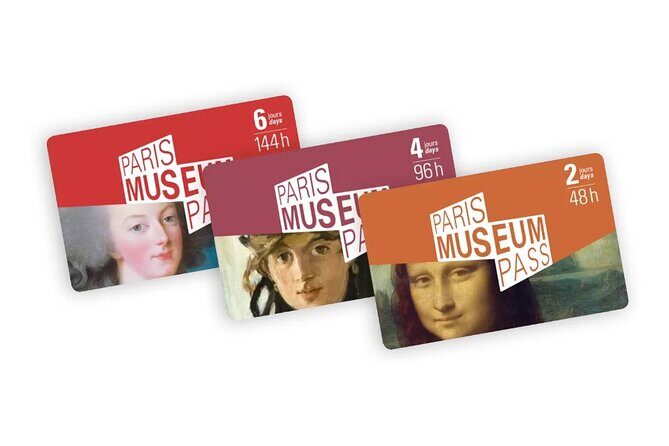
- 60+ museums and monuments across Paris and the surrounding area, so you can change plans day to day.
- Priority entry/skip-the-ticket line, which can save real hours at popular venues.
- Consecutive calendar-day rules (your Day 1 starts when you first use it, even if it’s mid-afternoon).
- Timeslots are mandatory for specific museums including the Louvre, plus several others.
- Pick-up is near the Louvre area, so you can start quickly once you collect your pass.
- Value depends on your hit list: the more major museums you want, the more likely you’ll come out ahead.
Paris Museum Pass in plain English: what you actually get

The Paris Museum Pass is basically a museum access ticket with training wheels. Instead of buying individual entries one by one, you get admission to over 60 museums and monuments in and around Paris, with priority entry at many stops so lines move faster.
You’re choosing between 2, 4, or 6 days, and the pass is designed for consecutive use. That matters because Paris museums don’t run on your schedule; queues, opening times, and reservation systems run the show.
Another practical detail: the pass covers permanent exhibitions at participating museums. So if you’re the type who only cares about a specific special exhibit, you’ll want to check what’s on during your dates. Still, the big classics are usually permanent collections, which is exactly what makes this pass work well.
You can also read our reviews of more museum experiences in Paris



Two, four, or six days: how to pick the right pass
Choose based on how many “paid-entry” stops you want, not how many hours you’ll be awake. A two-day pass can work if you have a tight plan (think Louvre + Orsay + one or two supporting museums). A four-day pass is the sweet spot for most people because it gives you room for one big day trip plus extra museums in Paris.
A six-day pass is for you if you’re the type who actually enjoys museum wandering. It’s also useful if you want to cover a full “left bank/right bank” rhythm without cutting stops. With the longer pass, you can afford a slower day, weather changes, or a museum you suddenly decide you can’t skip.
Here’s the logic I use for value: if you’re planning to visit around 5–8 major museum sites (and you’re not just doing the big two), the pass often earns its keep. If your list is only 2–3 attractions, paying as you go might still be simpler.
Pickup near the Louvre: logistics that affect your first morning
Your pass is collected at the tour office near the Louvre, open 7 days a week from 9:00 to 16:00. One advantage of this location is that it’s convenient if your first target is the Louvre area—you can start building your route immediately once you have the pass in hand.
There’s also a small time-saving trick: if you arrive early in Paris, you can often reduce stress by collecting the pass the day before you begin using it. Even a half-day matters when queues decide your day.
One more planning note: the meeting point can vary depending on your option booked. If you select the river cruise add-on, double-check the meeting instructions in your materials. Some people found it confusing because different boat companies can have different meeting points.
Skip-the-line vs reality queues: where the pass shines
The pass is marketed as priority entry, and in practice, it usually helps most at venues where people stand in long, slow-moving ticket lines. That means you can often walk in with less friction and spend your energy inside the museum instead of outside in the sun.
Still, don’t assume every popular museum becomes instantly easy in peak season. The Louvre is famous for heavy crowds, and even with priority access, entry can be delayed. Some visitors also reported that at times, buying a ticket with a specific entry slot can get you in faster than using the pass at certain museums.
My takeaway for your planning: use the pass to reduce the time you waste on ticket lines, then rely on timeslots (where required) to control the truly busy bottlenecks.
Timeslots you must book: Louvre, Orangerie, and other reservation-only stops
This is the make-or-break part. The pass includes access, but you still have to reserve entry times for certain museums.
- Louvre Museum: you need an advance timeslot to ensure entrance. The voucher includes the link to book it.
- Musée de l’Orangerie: reservation is mandatory.
- Also mandatory (per your voucher information): Museum of the Art and History of Judaism, Hotel de la Marine, and Cité de l’architecture et du patrimoine.
There’s also a key rule that can trip people up: the pass days are counted by calendar days. If you start using your pass at 14:00, that calendar day becomes Day 1, even though you only had a few hours left.
My practical advice: once you lock in your Louvre timeslot and any other reservation-only sites, then build everything else around them. That way your “flex” days stay flexible.
You can also read our reviews of more tours and experiences in Paris

A practical 2-day plan: Louvre, Orsay, and an easy extra museum day
Two days works best when you treat the pass like a fast lane, not a “see everything” challenge. Your priorities will likely be the Louvre and Orsay, because they anchor two different art worlds.
Day 1 (Louvre core + nearby stop)
Start with your Louvre timeslot first thing, then group something close by afterward so you aren’t zig-zagging across town. After the Louvre, you can use the pass to hop into a smaller museum so the day doesn’t feel like a marathon of galleries.
If you want a change of pace nearby, look at options like:
- Musée national Eugène Delacroix (great if you want painting history without a huge factory feel)
- Chapelle expiatoire for a dramatic, atmospheric break from the museum rhythm
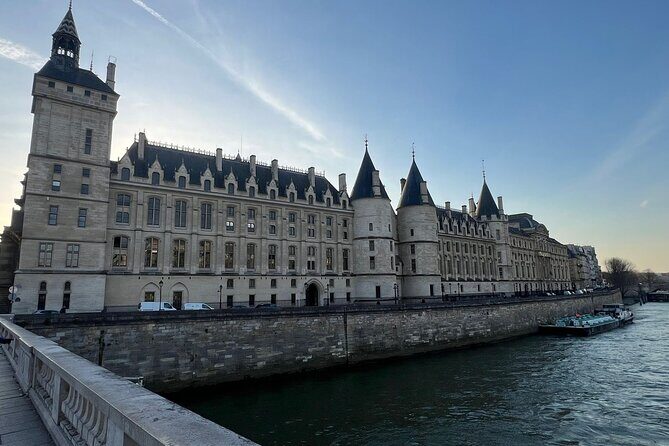
- Conciergerie if you’re leaning toward historical Paris
Day 2 (Orsay + a classic “second anchor” stop)
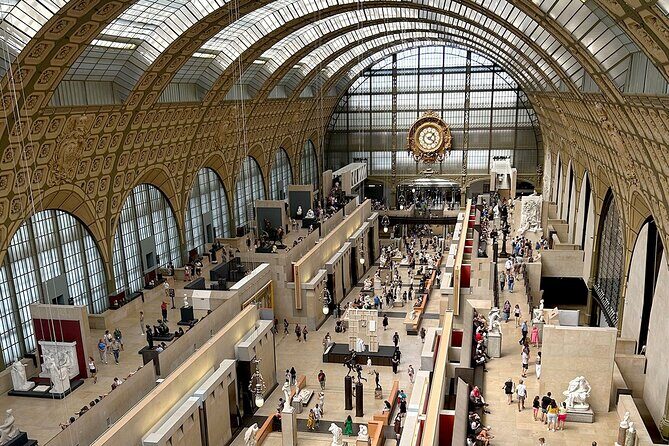
Musee d’Orsay is a natural follow-up after the Louvre. It’s a different kind of collection and the visit feels like stepping into another century’s ideas. From there, pick one more anchor so you don’t over-stretch.
Good add-on picks that fit a two-day style:
- Musée Rodin (art + sculpture with a calm pace)
- Panthéon (big monument day with a historic tone)
- Musée du quai Branly (if you want a more modern museum experience)
For this type of plan, the pass shines because you’re using it where it matters: big-entry museums without separate tickets.
A practical 4-day plan: add Versailles or lean into Paris neighborhoods
Four days is where the pass starts to feel like a proper value play. You can do two big museum days in Paris plus one major outside stop, then still have time for one or two smaller favorites.
Day 1 (Louvre + one close museum)
Handle Louvre early with your booked timeslot. After that, use your remaining energy for a museum that doesn’t demand a full-day commitment.
Day 2 (Orsay + sculpture or design)
Orsay is your second anchor. Pair it with something that changes the mood:
- Musée des Arts décoratifs (design and decorative arts)
- Les Arts et métiers (hands-on history, more playful than you might expect)
Day 3 (outside Paris choice: Versailles)
If your budget and time allow, Versailles is the big outside-Pairs win. The pass includes the Musée national des Châteaux de Versailles et de Trianon and the Gazette-style must-see structure that makes Versailles feel like a whole world, not a single building.
Important practical caution: gardens and certain areas may cost extra depending on what’s offered at the gates. One smart move is to decide in advance which parts you really care about.
Day 4 (choose your Paris flavor: modern, street-level, or historic)
This is where you can customize:
- Musée Picasso Paris for a personality-driven art visit
- Musée national du Moyen Âge, Thermes et hôtel de Cluny for medieval layers
- Musée des Égouts de Paris if you want something weird in the best way
A four-day pass gives you enough time to mix big-ticket and “I’m glad we found this” stops.
A practical 6-day plan: build a “greatest hits” plus two wild cards
Six days is for museum lovers and planning-friendly travelers who want to avoid decision fatigue. You’ll see more, and you’ll also be more relaxed because you’re not trying to sprint through everything.
A good six-day rhythm is:
- 2 days for Paris mega-museums
- 1 day for Versailles or another château
- 2 days for neighborhood-based museum clusters
- 1 day as a flexible wild-card buffer
Here are some excellent “buffer day” options that still feel like real destinations:
- Musée du quai Branly for an art-and-culture museum day that doesn’t require a PhD
- Musée de l’Armée for a history-focused block
- Musée national des Arts asiatiques Guimet for a collection that feels like it belongs in another trip
If you like architecture and monument views:
- Sainte-Chapelle came up in pass experiences for some visitors, but lines and reservation rules can vary—so it’s wise to check your exact access list and timeslot needs.
- For modern architecture, Villa Savoye is an outside-Paris style stop included in the pass list.
Outside Paris day trips you can actually enjoy (not just rush through)
The pass includes a lot of “day-trip Paris” options, and that’s where you can escape the most crowded museum hours. If you choose one or two outside destinations, you’ll get a different pace and a different kind of sightseeing.
Big-name day trips on the list include:
- Château de Fontainebleau (palace day with a strong sense of place)
- Musée et domaine nationaux du Château de Compiègne
- Musée Condé, Château de Chantilly
- Château de Versailles et de Trianon (the classic choice)
For a change of scenery that still feels cultural:
- Musée de l’Air et de l’Espace at Le Bourget area style (great if you like aviation)
- Musée national de Port-Royal des Champs for a quieter, reflective option
- Basilique cathédrale de Saint-Denis if you want cathedral power rather than museum room after museum room
My recommendation: pick one “big palace” day and one “special interest” day. Two palaces back-to-back can blur together, unless you’re the sort who keeps palace notes like a hobby.
River cruise option: a scenic reset that can be worth it
If you choose the river cruise option, it’s included. For many people, this becomes the sanity saver between museum days. A cruise also gives you a skyline viewpoint without fighting street crowds.
Two practical tips:
- If your materials mention a specific meeting point, confirm which boat company your booking uses.
- Plan your cruise time after you’ve completed at least one major museum block. It works best as a reset, not as an early-day replacement for your must-book site.
Value check: does $129 per person make sense for you
At $129 per person, the pass is a value tool, but it isn’t automatic value for everyone. The math is simple:
You’ll likely benefit if you:
- plan multiple museums, not just two
- want priority entry to save time on ticket lines
- can handle timeslots for the big reservation-heavy sites
You may not benefit as much if you:
- only want a couple of attractions
- hate planning in advance
- are visiting in peak season and expect every stop to feel easy with no lines
Here’s what convinced many buyers: skip-the-line time adds up fast. People often describe the pass as not just saving money, but saving hours. That’s not a small thing in Paris, where one slow queue can steal an entire afternoon.
Who should book this, and who should skip it
This pass is ideal if you:
- want to cover lots of museums and monuments without buying a stack of individual tickets
- like having a plan but still want room to shift between museums
- can book required timeslots (Louvre and the other reservation-only sites)
It’s less ideal if you:
- want zero planning and prefer walk-up entries only
- only care about a couple of attractions and nothing else
- expect priority entry to eliminate all waiting during peak times
Also, consider age-based entry rules. Public museum entrance is free for children under 18, and for EU citizens under 26. In those cases, you might not need the pass for admission, though museums may still ask for a ticket with a time slot.
Should you book the Paris Museum Pass?
Book it if your trip includes several major museum visits and you’re willing to reserve timeslots for the few reservation-heavy sites. In that scenario, the pass usually feels like the easiest way to get control of your schedule and avoid spending your days in queue lines.
Skip it or scale down to a shorter plan if you only have 2–3 must-sees, or if you know you won’t book required timeslots. In Paris, a timed-entry mismatch can be more frustrating than it sounds.
If you’re the flexible, museum-minded type, this pass can turn Paris from a list into a workable route.
FAQ
How many days is the Paris Museum Pass valid?
The pass is valid for 2, 4, or 6 days, and the days of use are consecutive calendar days. Your start time can affect which day counts as Day 1.
Do I need a timeslot for the Louvre?
Yes. For Louvre Museum entry, you will need to book a timeslot in advance, using the link included on your voucher.
Which other museums require reservations?
Reservation is mandatory for Musée de l’Orangerie, the Museum of the Art and History of Judaism, Hotel de la Marine, and Cité de l’architecture et du patrimoine.
Where do I pick up the pass?
The pass must be collected at the tour office near the Louvre. The office is open 7 days a week from 9:00 to 16:00.
Does the pass include a Seine river cruise?
A river cruise is included if you select the river cruise option.
Is it free for kids or EU residents under 26?
Public museum entrance is free for children under 18 and for EU citizens under 26. The pass may not be needed for admission, but museums can still require a time slot ticket.
Can I cancel for a refund?
Yes. You can cancel up to 24 hours in advance for a full refund.