REVIEW · PARIS
Paris: See 15 to 30 Top Sights with a Fun Guide
Book on GetYourGuide →Operated by Paris Top Sights Tours · Bookable on GetYourGuide
Want the big sights fast? This Paris highlights walk is a smart way to get your bearings in a few hours, with Sacre-Cœur inside plus close-up stops like the Eiffel Tower, Notre-Dame, and Arc de Triomphe du Carrousel. I especially like how the guide turns the route into an easy story—when I was reading about guides like Yasmine, Alessandra, and Niko, it was the mix of fun facts and practical direction that kept the day moving. One drawback to plan for: you’ll be on a photo-stop pace, and you’re responsible for entry tickets and your own metro fare.
I also like the rhythm of the tour: Montmartre first, then central Paris landmarks, finishing near the Louvre area. You’ll walk plenty, but the Paris Metro is built into the flow, and guides often help you figure out how to move around safely and confidently. If you hate crowds or don’t like walking, this may feel too fast.
In This Review
- Key highlights at a glance
- How 3 Hours Turns Into a Real Paris Orientation (Plus Optional More Stops)
- Starting in Anvers or Lepic: The Tour’s Best First Move
- Sacré-Cœur Inside: The Moment That Makes Montmartre Feel Real
- Arc de Triomphe du Carrousel to the Eiffel Tower: Photo Stops With Real Payoff
- Notre-Dame and Île de la Cité: Short Stops That Still Teach the City
- The Louvre Area Finish: What You Get in 10 Minutes (and What You Don’t)
- Metro on Your Terms: What You Pay, What Your Guide Helps With
- Pace and Walking Reality: Who Enjoys This and Who Should Think Twice
- Value Check: Is $47 Worth It for Paris’s Big Names?
- Should You Book This Paris Top Sights Tour?
- FAQ
- How long is the Paris highlights tour?
- How many sights will I see?
- Are entry tickets included for the attractions?
- Does the tour include the Eiffel Tower and Notre-Dame?
- Is the tour guided in English?
- Where do I meet the guide?
- Where does the tour end?
- Do I need to pay for the Metro?
- What should I bring?
Key highlights at a glance
- Choose the scale: go for 15 sights or opt for 30-plus sights in a longer half-day format
- Sacre-Cœur, not just a look: you step inside the basilica and spend time soaking up the architecture
- Montmartre + viewpoints: you get a proper Montmartre walk and a photo moment near Moulin Rouge
- Photo stops at icons: Eiffel Tower, Notre-Dame, and Ile de la Cité area highlights are built in
- Metro help included: you pay your metro cost, but the route and system use are part of the experience
How 3 Hours Turns Into a Real Paris Orientation (Plus Optional More Stops)
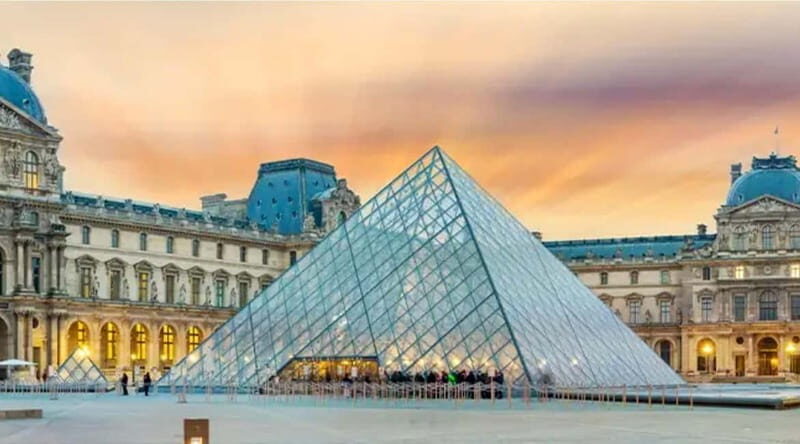
This is a classic “get oriented fast” style tour, built for people who want the headline sights without spending your whole day figuring out logistics. You pay about $47 per person, and that buys you a live English guide plus a route that strings together top Paris landmarks in a single outing.
Here’s the useful part: you’re not only looking at famous places—you’re learning how they connect on the ground. The tour moves from the hill area of Montmartre to the central sites around Île de la Cité and the Louvre zone. That kind of geographic context matters on your second or third day, when you’re trying to walk from one sight to another without turning your vacation into a transit scavenger hunt.
Do note the time tradeoff. With a schedule like this, you won’t get hours inside major attractions. Entry tickets aren’t included, and several stops are designed as quick exterior/photo moments. If your goal is deep museum time, plan a separate Louvre visit later. If your goal is seeing the major sights and getting the lay of the land, this is strong value.
You can also read our reviews of more guided tours in Paris



Starting in Anvers or Lepic: The Tour’s Best First Move
The tour starts at one of two meeting points: Anvers or Urban Bakery on Lepic. Either way, you’re set up for the same idea: begin near Montmartre, then gradually work your way toward the city center.
This is a smart starting strategy for two reasons. First, the Montmartre area is easy to overwhelm if you arrive on your own and immediately head to the big photo spots. Starting with a guide helps you understand where to go first and how to pace your walk. Second, it sets you up to experience the city in stages—hill views early, landmark photos later, then a natural finish near the Louvre region.
From the start, bring comfortable shoes. This is a walking experience with Metro support, not a sit-and-sip bus ride. Also bring a camera, because a lot of the best moments are the quick “stand here, look there, take the shot” kind—especially at the major icons.
Sacré-Cœur Inside: The Moment That Makes Montmartre Feel Real
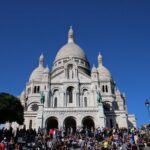
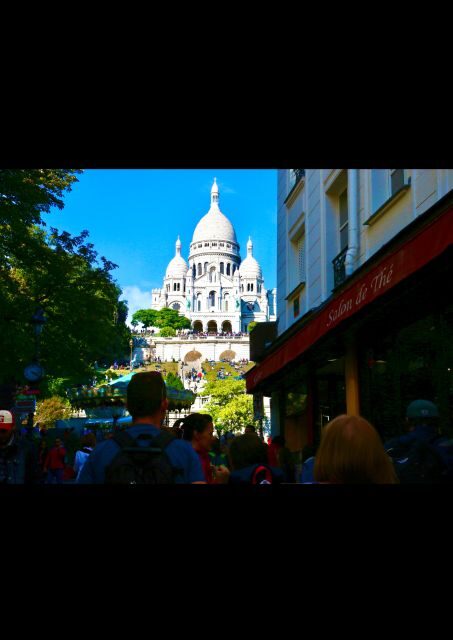
Sacre-Cœur Basilica is scheduled early, with about 10 minutes inside. That timing matters. Going in first gives you a calm buffer before Montmartre’s streets fill up later in the day. You’ll get a chance to see the interior architecture rather than treating the basilica like a quick exterior checkoff.
Then the tour shifts into a Montmartre walk (around 40 minutes). This is where the area starts to make sense. Montmartre isn’t just one view—it’s a network of streets, stairways, and little corners that feel different from the wider boulevards elsewhere in Paris. A good guide will point out what to notice as you go, including where you’ll want to stop for photos and how to keep moving without losing the group.
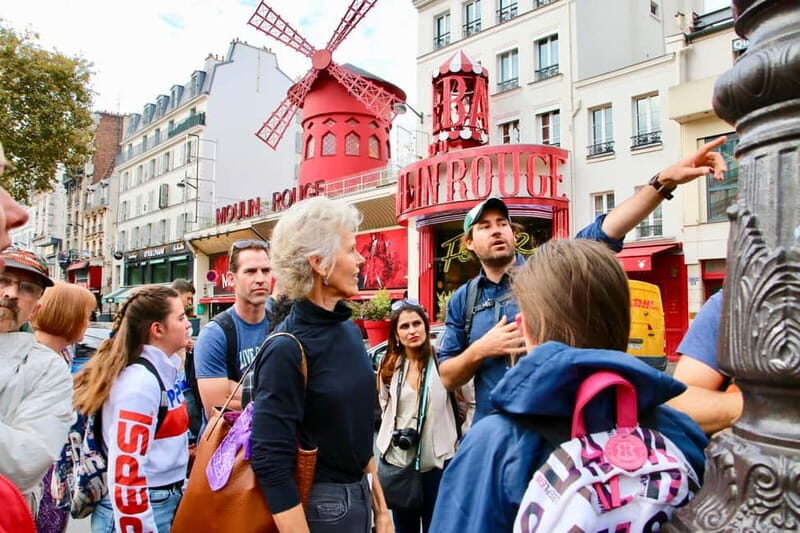
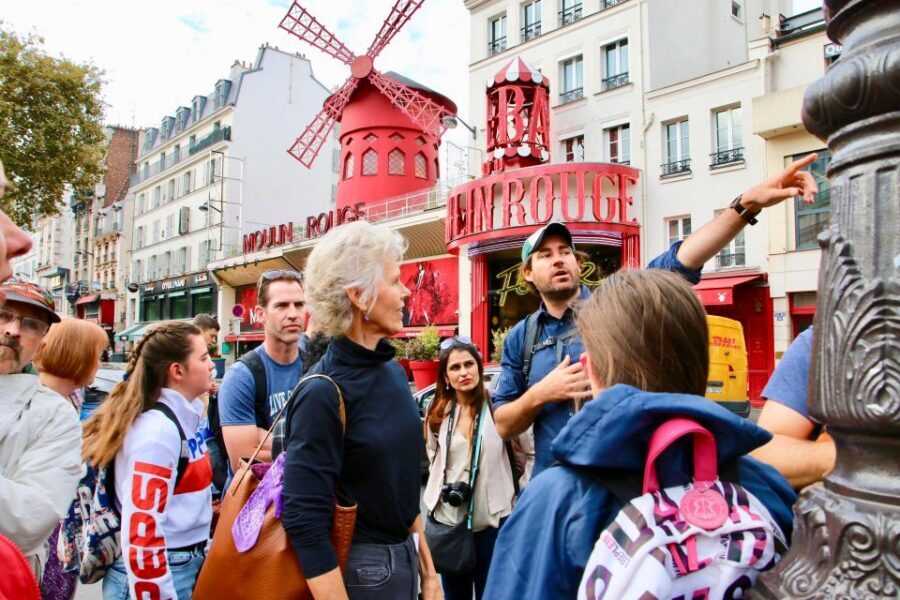
You’ll also have a Moulin Rouge photo stop (about 5 minutes). It’s short by design, but it works well if you treat it as a landmark orientation moment: you see it, you take the picture, and then you move on with less pressure.
Practical note: Sacré-Cœur and Montmartre both mean steps and uneven sidewalks. If you’re traveling with someone who struggles with stairs, you’ll want to think carefully about whether this tour’s pace fits your group.
Arc de Triomphe du Carrousel to the Eiffel Tower: Photo Stops With Real Payoff
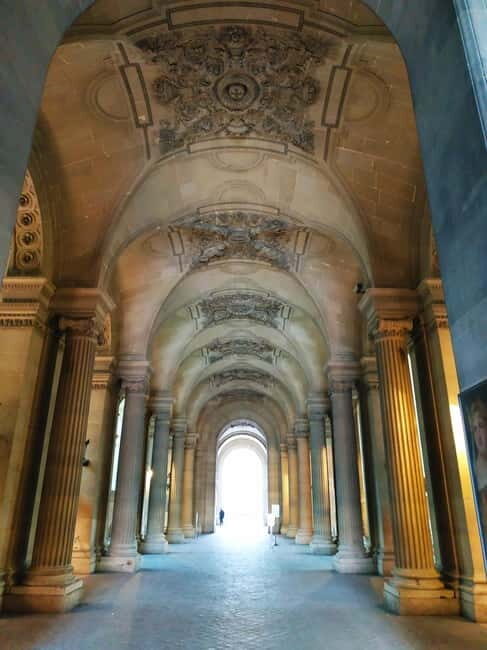
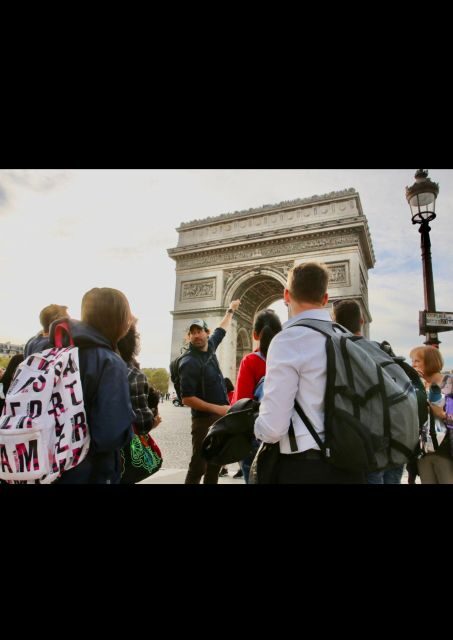
After Montmartre, you’ll head toward the center with a quick Arc de Triomphe du Carrousel photo stop (about 10 minutes). This stop is easy to miss if you only chase the biggest “must-sees,” but it’s a good bridge in your sightseeing story. It helps connect the grand architecture theme across Paris, not just the single famous skyline shots.
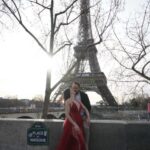
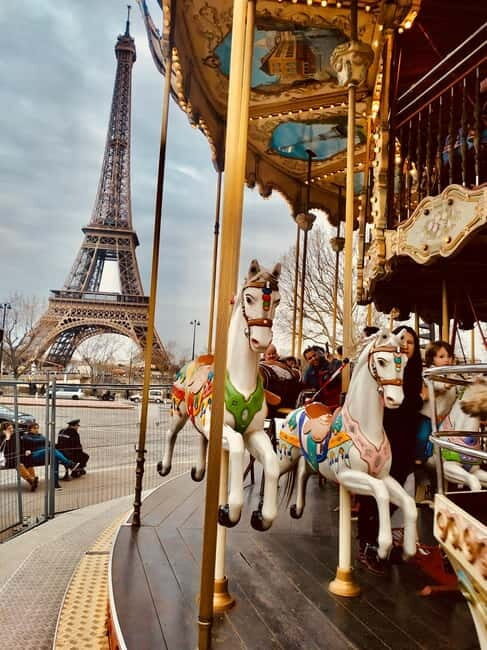
Then comes the Eiffel Tower photo moment, scheduled for about 15 minutes. Fifteen minutes sounds short, but it’s enough time to:
- get in a good position for a photo,
- watch how the area moves around you,
- and understand what direction you’ll want to explore later if you want more time.
This is where the guide’s “fun fact + practical direction” style really matters. In the feedback you’ll see themes like guides pointing out good photo angles and even helping with photography for each subgroup. Names that came up include Sasha, Olivia, and Adva, and the common thread is that they don’t just talk while you stand—they help you make the most of the time you have.
One consideration: you’re not waiting for long inside-ticket experiences here. The value is in getting you to the right spots quickly, so you don’t waste your first Paris day doing trial-and-error in crowds.
Notre-Dame and Île de la Cité: Short Stops That Still Teach the City
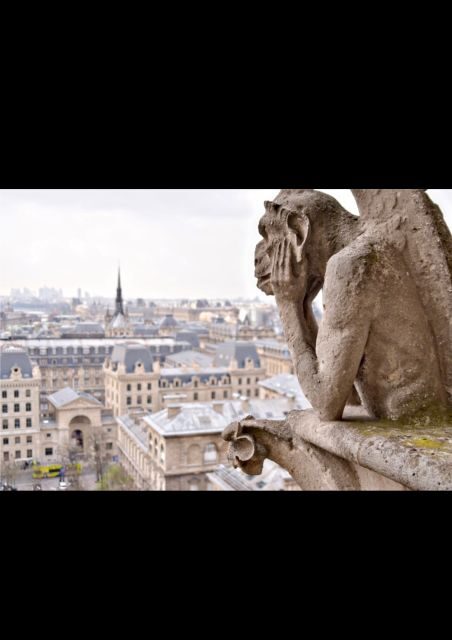
The tour’s central sweep gets dramatic around the Notre-Dame area. You’ll have a Notre-Dame Cathedral photo stop (about 10 minutes) plus time in Ile de la Cité (about 10 minutes). The format is quick, but the payoff is real: you see how Paris is organized around its older core, where the Seine loops and the city’s story feels concentrated.
You’ll also stop at Hôtel de Ville for a photo moment (about 10 minutes). It’s another “big Paris” landmark that fits the tour’s purpose: you’re building a mental map of where official Paris and historic Paris overlap.
Why this section works even at photo-stop speed:
- You’re seeing landmarks that are packed close enough to help you plan later.
- You’re getting narrative context so the names don’t feel random.
- You’re learning where to stand for photos without wandering into the wrong approach routes.
If you’re a history fan, you might wish you had more time here. But if your goal is orientation and first-day confidence, this stop set does exactly what it’s meant to do.



The Louvre Area Finish: What You Get in 10 Minutes (and What You Don’t)
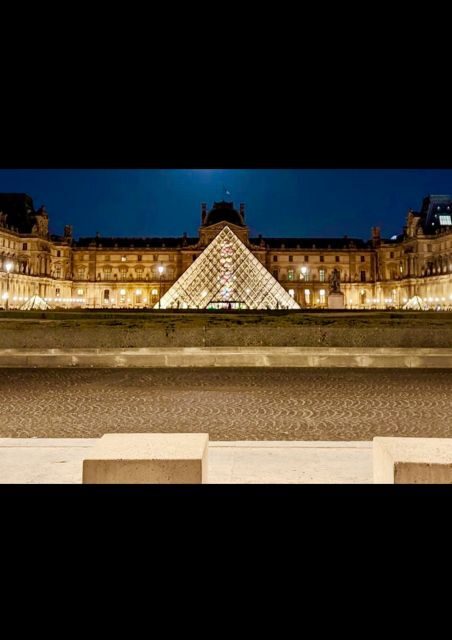
The tour ends with a Louvre Museum photo stop (about 10 minutes). You’ll also have two possible end/drop-off locations: Lacoste and the Louvre Museum area. Either way, you finish right where your next day of exploring makes sense.
Here’s the honest expectation: because entry tickets aren’t included, your Louvre time on this tour is about exterior views and getting your bearings. That’s still useful. The Louvre area is huge and confusing if you haven’t walked it once. A guide helps you orient to what’s around you, so if you buy museum tickets later, you’ll spend less time guessing.
This ending is also a practical win. Finishing near the Louvre region puts you close to multiple Metro lines and a lot of walkable streets, so it’s easier to keep sightseeing right after the tour.
Metro on Your Terms: What You Pay, What Your Guide Helps With
This tour uses a mix of walking and the Paris Metro, but there’s an important budgeting detail: metro transportation costs are not included. You’ll need to handle your own transit.
The tour info is specific about what to do:
- bring a day travel card like a Mobilis (Zones 1 and 2 are needed only),
- or use a Navigo card,
- and your guide can help you organize this on the day.
That matters more than it sounds. Paris Metro ticketing can feel fiddly on day one—especially when you’re tired from walking. When guides like Niko and Yasemin are highlighted, it’s often because they made Metro navigation feel straightforward, so you could keep moving after the tour ended.
So pack this mindset: you’re learning a route, not buying a bubble-wrapped ride. If you’re comfortable with public transit, great. If you’re anxious about metros, choose this tour early in your trip so you can practice with guidance.
Pace and Walking Reality: Who Enjoys This and Who Should Think Twice
You will walk a lot. That’s not a complaint—it’s the whole deal. The tour is built to connect Montmartre, central landmarks, and the Louvre region efficiently, which naturally means step count and quick transitions.
The good news: the schedule is paced with photo stops and short breaks at each major landmark. Plus, the group tends to be flexible enough that you’re not sprinting nonstop; you’re mostly moving between “stop, look, photo” moments.
A couple practical fit notes:
- If you like architecture, iconic views, and a fast first-day overview, you’ll likely love this.
- If you want long sits in museums or slow wandering with zero pressure, this isn’t that format.
Families have also worked well in real life. One group described success with children, including 6-year-old twins staying with the pace. That said, kids and mobility needs vary. If your group struggles with stairs or long walks, you should be cautious, since Montmartre and Sacré-Cœur come with steps.
Value Check: Is $47 Worth It for Paris’s Big Names?
At $47 per person, you’re paying for four things that add up quickly in Paris:
- A local guide who handles the flow of the day
- Time-saving logistics so you don’t waste your first hours figuring routes
- Access to iconic viewpoints without needing separate planning for each stop
- Stories and directions that make the sights feel connected, not random
You’re not paying for everything inside every attraction. Entry tickets are not included, and several stops are photo moments. So the value depends on your goal. If your goal is to see the headline sights and learn where they sit in the city, this is a strong use of money. If your goal is to do major indoor museums and cathedrals in depth, you’ll still need separate ticketed days.
Also, the tour advertises two scales: either 15 sights or 30-plus sights (depending on the option you choose). If you’re the type who loves checking off landmarks and you have limited time, the larger number can be worth it. If you prefer a calmer pace, the smaller set may feel more comfortable.
Should You Book This Paris Top Sights Tour?
I’d book this tour if:
- it’s your first or second day in Paris and you want an immediate city map in real life,
- you care about seeing Eiffel Tower, Notre-Dame/Île de la Cité, and the Louvre area without spending hours on planning,
- you’ll benefit from a guide who helps you with Metro confidence and photo positioning.
I’d skip or reconsider if:
- you want long museum time inside major sites,
- you don’t like walking or steps,
- you’d rather build a slow, independent route with no pressure.
If you do book it, go in with a good attitude: this is a Paris highlights “orientation sprint,” not a sit-down cultural marathon. Worn-in shoes, a camera, and a flexible mindset will make it a great way to start.
FAQ
How long is the Paris highlights tour?
The activity is listed as lasting about 3 hours. You can also choose an option that covers more sights in a longer half-day format.
How many sights will I see?
You can choose to see either around 15 top sights or over 30 sights, depending on the option selected.
Are entry tickets included for the attractions?
No. Entry tickets to sites are not included, so you’ll pay separately if you want to go inside places during your free time.
Does the tour include the Eiffel Tower and Notre-Dame?
Yes. You’ll get photo stops at both the Eiffel Tower and Notre-Dame, plus time around Île de la Cité.
Is the tour guided in English?
Yes. It’s a live tour guide in English.
Where do I meet the guide?
The start has two possible meeting point options: Anvers, and Urban Bakery on Lepic. The exact meeting point can vary by option.
Where does the tour end?
The activity ends back at the meeting point. Some options include drop-off locations near Lacoste and the Louvre Museum.
Do I need to pay for the Metro?
Yes. Metro transportation costs are not included. You’ll need your own transit card such as a Mobilis (Zones 1 and 2) or a Navigo card, and your guide can help you organize it on the day.
What should I bring?
Bring comfortable shoes (this is a walking-heavy route) and a camera. Comfortable clothes are also recommended.