REVIEW · PARIS
Louvre Museum Masterpieces Guided Tour
Book on Viator →Operated by Paris TRIP · Bookable on Viator
The Louvre is huge, but your time is not. This 2-hour small-group tour aims you straight at the museum’s best-known works, with just up to 6 people so you can actually hear the guide and move at a realistic pace through the crowds.
I like that it’s built for first-timers: you get a guided path to the Nike of Samothrace, Venus de Milo, and the Mona Lisa without wandering the galleries for hours. I also like the payoff after the tour, when your guide helps you decide where to go next, since the Louvre can feel like a maze once you’re on your own.
One thing to keep in mind: even with skip-the-line language, entry can still get messy on very busy days or if a guided entrance is temporarily closed. Add a little extra patience to your plan.
In This Review
- Key things to know before you go
- What makes this Louvre tour work when the museum is packed
- Starting at Librairie Delamain: the route begins before you see the art
- Nike of Samothrace: why that first stop feels like a movie scene
- Venus de Milo: the story behind the missing pieces
- Mona Lisa without the worst-case crowd experience
- What you do after the tour: turning highlights into a full day
- Price and value: what $121.72 buys you (and what it doesn’t)
- Group size, pace, and physical demands: plan for real museum movement
- Who should book this Louvre masterpieces tour
- Should you book the Louvre Museum Masterpieces guided tour?
- FAQ
- How long is the Louvre Museum Masterpieces guided tour?
- What’s the price per person?
- Is the museum entrance ticket included?
- Is the skip-the-line benefit included?
- How many people are in the group?
- Where do I meet the guide?
- Where does the tour end?
- Is food or drinks included?
- Is the tour wheelchair accessible?
- Can I cancel for free?
Key things to know before you go
- Skip-the-line admission attempt to one of the Louvre’s top-ticket moments
- Small group capped at 6 for better focus and fewer bottlenecks
- Targeted route that hits the Nike, Venus de Milo, and Mona Lisa early
- History walking tour style, not just standing and staring
- Tour ends inside the Louvre, so you can keep going under your own steam
- 2 hours includes admission, with a professional guide leading the way
What makes this Louvre tour work when the museum is packed
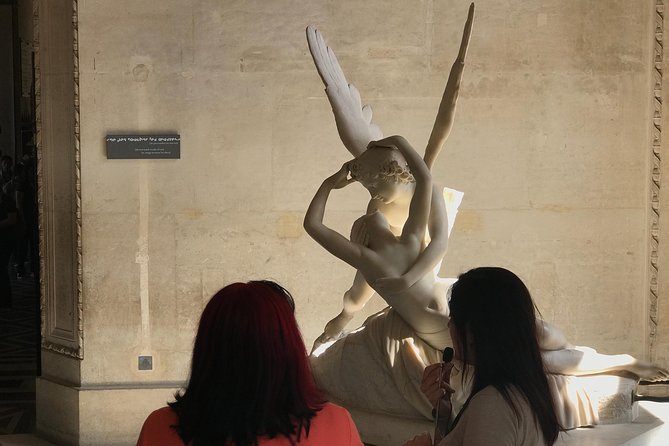
A Louvre day can go two ways: you either leave inspired, or you leave with sore feet and a half-remembered face staring back at you from a distance. This tour is designed to prevent the second scenario by doing the hard part for you: picking a route that gets you to the pieces you came for and giving you a sense of what you’re looking at along the way.
The format matters. With a maximum of 6 in the group, the guide can keep track of where everyone is, help you adjust your viewing position when crowds spike, and answer questions without the usual chaos. It also means you’re more likely to follow the story instead of just catching flashes of art between shoulders.
You’ll also see why the tour is so popular: the Louvre’s highlights are exactly the spots where lines and crowd walls form. Doing those first, with a plan, saves you from spending your best energy stuck behind a crowd doing nothing but squinting.
You can also read our reviews of more tours and experiences in Paris.



Starting at Librairie Delamain: the route begins before you see the art
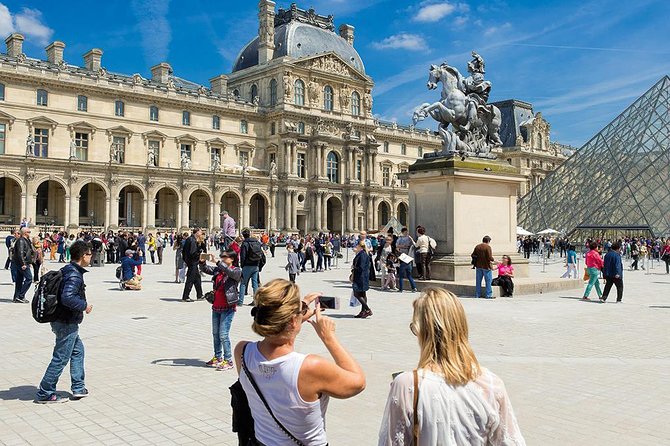
You don’t need hotel pickup. You make your own way to the meeting point at Librairie Delamain, 155 Rue Saint-Honoré, 75001 Paris. The good news is that this area is well connected to public transport, and people tend to find the spot without drama.
Plan to arrive a bit early. One downside of tight tours is that if you’re late, you can’t expect the group to wait, and Louvre entry is not forgiving. Even if you’re on time, security checks can still slow things down, especially when the museum is crowded or operational issues pop up.
From the meeting point, you’ll be guided toward the museum’s highlights while getting context on how the Louvre evolved—first as a fortress/palace site, then into the museum format people recognize today. That kind of framing helps you understand why the buildings feel like part of the show, not just a container for famous paintings.
Nike of Samothrace: why that first stop feels like a movie scene
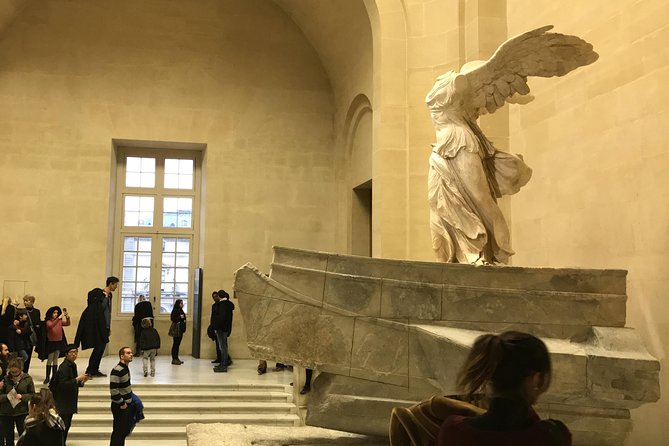
The tour starts building momentum right away at the Nike of Samothrace. You’ll stand at the foot of the statue of Victory, and the guide will point out the flowing cloak and powerful stance—details that make the sculpture feel alive even though it’s more than 2,000 years old.
This is a smart “first major stop” for a practical reason. Nike is dramatic and visually legible, so you can spend your early minutes orienting yourself. If you’re anxious about whether you’ll enjoy the Louvre, this statue often flips the switch fast: you stop thinking about navigation and start looking.
Also, it’s a good reality check about museums. Even when you’re standing near something famous, the experience still depends on how you position yourself. A small-group format helps here, because the guide can manage where you stand so you’re not only seeing the statue through the back of someone else’s head.
Venus de Milo: the story behind the missing pieces
Next up is the Venus de Milo, one of the most recognizable ancient sculptures in the world. The tour connects its fame to the fact that it survived from ancient Greece—and it also discusses one of its biggest mysteries: how the statue was lost and later found on the Aegean island of Milos.
This is where a guide’s explanations make a difference. Without context, you might see a beautiful torso and call it a day. With context, you start noticing how the design communicates presence, and you understand why people argue about how to interpret what’s missing.
It’s also a reminder that the Louvre isn’t a single collection you passively consume. It’s a long chain of discoveries, losses, and recoveries. Venus de Milo is an art lesson and a history lesson at the same time—one you can actually handle in a short visit.
Mona Lisa without the worst-case crowd experience
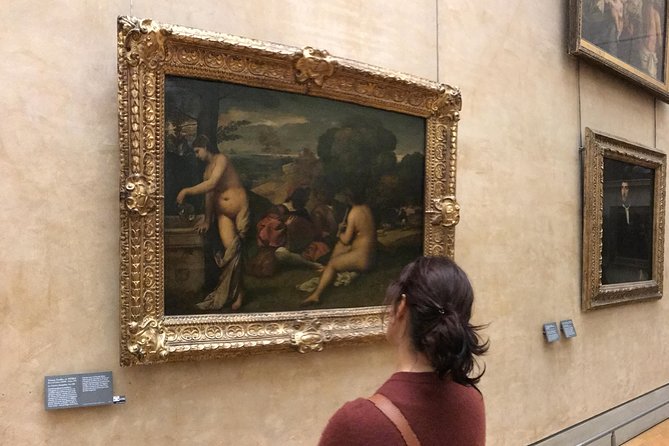
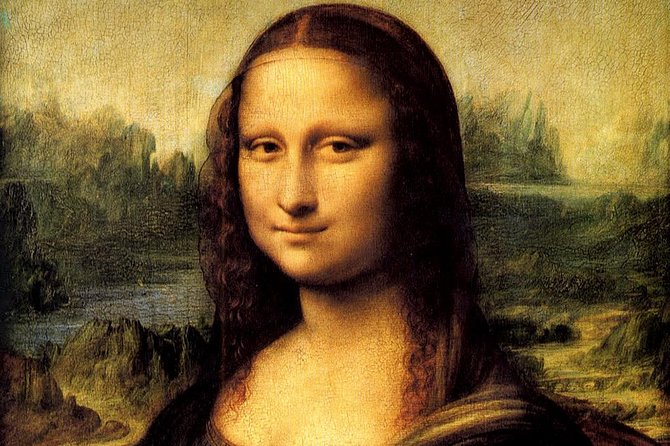
Then you reach the part everyone talks about: Leonardo da Vinci’s Mona Lisa. The guide shares what’s known and what still remains a mystery about the portrait. You’ll also get help on how to look at it in a way that feels worth the wait, since this is exactly where you can lose your focus if you spend your time just trying to find a spot.
Here’s the practical consideration: the Mona Lisa area is famous for being packed. Even on a tour that starts well, the crowd can still make it hard to see clearly up close. The best outcome is a guide who helps you time your viewing and choose the right angle so you don’t spend the whole moment frustrated.
One theme that shows up again and again with this kind of highlight tour is that the guide can set expectations early, then still add extra meaning once you arrive—explaining, pointing, and offering strategic viewing positions. That matters because the Mona Lisa isn’t only about the face. It’s also about the storytelling around it, and about training your eyes to what you can actually make out in real museum lighting and real-world crowd conditions.



What you do after the tour: turning highlights into a full day
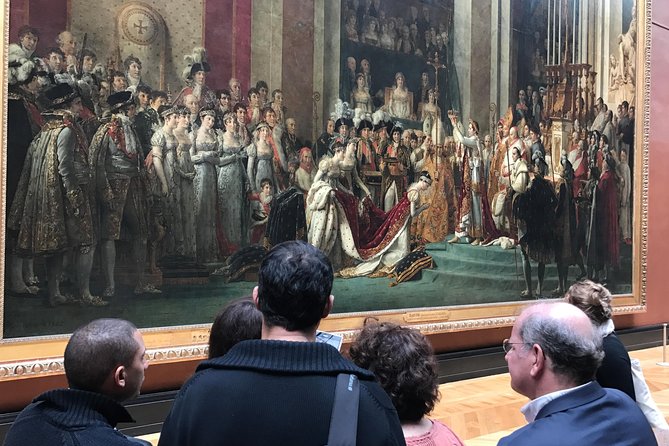
The tour ends inside the Louvre, and you get independent time to explore the rest of the museum after the highlights. Your guide can point you toward exhibits that match what you care about most, which is a big deal because the Louvre’s other collections are where many people find their personal favorites.
If you want a smooth transition from guided to self-guided, the highlight portion does two jobs:
- It teaches you how the Louvre organizes space and movement.
- It gives you reference points, so your wandering isn’t totally random.
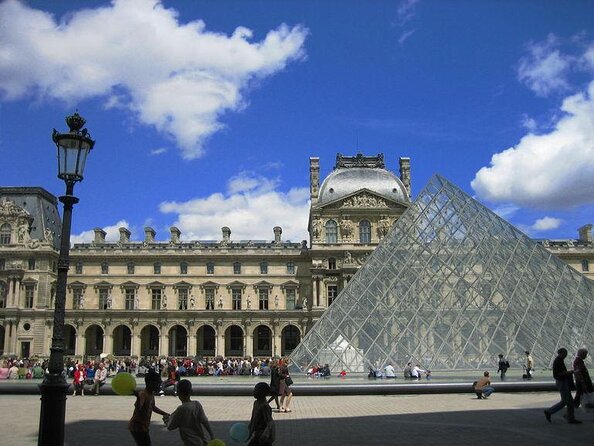
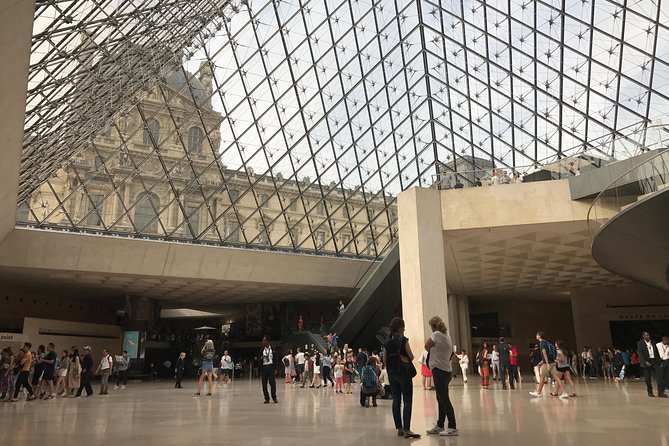
In some cases, guides have also led groups to get a view toward the Pyramid area from the escalators as part of the wrap-up. Even if your route doesn’t include a big exterior moment, the key is the same: you leave with a clearer mental map.
Price and value: what $121.72 buys you (and what it doesn’t)
At $121.72 per person, you’re paying for more than just entry. The tour includes a €28 entrance ticket and a professional guide, and it’s timed for about 2 hours of targeted viewing. You’re also buying convenience: you’re less likely to waste your limited hours standing in the wrong line or walking yourself in circles.
The value equation changes depending on your style.
- If you’re a first-timer or you only have a short window, the guide route can save you hours of “where should I go next?” stress.
- If you’re the type who loves deep self-planning and already knows exactly which wings you want, you might decide you only need an audio guide and a ticket.
One caution: the tour is described as skip-the-line, but museum operations can still affect entry. Days with a strike or temporary closures of specific guided entrances can add delays. The good news is that the group format still helps you recover your rhythm once inside.
My advice is to treat skip-the-line as a strong advantage, not a magic shield. Still, for most people, the combination of small group + guided highlights + time saved makes the price feel fair.
Group size, pace, and physical demands: plan for real museum movement
This experience requires strong physical fitness. The Louvre is full of walking and stairs, and even with a guide, you’ll be moving for the entire 2-hour window.
One small-group benefit is that the guide can respond to the reality of the group’s energy. People have shared that certain guides checked in on comfort and helped make space when someone needed a sit-down or a break. That doesn’t mean the tour becomes low-mobility friendly, though. It just means the guide can be practical and attentive.
Also, the tour is not wheelchair accessible. If that applies to you, you’ll want to look for a route designed around mobility needs.
If you’re choosing your time slot, consider the crowd pattern. Some guides and groups have recommended choosing the earliest available time so security moves faster and the museum feels less intense. That’s not a guarantee, but it’s a good strategy.
Who should book this Louvre masterpieces tour
This tour is a strong fit if:
- You’re visiting for the first time and you want a controlled path to the biggest works
- You want a guided story connecting art to the museum and its setting
- You prefer small-group attention over a large bus-style experience
- You’d like a plan for what to do next once the tour finishes inside the museum
You might look elsewhere if:
- You need a fully wheelchair-accessible format
- You want a long, slow session at only one or two works
- You hate the idea of following a set route, even briefly
If you’re on the fence, think about what you’re trying to protect: time, energy, or certainty. This tour protects time and energy best.
Should you book the Louvre Museum Masterpieces guided tour?
If your goal is to see the Nike of Samothrace, Venus de Milo, and the Mona Lisa with a guide guiding your eye and your route, this is an excellent “first Louvre” choice. The small group size and the 2-hour highlights focus make it realistic on a crowded day.
Book it if you want structure and a faster start to the museum. Skip it if you’re traveling with mobility constraints, or if you already know you’ll enjoy the Louvre most by picking your own slow, detailed path.
My final advice: choose the earliest practical tour time, arrive a little early at the meeting spot near Rue Saint-Honoré, and go in ready to look closely once you’re in.
FAQ
How long is the Louvre Museum Masterpieces guided tour?
It runs about 2 hours.
What’s the price per person?
The price is listed as $121.72 per person.
Is the museum entrance ticket included?
Yes. The tour includes a €28 entrance ticket.
Is the skip-the-line benefit included?
The tour is advertised as skip-the-line admission.
How many people are in the group?
The maximum group size is 6 travelers.
Where do I meet the guide?
Meet at Librairie Delamain, 155 Rue Saint-Honoré, 75001 Paris, France.
Where does the tour end?
The tour ends inside the Louvre at the end of your visit, in the 1st arrondissement area.
Is food or drinks included?
No. Food and drinks are not included.
Is the tour wheelchair accessible?
No. This tour is not wheelchair accessible.
Can I cancel for free?
Yes. Cancellation is free up to 24 hours in advance for a full refund.