REVIEW · PARIS
Paris South Montmartre Gourmet French Flavors Tasting Food Tour
Book on Viator →Operated by PARIS A DREAM · Bookable on Viator
Montmartre tastes better on foot. This Paris South Montmartre food tour mixes French neighborhood stories with real tastings, and it keeps you moving through the streets near Pigalle instead of sending you into museums. The focus stays on how food and places connect—where people shop, snack, and meet—while your guide points out landmarks like Moulin Rouge without turning it into a sightseeing marathon.
I love the small group cap of six. It makes the pacing calmer and the conversation easier to follow, even when the guide is talking history and food at the same time. I also love that you end up with a lot of variety: nine savoury and sweet tastings total, including wine and cheese, charcuterie, bread, and chocolates.
One consideration: there are no vegan options, and the exact tastings can shift with season and the day of the week. If you have allergies or strong dislikes, tell the team up front so they can steer you to the right options.
In This Review
- Key Highlights That Matter (Before You Walk)
- Paris South Montmartre: What This Food Tour Feels Like
- Where You Start Near Pigalle (And How Not to Waste Time)
- Stop 1 by Moulin Rouge: Secret Addresses and the Biggest Food Slice
- Stop 2 at Notre-Dame de Lorette Area: Artisans and a Focus on Shops
- What You’ll Eat: Wine, Cheese, Charcuterie, Bread, and Sweets
- Why the History Piece Works (Even When You Skip Museums)
- Walking Time vs. Tasting Time: A 3-Hour Reality Check
- Group Size Matters More Than You Think
- Price and Value: Is $156.20 Worth It?
- Who Should Book This Montmartre Tasting Walk
- Quick Game Plan Before You Go
- Should You Book This Food Tour?
- FAQ
- How long is the Paris South Montmartre Gourmet French Flavors Tasting Food Tour?
- Is the tour offered in English?
- What is the group size limit?
- How many tastings are included?
- What food and drinks are included in the price?
- Are there vegan options?
- Can I share dietary requirements or allergies?
- Where is the meeting point, and which metro is closest?
Key Highlights That Matter (Before You Walk)
- Max 6 people: you get a more personal pace and better access to questions
- Nine tastings total: wine and cheese are part of the plan, not an afterthought
- Historic local food stops: you’ll taste from long-running shops, including fromageries
- Street-level history without museum time: churches and museums are just landmarks
- Done in a practical walking loop: start near Pigalle and end around Rue des Martyrs
Paris South Montmartre: What This Food Tour Feels Like
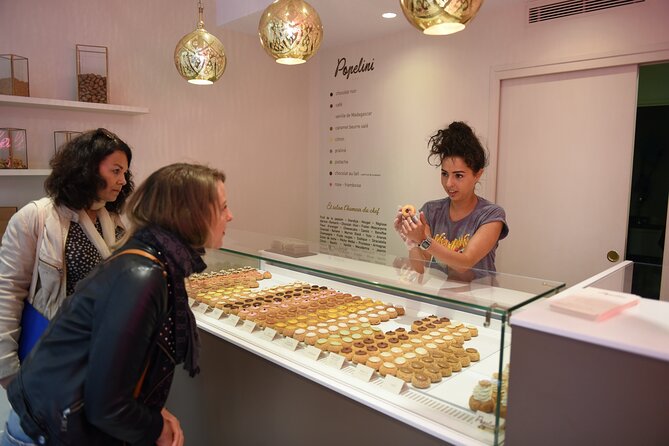
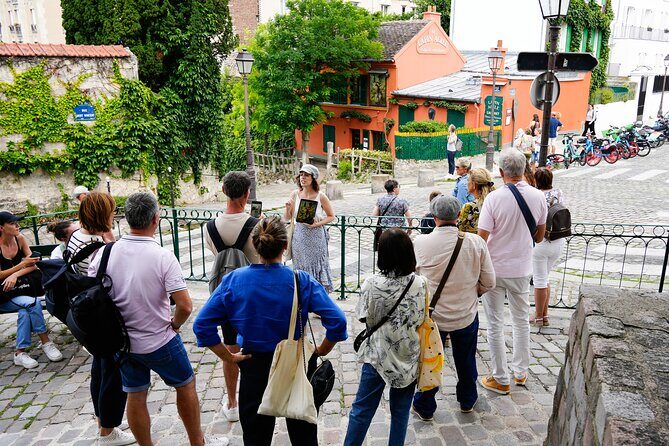
This isn’t a sit-and-wait “food court in disguise.” You’re out in Montmartre, walking a real neighborhood route, with tastings timed so you’re not just chasing your next bite. The best part is the balance: food first, then the stories that explain why those shops and streets matter.
You can also count on a guide who ties together the neighborhood and what you’re eating. Past departures show guides like Isa (and other local experts) sharing both practical context and long-form neighborhood talk, so the tasting stops feel connected instead of random.
The route is designed for people who want food culture, but also want to understand the place. And it’s capped at six, which helps a lot if you don’t want a big group shuffle.
You can also read our reviews of more tours and experiences in Paris.



Where You Start Near Pigalle (And How Not to Waste Time)
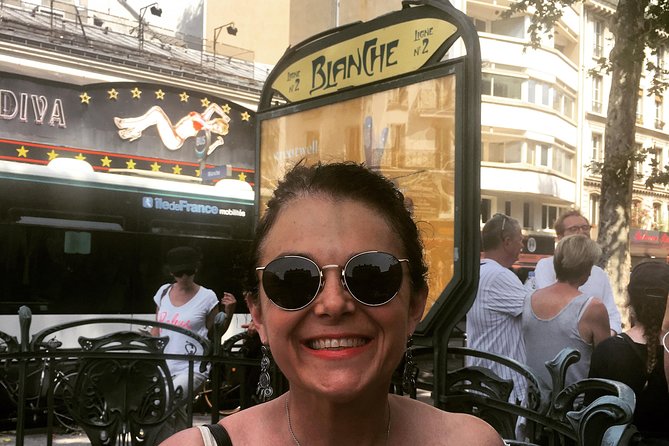
You’ll meet in the Blanche (75018) area near the metro Pigalle (lines 2 and 12). That location is handy because you’re close to a major transit hub, even if you’re staying elsewhere in Paris.
The tour ends around Rue des Martyrs, so you’re not stuck returning the same way. That matters because Montmartre can feel like you’re always climbing, and ending in a different spot can save some time and energy.
Practical tip: go in with a light breakfast or lunch. The plan includes multiple tastings, so if you arrive starving, you might end up overwhelmed by the middle portion. If you arrive stuffed, you’ll feel the opposite problem—so light and easy is the sweet spot.
Stop 1 by Moulin Rouge: Secret Addresses and the Biggest Food Slice
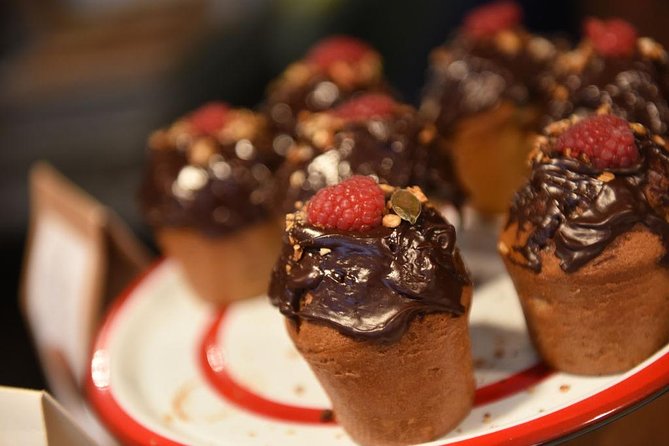
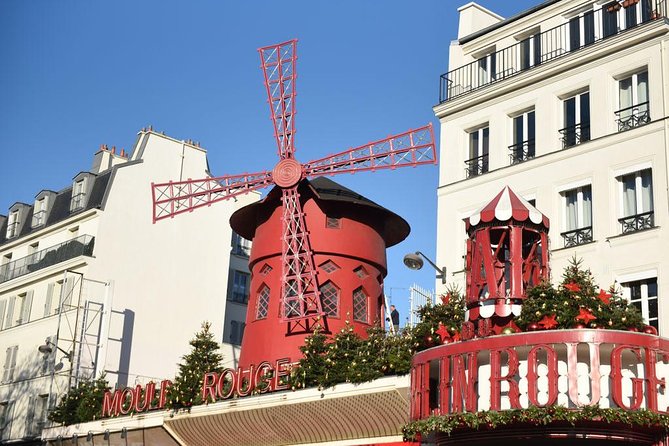
You start not far from Moulin Rouge. Your guide gives neighborhood anecdotes right away, setting the tone for the rest of the walk. This is one of the reasons the tour works for first-timers: you get bearings fast, and you learn how to read the area beyond the famous postcard view.
Then comes the part foodies come for: you’ll visit secret addresses where you may sit down to taste, not just stand and eat on the sidewalk. This first section is where the total eating load tends to feel heaviest.
Across the whole tour, you’re promised eight tastings plus a total of nine savoury and sweet tastings. That often means you’ll get more than one bite-type stop early on, and then the final section finishes the arc with artisans and finishing sweets.
What to know before you go:
- The tastings can vary by season and weekday.
- You might get a mix of savory and sweet items that fit the rhythm of the day.
- You won’t spend time inside churches or museums on this itinerary; those are landmarks only.
If you’re the type who likes a guided walk because it saves you the guesswork—this first stop does that job.
Stop 2 at Notre-Dame de Lorette Area: Artisans and a Focus on Shops
Later, you’ll reach the area at the foot of Rue des Martyrs and also near Eglise Notre-Dame de Lorette. The tour uses that neighborhood as a bridge into smaller artisan-focused stops.
Here’s the value: this isn’t just about famous streets. You’re pointed toward exceptional artisans and food shops that locals use. That makes your tastings feel like a guided “how people shop and snack here” lesson.
This portion also tends to wrap up with an ending that feels less touristy. Think: finishing bites and clearer contrasts—salty to sweet, wine to cheese, and food to chocolate.
One drawback to flag: because some details shift day by day, don’t expect the exact same lineup on every date. If you have very specific needs or dislikes, that’s why you should mention them when booking.
What You’ll Eat: Wine, Cheese, Charcuterie, Bread, and Sweets
This tour leans hard into classic French snack architecture: cheese, charcuterie, bread, wine, and sweet finishes. The included items are clearly spelled out:
- Charcuterie and wine
- Cheeses and bread
- Sweets, pastry or ice cream
- Chocolates
The big win for many people is the cheese and wine pairing style. You’ll get wine plus cheese from historic fromageries, which is exactly the kind of detail that makes a food tour more than “try three random items.”
Also, you’re not just sampling from one category. The mix is spread out so you’re not stuck with one texture or flavor profile for the entire walk. That matters because cheese can be heavy if it comes too late, and sweets are easier to enjoy if you already had something savory first.
A small caution: the tour states no vegan options. If you’re vegetarian only, or dairy-avoidant, your best move is to share dietary requirements and allergies when you book so the guide can suggest what works. The tour team specifically asks you to say what you don’t eat and any allergies.



Why the History Piece Works (Even When You Skip Museums)
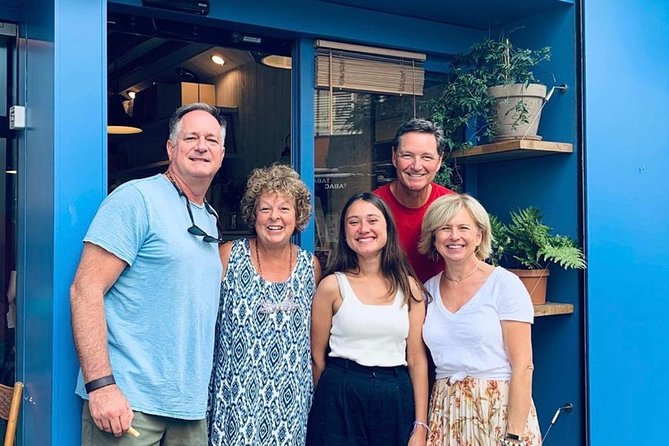
This tour gives you district history and food culture, but it does it in a way that keeps the day moving. Churches and museums are not visited. They’re used as landmarks, which prevents the itinerary from turning into a long indoor schedule.
That choice is smart for a food tour. You want:
- short context at the street corner
- a quick mental map
- then a tasting that makes the story real
It’s the difference between reading about Montmartre and walking through it with someone who knows the neighborhood’s food logic—where traditions come from, and why those shops persist.
Guides in past departures have been praised for sharing a lot of local topics and history, and for being friendly and communicative throughout. When a guide is doing that well, you end up feeling like the tastings came with explanations instead of labels.
Walking Time vs. Tasting Time: A 3-Hour Reality Check
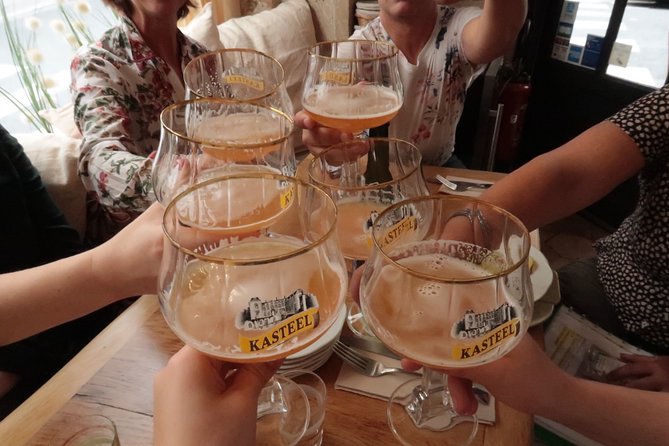
This is roughly 3 hours total. Within that window, you’ll do multiple tastings and enough walking to feel like you actually explored the neighborhood, not just hopped from one door to the next.
A useful way to think about it: you’re getting a guided path plus planned breaks. Some stops have you sitting down, but you’re still active. So plan for comfort: wear comfortable clothes and shoes. Montmartre terrain can be stop-and-go, and your feet will notice if your shoes are wrong.
Also bring patience for small pacing adjustments. Some days can include different tastings depending on season and day of the week, so the guide may adapt the flow.
And on hot days, don’t count on luck. Bring water and take your time at each tasting. That’s not just comfort advice—it helps you actually enjoy the wine and cheese instead of rushing through.
Group Size Matters More Than You Think
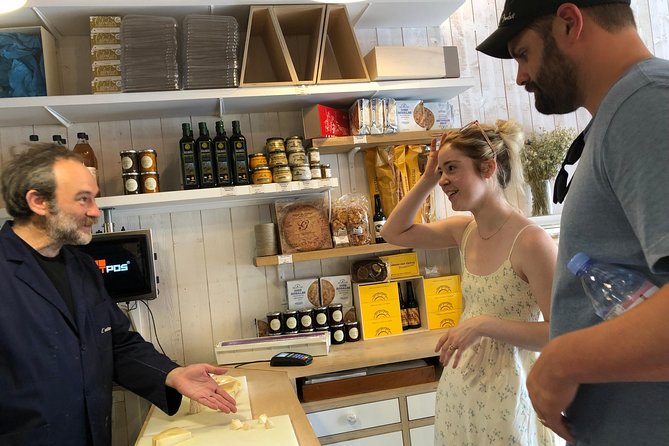
The tour caps at six travelers. That’s not a random marketing detail. In a group that size:
- you get to hear explanations clearly
- you can ask practical questions about what you’re tasting
- your guide can keep track of allergies and dislikes more easily
If you’ve done big group food tours before, you already know what happens: you’re following, not participating. Here, the smaller number keeps the experience conversational.
That also helps if you’re someone who gets distracted by noise or crowds. You can focus on the flavors and the street details instead of trying to shout over the group.
Price and Value: Is $156.20 Worth It?
At $156.20 per person for about 3 hours, the value depends on what you consider a good food-tour deal.
Here’s what you’re paying for:
- a local guide
- small-group size (max 6)
- multiple included tastings (nine total)
- wine plus cheese from historic fromageries
- charcuterie, bread, sweets or pastry or ice cream, and chocolates
- a list of addresses plus recommendations after the tour
If you were doing this yourself, you’d still spend money on transit, and you’d likely pay similar prices for cheese, wine, and charcuterie. The guide component is what turns “snack buying” into a structured experience—someone else handles the timing and the sequence, and you get context so you know what you’re tasting.
Is it the cheapest way to eat in Paris? No. But if you want a guided route that reliably includes wine and cheese, and you like learning while you eat, it’s a reasonable price.
Who Should Book This Montmartre Tasting Walk
This tour fits best if you:
- love French cheese and wine pairings
- want food culture plus neighborhood context
- prefer a small group over big-bus energy
- don’t need museums or church interiors to enjoy Montmartre
You might skip it if:
- you need vegan options (the tour states none)
- you want a purely flexible tasting agenda with no structure
- you’re expecting a museum-heavy sightseeing day (this itinerary is about tastings and street history)
Quick Game Plan Before You Go
A few things will make the experience smoother:
- Eat lightly beforehand, so you can enjoy multiple tastings comfortably.
- Wear comfortable shoes for walking and uneven streets.
- If you have allergies or strong food dislikes, send them during booking so the guide can plan.
- Bring a phone number when you book, in case the team needs to reach you.
And as a general Montmartre tip: pace yourself. This is a food tour. If you rush the walking, you’ll miss the enjoyment of the tasting stops.
Should You Book This Food Tour?
I’d book it if your ideal day in Montmartre includes structured tastings, especially anything with wine and cheese from long-running places. The small group size keeps it friendly and lets the guide’s history and food culture explanations land without feeling like a lecture.
I’d think twice only if you’re vegan, or if you’re the type who needs every tasting guaranteed to match a specific wish list. Because tastings can vary by day and season, the best fit is someone who enjoys classic French flavors and is flexible about the exact lineup.
If that sounds like you, this is one of the more practical ways to experience Paris food culture in the Montmartre South corridor—walking, tasting, learning, and leaving with a stack of shop ideas for later.
FAQ
How long is the Paris South Montmartre Gourmet French Flavors Tasting Food Tour?
It lasts about 3 hours.
Is the tour offered in English?
Yes, it is offered in English.
What is the group size limit?
The tour has a maximum of 6 travelers.
How many tastings are included?
You’ll enjoy eight tastings, with a total of nine savoury and sweet tastings.
What food and drinks are included in the price?
The tour includes sweets or pastry or ice cream, charcuterie and wine, cheeses and bread, and chocolates. Food and drinks are not included unless specified as part of the tastings.
Are there vegan options?
No vegan options are available.
Can I share dietary requirements or allergies?
Yes. You should advise any dietary requirements at the time of booking and tell the team what you don’t eat or any allergies.
Where is the meeting point, and which metro is closest?
You start near metro Pigalle (lines 2 and 12). The meeting point is Blanche 75018 Paris, and the tour ends on Rue des Martyrs.