REVIEW · PARIS
Tours of Paris and the Hauts-de-Seine in an Amphibious Bus
Book on Viator →Operated by Les Canards de Paris · Bookable on Viator
Paris has a secret way to travel.
This amphibious bus route takes you from classic landmarks to the river, including a dramatic splash into the Seine for a different kind of sightseeing. I love the mix of big-name views and the less-obvious stops along the Hauts-de-Seine side, and I also love that the group stays small (max 35), so the guides can keep things moving. One thing to consider: the exact meeting place can vary, so you’ll want to follow your email and arrive about 15 minutes early.
The experience feels built for fun without feeling chaotic. You’ll hear stories as you roll past places tied to Louis XIV, Napoleon’s era, and the Eiffel Tower’s first reactions, plus the bus gives you a rare “land-to-water” angle on the city. If you’re strict about hearing only English, note that some tours use French and English with translation at the mic—so plan to ask your guide questions if anything’s unclear.
In This Review
- Key things I’d pencil into your day
- Price, timing, and group size: the value math
- Getting started: meeting place timing and what to watch for
- Les Invalides and Pont Alexandre III: the Paris “greatest hits” start
- The amphibious part: riding Marcel le Canard on the Napoleonic loop
- Eiffel Tower viewpoints, a balloon-history park, and “Paris stuff” you’ll actually remember
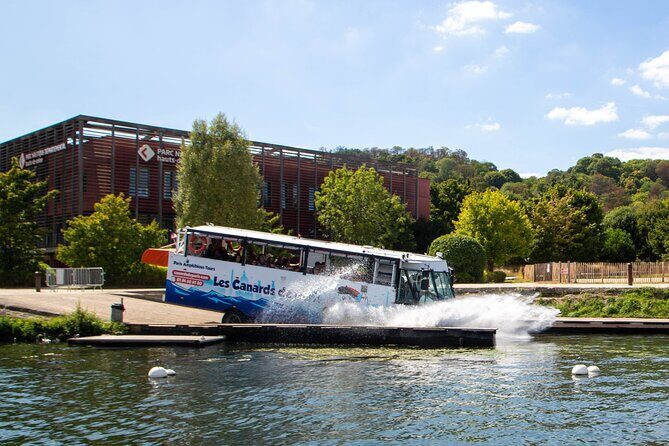
- The “splash, careful you’ll get wet” island moment
- Seine crossing: Seine Musicale, Seguin Island, and Saint-Cloud waterfalls
- Back on land: Île Saint-Germain, Jean Dubuffet, and Liberty of New York
- Language and guide style: how to get the most out of English
- Is this good for you? Who it fits best
- Should you book the Amphibious Bus tour of Paris and the Hauts-de-Seine?
Key things I’d pencil into your day
- A real splash into the Seine from an island park area
- Marcel le Canard, the first French amphibious bus used for this route
- Pont Alexandre III moments, including the bridge’s 1900 exposition link
- The best Eiffel Tower viewpoints during the drive-and-pause segments
- Western Paris + Hauts-de-Seine sights you’d skip on a standard hop-on hop-off
- Small group size (max 35) which helps keep questions and pace under control
Price, timing, and group size: the value math
At $50.79 per person for about 1 hour 45 minutes to 2 hours, this is priced like a premium city tour—but you’re getting more than a bus ride. You’re paying for two things at once: a guided loop that hits major sights, and the novelty (plus photos) of a vehicle that actually goes into the water.
That matters because most Seine experiences are either a full boat cruise (more time, more sitting) or a land-only sightseeing tour (no splash, fewer perspectives). Here, you get the river segment folded into the schedule, without committing to a half-day.
The group cap is 35, and that usually means you spend less time trapped behind a crowd. It also tends to make the guide’s jokes and explanations land better—especially if you’re traveling with kids or you simply want to hear what’s going on.
You can also read our reviews of more tours and experiences in Paris.

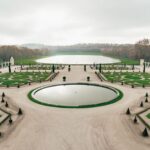
Getting started: meeting place timing and what to watch for
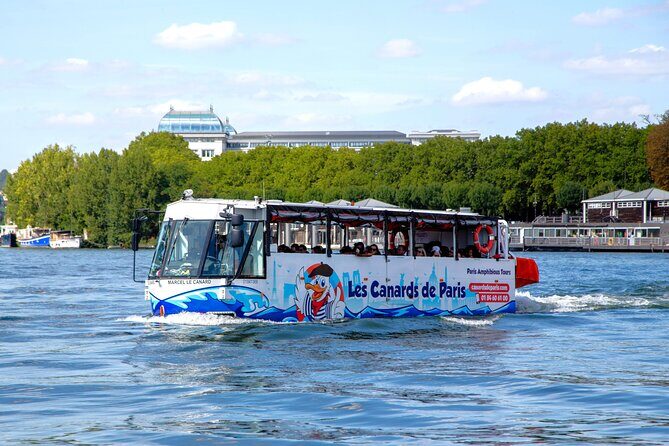
Your start point is Place Jacques Rueff (75007), but the meeting location can switch depending on the period—Place Jacques Rueff or Place Vauban. The key instruction is simple: board 15 minutes before departure time from whatever address appears on your booking confirmation email.
This is one of those details that can make or break your day. If you arrive late, you’ll miss the group and the timing window is tight. I’d treat this like a museum time slot: show up, find the right corner, and settle in.
Also, the ride returns to the same meeting point, so you don’t have to plan your onward route from an unfamiliar part of town. It’s convenient if you’re pairing this with dinner plans in the 7th arrondissement or beyond.
Les Invalides and Pont Alexandre III: the Paris “greatest hits” start
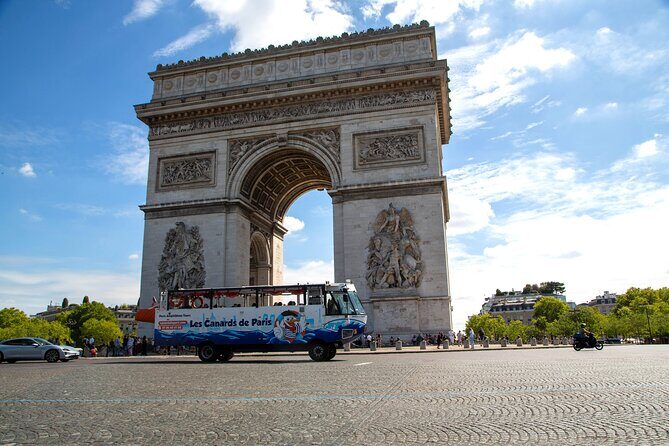
Right away, the route sets you up for landmark photos with guidance that helps you connect what you’re seeing.
You’ll pass by Les Invalides, described as a jewel built under Louis XIV in 1671. Even if you’ve seen the building’s silhouette before, having the date and royal context helps you understand why it’s such a heavy-hitter on the western skyline.
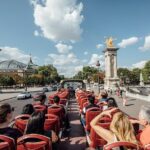
Then you cross Pont Alexandre III—built for the Universal Exhibition of 1900. This bridge is famous for its gilded look, and the tour frames it as more than decoration. You get the sense that it was designed to impress visitors during a world stage moment, and that changes how you look at the details.
A practical note: bridges are busy photo zones, so go with the guide’s timing. If you hop out too early, you’ll just be fighting other people for angles.
The amphibious part: riding Marcel le Canard on the Napoleonic loop
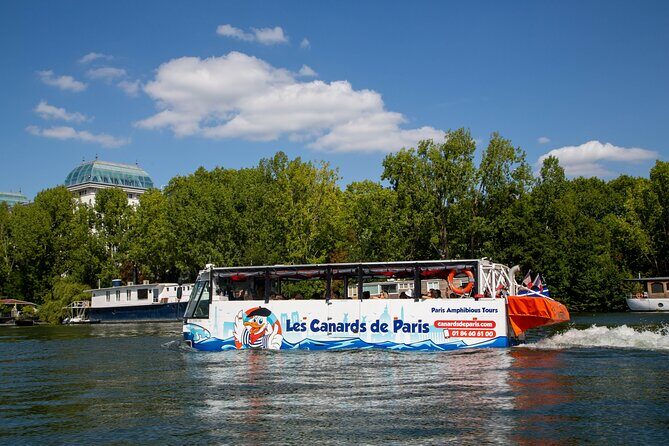
Once you’re on Marcel le Canard, you’re on the star of the show: a French amphibious bus built for land travel and a controlled splash into the river. The tour leans into the fun factor hard here, with crisp anecdotes while you roll along major avenues and monuments.
You’ll also get one of the tour’s biggest highlights: a great viewpoint for the Eiffel Tower. Instead of seeing the tower from only one predictable spot, you get city views from the moving route, plus a guided moment aimed at helping you frame the shot.
The guide pacing can make or break this kind of tour, and the best sessions are lively. In earlier rides, guides named Elliot and Paul have been singled out for keeping things engaging, and Elliot has also handled questions while switching between French and English during the ride.
Here’s the drawback to keep in mind: one English-only expectation mismatch does happen. In at least one case, the ride was conducted largely in French with English translation for key information only. So if English clarity is your top priority, I’d come prepared to smile, ask questions, and accept that you might not catch every detail in real time.
Eiffel Tower viewpoints, a balloon-history park, and “Paris stuff” you’ll actually remember
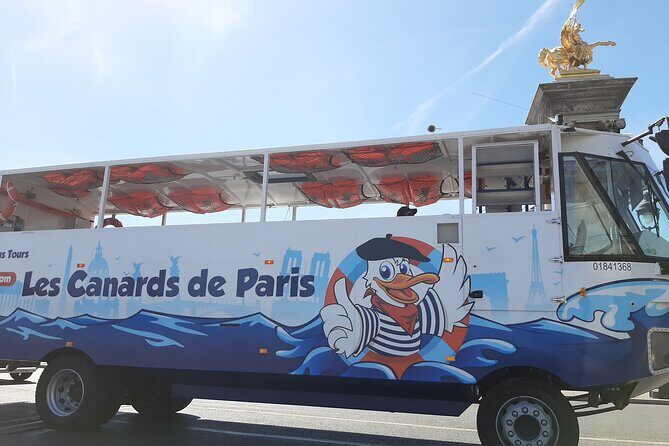
After the bridge moments, the itinerary shifts into “you don’t always notice this on a standard walk” territory.
You’ll pass through areas where the tour’s commentary helps you connect landmarks to specific stories:
- A park associated with the first manned hot air balloon flight (yes, that’s the kind of fact that makes the city feel bigger than postcards).
- A description of a majestic swimming pool that houses a luxury hotel and has marked Paris history.
- A drive by the Paris Saint-Germain stadium—and with luck, you may catch supporter chants.
Even if you don’t care about sports, this segment works because it gives the ride personality. It’s not only monuments; it’s Paris as a living place with modern energy right next to old stone.
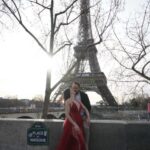
The Eiffel Tower angle matters too. If you’ve only walked past the tower on one route, you might leave feeling like you saw it once. This tour tries to give you a better sense of how the tower sits in the wider city—seen from movement, bridges, and carefully timed stops.

The “splash, careful you’ll get wet” island moment
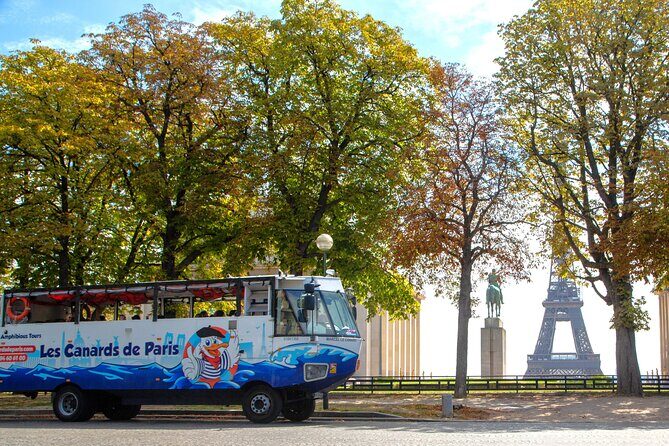
This is the part you came for, and it’s handled with clear setup: the tour heads toward the launching splash, then gets into the water at a nautical park on the island of Monsieur, named for the brother of Louis XIV.
And yes—it gets wet. Not just “maybe a sprinkle.” The bus transitions from road to river with a dramatic splash, and you should expect splash-back.
What I suggest:
- Wear shoes you don’t mind getting damp.
- Bring a small towel or something you can wipe your camera lens with.
- If you’re traveling with kids, plan on it being part of the fun, not a strict dry-day expectation.
This is also a great moment for families and first-timers because it breaks the normal sightseeing pattern. The city becomes a show, but still guided and structured.
Seine crossing: Seine Musicale, Seguin Island, and Saint-Cloud waterfalls
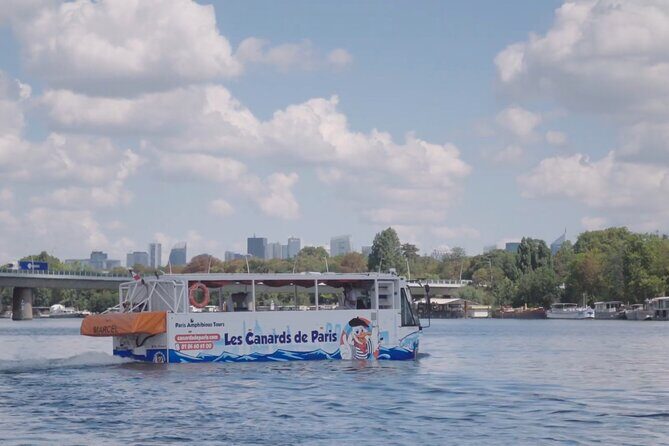
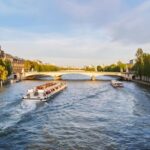
Once you’re on the water, the route turns into a “river notes” lesson—what you see along the Seine and why it matters.
You’ll admire Seine Musicale and hear about Seguin Island. The tour keeps your eyes moving, so you don’t just stare at one bank. You get the sense that this river corridor is a mix of performance venues, historical industrial sites, and redesigned spaces.
Still on the water, you can also see:
- The gardens of Saint Cloud
- A large waterfall
That’s a key value of doing this by amphibious bus instead of only land or only a cruise: you get guided pacing and different sight lines without needing a full separate river outing.
One practical consideration from the nature of amphibious routes: the river section isn’t always an “unbroken scenic straight line.” You’ll follow a bus-style route shape, not necessarily the smoothest boat-only curve. That said, the ride still gives you greenery pockets and a fresh perspective that you can’t easily replicate from a standard viewpoint.
Back on land: Île Saint-Germain, Jean Dubuffet, and Liberty of New York
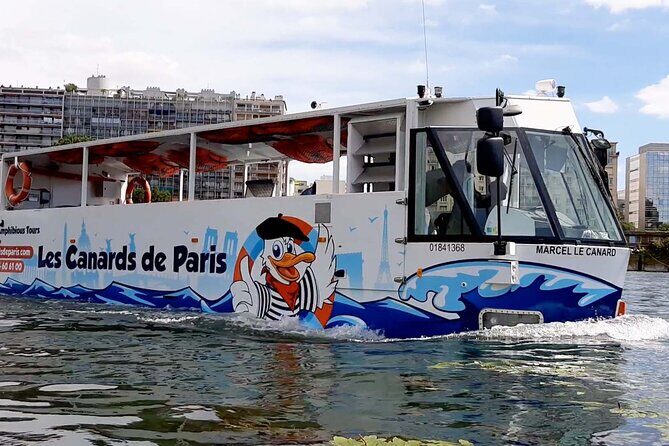
When you return to land, the tour keeps layering in local details that make the last hour feel like more than a replay.
You’ll pass Île Saint-Germain, described as a posh spot in Issy-les-Moulineaux. The highlight here is the Tower with figures of Monsieur Jean Dubuffet, noted as the inventor of outsider art. It’s a very “Paris of ideas” moment—art history alongside city planning.
Then comes a neat fact that changes how you think about Paris influence: Paris has six Statues of Liberty, and you’ll be able to see the largest one, which was used (by enlargement) to make the statue in New York.
That’s the kind of detail that can make the whole ride feel stitched together instead of random stops. It also gives you something to talk about on the way to dinner.
Before disembarking, the guide brings you back to the Eiffel Tower again with commentary about the icon of Paris and the fact that it didn’t please everyone when created. That’s a great final beat because it turns the tower from “just a photo” into a moment of historical debate.
Language and guide style: how to get the most out of English
This experience is offered in English, and the mic experience is where the real-world difference shows up.
In the better versions of the tour, guides have been described as funny and fluent, and capable of switching between French and English to keep everyone included. Names like Elliot and Paul came up in earlier experiences, and in at least one case they handled kids smoothly by bouncing between languages.
Still, I don’t want you to be surprised if English info feels less complete than you expected. If you’re sensitive to that, do this:
- Bring one or two questions you want answered (about a landmark, the Seine splash zone, or a specific story).
- During the ride, ask when the guide pauses—this often gets you the clearest English explanation.
If you’re traveling with mixed-language groups, these tours can actually work well, because the guide can keep the energy high and still connect the dots for everyone.
Is this good for you? Who it fits best
This one fits best if you want:
- A 1.5–2 hour guided hit of major landmarks plus river novelty
- A fun format for families and kids (the splash moment is built-in)
- A way to see western Paris and the Hauts-de-Seine side without planning a full day
It’s less ideal if you want a slow, quietly photographic boat cruise with minimal narration. The structure is guided and fast. You’ll get lots of “see this now” moments.
And if you’re an ultra-English purist, go in with the mindset that you’ll get English, but not necessarily in a perfectly identical word-for-word flow for every segment.
Should you book the Amphibious Bus tour of Paris and the Hauts-de-Seine?
I’d book it if you want the kind of city experience where the wow factor is built into the route. The amphibious bus segment is real, the Eiffel Tower viewing moment is planned, and the mix of Pont Alexandre III, Les Invalides, Seine Musicale, and Saint-Cloud gives you a better map of the city than a simple “drive past the big stuff” tour.
I’d skip it (or at least go with cautious expectations) if you need highly detailed English narration at every second, or if you’d be unhappy getting damp during the splash. Weather matters too—this style of outdoor, water-involving ride is weather-dependent, so plan to be flexible.
If you’re choosing one “different” activity in Paris, this is a strong candidate: you get guided sightseeing, a true land-to-water moment, and a route that reaches the Seine and Hauts-de-Seine in a way that’s hard to copy on your own.