Paris gives you a lot to look at.
This private route turns that chaos into a clear plan, with 15 iconic stops laid out like a visual checklist. I like the fast rhythm because you still get context at each landmark, and I also like that it’s built for a small private group (up to 3), so you can ask quick questions without feeling rushed.
The main thing to consider is pacing. Every stop is about 5 minutes, so if you love slow wandering, you may want to pair this with a longer visit on a second day.
In This Review
- Key highlights before you go
- A 3-hour private best-of Paris route from Place Vauban
- What you actually do: photo stops, quick context, and car time
- Stop-by-stop: Arc de Triomphe, Sacré-Cœur, Moulin Rouge, and the Opera/Bourse area
- Louvre, Notre-Dame, and the Pantheon: the “you need context” trio
- Sorbonne square, Saint-Michel fountain, and the museum-to-street contrast
- Musée d’Orsay and Invalides: culture and power in two quick stops
- Eiffel Tower, Pont Alexandre III, and Grand Palais: the final wow sequence
- Price and value for up to three people
- Timing, photo expectations, and what to do if the day gets weird
- Who this tour suits best
- Should you book this private Monument tour?
- FAQ
- How long is the private monuments tour?
- How many people are in a group?
- Where does the tour start and end?
- Is the tour offered in English, and is there a mobile ticket?
- Are admission tickets included for the stops?
- What happens if the weather is bad?
Key highlights before you go
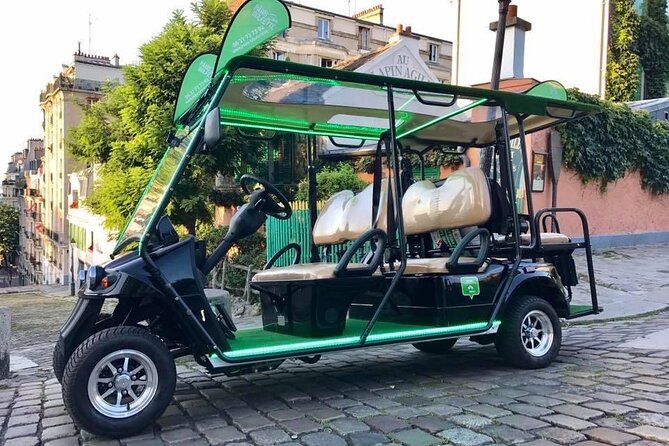
- Private car + driver keeps the day moving between far-flung sights
- English explanations at every photo stop, not just a drive-by
- Mobile ticket helps simplify entry moments
- Major icons in one loop: Arc de Triomphe, Sacré-Cœur, Notre-Dame, Eiffel Tower
- Photo-focused timing means you’ll see a lot, but not linger long
A 3-hour private best-of Paris route from Place Vauban
This tour is a 3-hour private monuments run in Paris, based out of Place Vauban (75007) and ending back there. The structure is simple: you’ll get a guided photo stop, a bit of explanation, then you’re on to the next stop by car.
It’s also a format that fits how Paris actually works. Distances between famous landmarks can add up fast, and walking every leg while trying to line up your photos is exhausting. Here, your driver handles the connection pieces, while your guide handles the “what am I looking at?” part.
One more practical note: this is marked as a free admission ticket for each listed stop. That’s unusual in a good way. Still, the key detail for your planning is the time. Even with admission included, the stops are short, so think of this tour as the best first look, not the only look.
What you actually do: photo stops, quick context, and car time
You can expect 15 stops across three hours, which works out to roughly 5 minutes each for photos and explanations. That means you’re not going to do a full museum day or a long cathedral visit. Instead, it’s like having a guide point to the important parts so you know what to prioritize later.
In a few of the notes left by prior guests, the same theme comes up: the guide’s explanations help you get closer to the meaning behind the landmarks, not just the postcard version. Another repeated idea is that the timeline can feel tight for picture-taking, especially if you want multiple angles at every stop. I’d treat this as a “get the shot and learn the quick story” tour, then plan a second outing for the one place you want to study.
Also, because it’s private, you’re not stuck waiting for a big group to regroup. That matters on a route like this, where the success of the day is about timing.
Stop-by-stop: Arc de Triomphe, Sacré-Cœur, Moulin Rouge, and the Opera/Bourse area
Your tour starts with Arc de Triomphe. It’s one of those places where you don’t just photograph a building—you photograph a viewpoint. Expect a photo stop plus a guide-led explanation that helps you understand why it’s so central to Paris symbolism.
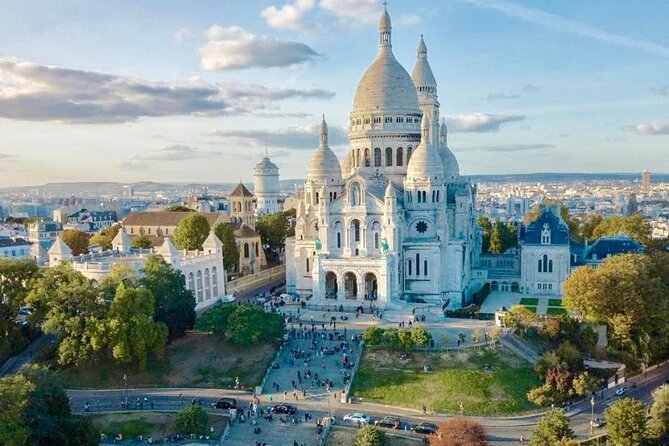
Next comes Basilique du Sacré-Cœur in Montmartre. Even if you’re only getting a short look, Sacré-Cœur is famous for the way it sits up above the city. Quick tip: at this kind of stop, it’s worth deciding in advance which view you want most—front façade vs. the skyline angle behind it—so you don’t waste your 5 minutes scrambling for the perfect spot.
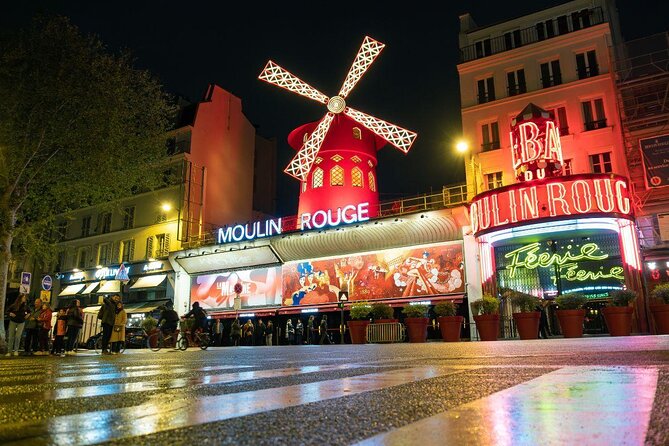
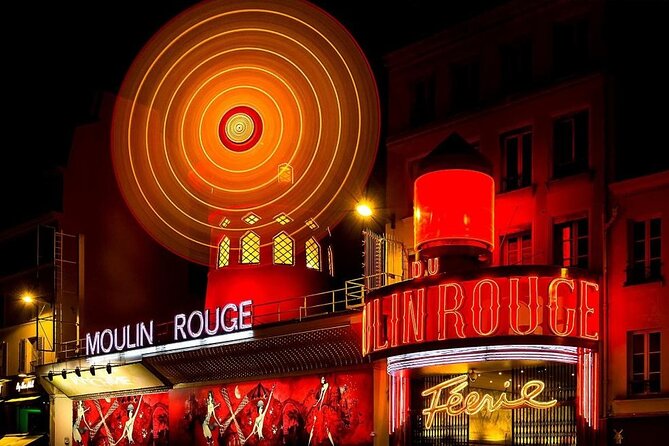
Then you pass Moulin Rouge. This one is less about long appreciation and more about nailing the moment. If you want to learn the wider story behind the famous cabaret name, the guide’s brief explanation is exactly where this stop earns its keep.
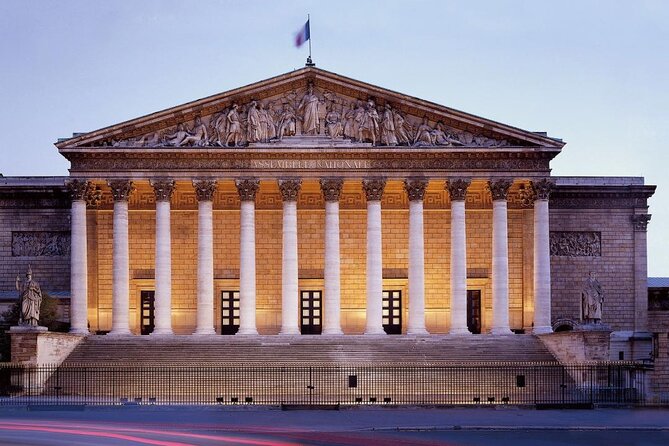
After that, you’ll hit the Opera / Bourse area for another photo stop and context. This is a good reminder that Paris has layers: big monuments are only one side of the picture. The central-city vibe around these landmark zones helps you see how grand buildings and city life sit side-by-side.
Louvre, Notre-Dame, and the Pantheon: the “you need context” trio
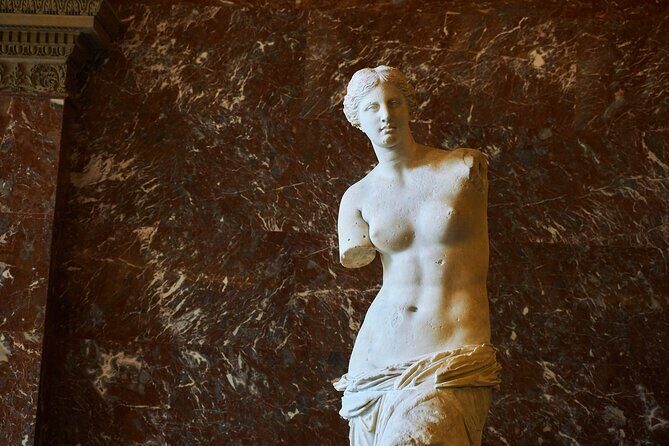
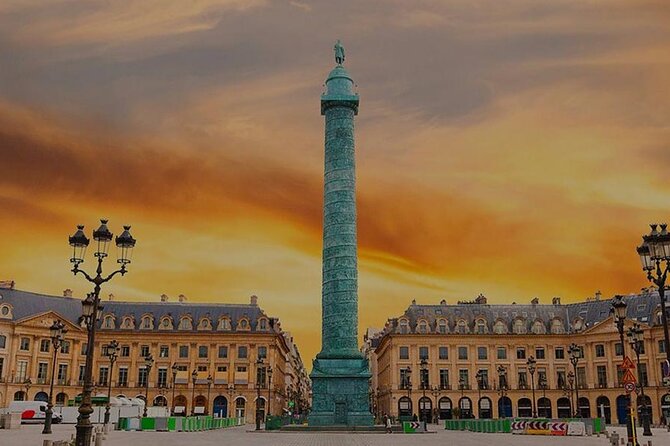
The next sequence leans classic and iconic. You’ll stop at Place Vendôme, then do a photo stop connected to the Louvre Museum. The value here is orientation. The Louvre area can feel overwhelming because it’s huge, and it’s surrounded by streets that don’t immediately tell you where to focus. A quick guided pointer can help you pick what to come back for later.
Then comes Cathedrale Notre-Dame de Paris. Even from a short photo stop, this is one of those landmarks where the guide’s explanation changes how you look at it. You’ll likely come away with a clearer sense of why it’s such a symbol, not just a famous church façade.
After Notre-Dame, you’ll move to the Pantheon for a photo stop and explanation. The Pantheon is a strong follow-up because it keeps the theme of monumental meaning going—Paris isn’t only about architecture; it’s also about what buildings represent over time.
If you’re the type of traveler who wants to feel like you get the basics right, this stretch is where the tour earns points. Short? Yes. Helpful? Also yes.
Sorbonne square, Saint-Michel fountain, and the museum-to-street contrast
Mid-route, you’ll stop at Place de la Sorbonne. This is a more “read Paris” kind of moment than a “stand here forever” landmark. A brief explanation helps you connect the area to the idea of education and learning—useful context when you’re also seeing major sites that function as cultural markers.
Then you’ll get Fontaine Saint-Michel for a photo stop. This fountain is a reminder that Paris landmarks aren’t only massive buildings. It’s also the smaller public art and street corner points that make the city feel lived-in. In a quick tour format, this helps keep things from becoming too repetitive.
And that’s exactly why the route works as a loop. You’re not only hitting the biggest names; you’re mixing in details so the day feels like Paris, not just a list.
Musée d’Orsay and Invalides: culture and power in two quick stops
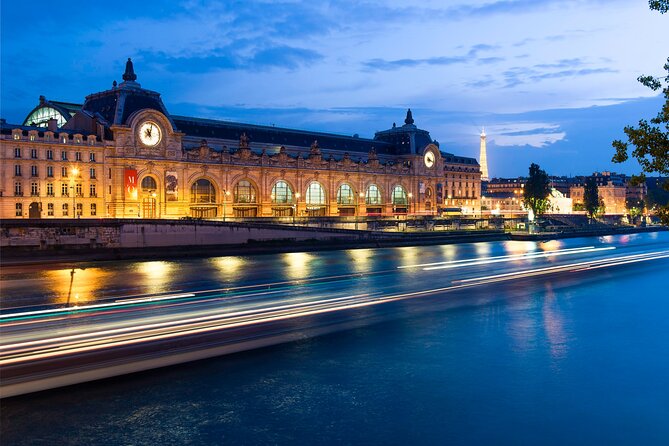
Next up is Musée d’Orsay for a photo stop and explanation. Even if you’re not doing a full museum visit on this day, Orsay is worth learning about early because it’s one of the city’s most recognizable museum profiles from the outside. If art is part of your trip priorities, this is a smart “bookmark” stop.
After that, you’ll go to Invalides for a photo stop and explanation. Invalides carries weight in a way that’s easy to miss if you only look at its silhouette. A guide’s short context makes it feel less like a random landmark and more like a purposeful stop in the story of France.
If you’re worried that the tour might feel like pure sightseeing, these two stops help balance it. They push beyond sightseeing into “why that place matters.”
Eiffel Tower, Pont Alexandre III, and Grand Palais: the final wow sequence
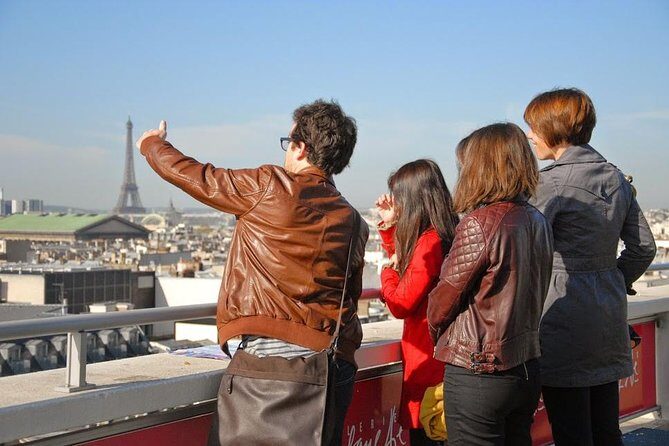
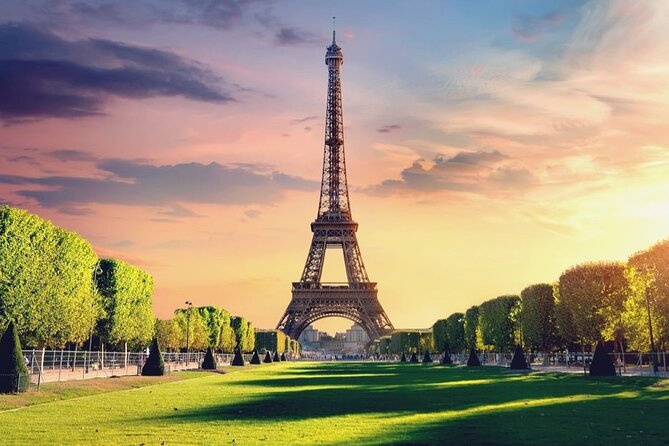
The last third is pure big-view energy. You’ll stop for photos at Eiffel Tower, then head to Pont Alexandre III and Grand Palais for photo stops and explanation.
Even with only a few minutes, Eiffel Tower is the obvious anchor of the day. If your brain has been waiting for that moment, this tour delivers it. The guide’s explanation at the stop also helps you look beyond the obvious and notice why it’s so tightly woven into Paris identity.
Pont Alexandre III is a nice choice as a closer because it frames Paris across the water, giving you that classic postcard composition. And Grand Palais ends the tour with architectural grandeur, setting you up for a strong “last photo” memory.
Timing can feel tight here too. If you care about getting the Eiffel Tower shot plus a bridge-and-river composition, decide which photo is non-negotiable before you arrive.
Price and value for up to three people
The price is $432.28 per group (up to 3), for about 3 hours. That sounds like a lot until you break down what you’re buying: private transportation plus a driver, plus English guidance at multiple major stops.
If you’re traveling with 2 others, the cost spreads out in a way that can beat piecing together separate rides and trying to match your timing to public transport. It’s also often more efficient than renting time-consuming self-navigation, because your route is already stitched into a tight loop.
The best value here is clarity. Instead of spending your first day frantically trying to decide where to start, you get a guided overview of the city’s heaviest hitters. Then, you can return later to the specific place you care about most with less guesswork.
One caveat: because stops are short, this isn’t a bargain if your goal is deep museum time or long interior visits. It’s a bargain for “get oriented and see everything once,” especially when you want it in a private format.
Timing, photo expectations, and what to do if the day gets weird
This tour runs on a tight schedule: around 5 minutes at each listed stop. That’s great for coverage, but you should expect your guide to keep moving, even when the light is good or you spot a better angle.
Some previous guests noted that they wanted a bit more stopping time for photography, mainly because the timeline is packed. I’d plan for smart photos rather than photo marathons:
- Pick 1–2 shot types at each stop (façade + a wider view, for example)
- Save your long photo session for the one or two landmarks you care about most
Paris also has a reality check: major events and street closures can throw a wrench into any route that depends on driving through central areas. If you’re traveling on a day with known city-wide events, keep your expectations flexible and stay alert on the day for changes.
If weather is poor, the experience notes indicate it may be canceled and you’ll be offered a different date or a full refund. That’s a big deal for a route that relies on moving outdoors and getting quick photo moments.
Who this tour suits best
This private monuments format fits best if you:
- Want to see a lot in a short time without planning a complicated route
- Prefer less walking between far-apart sights
- Like getting quick context before you commit to deeper visits later
- Are traveling as a small group who would rather keep the experience private
It might not be the best fit if you:
- Want long museum hours or a slow, wandering day
- Are the type of photographer who needs 30–45 minutes per viewpoint to get the perfect set
Should you book this private Monument tour?
Book it if you want a guided, short-and-sweet orientation to Paris’s biggest landmarks, delivered with a driver so you spend your energy on photos and questions instead of transit stress. The private group size, English explanations at each stop, and the tight loop through places like Arc de Triomphe, Sacré-Cœur, Notre-Dame, the Louvre area, and the Eiffel Tower zone make it a solid first-pass plan.
Skip it (or plan your expectations) if you’re chasing deep museum time or long interior visits. This is the day you get the map in your head—then you go back on your own for the one or two places you want to really sit with.
FAQ
How long is the private monuments tour?
It runs for about 3 hours.
How many people are in a group?
It’s a private tour for your group, up to 3 people.
Where does the tour start and end?
It starts at Place Vauban, Pl. Vauban, 75007 Paris, France, and ends back at the same meeting point.
Is the tour offered in English, and is there a mobile ticket?
Yes, it’s offered in English, and it includes a mobile ticket.
Are admission tickets included for the stops?
The experience lists admission ticket as free for the listed stops.
What happens if the weather is bad?
The experience notes it requires good weather. If it’s canceled due to poor weather, you’ll be offered a different date or a full refund.