REVIEW · PARIS
Paris Cooking Class: French Desserts Class
Book on GetYourGuide →Operated by Le Foodist · Bookable on GetYourGuide
Paris desserts have a way of sounding fancy. This class keeps it practical.
You’ll spend 3 hours learning a focused trio: chocolate soufflé, crème brûlée, and crêpes Suzette. I like that it’s not a random buffet of recipes. It’s one skill set, taught with clear technique and time to actually practice.
Two other things I appreciate: you’ll work in a small group of up to 8, so you aren’t shouting questions over a crowd, and you eat the results in the dining room with coffee, tea, and white wine. The one drawback to consider is that the menu is very specific—if you’re hoping for macarons or tarte Tatin in this particular session, you’ll want to look for another class type.
In This Review
- Key highlights you’ll feel right away
- Paris French Desserts at Le Foodist: what this class really is
- Why these desserts: soufflé, crème brûlée, and crêpes Suzette
- The vibe in the room: small-group energy and clear pacing
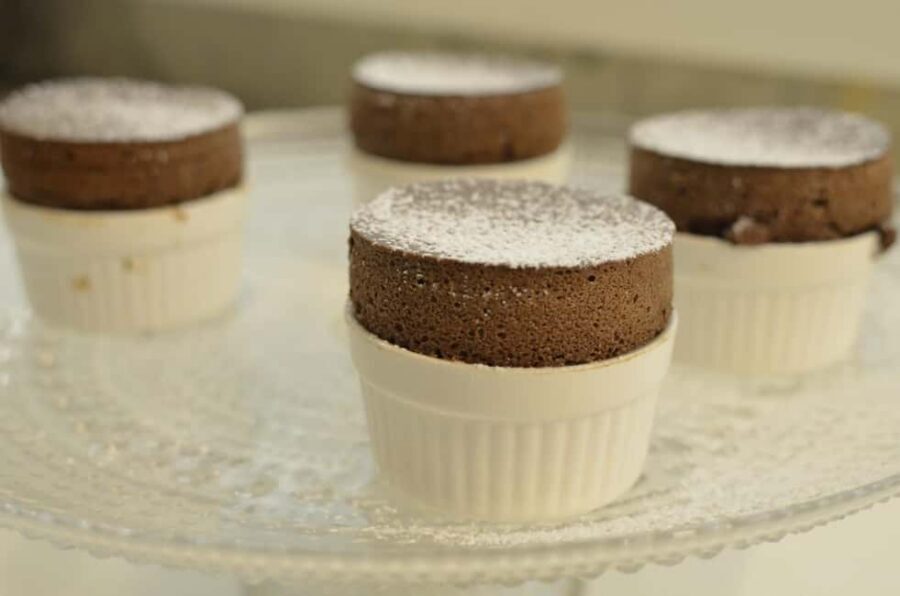
- Chocolate soufflé: learning lift, texture, and timing
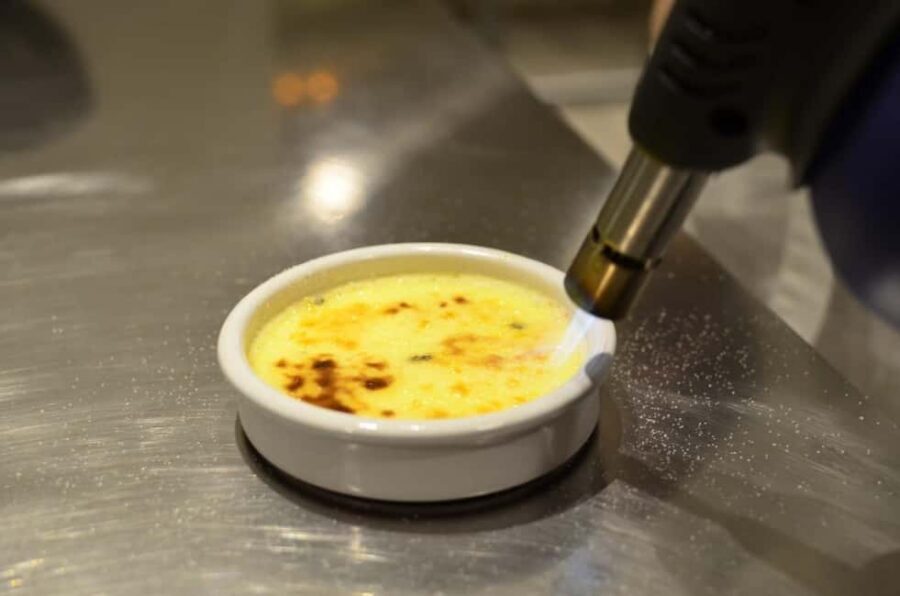
- Crème brûlée: the crackle comes from controlled heat
- Crêpes Suzette: buttery, citrusy, and very technique-friendly
- How the session flows (and why the order matters)
- Drinks and dining room time: the payoff is eating together
- Price and value: is $152 per person worth it?
- Where to meet: Le Foodist in Paris’ 5th
- Who should book this French desserts class
- Should you book the Paris French Desserts class?
- FAQ
- How long is the Paris French desserts class?
- How much does it cost?
- Where does the class meet?
- Which desserts will you make?
- Is the class taught in English?
- Is it a small group?
- Are drinks included?
- Where is it located compared to public transit?
- What is the cancellation policy?
- Can I reserve without paying right away?
Key highlights you’ll feel right away
- Hands-on pastry time focused on three classic desserts
- Small group (max 8) for real guidance and quick feedback
- Chef-taught technique plus tips and tricks you can reuse at home
- Eat what you make in a relaxed dining room setting with drinks
- English instruction so you can follow every step without guessing
Paris French Desserts at Le Foodist: what this class really is
A French desserts class can go two ways: either you watch someone else work, or you learn by doing. This one is built around the second option. You’ll get hands-on instruction to make soufflé, brûlée, and crêpes Suzette, then you’ll eat your creations with coffee, tea, and white wine.
The Le Foodist setting also matters. It’s not a huge cooking school with a factory vibe. The group is kept intentionally small, and the class is designed so you’re making progress during the session—not just collecting recipes for later.
One extra detail I genuinely like: the class doesn’t treat desserts as magic tricks. It talks about pastry arts in a way that helps you understand what’s going on. That’s what makes the difference when you try again at home and something behaves differently in your kitchen than it does in a Paris studio.
You can also read our reviews of more cooking classes in Paris
Why these desserts: soufflé, crème brûlée, and crêpes Suzette
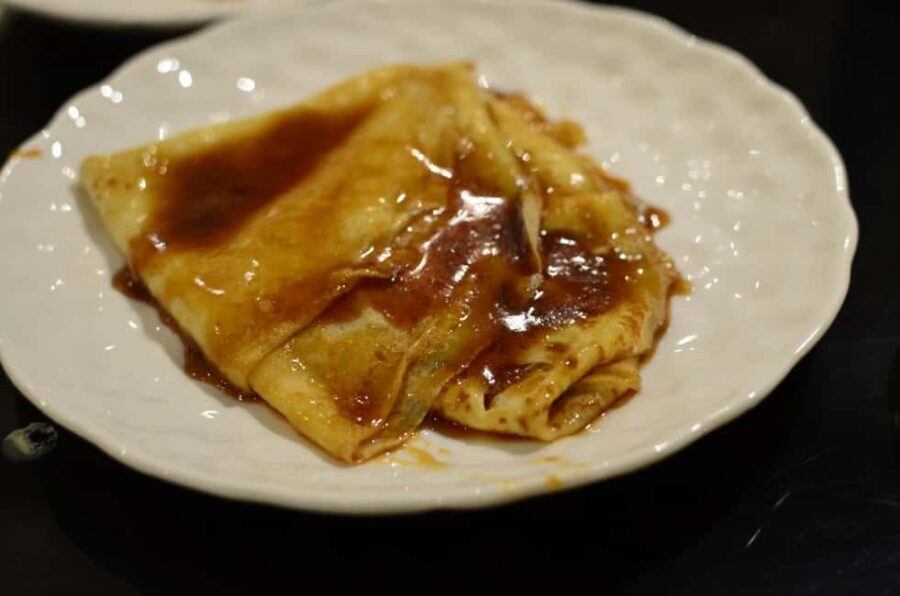
This session is centered on desserts that teach different kinds of pastry thinking.
- Chocolate soufflé is about structure and timing. You’ll learn how to get the lift without chaos.
- Crème brûlée is about custard texture and the controlled heat that creates the crackly top.
- Crêpes Suzette brings technique plus flavor balance, with a more casual feel even though the steps still benefit from good method.
In other words, you’re not just collecting three sweets—you’re learning three different ways to succeed with French dessert making. If you’re the kind of traveler who wants one “skill takeaway” rather than a pile of printed instructions, this format makes sense.
It also fits the way many people experience French food in Paris: desserts feel central here. If you’re already craving that classic moment of chocolate, caramel, and buttery sugar flavors, this is a direct route.
The vibe in the room: small-group energy and clear pacing
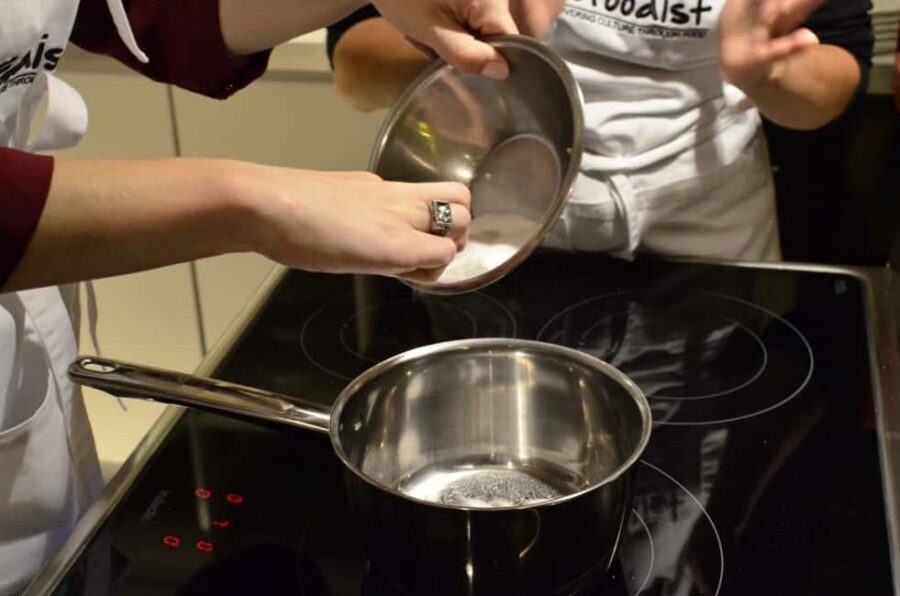
The atmosphere is practical and friendly, not stiff. In a recent class, one chef named Florence stood out for high energy and strong organization, keeping everyone on task. That matters more than it sounds. Pastry is timing-heavy, and a chaotic kitchen makes even good ingredients feel stressful.
The class is also capped at 8 participants, which changes the whole experience. You’re more likely to get quick checks from the instructor, and you can ask questions without feeling like you’re holding up a production line.
You should also expect English instruction. That’s helpful because pastry vocabulary can be tricky when you’re learning technique. Here, you’re not left to infer steps from gestures.
Chocolate soufflé: learning lift, texture, and timing
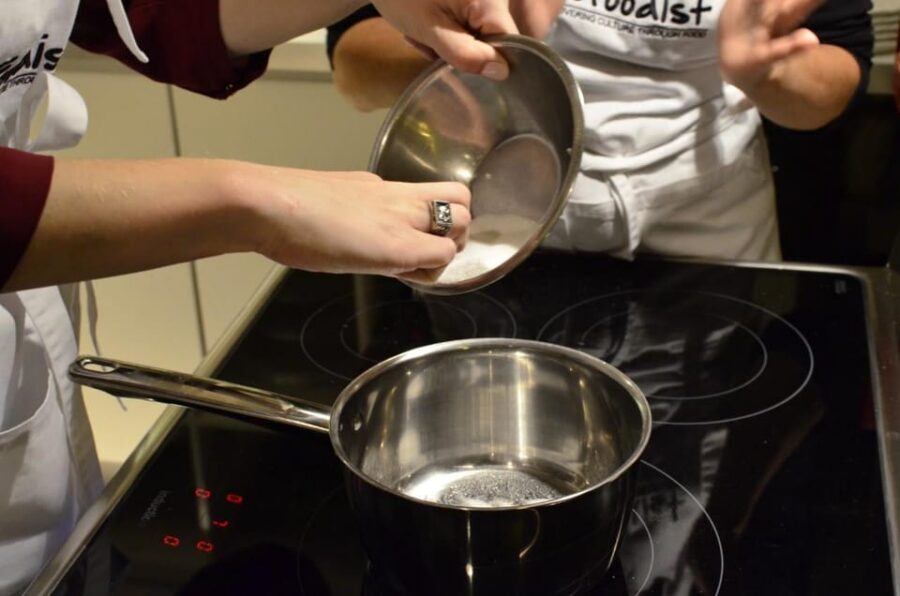
Chocolate soufflé is the dessert most people associate with French kitchens as high drama. The good news is that drama usually comes from unclear steps or rushed timing. In this class, you’re set up to learn the method behind the magic.
What you’ll focus on:
- Getting the batter consistency right before it ever goes into the oven
- Understanding how souffle behaves once it’s heating up
- Using technique so you can judge what’s happening, not just follow a checklist
Why this is valuable: soufflé is one of those dishes where results depend on details. If you’ve ever made something that rose differently than expected, you already know the frustration. Learning the reasoning behind the process gives you a better chance of replicating the result.
Also, you’ll be eating what you make afterward. That’s not just fun. It’s the fastest way to connect technique to taste. You get to learn what success actually looks like, not just what you hope it will be.
Crème brûlée: the crackle comes from controlled heat
Crème brûlée is a study in contrasts: a smooth, creamy custard under a thin layer of caramelized sugar.
In this class, you’ll learn how to:
- Achieve the right custard texture before caramel topping happens
- Apply heat in a controlled way so you get that signature crackly layer
- Work with the process so the caramel doesn’t go from golden to burnt faster than you can react
I like that this dessert is perfect for practice. Even if your first attempt isn’t restaurant-perfect, you’ll understand where the variation comes from—overheating, undercooking, or timing the torch or heat step a bit off.
And because you’ll taste it in the dining room, you’ll get immediate feedback. That makes it easier to adjust next time at home rather than guessing whether the custard was too firm, too loose, or the topping turned out wrong.
You can also read our reviews of more tours and experiences in Paris




Crêpes Suzette: buttery, citrusy, and very technique-friendly
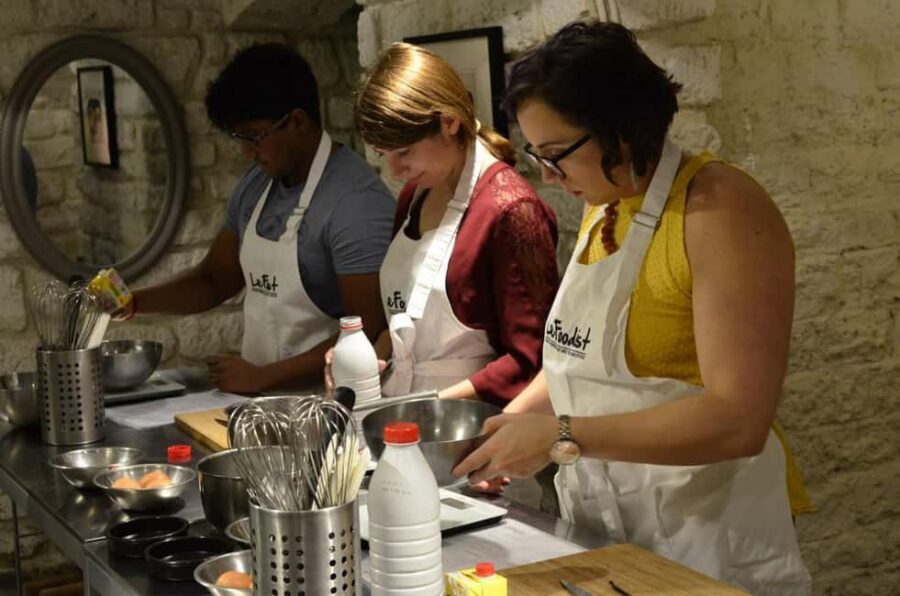
Crêpes Suzette is often remembered for the sweet, warm sauce moment. But what makes it work comes down to technique you can actually learn and repeat.
In this class, you’ll focus on:
- Making and handling crêpes so they cook properly without going rubbery
- Timing the finishing steps so the crepe and sauce come together well
- Using flavor balance so the end result tastes bright, not just sugary
This one can feel less intimidating than soufflé because the pacing is more forgiving. But it still benefits from method. The pan work is where people tend to go wrong, and a hands-on class is the best way to get comfortable.
If you’ve ever struggled with crêpe thickness or browning, you’ll likely appreciate having someone guide you through the details in real time.
How the session flows (and why the order matters)
Even though the class is only 3 hours, it’s built around a logical flow. You’ll learn and make the desserts the whole time, then you’ll enjoy them together.
A simple reality of pastry: some steps need waiting, and oven timing isn’t always flexible. So the order matters because it helps you stay on track. When a chef is organized—which is something Florence was praised for—you don’t spend the whole class worried about whether you’re falling behind.
You should also plan to approach this like a cooking workshop, not a sightseeing stop that you casually drop into. Show up ready to work. You’ll get more from the class that way.
Drinks and dining room time: the payoff is eating together
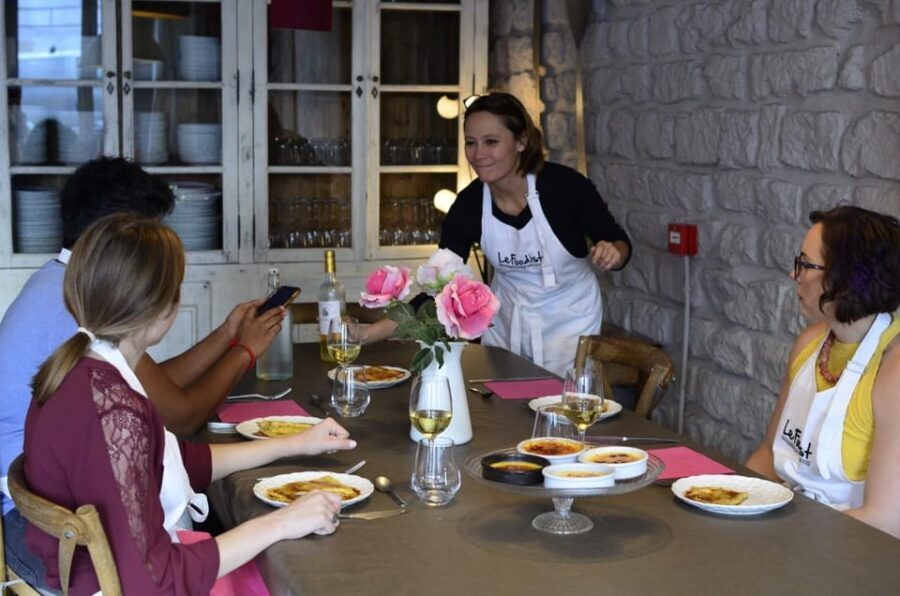
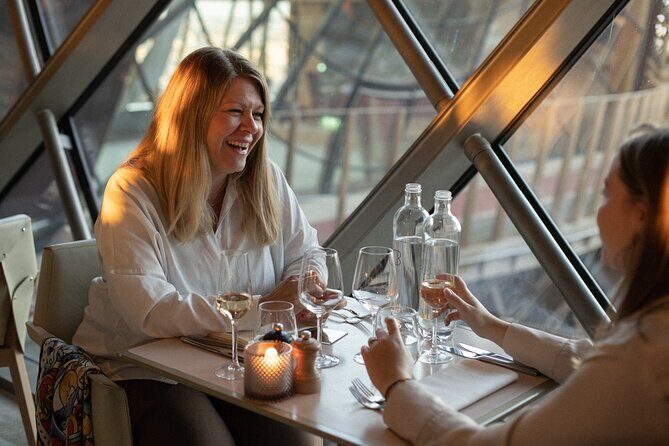
After you cook, you’ll enjoy your desserts in a dining room with coffee, tea, and white wine.
This part is more than a perk. It’s how you connect technique to flavor. When you taste a soufflé right after it’s made, you understand what the texture is supposed to feel like. When you eat crème brûlée with the crisp top you created, you see if your timing was spot on.
It also makes the whole thing feel like a real Paris experience rather than just a kitchen lesson. You’ll get that small, social moment that makes food classes memorable.
Price and value: is $152 per person worth it?
At $152 per person for a 3-hour, small-group, English-taught, hands-on dessert class, the value mainly comes from three things:
- You make three desserts instead of one.
- You get guidance while you cook, which is hard to replicate at home without a teacher.
- You eat what you make, plus coffee, tea, and white wine.
If your goal is simply to learn recipes, you can find free ones online. But if your goal is better results—soufflé lift, brûlée crackle, crêpe technique—this is the kind of paid coaching that can save you time and frustration.
The price also makes more sense when you’re traveling in a small group mindset. With up to 8 participants, the class isn’t stretched thin. You’re paying for focused instruction.
Where to meet: Le Foodist in Paris’ 5th
Your meeting point is Le Foodist, 59 Rue Cardinal Lemoine, in Paris’ 5th arrondissement. It’s about:
- a 7-minute walk from Notre-Dame
- about 3 minutes from the Panthéon
- roughly 30 seconds from Cardinal Lemoine Metro Station
Look for number 59 on the right-hand side. I recommend building in a little buffer so you arrive calm, not sprinting with flour-brain.
Who should book this French desserts class
This class is a great fit if you:
- love French desserts and want a deeper skill than a casual recipe
- want hands-on instruction in English
- prefer small groups where you can ask questions and get feedback
- plan to cook at home and want techniques that actually transfer
It’s less ideal if you:
- want one specific dessert not included in this session
- want a sightseeing-focused activity that barely involves cooking
- don’t want to commit to a full 3-hour workshop rhythm
Should you book the Paris French Desserts class?
If you’re craving a Paris dessert experience that feels real—and you want to bring real technique home—this is an easy yes. The combination of focused desserts, hands-on instruction, and eating what you make afterward turns it from a fun activity into a useful skill you’ll remember.
Book it if you like structure, like learning why things work, and want a small-group class with strong chef organization. Skip it only if you’re shopping for a broader dessert variety (since this one sticks to soufflé, crème brûlée, and crêpes Suzette).
FAQ
How long is the Paris French desserts class?
It lasts 3 hours.
How much does it cost?
The price is $152 per person.
Where does the class meet?
You meet at Le Foodist, 59 Rue Cardinal Lemoine, in Paris’ 5th arrondissement.
Which desserts will you make?
This class focuses on Chocolate Souffle, Creme Brulee, and Crepes Suzette.
Is the class taught in English?
Yes, the instructor teaches in English.
Is it a small group?
Yes. It’s limited to 8 participants.
Are drinks included?
Yes. You’ll enjoy your desserts with coffee, tea, and white wine.
Where is it located compared to public transit?
The venue is about 30 seconds from Cardinal Lemoine Metro Station.
What is the cancellation policy?
You can cancel up to 24 hours in advance for a full refund.
Can I reserve without paying right away?
Yes. You can reserve now & pay later.