REVIEW · PARIS
Paris: Paris Zoological Park Entrance Ticket
Book on GetYourGuide →Operated by Distributor: GetYourGuide Tours & Tickets GmbH · Bookable on GetYourGuide
Paris Zoo is small enough to conquer, big enough to surprise. You’ll walk through five biozones that route you across continents, from African savanna life to the Amazon rainforest atmosphere. I love the way the layout makes it easy to keep moving without feeling rushed, and I also like that the animals show up in both headline species and smaller, weirder favorites.
What really made me smile is the variety you can spot in a single visit. In the African zone, you’re likely to catch lions, giraffes, and zebras, while the rest of the park adds wolves, lynxes, otters, penguins, pumas, and even pudus. The other big plus is how many places for a break you’ll find, including benches placed so you can rest in shade.
One consideration: it’s not a huge zoo, so if you’re expecting a giant sprawling park like some out-of-town zoos, you might feel done faster than you hoped. Also, on busy days, you may run into photo sessions or crowds at the most popular enclosures.
In This Review
- Key Highlights to Focus On
- Entering Paris Zoological Park: five biozones, one simple plan
- Getting There and Getting In Without Stress
- African Zone: lions, giraffes, zebras, and the big-moment payoff
- Europe Biozone: wolves, lynxes, and otters in the quieter contrast
- Madagascar Zone: a whole region you can actually walk through
- Amazon Zone: caimans, sloths, anacondas, and the rainforest mood
- Patagonia Zone: penguins, pumas, and pudus in one cool-toned stop
- More Than the Five Biozones: birds, reptiles, and small critters
- How Long to Plan and What to Eat Without Losing Your Day
- Price and Value: is a $25 ticket worth it in Paris?
- Should You Book the Paris Zoological Park Entrance Ticket?
- FAQ
- Where is Paris Zoological Park located?
- What’s included with the ticket?
- Is food and drinks included?
- How long should I plan to visit?
- What animals can I expect to see?
- Can I skip the line?
- What time should I arrive?
- Is the park wheelchair accessible?
Key Highlights to Focus On

- Five biozones across continents make the walking route feel like a mini itinerary
- African zone sightings: lions, giraffes, zebras, and other savanna animals
- Amazon rainforest area can be a favorite stop with caimans, sloths, and anacondas
- Patagonia zone cool-company: penguins, pumas, and pudus
- Lots more than big animals: birds, reptiles, tarantulas, frogs, fish, and mammals
Entering Paris Zoological Park: five biozones, one simple plan
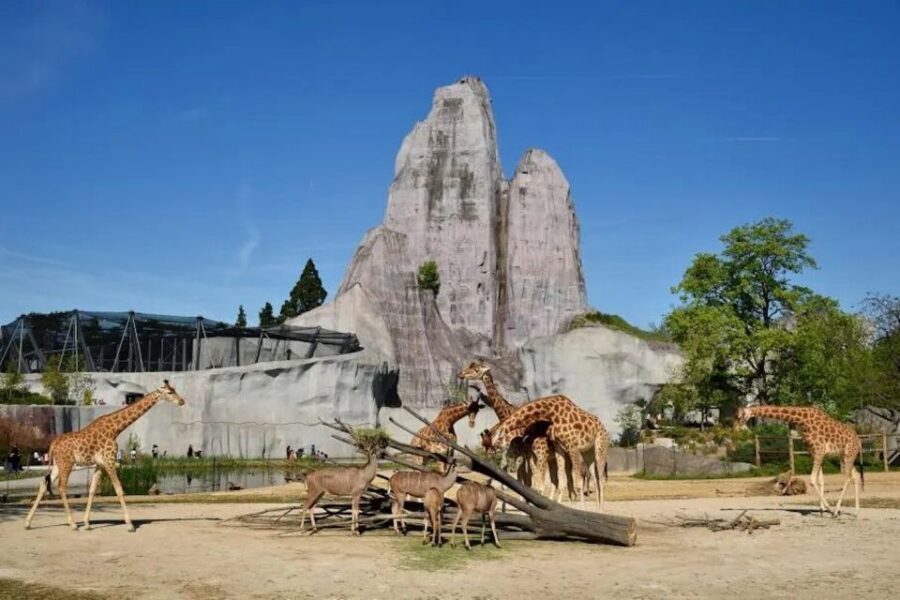
Paris Zoological Park sits in the 12th arrondissement area, at the intersection of Avenue Daumesnil and Ceinture du Lac (75012 Paris). The park formerly operated as Bois de Vincennes Zoological Park, and it’s been through a major refresh with upgrades completed after two years of work in 2014. Translation: you’re not stepping into a tired old facility. You’re walking into something more maintained and visitor-friendly.
The core idea is the biozone layout. You won’t just see a random set of enclosures. You’ll move from Europe to Madagascar, then Africa, then Patagonia, then the Amazon. That flow helps you understand what you’re looking at, and it keeps your visit from turning into a list of animals you barely remember.
This is a great “after city-days” outing, because you get a change of pace without leaving Paris. I like that you can plan it as either a half-day mission or a full-day wander, depending on your energy level and how much you want to watch feedings or shows.
You can also read our reviews of more tours and experiences in Paris



Getting There and Getting In Without Stress
You’re aiming for a pretty specific corner: Avenue Daumesnil and Ceinture du Lac. Write that down before you go, because some ride-share drop points can be vague and end up putting you far from the actual gates.
The ticket experience is built for speed. You get skip-the-line entry through a separate entrance, which is especially helpful if you’re visiting during peak times. The park is also wheelchair accessible, and there are benches around the route, including shaded spots you’ll appreciate when the weather is warm.
Here’s the timing detail that matters: the last admission is 1 hour before closing. Ticket offices close 1 hour before the park closes, so don’t wait until the end of the day to show up “just to peek.” If you plan to linger for animal watching, give yourself enough buffer to actually finish the zones.
Bring a camera. That sounds obvious, but zoos turn out better when you’re ready for close-up moments, and the layout is designed for viewing. I’d also suggest you bring water and a light plan for breaks since food and drinks aren’t included with the ticket.
African Zone: lions, giraffes, zebras, and the big-moment payoff
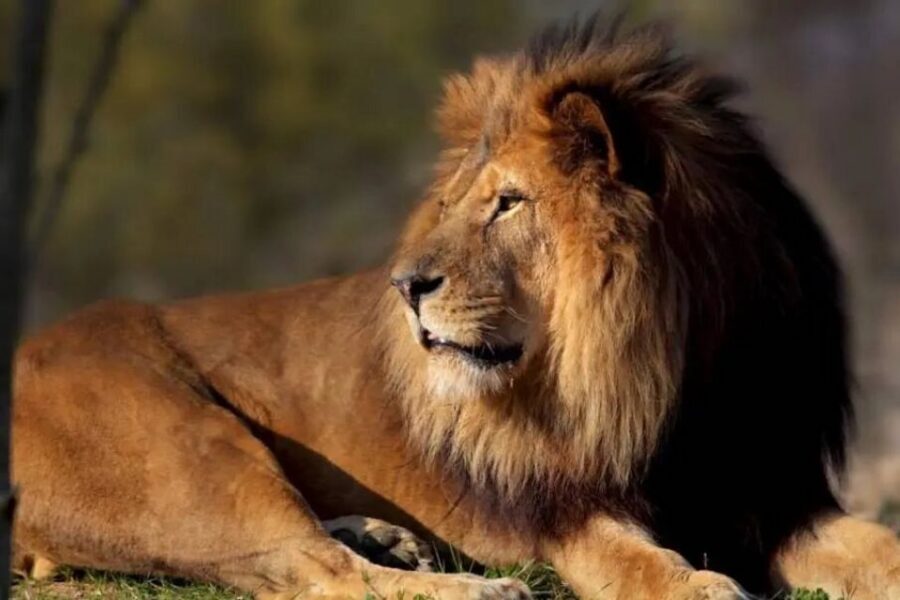
The African zone is the section you’ll probably build your visit around if you love classic zoo animals. This is where you can expect lions, giraffes, and zebras, plus other species that fit the savanna theme. Even if you’re not a “lion first” person, the African zone tends to deliver that instant wow factor.
What makes it a smart stop is how your brain organizes the rest of the park. After you see savanna animals together, the switch to Europe, Patagonia, and the Amazon feels more meaningful. It stops the visit from feeling like isolated exhibits and turns it into a route with a theme.
I also like how the African zone makes it easy to do family-style watching. You can have one person focus on the headline animals while another person scans for the smaller movement nearby. If you’re visiting with kids, this is one of those areas where you’ll likely hear a lot of pointing, not because it’s flashy all the time, but because it’s recognizable.
Possible drawback: this is often the kind of area that draws crowds at popular enclosures. If you’re trying to take calm photos, you may need patience, or you might choose to time your visit between the highest-traffic moments.
Europe Biozone: wolves, lynxes, and otters in the quieter contrast
Europe comes with a different animal vibe. Instead of zebras and lions, you’re looking for wolves, lynxes, and otters. It’s a nice contrast because these animals don’t automatically scream at you like the biggest savanna icons.
In practice, this Europe stop is often where you slow down and pay attention. Otters are the kind of animal where movement grabs you, while wolves and lynxes reward careful scanning. This is a good zone for people who like watching behavior, not just collecting sightings.
If you’re traveling with someone who gets bored waiting for animals to show up, bring them here first. The diversity of temperaments across the enclosure styles tends to keep attention steadier. And if you’re a wildlife photographer, this zone can be a good chance to practice patience.
Madagascar Zone: a whole region you can actually walk through
Madagascar is one of the five biozones, placed between Europe and Africa in the route. The point isn’t just that it’s themed. It’s that the park uses the biozone concept to help you think in regions, not random cages.
What you’ll enjoy here is the sense that you’re traveling without hopping on transport. You can move from the colder feel of Europe to the distinct shift in the Madagascar stop, then continue onward. Even if you’re not a “Madagascar specialist,” the structure makes it easy to keep your bearings.
Because specific species weren’t listed for the Madagascar zone in the details I received, I’ll keep it honest here: you’ll want to plan for the “look and discover” approach. Bring your camera, and expect to see animals grouped with that Madagascar theme rather than a single centerpiece.



Amazon Zone: caimans, sloths, anacondas, and the rainforest mood
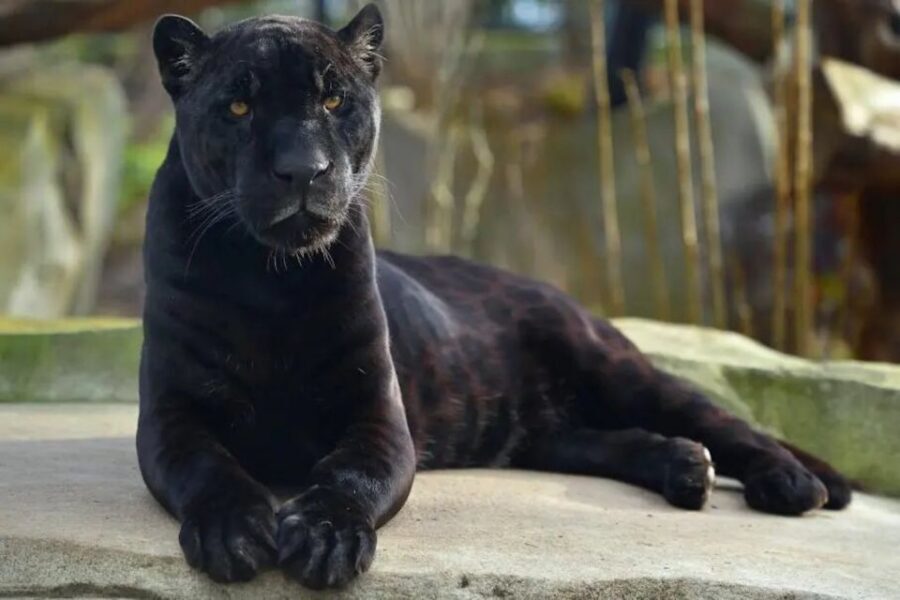
The Amazon zone is one of the standout sections in terms of variety. It’s where you can meet jaguars, monkeys, and macaws, and where the park leans into rainforest energy. One highlight from my reading is the rainforest area, which people found surprising thanks to sightings like caimans, sloths, and anacondas.
Even if you don’t see every headline animal during your visit, this zone has that “more than one thing going on” feeling. Birds like macaws add bright color, while reptiles and rainforest animals reward longer watching sessions. This is also one of the places where people tend to linger, because you’re more likely to spot action than just a quiet animal in the distance.
If you’re visiting with a stroller, the Amazon zone is a good place to slow down and actually enjoy the environment rather than rushing through. The park’s design supports a walking rhythm, and the Amazon stop helps break up the big travel stretches between zones.
Minor caution: because it’s popular, you can run into photo moments and groups clustered around the best viewing angles. If you want quieter viewing, pause and watch from a secondary angle, not the center of the main crowd.
Patagonia Zone: penguins, pumas, and pudus in one cool-toned stop
Patagonia is where the park switches to a cooler, more dramatic animal lineup. Here, you’re looking for penguins, pumas, and pudus. Pudus are the kind of creature you don’t typically encounter on a quick city outing, so that alone can make this zone a memorable one even if penguins aren’t your main interest.
This zone works well for mixed groups. People who love big cats often focus on pumas, while animal lovers who like unusual species tend to latch onto pudus. And penguins offer that classic zoo pacing—easy to spot, fun to watch, and great for kids.
If you like a balanced itinerary, Patagonia is also a useful mid-to-late stop. By the time you reach it, you’ve already had African and Europe contrast, so the thematic shift feels fresh again instead of repetitive.
More Than the Five Biozones: birds, reptiles, and small critters
A big reason the Paris Zoo ticket feels like good value is that you don’t just get five headline zones. You also find lots of other animal categories: birds, lizards, snakes, tarantulas, frogs, fish, and mammals large and small.
This is the part that makes the zoo feel more alive. When you’re walking, your eyes keep finding new movement. If you’re the type who gets excited by small discoveries, you’ll likely enjoy spotting the less obvious animals, not just waiting for the big-name enclosures.
There are also mentions of special experiences like a bird-focused walkthrough and a sea lion display. Those add variety to a day that might otherwise be all enclosure viewing. Even if you don’t plan around shows, it helps to keep an eye out for scheduled moments once you’re inside.
How Long to Plan and What to Eat Without Losing Your Day
Plan for 3 to 4 hours as a minimum, and if you’re serious about animal watching, give yourself more. People have found the zoo worth staying for the whole day, especially when you factor in slower family pacing, heat, and stopping for benches. My practical advice: don’t treat it like a quick stop between museum tickets.
For food, remember that food and drinks aren’t included with the entrance ticket. There are lunch options inside, and experiences seem mixed: some mention good-value lunch options, while others felt cafe food was overpriced and not great quality. My approach would be simple: treat the on-site food as convenient, not a culinary highlight. If you’re picky (or feeding kids with strong opinions), bring some snacks so you’re not stuck when the menu doesn’t hit.
Also, the park tends to offer shade and seating. That’s important because animal viewing often means standing and waiting. If you’re visiting in warmer weather, shade locations can make the difference between a fun day and a day you rush to escape.
Price and Value: is a $25 ticket worth it in Paris?
At about $25 per person, the value depends on how you use the time. This is not a giant day-trip zoo far outside the city. It’s a city-based zoo where you can get an animal-filled afternoon without long transport.
The best value comes from the variety. You get multiple continents through five biozones, plus plenty of smaller animal categories like reptiles and spiders. You’re not paying just for one lion enclosure. You’re paying for a route that keeps changing what you see.
It’s also family-friendly. People describe it as a pleasant day for kids, with plenty to see at different “levels of patience.” If you’re traveling with teenagers, they’ll often appreciate the sheer number of animals and the variety, especially in zones like the Amazon where you can find more than one type of creature.
The one “value trap” is spending too little time. If you arrive late or cut your walk short, you’ll miss zones and feel like you didn’t get your money’s worth. Show up with a real plan, and it feels like a fair deal.
Should You Book the Paris Zoological Park Entrance Ticket?
Book it if you want an easy Paris outing that feels like a world tour on foot. The biozone routing makes planning simple, and the mix of big animals and smaller creatures helps keep everyone interested. If you love seeing healthy-looking animals in well-kept enclosures, this park is the kind of place that rewards slow walking and repeat stops at the best viewing points.
Skip it if you only want a big, mega-sized park with hundreds of miles of walking. This zoo is more about variety and routing than sheer sprawl. Also, if you hate any chance of photo crowds around popular enclosures, plan to arrive earlier in the day so you can enjoy the most popular areas with less friction.
If you’re in Paris and you have even half a day to spare after city walking, this is one of the more practical “do it once” attractions that can genuinely feel like a highlight.
FAQ
Where is Paris Zoological Park located?
It’s at the intersection of Avenue Daumesnil and Ceinture du Lac, 75012 Paris.
What’s included with the ticket?
The ticket includes park entrance only.
Is food and drinks included?
No. Food and drinks are not included with the entrance ticket.
How long should I plan to visit?
Plan at least 3 to 4 hours. Many people end up staying longer, including the whole day.
What animals can I expect to see?
You can see animals across five biozones, including lions, giraffes, and zebras in the African zone; wolves, lynxes, and otters in Europe; jaguars, monkeys, and macaws in the Amazon; and penguins, pumas, and pudus in Patagonia. There are also birds, reptiles, frogs, fish, and more.
Can I skip the line?
Yes. There’s a separate entrance that allows skip-the-line entry.
What time should I arrive?
The last admission is 1 hour before the park closes.
Is the park wheelchair accessible?
Yes, the park is wheelchair accessible.