REVIEW · PARIS
Small-Group Canadian Normandy D-Day Juno Beach from Paris
Book on GetYourGuide →Operated by Blue Fox Travel · Bookable on GetYourGuide
Juno Beach hits you in the best way. This 13-hour Canadian Normandy tour gives you a tight, meaningful route through D-Day sites, led by an English-speaking driver-guide. Then you get a walk on the shore where the June 6 landings happened.
I love how the day starts with context and ends with places you can feel. The stop at Juno Beach Centre helps you understand the Canadian role in the invasion, not just the dates. I also love the Canadian Cemetery in Beny-sur-Mer, where the atmosphere turns quiet fast and your time feels respectful, not rushed.
One possible drawback: it’s a long day starting early, with lunch not included, so you’ll want to plan for a full stretch away from Paris.
In This Review
- Key highlights at a glance
- Leaving Paris at 7:00 AM: the Canadian Normandy pacing
- Small-8 minibus travel and an English-speaking guide that sets context
- Juno Beach Centre and the separate entrance: learning before you step on sand
- Walking Juno Beach: what a shore walk gives you
- Canadian Cemetery in Beny-sur-Mer: where you slow down
- Hell’s Corner and Abbey d’Ardenne: the inland grind and the Nazi command presence
- Time for questions, maps, and possible extras like Canada House
- Rain or shine: what to pack for a Normandy day trip
- Price and value: what $283 buys you for 13 hours
- Who this tour suits best
- Should you book this Juno Beach day trip from Paris?
- FAQ
- What time does this tour start from Paris?
- How long is the tour?
- What time does the tour return to Paris?
- How many people are in the group?
- Is the tour guide English-speaking?
- What stops are included?
- Is food included?
- Does the tour operate in bad weather?
Key highlights at a glance
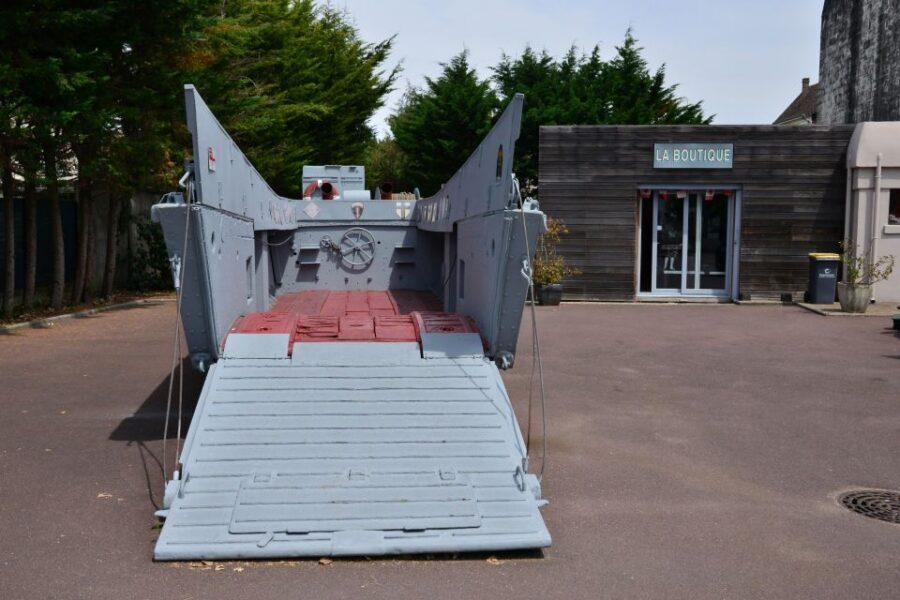
- Small group (max 8) with a comfy minibus that keeps the day from feeling like cattle herding
- English-speaking guide who connects the dots from the coast to the inland fight
- Juno Beach Centre + a separate entrance to keep the museum time productive
- A shore walk at Juno Beach so history becomes real under your feet
- Canadian Cemetery at Beny-sur-Mer for a proper, reflective pause
- Hell’s Corner and Abbey d’Ardenne to understand the inland advance and the German command presence
Leaving Paris at 7:00 AM: the Canadian Normandy pacing

This tour runs year-round and leaves Paris at 7:00 AM. That early start matters because Normandy isn’t just a museum day. You’re covering a serious slice of the D-Day story, and the schedule is built to fit it all in a single day without turning it into a sprint.
You’ll return to Paris around 8:00 PM, depending on traffic. So think of this as a full-day commitment: you’re out for the better part of your day, not popping over for a quick look.
The pace is designed around cause-and-effect. You see what happened on the coast, then you follow the consequences inland, including places tied to Canada’s furthest advance on D-Day.
You can also read our reviews of more tours and experiences in Paris.



Small-8 minibus travel and an English-speaking guide that sets context
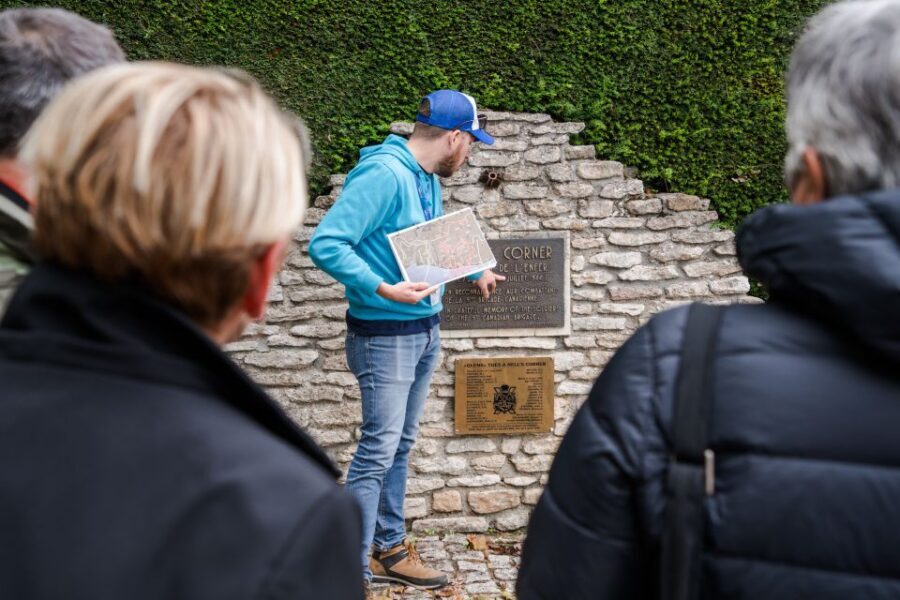
You travel in a comfortable minibus with up to 8 participants, which is a big deal for a D-Day day trip. With a small group, the guide can slow down for questions and adjust the pacing if people need a break after walking on sand.
You’re also not stuck trying to interpret everything on your own. The tour is led by an English-speaking guide who explains the day in plain language and connects the physical sites to what the troops faced on June 6, 1944.
And that English guidance is more than convenience. D-Day is complicated: seaborne landings, bunker lines along the coast, and a battle that didn’t follow a tidy script. The guide helps you build the map in your head so the sites make sense when you reach them.
Juno Beach Centre and the separate entrance: learning before you step on sand

The tour includes entrance fees, and you’ll have a separate entrance to help reduce waiting. That matters because Juno Beach Centre is where you do the mental setup. Without it, you can still enjoy the beach walk, but you miss the why behind what you’re seeing.
This museum focuses on the Canadian landings and gives you a structured way to grasp what “more than 14,000 Canadian soldiers landed or parachuted” really means on the ground. The guide uses the museum stop to frame the battle: Allied troops against entrenched German forces along Normandy’s coast.
I like this approach. You’re not learning facts at random locations. You’re learning them at the place built to explain them, so the later stops hit harder.
If you’re someone who likes to ask questions, this is a good part of the day for it. Museum time is also where you can pick up details that make the cemetery and inland sites more meaningful.
Walking Juno Beach: what a shore walk gives you
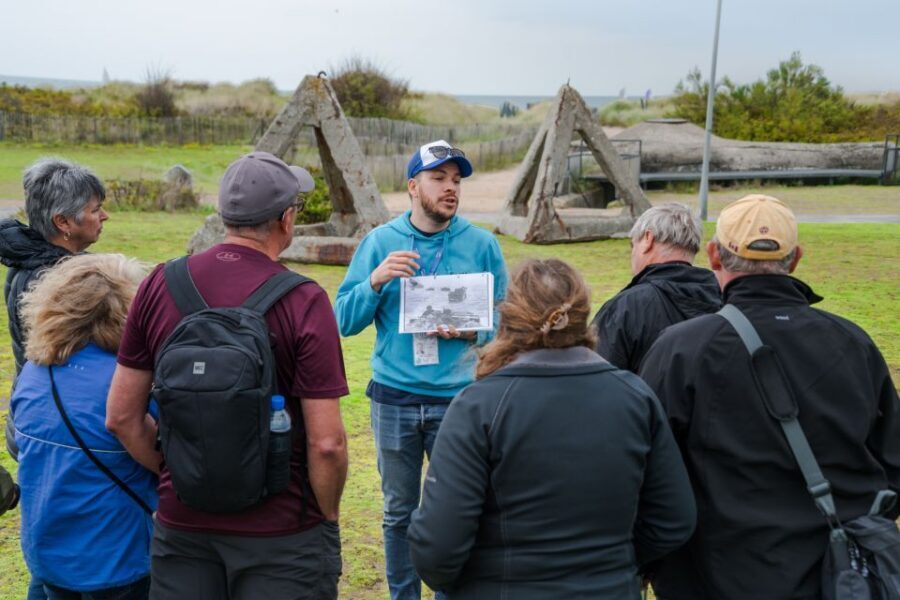
After the museum orientation, you’ll walk the shore at Juno Beach, like the Canadian troops did in 1944. That one detail changes the whole experience. Seeing a battlefield from behind a screen is one thing. Feeling the sand and standing where troops pushed ashore is another.
This is the moment where the day becomes personal in a quiet, honest way. The shoreline isn’t just scenery; it’s a reminder that the invasion wasn’t theory. It was chaos, risk, and courage under extreme pressure.
Practical tip: bring layers. Normandy can be cool and windy even in shoulder seasons. One traveler specifically suggested a warm jacket and hat, and that advice is easy to trust once you’ve felt coastal weather here.
Also, plan for walking comfort. Wear shoes you can trust on sand and uneven ground. You’ll be better off without the fancy footwear.
Canadian Cemetery in Beny-sur-Mer: where you slow down
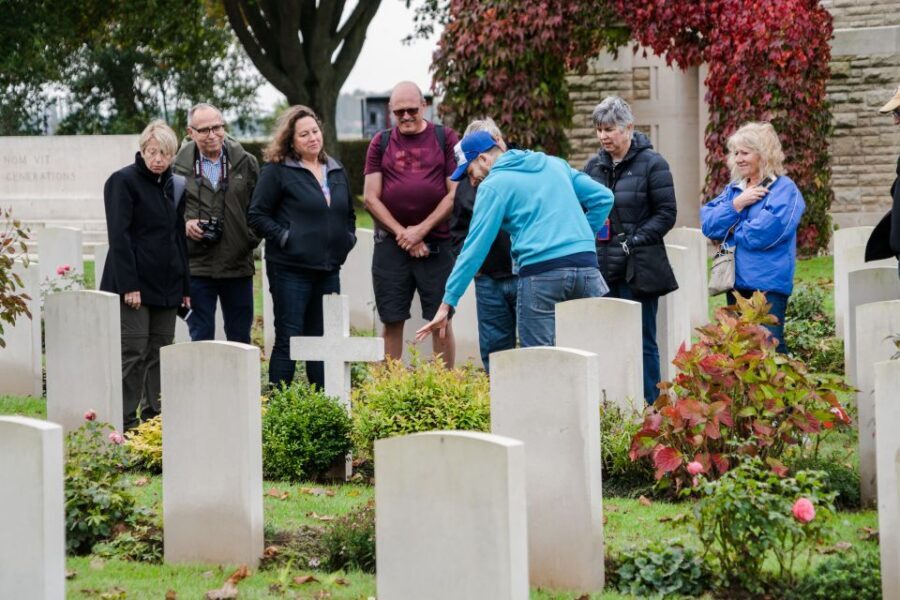
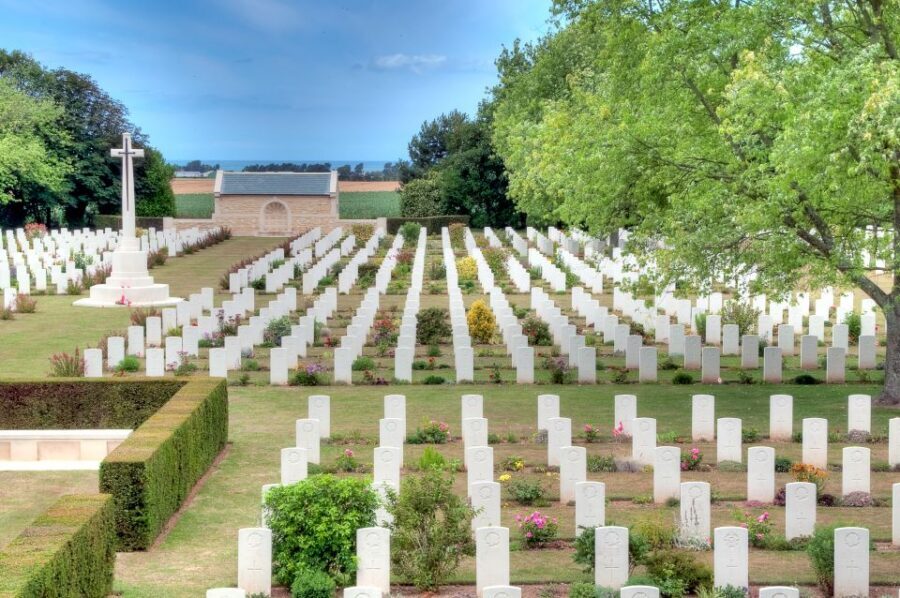
Next comes one of the most important stops: the Canadian Cemetery in Beny-sur-Mer. The tour gives you time to stroll through the cemetery while paying respects to the fallen Canadian soldiers.
This is where the tone of the day shifts. The cemetery is designed for quiet reflection, and the best way to experience it is to give yourself a little patience. Don’t treat it like another timed stop.
What I like about including a cemetery on a D-Day tour is that it prevents history from becoming abstract. You’re not only learning about operations and tactics. You’re also encountering the human cost, face by face, name by name.
If you’re the type who reads inscriptions carefully, this stop will feel worth the earlier effort.



Hell’s Corner and Abbey d’Ardenne: the inland grind and the Nazi command presence
The tour also reaches places tied to Canada’s fighting beyond the beach. You’ll see Hell’s Corner, described as the furthest advance inland taken by Canadian troops on D-Day, about 5 miles from the city of Caen.
This part of the day helps you understand something many visitors miss: the battle didn’t end when troops landed. The challenge was pushing forward under fire while German forces held strong positions.
You’ll also see Abbey d’Ardenne, noted as a headquarters point for the Nazis. That pairing helps you compare two things in your head: the Canadian push and the centralized German command presence behind the front.
If you’re curious about how the day unfolded beyond the shore, this is the section you’ll remember. It’s where the D-Day story becomes a fight for ground, not just beach drama.
Time for questions, maps, and possible extras like Canada House
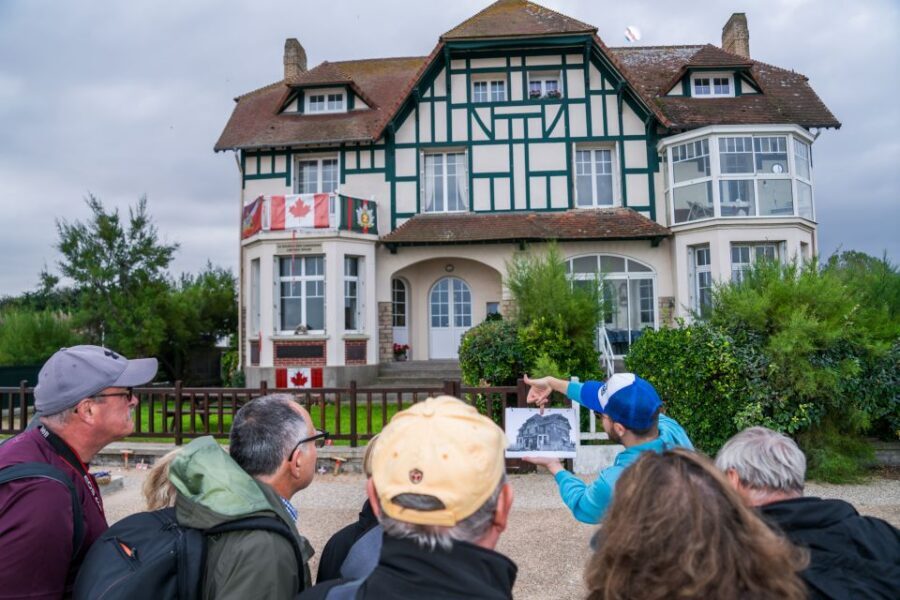
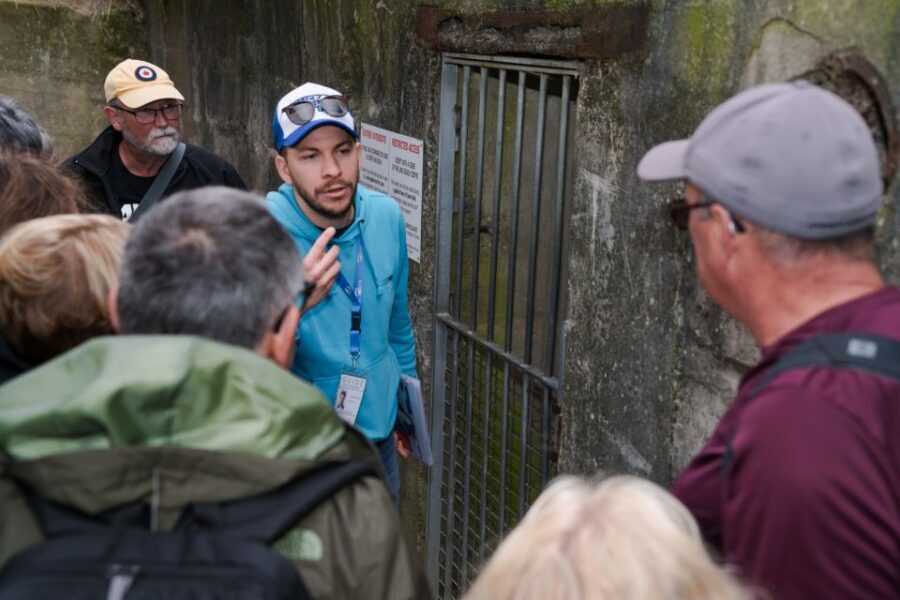
Guides on this tour tend to bring the day to life using maps and photos, and they also make room for questions during the drive. One traveler described how the guide even shared family stories connected to the war, which shows how personal and careful the best guiding can be.
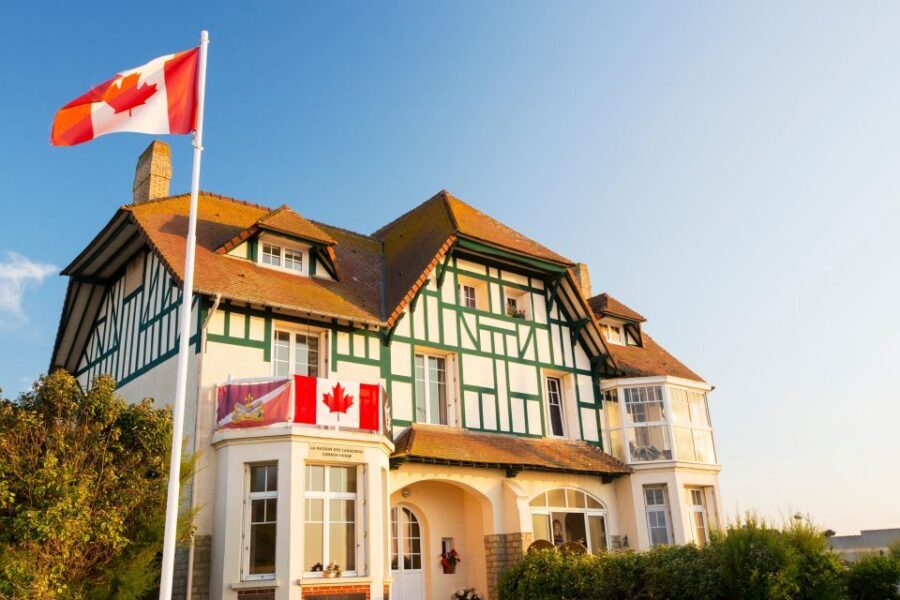
There’s also a chance of added time at Canada House on Juno Beach. Some groups have reported arrangements that included a visit inside, including time with Madame Hoffer. Since this isn’t guaranteed in the basic outline, I’d treat it as a possible bonus depending on your guide and timing.
Either way, the overall structure stays the same: museum context, shore walk, cemetery respect, then inland sites like Hell’s Corner and Abbey d’Ardenne.
Rain or shine: what to pack for a Normandy day trip
This tour runs rain or shine, so you’ll want gear that won’t ruin your mood. Coastal weather can shift fast, especially with wind off the water.
Pack like you’re going for a long beach day in unpredictable weather:
- a warm layer (even if Paris feels mild)
- a hat that won’t fly away
- comfortable shoes for sand and walking areas
Bring a small day bag for water and a snack if you can. Since food isn’t included, you’ll need to handle meals on your own.
Price and value: what $283 buys you for 13 hours
At about $283 per person, the real question is value. What you’re paying for is not just transportation. You’re paying for:
- a small-group experience (max 8)
- an English-speaking guide
- minibus transport across Normandy
- entrance fees for the included sites
- time-managed access that avoids unnecessary waiting (via a separate entrance)
In other words, you’re buying context and efficiency. Normandy’s D-Day sites spread out, and trying to coordinate everything by yourself can turn into a messy day of driving, searching, and guessing what order makes sense.
Your main “cost” beyond the ticket is food. Since lunch isn’t included, you’ll want to plan either a meal purchase on the go or bringing enough funds to eat somewhere convenient.
If you want a guided, story-driven day that covers the key Canadian markers without turning into a car rental hassle, this price starts to look reasonable fast.
Who this tour suits best
This is a strong fit if you:
- care specifically about the Canadian role in D-Day
- want a structured day that links the beach to inland ground
- prefer small groups over big buses
- like having an English guide translate history into something you can actually picture
It can also work well for first-timers to Normandy, because the route is built around the most meaningful anchors: Juno Beach Centre, Juno Beach shore, the Canadian Cemetery, and inland sites like Hell’s Corner and Abbey d’Ardenne.
If you’re the type who hates long days or needs frequent breaks, you may find the 13-hour schedule tiring. That’s not a dealbreaker, just something to consider before booking.
Should you book this Juno Beach day trip from Paris?
I’d book it if you want a guided, Canadian-focused D-Day day that’s emotionally grounded and logistically smooth. The small group, the English guide, and the combination of museum learning with an actual shore walk make this tour feel more complete than “just sightseeing.”
Do book if your goal is understanding—how June 6 played out on the coast, why the inland fight mattered, and what Canada’s advance and sacrifice meant. It’s also a good choice if you’d rather sit back during the drive and let the guide build the story for you.
Skip it only if a long, early start and an all-day schedule sound miserable. If you can handle a full day, this is one of the more focused ways to experience Juno Beach with meaning.
FAQ
What time does this tour start from Paris?
The tour departs at 7:00 AM and you should arrive at the meeting point at least 15 minutes early.
How long is the tour?
The duration is 13 hours.
What time does the tour return to Paris?
You’ll return to Paris at around 8:00 PM, depending on traffic.
How many people are in the group?
This is a small-group tour with a maximum of 8 participants.
Is the tour guide English-speaking?
Yes. The tour includes an English-speaking live guide.
What stops are included?
The tour includes Juno Beach Centre, a walk on Juno Beach, the Canadian Cemetery in Beny-sur-Mer, Hell’s Corner, and Abbey d’Ardenne.
Is food included?
No. Food is not included, so you’ll need to plan for lunch on your own.
Does the tour operate in bad weather?
Yes. The tour operates rain or shine.