REVIEW · PARIS
The Impressionists at Orsay – skip the line
Book on Viator →Operated by Paris Art Walks · Bookable on Viator
The Musée d’Orsay is one of those rare Paris stops where the building already tells part of the story. This private, Impressionist-themed tour adds a clear art-to-history link as you move through the collection inside a former train station space. I especially like the skip-the-line entry, and how the guide can tailor the visit so it feels personal, not herded.
Two of my favorite parts: you get a licensed guide who explains the art with straight, easy language (so first-timers don’t get lost), and the visit connects paintings to the French political and philosophical moment around them. One thing to consider: because the focus can include artists pushing boundaries, a few choices may feel intense if you prefer a softer, purely decorative museum day.
In This Review
- Key moments that make this tour worth your time
- Orsay’s train-station setting makes the Impressionists make sense
- Meeting at Quai d’Orsay: keep it simple and start fast
- Skip-the-line entry at Orsay: what that actually buys you
- The Musée d’Orsay you’ll feel: architecture that supports the art
- How the guide connects paintings to French history
- Your private tour pace: up to 6, back-to-back questions
- What’s included, and what you need to plan yourself
- How much it costs: the value math for a group up to 6
- What to watch for: when art pushes boundaries
- Who should book this Orsay skip-the-line tour
- Should you book it? My take
- FAQ
- What is the duration of the tour?
- Is admission to the Musée d’Orsay included?
- Does this tour include skip-the-line access?
- Is this a private tour?
- What group size is this for?
- What language is the tour offered in?
- Where do we meet, and do we return there?
- Do they offer pickup?
- Is private transportation included?
- What is the cancellation policy?
Key moments that make this tour worth your time
- Skip-the-line entry so you spend more time looking, less time waiting
- Private group size up to 6, which means you can ask questions without shouting
- Licensed English guide who frames the paintings with historical context
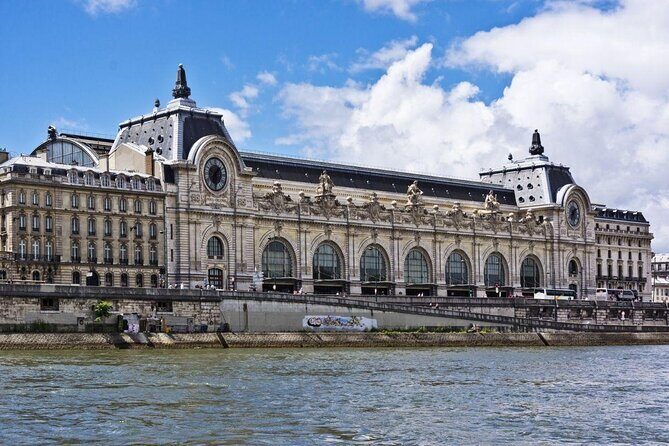
- Musée d’Orsay in a former train station, where architecture and art match in mood
- A personalized pace, including customization for disability needs when requested
Orsay’s train-station setting makes the Impressionists make sense
If you only think of Orsay as an art museum, you’ll miss half the punch. The building itself is a former railway station, so it already has movement built into the walls: long sightlines, big internal volume, and that special Paris sense of grandeur that doesn’t feel staged. When your guide starts tying the art to the moment in French life, the station setting helps the whole thing click.
I like that this tour doesn’t treat Impressionism like a neat school lesson. Instead, you’ll get a crash course in how major French events and ideas were shaping what artists did—politics, philosophy, and the cultural mood. That context matters. Without it, you might admire brushwork and color and still wonder, So what changed?
The best part is that you’re not stuck with a rigid script. A private tour lets the guide adjust what they emphasize. In the feedback I received, the guide named Naomi is repeatedly praised for bringing paintings to life in a way that’s easy to follow, even when you’re new to this field. That’s the goal: help you see, then help you understand why these artists were trying something new.
You can also read our reviews of more tours and experiences in Paris



Meeting at Quai d’Orsay: keep it simple and start fast
You meet at Quai d’Orsay, 75007 Paris. The good news: it’s in the right part of Paris for Orsay days, and it’s near public transportation, so you’re not forced into complicated logistics just to get there.
You also have pickup options. The tour can meet you at your hotel or in front of the museum. If your hotel isn’t listed, you’re expected to message your details privately. The tour ends back at the same meeting point, so you don’t need to solve the “where do we go after?” puzzle.
The skip-the-line aspect also shows up in the “start” experience. Multiple people highlighted how efficient registration and meetup felt. In plain terms: you’ll likely get in sooner, and you’ll spend your time in galleries instead of standing around.
Skip-the-line entry at Orsay: what that actually buys you
Skip-the-line sounds like a marketing line until you stand in front of a museum entrance. Orsay can get crowded, and waiting quietly while your schedule slips is a travel tradition nobody asked for.
Here, skip-the-line entry is part of the package experience. The value is simple:
- You get moving faster into the part you actually care about: the paintings.
- You reduce the risk that you’ll miss your most important window of time.
- With a private guide, your tour time feels more like “tour” and less like “queue management.”
If you’re traveling on a tight itinerary, skip-the-line isn’t a luxury—it’s a time-protection tool. And if you’re the kind of person who hates being rushed, you’ll still appreciate the efficiency. It’s easier for a guide to set a relaxed pace when you’re not fighting the clock.
The Musée d’Orsay you’ll feel: architecture that supports the art
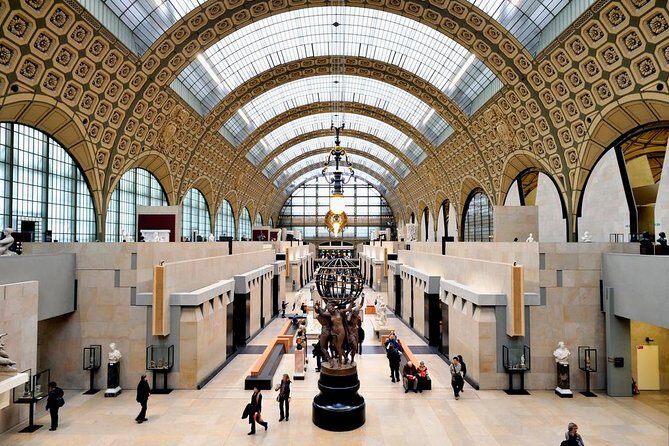
Orsay’s converted station look isn’t just a fun backdrop. It shapes how you look. The museum’s scale and light handling affect how colors and contrasts register. In other words, the space can make Impressionist effects feel more natural.
During your 2-hour visit (approx.), you’ll spend time with the museum and the collection in a converted train station setting. That pairing matters because Impressionism is tied to modern life—changing cities, changing light, and changing perceptions. The station building already signals modernity. Your guide can point out how the museum’s physical presence matches what the artists were trying to do.
Even if you don’t consider yourself an “art person,” you’ll likely notice how the galleries guide your eye. And since this is a private setting, you can linger on details without the pressure of a group following behind you.
How the guide connects paintings to French history
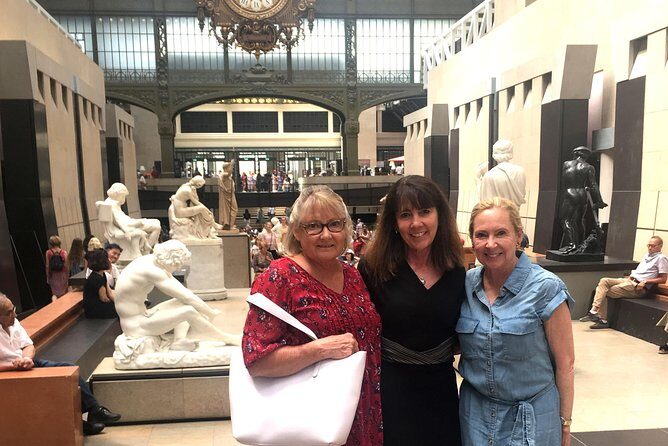
This is the heart of the tour: you’re not just looking at famous works. You’re learning how French society and ideas fed into major art movements.
In the feedback I saw, Naomi is singled out for context-heavy explanations. People described her as giving both art insight and the surrounding story—politics and philosophical events happening during the time the artists worked. That approach turns a gallery visit into something closer to a short, visual lecture.
You should expect a straightforward style. One review emphasized that the guide spoke in a simple, easy-to-understand way, which is exactly what helps beginners. Another point: the guide was described as an artist as well, which likely affects how they discuss technique and how they translate what you’re seeing into language you can use.
Practical takeaway for you: bring questions. Not deep, not academic. Even basic ones like:
- Why would an artist choose this subject?
- What changed from earlier styles?
- What does this scene say about the time?
A good guide will connect those questions to what you’re standing in front of.






Your private tour pace: up to 6, back-to-back questions
This is a private group tour for up to 6 people. That size is a sweet spot. You get the benefits of group timing with none of the typical “we’re always losing someone” chaos.
In a private format, you can:
- Ask for clarification without worrying about slowing everyone down
- Have the guide repeat a comparison between styles
- Spend extra time on one artist or one room if it grabs you
- Adjust the route to how your group is moving that day
Customization also shows up as an important benefit. One person specifically mentioned Naomi customizing the Orsay tour due to disability issues. That’s not something every museum tour can handle well. If you need a route that accounts for mobility or comfort, this private setup gives the guide the flexibility to work with you.
The tour is listed at 2 to 3 hours (approx.), with entry tickets included. That’s a realistic window for Orsay. It won’t make you an Impressionism expert overnight, but it will give you a strong framework you can use if you want to return later on your own.
What’s included, and what you need to plan yourself
Let’s keep it practical. Included:
- All fees and taxes
- A private group tour with a licensed guide
- Entry tickets to the museum
- The tour is offered in English
- Mobile ticket
Not included:
- Private transportation
That last point matters if you’re expecting a car or private driver. You’ll still be responsible for getting yourself to the meeting point. The good news is that the start is near public transport, so it’s not a barrier for most people.
The tour also offers pickup, either at your hotel or in front of the museum. That can reduce stress on the day. But if you’re staying far away, you should still plan on some form of local transit—this tour package doesn’t include private transportation.
How much it costs: the value math for a group up to 6
The price is $467.26 per group (up to 6 people). On its face, that’s not cheap. But with private tours, cost is usually about splitting the guide and skip-the-line value across your group, not paying per person for a big crowd experience.
Here’s how to think about value:
- If you’re 2 to 3 people, this can be a meaningful upgrade versus a basic audio walk, especially if time matters to you.
- If you’re closer to 6, the per-person cost drops fast, making it easier to justify.
- The included entry ticket and licensed guide time are doing real work here. The guide isn’t just pointing at labels; they connect paintings to French history and help you read what you’re seeing.
Also, Orsay days are time-sensitive. People often book ahead—this experience is commonly reserved about 52 days in advance on average. That tells me it’s popular enough that you shouldn’t wait until the last moment if your dates are fixed.
What to watch for: when art pushes boundaries
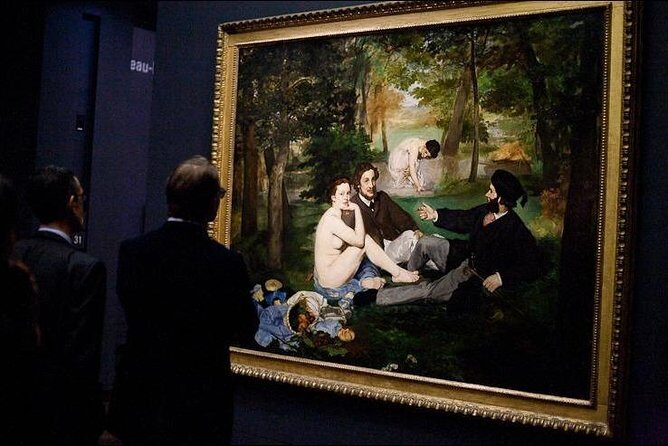
One review mentioned the guide sometimes selecting images with a more provocative or shocking angle, tied to how artists pushed limits and redefined norms. That’s not a flaw—it’s part of how Impressionism and surrounding movements reacted to the world.
But it’s worth flagging for you. If you want a tour that stays strictly gentle and decorative, you might find the content occasionally more challenging than expected. The tour’s style sounds like it’s designed to explain why these changes mattered, not just to showcase pretty scenes.
If you’re traveling with anyone who dislikes intense themes, you can set expectations early. A private guide can often adjust emphasis.
Who should book this Orsay skip-the-line tour
This works best if you want:
- A structured way to understand Impressionism in a limited time window
- A guide to connect art with French political and philosophical context
- Skip-the-line entry so your day stays on schedule
- A private format that suits questions and a flexible pace
It also fits well if your group includes different interest levels. If someone in your party is new to art, the guide’s simple explanations can help. If someone else wants more story and meaning, the historical framing gives that too.
And if you have accessibility needs, the private format plus reported customization is a meaningful sign that the guide can adapt when you share what you need.
Should you book it? My take
Yes, I’d book this if you’re doing Orsay as a “must-see” and you don’t want the day to turn into a logistics exercise. The biggest win is the combo of skip-the-line convenience plus a private guide who turns paintings into stories you can actually follow.
I would hold off only if your group prefers a totally self-paced museum wander with no historical framing, or if you strongly want to avoid any potentially provocative subject matter. Also, if you need transportation from far outside Paris, remember private transport isn’t included, so you’ll plan your own route to the meeting point.
If you want Orsay to feel coherent—art, context, and meaning in 2-ish hours—this private Impressionist-style tour is built for that goal.
FAQ
What is the duration of the tour?
It runs about 2 to 3 hours (approx.).
Is admission to the Musée d’Orsay included?
Yes. Entry tickets are included as part of the experience.
Does this tour include skip-the-line access?
The experience is described as skip the line, and feedback specifically mentions saving time by skipping the line.
Is this a private tour?
Yes. It’s a private tour/activity, and only your group participates.
What group size is this for?
It’s priced per group up to 6 people.
What language is the tour offered in?
The tour is offered in English.
Where do we meet, and do we return there?
The meeting point is Quai d’Orsay, 75007 Paris, and the activity ends back at the meeting point.
Do they offer pickup?
Pickup is offered. You can meet at your hotel or in front of the museum. If your hotel isn’t listed, you can send the details by message.
Is private transportation included?
No. Private transportation is not included.
What is the cancellation policy?
Free cancellation is available up to 24 hours in advance for a full refund. If you cancel less than 24 hours before the start time, the amount paid won’t be refunded.