REVIEW · PARIS
Unique Walking Tour of Great Women in Parisian History
Book on GetYourGuide →Operated by Women of Paris · Bookable on GetYourGuide
Paris history feels different on foot.
This 2-hour Great Women in Parisian History walk puts women’s influence at the center, with a live English guide and a route that links major landmarks like the Panthéon, the Curie Institute, the Latin Quarter, and even glimpses of the Eiffel Tower and Notre Dame. I especially like the way the storytelling connects names to real places, so Paris feels less like a list of sights and more like a living timeline with people behind it.
What I like most is the pacing: you get enough context to understand why these women mattered, without turning the walk into a lecture. The guide I saw praised most often is Emily—friendly, funny, and enthusiastic—and that energy matters on a walking tour. One possible drawback: it’s still an outdoor stroll, so you’ll want comfortable shoes and weather-ready clothing, even though the total time is just 2 hours.
In This Review
- Key highlights worth aiming for
- Why this women-focused walk makes Paris feel new
- Meet at Café Treize au Jardin and get ready for a smart route
- Luxembourg Gardens: your story begins with a slow inhale
- Luxembourg Palace, the Latin Quarter, and streets that explain the city
- Panthéon and the Curie Institute: big exteriors, personal stories
- Eiffel Tower and Notre-Dame from a distance: why the viewpoint matters
- Emily’s storytelling style: how the facts actually stick
- Price and value: is $43 for 2 hours fair?
- Who should book this Great Women in Parisian History walk
- Should you book this tour?
- FAQ
- How long is the tour?
- How much does it cost?
- Where do I meet the guide?
- Are there different start times?
- What sights are included in the walk?
- Is the tour available in English, and is it wheelchair accessible?
- What should I bring for the tour?
Key highlights worth aiming for
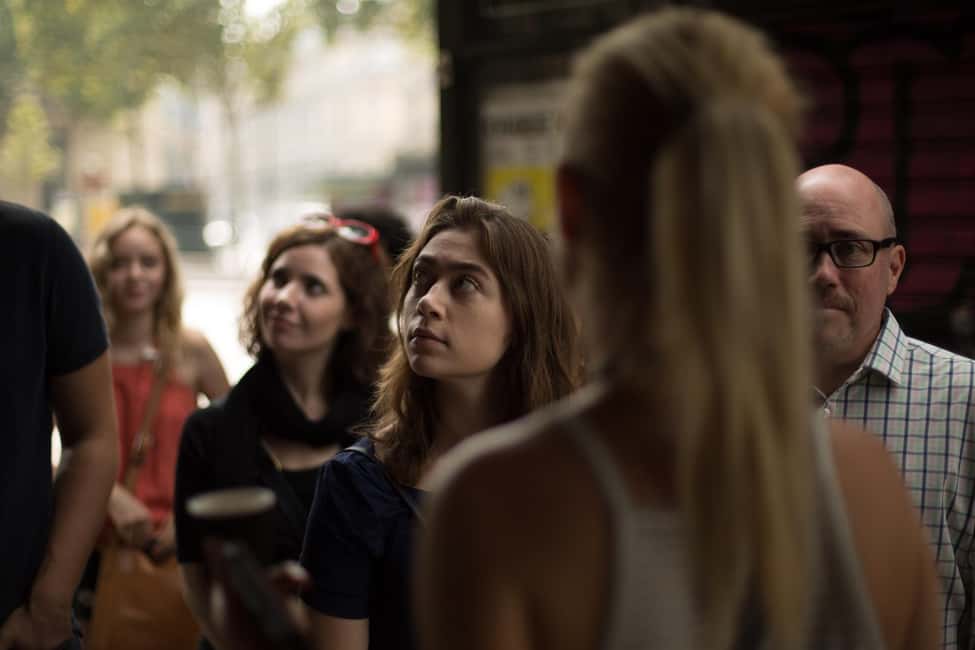
- Women in charge of the narrative: this tour challenges the usual Paris story by placing women at the heart of it.
- Luxembourg Gardens as your early reset: you start with a stop at a woman-owned cafe and then slow down in the park.
- Big landmarks, told like street-level stories: Panthéon and the Curie Institute aren’t just exterior sightseeing.
- One route, many viewpoints: you’ll see the Eiffel Tower and Notre Dame from a distance.
- A guide you’ll actually want to listen to: Emily’s humor and enthusiasm help the facts stick.
Why this women-focused walk makes Paris feel new
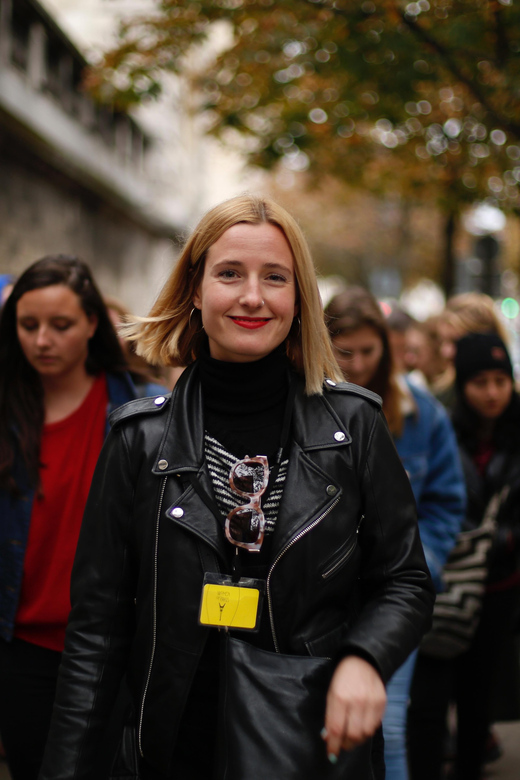
If you’ve visited Paris before, you’ve probably heard the same standard lines about revolutions, kings, and famous streets. This tour flips that pattern. Women of Paris is one of the first Paris tour companies devoted to women’s history and influence, and it launched back in 2016 with the specific goal of challenging the status quo—meaning you’re not getting history as a side note.
On this walk, the city’s famous buildings become proof points. Instead of treating monuments like cold marble, the guide ties them to people and decisions that shaped Paris. That changes how you look at everything you pass, including the streets that don’t make it onto postcards.
And because you move at walking speed, the atmosphere stays in the foreground: you’re watching the city around you, not just reading it on a plaque. That matters in a place like Paris, where a 10-minute change in viewpoint can shift how a site feels.
You can also read our reviews of more tours and experiences in Paris.


Meet at Café Treize au Jardin and get ready for a smart route
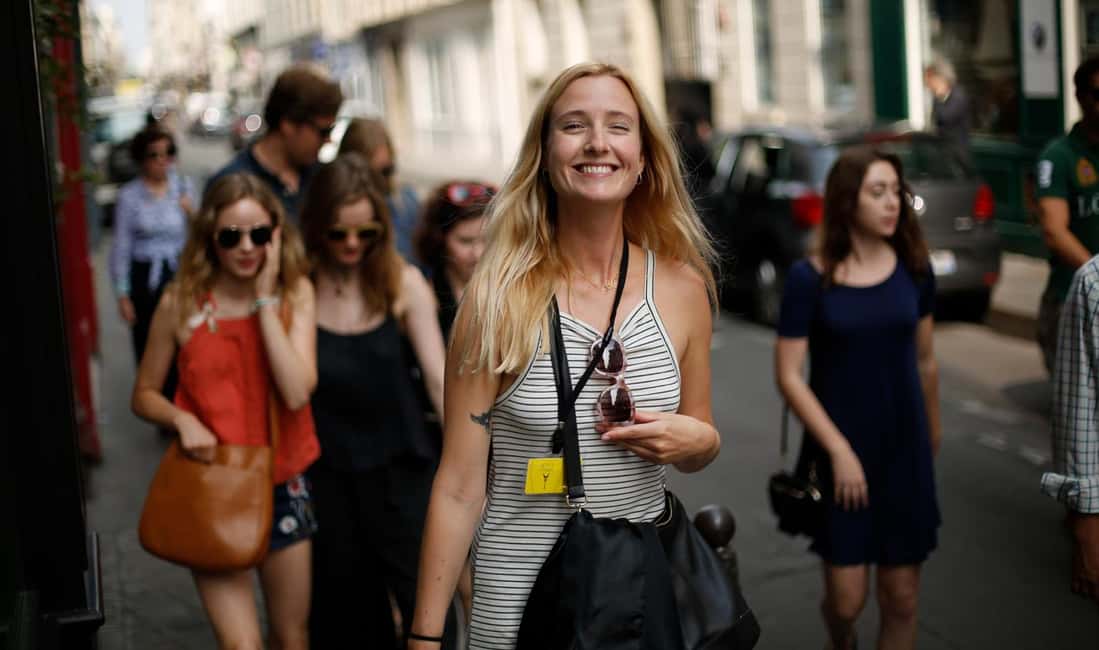
Your meeting point is outside Café Treize au Jardin. From there, you’ll head out on foot with an English-speaking, live guide. Tours run with morning and afternoon start times, so you can usually match the walk to your energy level and the rest of your day.
The other thing I appreciate here is that it’s a straightforward duration: 2 hours. That’s long enough to feel like you had a real experience, not just a quick taste. It’s also short enough that you won’t have to plan your entire day around it.
One practical note: you’re outdoors for most of the time. Bring water and wear shoes that can handle uneven sidewalk patches and quick turns. If rain moves in, dress for it. Paris weather has opinions.
Luxembourg Gardens: your story begins with a slow inhale
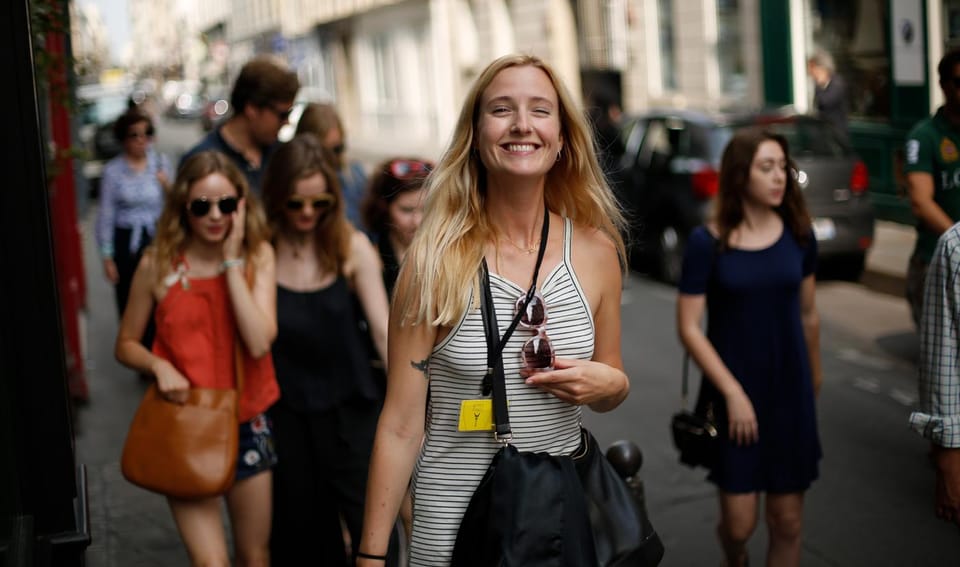
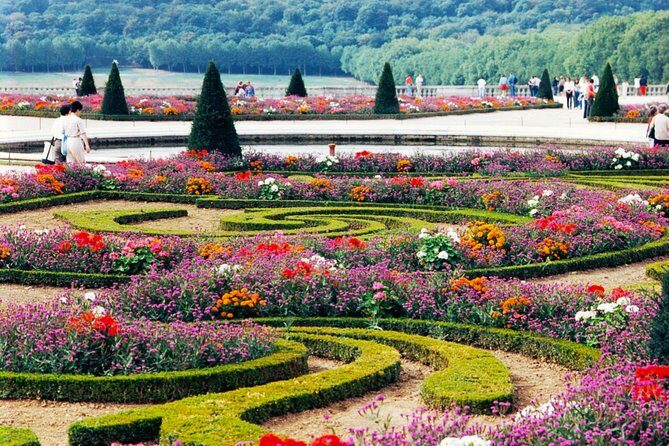
The tour’s first big “anchor” moment is Luxembourg Gardens. You’ll start at a woman-owned cafe just outside the park, then begin exploring the grounds on foot. This is a smart choice because Luxembourg Gardens gives you a change of pace right away—trees, paths, and that calm Parisian rhythm you don’t get when you’re only moving between monuments.
Once you’re in the park, the stories have room to breathe. You’re not just hearing names; you’re watching how the city’s design shapes daily life—where people pass, pause, and look out over garden views. That makes the historical connections feel less academic.
The included walk also takes you past the Luxembourg Palace area, so you’re linking the park’s beauty to the nearby power and influence that shaped the city. It’s a good place to understand how Paris mixes elegance with politics, and how that mix often shows up in women’s roles across time.
If you’re the type who likes to take photos, this is also where you’ll do it most comfortably. You get scenery without needing to hunt for a single perfect shot for an hour.
Luxembourg Palace, the Latin Quarter, and streets that explain the city
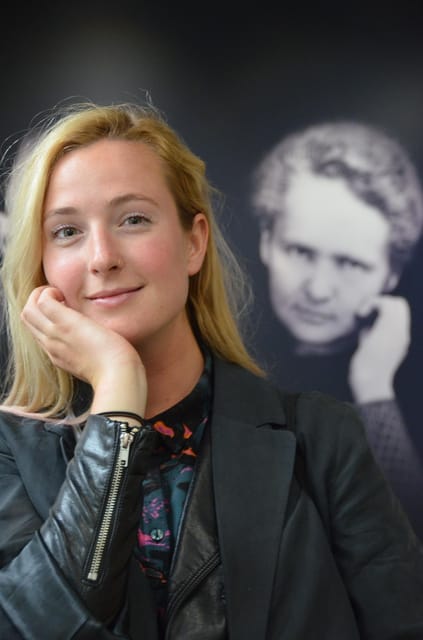
After Luxembourg Gardens, the route pushes you into the parts of Paris where history and everyday life overlap. You’ll walk past the Latin Quarter, and that’s exactly the kind of neighborhood where the guide’s storytelling can connect dots fast.
The Latin Quarter feels like a natural “learning zone.” It has that student-city energy, the kind that makes big ideas seem less distant. As you move through the area, you’ll hear stories about women who left their mark on Paris—so you start seeing the neighborhood not as a backdrop, but as a character in the broader narrative.
What I like about this section is that it doesn’t rely on one landmark to carry the tour. Instead, it builds understanding through the walk itself. Even if you’ve walked some of these streets before, having a clear theme—women’s influence—makes you notice different things: the institutions nearby, the cultural signals, and the way Paris organizes space around ideas.
One thing to consider: the tour is 2 hours total, so this portion moves at a comfortable but active pace. Don’t plan on lingering for a long museum stop. Think of it as a guided walk where the payoff is perspective, not deep entry into one building.
Panthéon and the Curie Institute: big exteriors, personal stories
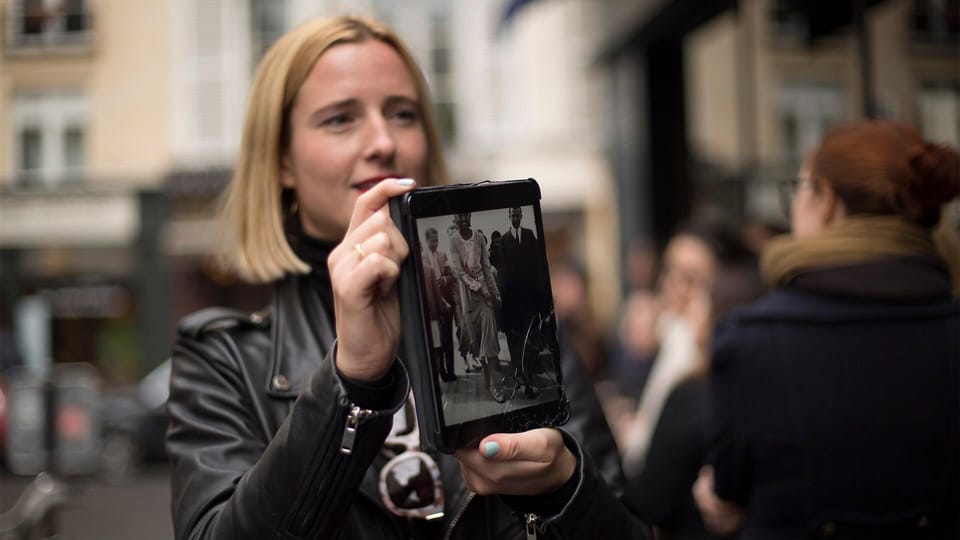
Two stops you’ll definitely hear about are the Panthéon and the Curie Institute. Even if you only see them from outside, the meaning changes once you know which women the guide is spotlighting. These places are famous for a reason, but the tour turns the spotlight toward the people behind the fame.
The Panthéon can feel like a “serious” site when you’re looking at it cold. With a women-centered theme, it becomes more than a monument. It becomes a place where you can better understand how public recognition works—who gets remembered, and who has been made visible through time.
Then there’s the Curie Institute. The name itself points you toward scientific legacy, and the guide helps you connect that legacy to the broader story of Paris. This is one of those moments where history stops being abstract. You’re looking at an institution and realizing it’s tied to real achievement and real momentum.
If you like your history with context, this is where the tour likely wins you over. The guide’s job isn’t just to point and name. It’s to connect, so you leave understanding why those sites matter for women’s influence specifically.



Eiffel Tower and Notre-Dame from a distance: why the viewpoint matters
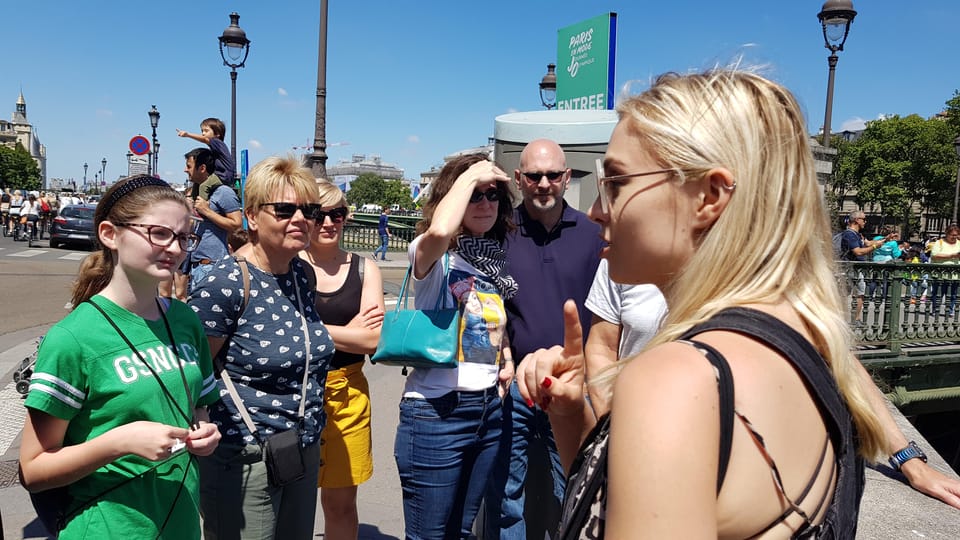
One of the included items is seeing the Eiffel Tower and Notre-Dame from a distance. That wording is important. You’re not doing a full attraction visit. Instead, you’re getting the kind of views Paris does best: partial perspectives that still make the architecture feel immediate.
These distant views are often the best for first-time orientation, and they’re also useful if you’ve already seen these sights up close earlier. Here, the goal isn’t to “check the box.” It’s to keep your eyes on the city while the guide connects historical stories to what’s around you.
I like these sections because they create breathing space. You hear stories, then you get a moment to look outward and absorb the setting. That rhythm can make the information easier to remember later.
Just remember: “from a distance” means you may not get that postcard-perfect, close-up framing. If your main goal is a tight view, plan for that separately. This tour’s value is in the human stories, not in dominating skyline angles.
Emily’s storytelling style: how the facts actually stick
Emily comes up repeatedly in the kind of praise that matters on a walking tour. People highlight that she’s friendly and funny, and that she’s enthusiastic without turning the whole thing into a performance. That balance is rare. History tours can drift into dry recitation; this one keeps you engaged.
Emily’s storytelling also seems to follow a good rule: she gives you enough information to make the women’s impact understandable, then returns to the street and the sights so it feels real. That combination is what helps the tour feel distinct compared with generic sightseeing.
You’ll probably notice that the best moments are the ones where the guide connects a major institution to a specific woman’s influence—why it mattered, how it fit into Paris, and what it changed. You’re not just learning names; you’re building a map in your mind.
For you, the practical takeaway is simple: lean in and ask questions if you’re the curious type. A guide can only cover so much in 2 hours, so if something sparks interest—science, writers, social influence—pursue it on the spot.
And yes, bring water. Even when you’re enjoying yourself, your throat can forget that you’re walking through a long city day.
Price and value: is $43 for 2 hours fair?
At $43 per person for a 2-hour English walking tour, the price is pretty reasonable, especially because you’re not just buying access to landmarks. You’re buying a thematic lens—women’s influence across key Paris locations—plus a guide who is clearly invested in the story.
Here’s how I’d judge the value as a traveler:
- You get multiple major sights included in the route.
- You get a specialist theme that most standard tours skip.
- You get a guided pace that helps you understand what you’re seeing instead of walking past it confused.
The one detail to keep in mind is that guide gratuity isn’t included. That’s normal for walking tours, but it’s still something to budget for when you’re planning your final total.
If you’re the type who likes meaning over just photos, this is the kind of tour that can make a day feel more worthwhile without taking half of it.
Who should book this Great Women in Parisian History walk
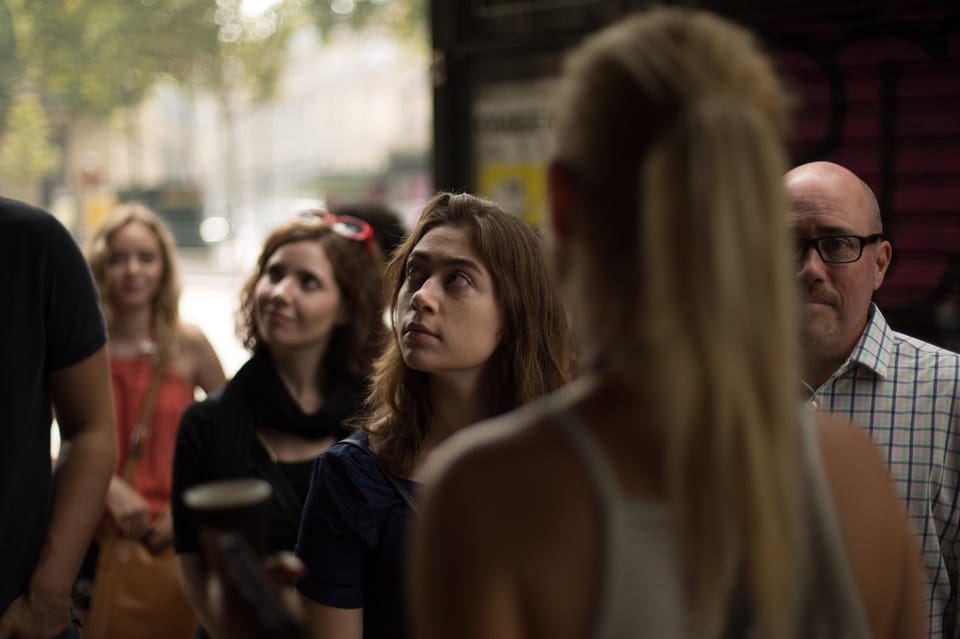
This tour is a strong fit if you want:
- A guided walking experience that teaches you something new without demanding a museum ticket plan
- Women-centered storytelling that changes how you read major landmarks
- A short, focused outing that still covers recognizable parts of central Paris
It may be less ideal if your goal is intensive, inside-the-building sightseeing or if you want a long sit-down experience. This is built for movement, viewpoints, and story connections.
Also, if you’re traveling with someone who loves history but has gotten tired of the usual male-dominated narrative, this is a great “shared interest” option. The theme is clear, the pace is manageable, and the guide’s energy helps keep it light.
Should you book this tour?
Book it if you want a Paris walk that feels purposeful and different from the standard highlights route. The combination of Luxembourg Gardens, major landmarks like the Panthéon, and the women-centered theme makes this a smart use of 2 hours.
Skip it only if you already know you want deep museum time or you prefer tours that focus mainly on architecture with minimal historical storytelling. Otherwise, this tour is a good bet—especially if you’re excited by the idea that women shaped Paris in ways you can actually see when you know where to look.
FAQ
How long is the tour?
The tour lasts 2 hours.
How much does it cost?
It costs $43 per person.
Where do I meet the guide?
Meet outside Café Treize au Jardin.
Are there different start times?
Yes, you can choose between morning and afternoon start times.
What sights are included in the walk?
You’ll walk past Luxembourg Palace, the Panthéon, the Curie Institute, and the Latin Quarter. You’ll also see the Eiffel Tower and Notre-Dame from a distance, and you’ll stroll through Luxembourg Gardens.
Is the tour available in English, and is it wheelchair accessible?
The tour is offered in English and is wheelchair accessible.
What should I bring for the tour?
Bring comfortable shoes and water, and dress in weather-appropriate clothing.