REVIEW · PARIS
Paris: Flea Market Insider’s Tour in Extra-Small Group
Book on GetYourGuide →Operated by Discover Walks · Bookable on GetYourGuide
Saint-Ouen feels like a treasure maze. This 90-minute insider tour helps you turn that chaos into a plan, with an English-speaking guide who shows you where the good stuff usually lives—and how to shop without getting worn out. You’ll learn the market’s “city-within-a-city” vibe as you browse 2,500+ stalls, from costume-like curios to serious finds.
I love how the tour teaches you practical shopping skills, especially how to negotiate Paris-style without guessing. I also love the focus on separating quality from garbage, so your time doesn’t disappear into the wrong rows.
One consideration: this market isn’t laid out for everyone. There’s no wheelchair access, and you’ll want comfortable shoes because you’ll be on your feet on uneven ground for the full experience.
In This Review
- Key points I think you’ll care about
- Finding the route fast: Porte de Clignancourt to a flea-market game plan
- Saint-Ouen Flea Market: turning 2,500 stalls into a usable shopping route
- The “what to hunt” lesson: from pirate’s pearls to haute couture
- Negotiating Paris-style: how to bargain without turning it into a fight
- Quality vs. garbage: what the guide teaches you to spot
- Traditional village browsing time: a calmer second act
- Price and value: $58 for skills, not just a walk
- Should you book this Saint-Ouen Flea Market insider tour?
- FAQ
- Where is the meeting point?
- What time does the tour start?
- How long is the tour?
- Is the tour in English?
- Does the tour run in bad weather?
- What should I bring?
- Are luggage or large bags allowed?
- Is the market wheelchair accessible?
- How many stalls will we see?
- How much does it cost?
Key points I think you’ll care about
- Your guide helps you shop with a plan instead of getting lost in sheer market sprawl.
- Bargaining is taught, not assumed, so you can practice confidently.
- Quality checks are part of the route, so you learn what to trust.
- You get targeted browsing time in a couple of distinct market areas.
- Small-group energy keeps the focus on your interests, not a one-size-fits-all walk.
Finding the route fast: Porte de Clignancourt to a flea-market game plan
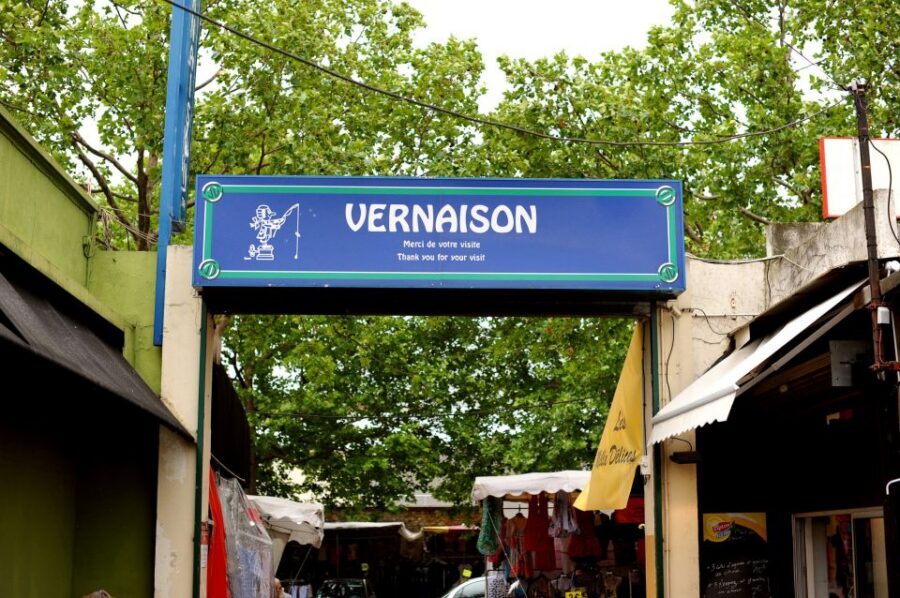
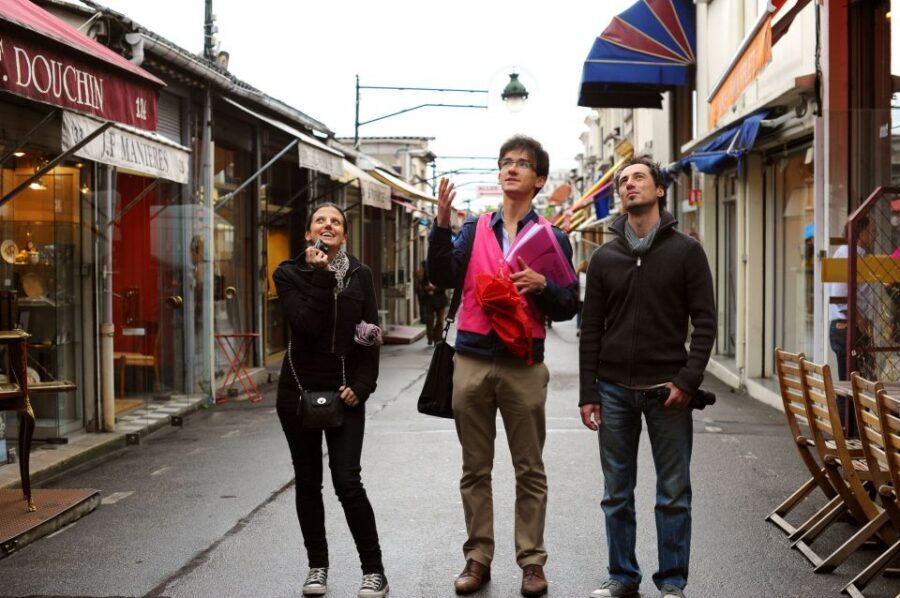
The best part of this tour is the start. You meet at street level outside McDonald’s near Métro Porte de Clignancourt (Line 4), and your guide wears a pink vest. That matters more than it sounds: Saint-Ouen’s market is huge, and first-time visitors often lose the plot in the first 10 minutes.
Once you’re together, the guide sets the tone—this isn’t about drifting. It’s about learning how the market works so you can shop like you’ve been there before. The time is tight (about 90 minutes, sometimes up to 2 hours), so you’ll do a quick orientation and then move into actual hunting mode.
In the small-group format, you can also steer the conversation. In real tours, guides like Flo and Tobias have been praised for checking what people want and then directing them to sellers that match their interests. That kind of tailoring is the difference between browsing for an hour and actually buying something you’ll still like after the novelty wears off.
Practical tip: go in wearing comfortable shoes and with a clear idea of your budget range. If you’re unsure, that’s fine too—the guide can help you calibrate what’s realistic in the market.
You can also read our reviews of more shopping tours in Paris



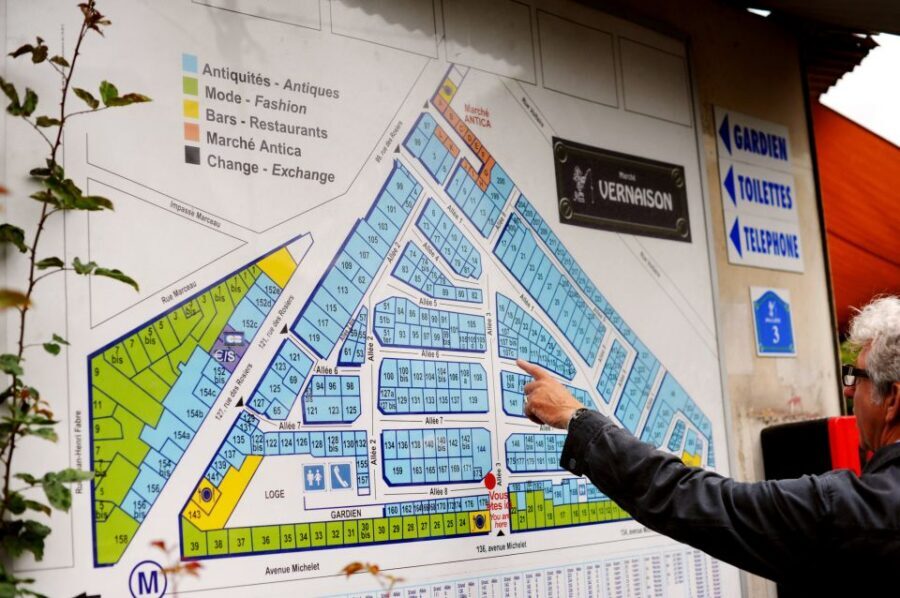
Saint-Ouen Flea Market: turning 2,500 stalls into a usable shopping route
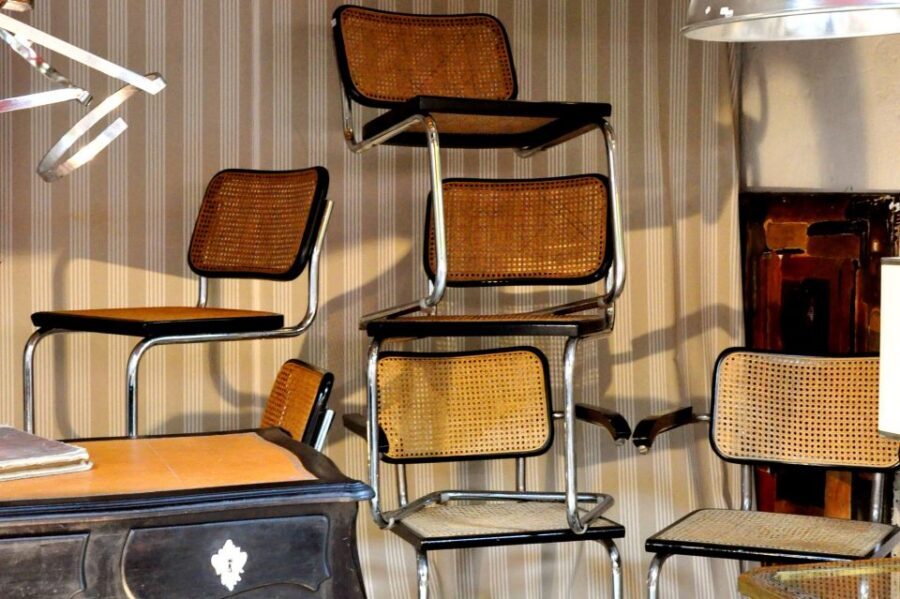
Saint-Ouen is famous because it’s enormous, but the size is exactly why this tour is valuable. Without guidance, you end up doing the tourist thing: wandering, stopping too late, and realizing the stalls you actually care about are on the other side.
On the tour, you spend about 30 minutes in the Saint-Ouen section with a guided walkthrough and shopping time. This is where the guide becomes your shortcut. They’re not just pointing at cool objects; they’re helping you understand the market’s rhythm—how sellers display merchandise, what kinds of areas tend to hold certain categories, and how to approach vendors without getting pressured.
A major theme from guide experiences: people say they learned how to avoid knockoffs and scams and how to handle authenticity questions more confidently. That’s not small talk. It’s what lets you spend money without immediately second-guessing yourself.
Also, the guide helps you recognize what’s worth your attention. You’ll get a quick lesson in flea-market culture—how sellers talk, how negotiation works, and how to read the room. It’s the kind of knowledge that feels minor until you’re holding a tricky item and the price suddenly doubles.
If you want pirate-style romance but also want sense, this part of the tour is built for you. The market has everything from costume-worthy curios to items that feel genuinely collectible—your guide helps you aim.
The “what to hunt” lesson: from pirate’s pearls to haute couture
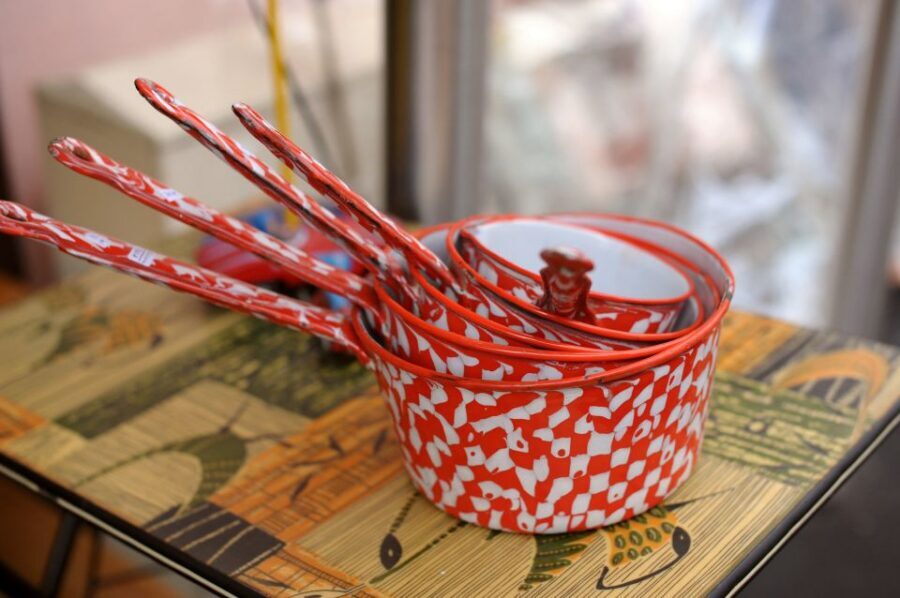
One of the best promises here is the range. You might see everything from pirate’s pearls-type accessories to haute couture-level fashion items and more. The catch is that not everything is equal. The guide’s job is to help you separate “interesting” from “actually good.”
During the shopping time, you’ll learn how to think like a flea-market shopper:
- Start with category focus (jewelry, fashion, memorabilia, etc.) so you don’t get stuck random-walking.
- Ask the right questions early, before you build excitement around a piece that doesn’t hold up.
- Use the market’s pricing logic as a guide, not a mystery.
Some guides are especially praised for steering people toward pieces they already had in mind. For example, tours guided by Floriane and Miriam have been described as helpful for directing guests to vendors based on personal interests, then giving enough guidance to find deals. That’s the sweet spot: you keep your taste, but you borrow the guide’s pattern recognition.
What you’ll probably love: the feeling that you can shop with curiosity instead of stress. The tour gives you permission to browse—then gives you tools to buy smart when something really clicks.
Negotiating Paris-style: how to bargain without turning it into a fight
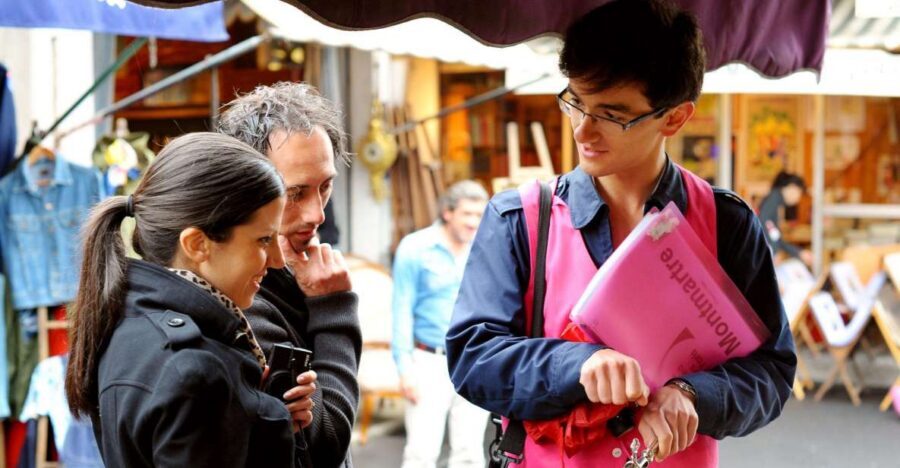
Negotiation at a flea market can feel awkward if you don’t know the rhythm. This tour helps with that. You’ll learn how to negotiate for bargains in a way that makes sense for Paris flea-market culture, not a generic sales script.
You don’t need perfect French to practice. What you do need is confidence and a method. The guide shows you how bargaining typically starts, how sellers respond, and how to keep the process friendly even when you’re not paying the first number.
This is one reason the tour earns its fans. People describe going from overwhelmed to empowered—especially the first-timers who feared they’d waste money or miss the best deals. In multiple experiences, guides were credited with helping guests spot good prices and then returning to vendors later after learning what was fair.
A smart way to use what you learn:
- Pick one item you’d like to buy and treat negotiation as practice.
- Compare the “vibe price” with what you’re seeing nearby during the tour.
- Don’t rush the first offer. Flea-market bargaining often rewards patience.
Also, a gentle reality check: not every stall will be a bargain. Some vendors are firm. The goal isn’t to win every negotiation; it’s to learn the market’s logic so you don’t overpay out of excitement.
Quality vs. garbage: what the guide teaches you to spot
This is the skill that makes the tour feel like more than shopping. You’ll be taught how to identify quality versus garbage—and that’s exactly where novice visitors often get burned.
What you’ll learn to look for depends on what you’re shopping for, but the idea stays consistent: check workmanship, condition, and credibility before you get attached. Guides also help with authenticity concerns, including where to shop with more confidence based on what they know about vendors.
The clearest message from strong guide feedback: they help you avoid common pitfalls. People specifically mentioned advice on locations to avoid and guidance for understanding authenticity before purchasing. That’s especially helpful if you’re hunting collectibles or items that can be tricky to verify.
And yes, you might see “everything” on the way in. The tour won’t pretend that every stall is a masterpiece. What it does is teach you how to move efficiently so you don’t waste your money—or your energy.
Practical tip: if you’re buying something valuable (jewelry, watches, couture-style pieces), ask direct questions and don’t buy on the spot just because the object is pretty. Let the guide’s approach slow you down.
You can also read our reviews of more tours and experiences in Paris






Traditional village browsing time: a calmer second act
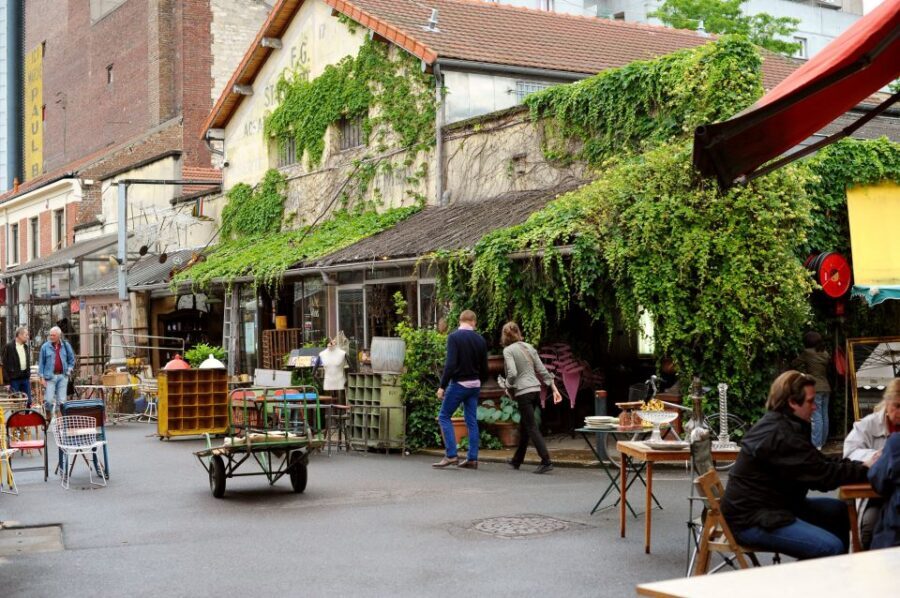
After the main Saint-Ouen time, you’ll head to a traditional village area for about 20 minutes of guided shopping. This portion functions like a reset. You’re not restarting from zero—you’re using what you learned in the first market section to browse more intentionally.
This is where the tour becomes less frantic. You can apply negotiation habits, check quality again with fresh eyes, and spend time on categories you might have skimmed past earlier. It’s also useful if you came with a shopping list: the guide can help you return to what matches your priorities.
If you’re the type who gets overwhelmed easily, this “second act” matters. You’re given structure, but you still get to shop. You can also compare what you’re seeing in one area versus another—an unofficial way to spot fair pricing.
One small drawback: your shopping time is still limited. This is a taste-and-training tour, not an all-day market sprint. If you want to leave with multiple purchases, you’ll likely do your final hunts after the tour, armed with a map in your head.
Price and value: $58 for skills, not just a walk
At $58 per person for about 90 minutes (up to 2 hours), the value is less about the tour itself and more about what you buy with it: time saved, mistakes avoided, and confidence gained.
Here’s the simple value math. In a market this large, the cost of getting lost is mostly invisible—lost hours and impulsive purchases. Paying for a guide is like buying speed and judgment. If you end up buying even one item at a better price—or skipping one bad buy—the tour can pay for itself fast.
Also, you’re paying for something many first-time shoppers lack: a real plan. Without it, you’re reacting to whatever catches your eye. With it, you’re hunting with intent—then negotiating from a position of understanding.
If you enjoy shopping but want to do it smart, this price feels reasonable. If you already know Saint-Ouen extremely well, you might not need it. But if you want to walk in and come out with direction, it’s a solid use of your time in Paris.
Should you book this Saint-Ouen Flea Market insider tour?
Book it if:
- You’re a first-timer at Saint-Ouen and want to avoid feeling lost.
- You want help with bargaining and learning a practical approach to negotiation.
- You care about quality checks, not just collecting random souvenirs.
- You’d rather shop with a guide who can steer you toward your interests, like guides praised as Flo, Tobias, Phillip, Miriam, and Hella.
Skip it if:
- You need wheelchair access, because the market isn’t wheelchair accessible.
- You’re hoping for a long, slow, all-day browsing experience. This tour is short, focused, and designed to teach you how to hunt.
If you want Paris’s flea-market side without the usual stress, this tour is a good bet. You’ll leave knowing how to think in the market, not just where to walk.
FAQ
Where is the meeting point?
You meet outside the Métro Porte de Clignancourt (Line 4) at street level outside McDonald’s.
What time does the tour start?
The meeting time listed is 10:45 AM.
How long is the tour?
The duration is about 90 minutes, up to 2 hours.
Is the tour in English?
Yes, it’s offered with a live tour guide in English.
Does the tour run in bad weather?
Yes, it runs rain or shine.
What should I bring?
Wear comfortable shoes.
Are luggage or large bags allowed?
No, luggage or large bags are not allowed.
Is the market wheelchair accessible?
No, the market is not wheelchair accessible, and the tour isn’t suitable for wheelchair users.
How many stalls will we see?
The market is described as having more than 2,500 stalls.
How much does it cost?
The price is $58 per person.