REVIEW · PARIS
Versailles Revolution Tour – 1789
Book on GetYourGuide →Operated by Baptiste Barennes · Bookable on GetYourGuide
A day in Versailles can feel locked to palaces. This tour gives you the French Revolution story in the streets, with you acting like a deputy coming for the General Estates. I really liked the interactive, in-character approach (you don’t just listen), and I also loved how the stops trace major turning points like the tennis court oath and the women’s march route. One thing to consider: there’s no entry into the Château, so if you came only for palace rooms, this won’t scratch that itch.
You meet right where the story starts, at the big equestrian statue of Louis XIV outside the castle grounds. From there, your guide steers you through the Versailles town spaces tied to 1789, tying in people like Marie-Antoinette and key international threads like American Independence. It’s a walk designed for clarity and momentum, not a slow museum shuffle.
In This Review
- Key Highlights You’ll Actually Remember
- A 1789 Walk Starts at the Equestrian Louis XIV Statue
- Why You’ll Love This Tour (Even If You Know Versailles Already)
- The Big Tradeoff: No Château Access
- From Arms Square to the General Estates Procession
- Hôtel des Menus-Plaisirs: Where Revolutionary Beginnings Take Shape
- The Royal Tennis Court and the June 20 Oath Moment
- Marie-Antoinette’s Shadow and the Hôtel de Madame du Barry
- Paris Avenue: The Route of the Women’s March
- The Foreign Affairs Hotel Stop and the Treaty of Versailles
- Baptiste Barennes Makes It Feel Like 1789
- The Interactive Moment at the End (It’s Not a Lecture)
- Price and Value: Why $41 Works for This Format
- Timing, Walking Style, and What to Wear
- Who This Tour Fits Best
- Should You Book the Versailles Revolution Tour – 1789?
- FAQ
- Where does the Versailles Revolution Tour – 1789 start?
- How long is the tour?
- How much does it cost?
- What language is the tour offered in?
- Is there access to the Château of Versailles?
- Is the tour wheelchair accessible?
- What’s included at the end of the tour?
Key Highlights You’ll Actually Remember
- Role-play as a deputy coming to the General Estates in May 1789
- Arms Square to the opening procession of the Estates of 1789
- Hôtel des Menus-Plaisirs as a real starting point for revolutionary action
- Royal tennis court and the June 20 Tennis Court Oath moment
- Women’s March route along the Paris Avenue approach to the château
- Treaty of Versailles links to American Independence and Lafayette
A 1789 Walk Starts at the Equestrian Louis XIV Statue
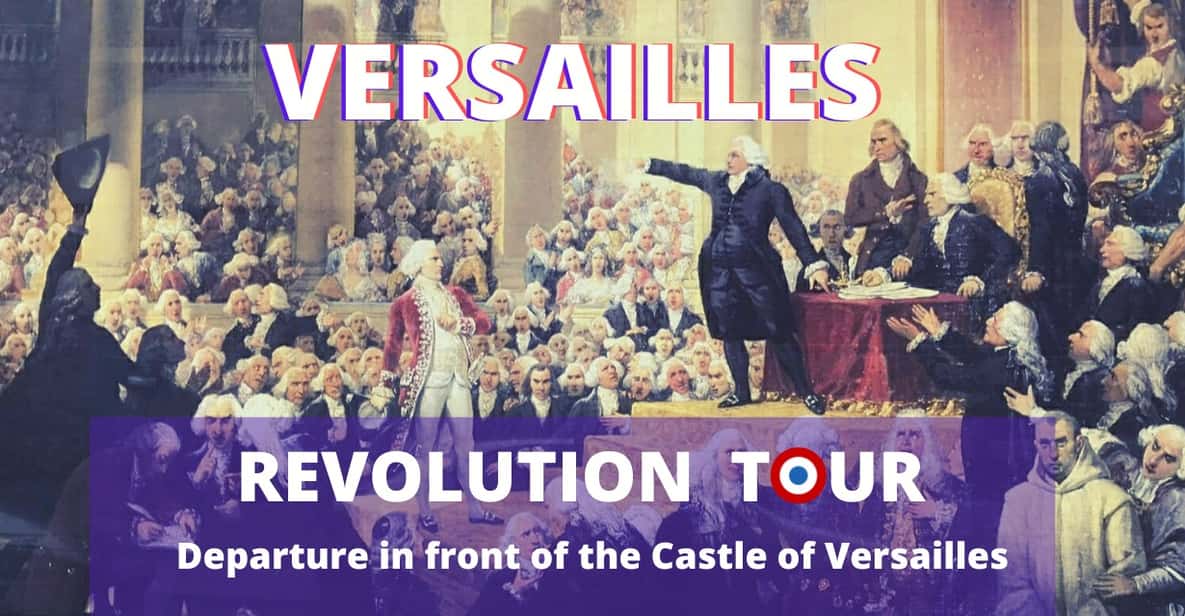
Your tour begins at the equestrian statue of Louis XIV in front of the Château area (look for the large statue; there’s only one obvious one). This matters more than it sounds. Versailles is big, and having a clear “story starting line” helps you orient fast.
Then you shift from modern Versailles to 1789 Versailles. Your guide sets you up as someone who came for the political earthquake of the moment, not just a tourist wandering around famous buildings.
You can also read our reviews of more tours and experiences in Paris.



Why You’ll Love This Tour (Even If You Know Versailles Already)
Plenty of Versailles experiences focus on the palace rooms. This one keeps you in the parts of Versailles that connect directly to what happened next: politics, crowds, speeches, and international consequences.
That focus makes the whole French Revolution feel less abstract. When you walk past places tied to key events, the idea of momentum—how fast things changed—becomes obvious. It’s also refreshing that the tour isn’t asking you to race through interiors or hunt for facts in your phone.
The Big Tradeoff: No Château Access
This is the one line you should keep in mind. The tour takes place in the town of Versailles close to the château, and there is no access to the Château itself.
If your dream day is walking palace halls at length, you’ll need a different booking. If you want a Revolution storyline that connects the famous names to specific locations outside the palace, this tour makes a strong case.
From Arms Square to the General Estates Procession
Your first major stop is Arms Square, tied to the procession that opens the General Estates. This is where the tour earns its “1789” title. You’re not learning Revolution history as a distant timeline; you’re standing at a place where the political drama was meant to unfold publicly.
You’ll get context for why the Estates mattered, and how Versailles functioned as a stage for national crisis. The guide’s style helps you connect the mechanics of politics—who shows up, what happens next, what changes in the air.
Hôtel des Menus-Plaisirs: Where Revolutionary Beginnings Take Shape
Next comes Hôtel des Menus-Plaisirs, described as where the French Revolution began. Even if you’ve heard the general story before, the “where” is what helps it click.
This stop is useful because it breaks the common pattern of Revolution tours that only hit the big-known names. Instead, you get a sense of the process—how ideas turned into action, and how Versailles became a place where decisions could flip quickly.



The Royal Tennis Court and the June 20 Oath Moment
Then you’re taken to the Royal tennis court, linked to the Tennis Court Oath on June 20. This is one of those events you might think you already understand, because it shows up in school materials.
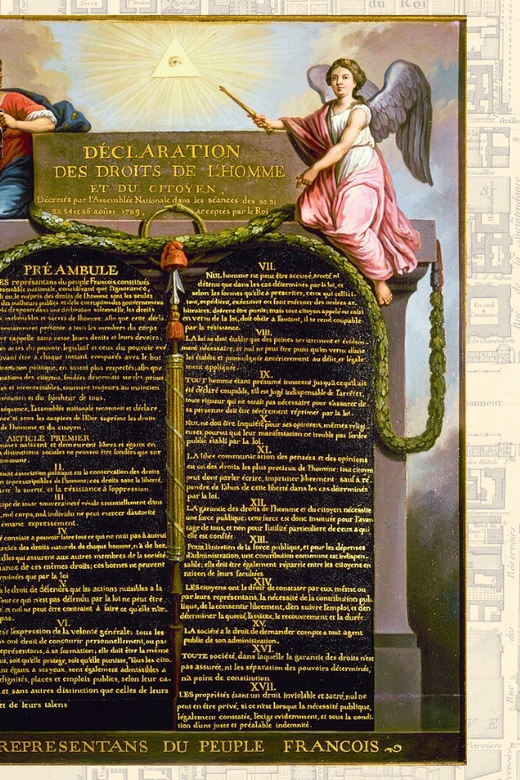
But standing in the orbit of that story, you’ll see how the oath wasn’t just symbolism. It was pressure—political pressure—expressed in a very public way. Your guide’s framing helps you understand why it mattered to the days and weeks that followed, including the political logic that led toward documents like the Declaration of the Rights of Man and of the Citizen.
Marie-Antoinette’s Shadow and the Hôtel de Madame du Barry
At Hôtel de Madame du Barry, you’ll learn about the last favorite of Louis XV and what that says about power and taste at the court. This stop isn’t meant to be gossip for gossip’s sake. It helps you feel the imbalance that fueled resentment, and why the Revolution story couldn’t stay just about politics.
You’ll also get Marie-Antoinette and Louis XVI in the mix as the timeline becomes more personal. The goal is to connect people to places, so the Revolution feels like human drama instead of a textbook chapter.
Paris Avenue: The Route of the Women’s March
One of the most memorable segments is Paris Avenue, the route where the women arrived as the story moved toward the château. This is a strong choice because it adds a social layer you can easily miss if you only focus on leaders and speeches.
Women’s actions were a key part of the pressure cooker moment. When you walk this route, you can sense how “the public” became a force, not just an audience.
The Foreign Affairs Hotel Stop and the Treaty of Versailles
The tour ends with a walk to the Former Foreign Affaires Hotel, tied to the Treaty of Versailles that marked the end of the American Independence war. That international connection is a big part of why this tour feels more than a local story.
You’ll walk with Lafayette’s presence in mind, and with the understanding that Versailles wasn’t only about France. It was also a diplomatic crossroads where events in one revolution helped shape thinking in another.
Baptiste Barennes Makes It Feel Like 1789
Your guide is Baptiste Barennes, and the difference shows up quickly. His background—10 years as a Versailles experience guide and 5 years guiding in the castle gardens—comes through in how smoothly he explains what you see.
What really makes this tour work is the teaching style. He guides you like you’re a participant in 1789, not a passive observer in 2026. In some tours you may even end up with a small group (sometimes it can feel private), which makes it easier to ask questions and get specific answers.
I also appreciated how he doesn’t just move from stop to stop. He helps you connect the dots, so by the end you understand how declarations, public pressure, and international diplomacy fit together rather than living as separate trivia points.
The Interactive Moment at the End (It’s Not a Lecture)
The experience finishes with discussion in the role of deputies. The idea is simple: you’re thinking like someone in 1789, not only hearing about what happened.
That role-based wrap-up helped people in the group talk back with real questions. It’s also where the tour’s tone gets lighter without getting sloppy. One nice surprise is that some tours end with chouquettes from a local baker, which is the kind of Versailles detail you remember because it feels human and earned.
Price and Value: Why $41 Works for This Format
At $41 per person for 2 hours, this is one of those deals that makes sense if you’re choosing the right kind of day in Versailles.
You’re paying for:
- a focused Revolution narrative connected to specific locations in town,
- a live English/French guide,
- and a small takeaway at the end: a reproduction of an engraving/map of Versailles (a redesigned old Versailles map style, with options depending on what’s provided).
The big value point is that it doesn’t require château tickets or time inside the palace. Instead, you get story momentum in a compact timeframe. If you’re short on time or tired of crowds, this can be a smart way to see a different side of Versailles.
Timing, Walking Style, and What to Wear
This is a walking tour in Versailles town near the château, so treat it like a comfortable stroll rather than a sit-down show. Wear shoes that can handle uneven paving and cobbles, especially if you’re visiting in cooler or wetter months.
Plan your day with the fact that it lasts about 2 hours. That time box is helpful: you can fit it before or after other Versailles plans without feeling stuck.
Who This Tour Fits Best
This tour is a great match if you want:
- the French Revolution framed through real locations,
- major turning points like the Declaration and the Tennis Court Oath,
- and an international thread connecting Versailles to American Independence.
It’s also a good pick for people who already know some Revolution basics and want the “how it felt in the streets” version. Even if you’re starting fresh, you’ll get clear context because the guide keeps returning to why each stop matters.
If you’re traveling with teens, the role-play format can keep attention going. If you’re traveling with mobility needs, it’s wheelchair accessible.
Should You Book the Versailles Revolution Tour – 1789?
Book it if you want Versailles as a living political story, not just a palace photo set. The $41 price works because you get a tight 2-hour narrative, a professional guide (Baptiste Barennes), and locations tied to the Revolution’s moving parts—from the Estates to diplomacy.
Skip it if your top priority is seeing the château interior. Since there’s no castle access, you might feel like the day is missing a big piece of what you came for.
If you’re torn, think about your goal: do you want the Revolution’s “where” and “why” in the town streets? Or do you want the palace rooms? This tour clearly answers the first question.
FAQ
Where does the Versailles Revolution Tour – 1789 start?
You meet in front of the Château area at the equation statue of Louis XIV. It’s the big equestrian statue, and it’s the only one at that starting point.
How long is the tour?
The tour lasts about 2 hours.
How much does it cost?
The price listed is $41 per person.
What language is the tour offered in?
The live tour guide speaks English and French.
Is there access to the Château of Versailles?
No. The tour takes place in the town of Versailles near the château, and there is no access to the castle.
Is the tour wheelchair accessible?
Yes, the activity is wheelchair accessible.
What’s included at the end of the tour?
At the end, you receive a reproduction of an engraving (an old Versailles map style, redesigned), and everything is included in the price.