REVIEW · PARIS
Wine and cheese tasting in Bastille
Book on Viator →Operated by Le Vin qui Parle · Bookable on Viator
Wine and cheese. Paris, small group style.
This Bastille-area tasting is built around 3 wine samples paired with 2–3 French cheeses, plus real instruction on how to taste and understand what is in your glass. You sit, taste, and talk as the host walks you through where each wine comes from, the region, and the flavor traits to look for. It is not a lecture. It is a guided, social food lesson where you learn by doing.
I love how beginner-friendly it feels without being basic, because the host explains how to taste and what to notice before you even judge anything. I also like the pairing focus: cheese is not an afterthought, it is part of the lesson on balance and contrast. One possible drawback: it is a small, fixed-length session (about 1 hour 30 minutes), so if you want a long hangout or a huge menu, this is more like a tight, high-impact tasting than a full evening.
In This Review
- Key highlights you’ll care about
- Bastille’s wine-and-cheese lesson: what the experience is really like
- The tasting lineup: 3 wines, 2–3 cheeses, and why it works
- Meet Camille and the France map approach
- What you actually eat: the cheese starter and the baguette
- How the tasting teaches you to appreciate wine (not just rank it)
- Duration and pacing: 1 hour 30 minutes that doesn’t drag
- Where it starts (and why starting location matters)
- Language and ticketing: simple, modern, and not fussy
- Is it worth $46.13? A value check that makes sense
- Who should book this wine and cheese tasting
- Should you book Le Vin qui Parle in Bastille?
- FAQ
- Where does the tasting start?
- How long is the wine and cheese tasting?
- What does the tasting include?
- What language is the tour in?
- Is this a small group?
- Is there a mobile ticket?
- Can I bring a service animal?
- Can I cancel for a full refund?
Key highlights you’ll care about
- Small group size (max 8), so you actually get questions answered and not just background noise.
- 3 wines matched to 2–3 cheeses, showing how one changes the other.
- English-led with a hands-on tasting method, including how to appreciate wine step by step.
- Camille-style storytelling with a France map, linking grapes and regions to what you taste.
- Baguette + French cheese to start, so you have something grounded and local right away.
Bastille’s wine-and-cheese lesson: what the experience is really like
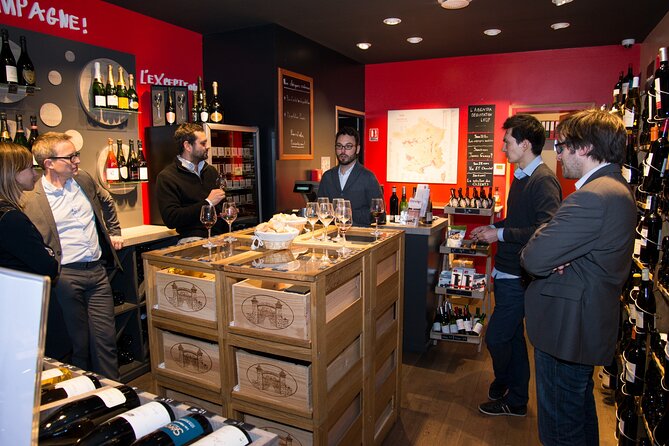
This is the kind of Paris activity that makes sense fast. You show up, you sit down, and the host helps you taste in a structured way. The whole point is to get you to understand what you are drinking, not just whether you like it. You’ll learn the origin of each wine, where it is produced, and the traits that make it what it is.
The format is also refreshingly human. The description says you spend time chatting about wine and food and anything you like about France, and you also get the chance to swap stories about your own country. That conversation piece matters because it turns the tasting into something you can take with you. When you can talk about flavor and region, you can shop and order with confidence later.
And yes, it is in the Bastille area, which is a plus if you want an activity that does not require commuting across Paris. Starting and ending at the same place also keeps the day simple.
You can also read our reviews of more tours and experiences in Paris.

The tasting lineup: 3 wines, 2–3 cheeses, and why it works
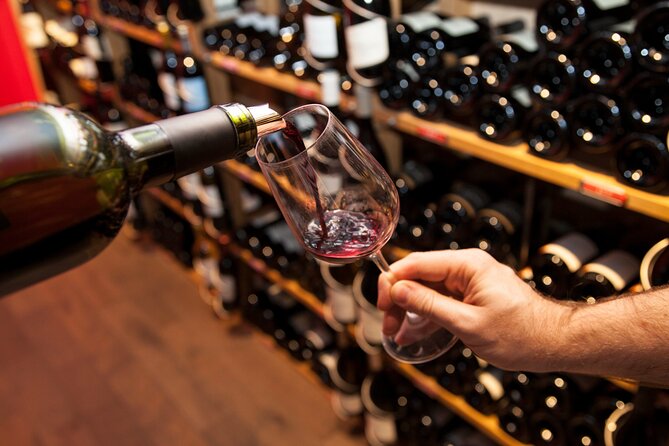
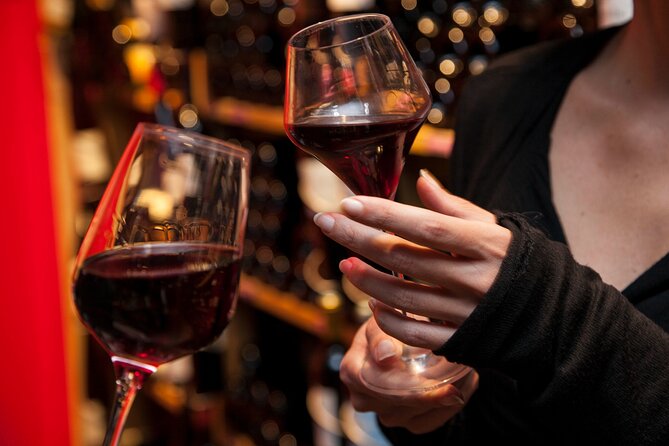
You should expect a guided pairing sequence built around a small set: 3 different wines and 2 or 3 French cheeses, served alongside fresh baguette. That is a smart way to teach, because it limits the number of variables. You can actually notice what is happening when cheese meets wine, instead of trying to remember twelve flavors at once.
The cheese component is also practical. Cheese changes the game in a way that pure sipping does not. A fattier cheese can soften tannins. A salty cheese can make acidity feel sharper. A milder cheese can let a wine’s aroma come forward. By tasting through these pairings in a short window, you learn a repeatable framework you can use at home or in a wine shop.
If you are new to wine, this format is especially good. You are not asked to memorize a grape name on day one. You are encouraged to understand how taste works: how to approach aroma, how to notice structure, and how region ties to style.
Meet Camille and the France map approach
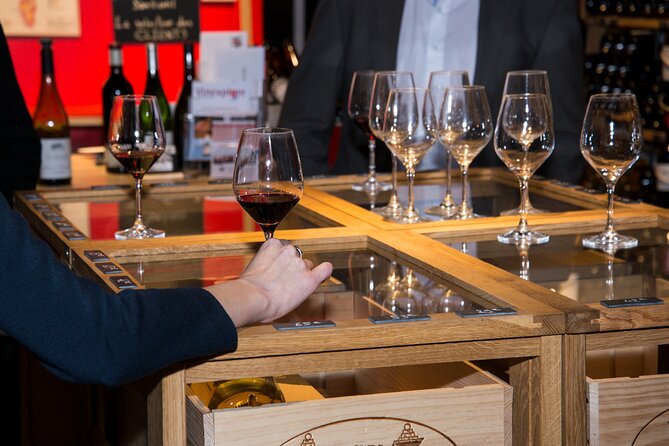
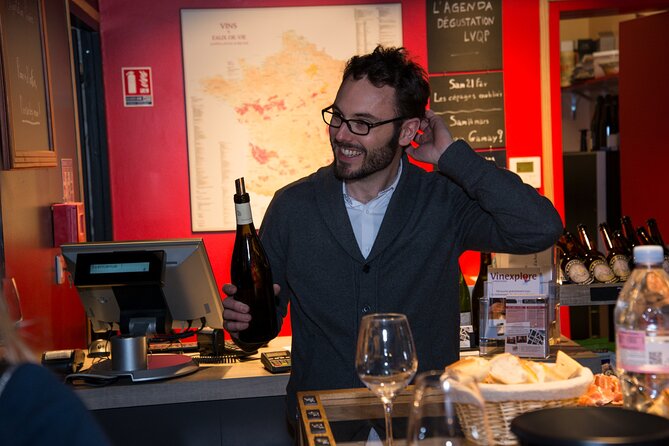
In several bookings, the host is Camille, and that name comes up for a reason: she brings clarity and energy. One standout detail from the experience is the way she uses a map of France to show where each wine comes from. That is not just decoration. It helps you connect what is in the glass to a real geography.
You also get guided talk about characteristics, like how different regions tend to produce different flavor profiles. The effect is that your brain stops treating wine like random magic. It starts treating wine like a set of choices—grapes, climate, winemaking style—and that makes tasting feel less intimidating.
The host’s English is also noted as strong, which matters in a category like wine where small wording differences can completely change what you think you are tasting.
What you actually eat: the cheese starter and the baguette
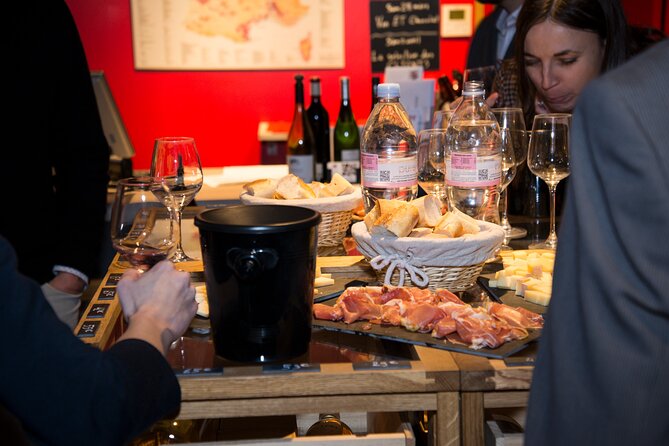
Your starter is French cheese plus fresh baguette, with two different cheeses included in the starter. Even if you are not a big cheese person, the baguette helps you reset your palate between tastings, and it keeps the experience grounded in classic French simplicity.
Then, based on what people describe, cheeses don’t stay only at the beginning. You should expect cheese to continue showing up alongside the wine pairings. That is part of why this works as a learning experience: you taste the wine, then you immediately taste it with cheese. You learn what changes and why.
If you’re sensitive to dairy or have specific dietary constraints, I would treat this as a key question to ask when booking (the basic structure is cheese-forward, so plan accordingly). The available details don’t mention non-dairy swaps.
How the tasting teaches you to appreciate wine (not just rank it)
One of the best reasons to do this style of tour is the emphasis on learning the process of tasting. The description explicitly mentions learning how to taste and appreciate wine, plus understanding origin, region, and characteristics. In practice, that means you are guided to notice things in a repeatable order.
Here’s what that typically translates to during a guided tasting like this:
- You look for aroma and how it develops when you take a moment.
- You taste and pay attention to structure (even if you do not use fancy jargon).
- You connect what you notice back to region and production, so you understand the logic behind the flavor.
The result is confidence. After one well-run session, you can walk into a shop and talk to staff using real, grounded questions. Even if you end up liking only one style, you can explain why.
And if you already know wine, you still get value because pairings can reveal differences you might skip when you taste alone. Cheese and wine pairing can expose subtleties that pure sipping might not highlight.


Duration and pacing: 1 hour 30 minutes that doesn’t drag
The tour runs about 1 hour 30 minutes. That timing is meaningful in Paris. Long food tours exist, but they can turn into a slow slog if you’re not in the mood. Here, the structure is tight: you’re tasting a defined set, learning a defined method, and moving through the session together.
A max of 8 travelers also affects pacing. With a small group, the host can slow down when someone asks a question, and you do not have to wait for your turn to ask what you actually want to know.
If your day includes museums or a long walk, this length is a good “do this now” activity. It is also easy to pair with a meal afterward. You’ll finish with a clearer idea of what wines you like, and that makes dinner ordering more fun.
Where it starts (and why starting location matters)
The meeting point is 30 Rue Faidherbe, 75011 Paris, and the activity ends back at the same place. Staying in one spot is underrated travel value. It saves you time hunting, and it reduces the stress of getting a group moving smoothly.
Also, the start is near public transportation, so you can plan around trains and buses without relying on taxis. If you’re staying in or near the Bastille area, this can fit neatly into a flexible afternoon.
The listed start time is 3:30 pm. Late afternoon is good for wine because you’re not rushing before lunch, and you’re still able to keep your evening plans intact after tasting.
Language and ticketing: simple, modern, and not fussy
This experience is offered in English, so you can focus on the tasting rather than translating every concept in your head. A mobile ticket is also included, which helps if you travel with your phone already open on maps.
Confirmation is received at booking time, which helps you avoid uncertainty when you’re coordinating activities across a tight travel schedule.
If you bring a service animal, the experience allows service animals, and the tour is near public transportation—two practical details that matter when you’re traveling with real-world constraints.
Is it worth $46.13? A value check that makes sense
The price is $46.13 per person for about 90 minutes. In Paris, that can feel either fair or steep depending on what you expect.
Here’s why it can be good value:
- You get 3 wines paired with 2–3 French cheeses (and baguette with the starter).
- You get structured teaching on tasting and wine background (origin, region, characteristics), not just free-flow sipping.
- You keep things small with up to 8 travelers, which increases attention and interaction.
What you might consider if you are watching your budget: this is a focused tasting session, not an all-day food crawl. You are paying for instruction and a short guided format. If you want a longer, heavier meal experience, you may prefer a multi-course dinner where food quantity is the main draw.
But if you want a smart start into French wine basics, this price often makes sense because it includes both food and learning in one package.
Who should book this wine and cheese tasting
This tour fits best if you want one of these outcomes:
- You’re a first-timer who doesn’t know wine well and wants a guided way to learn.
- You already enjoy wine but want to understand how pairing changes the taste.
- You like small group activities where conversation matters, not just silent tasting.
- You want an experience that is easy to do in the Bastille area without complex logistics.
It’s also ideal if you enjoy France through food. The host is described as fun and engaging, and the experience encourages chatting about wine, food, and France while staying respectful and curious.
If you’re someone who hates any instruction and wants pure self-guided sampling, you might find the teaching tone a bit structured. But from the reviews, the vibe leans friendly and interactive.
Should you book Le Vin qui Parle in Bastille?
I’d book this if you want a high-signal, low-stress Paris experience: a short session, a small group, and a clear pairing lesson that teaches you how to taste and talk about wine. The Camille-led style (with the France map and clear explanations) seems to be a big part of why people leave feeling they learned something real, not just had a nice snack.
Skip it if you’re after a huge variety meal, a long sit-down dinner, or a wine tasting where you control everything yourself with no guidance. Also think twice if cheese-heavy food is a problem for you.
If your goal is to leave with better tasting instincts and an easier time ordering wine in France, this is a strong pick.
FAQ
Where does the tasting start?
It starts at 30 Rue Faidherbe, 75011 Paris, France, and the experience ends back at the meeting point.
How long is the wine and cheese tasting?
The duration is about 1 hour 30 minutes.
What does the tasting include?
You’ll discover 3 different wines paired with 2 or 3 French cheeses, plus a starter of two French cheeses with fresh baguette.
What language is the tour in?
The experience is offered in English.
Is this a small group?
Yes. The maximum group size is 8 travelers.
Is there a mobile ticket?
Yes, the tour includes a mobile ticket.
Can I bring a service animal?
Service animals are allowed.
Can I cancel for a full refund?
You can cancel for free up to 24 hours in advance for a full refund. If you cancel less than 24 hours before the start time, the amount paid is not refunded.