REVIEW · PARIS
1h30 Orsay Masterpieces for adults – optional “families & kids”
Book on Viator →Operated by Paris in Tour · Bookable on Viator
Orsay is huge. This tour keeps it focused. You get a small group paced through one of Paris’ best museums, with live guide commentary that turns famous paintings into a clear story about 19th-century art. It starts outside the museum at the elephant sculpture, so you spend less time stuck in the crowd and more time looking closely.
I especially love the face-to-face time with the big names. You’ll spend your two hours on standout works like Manet’s Olympia, Monet’s Poppy Field, Degas’s ballet dancers, and Van Gogh’s Bedroom, with a guide who explains why these artists caused such a stir in their own day.
One consideration: the tour fee doesn’t include adult museum entry (€16), and you really need to show up at the elephant meeting point to avoid delays.
In This Review
- Key highlights worth prioritizing
- Why the Musée d’Orsay feels easier with a guide
- Meeting at the elephant statue and the skip-the-line rhythm
- The 2-hour Orsay plan: what you’ll see and why each stop matters
- A quick setup: 1874 and the break from tradition
- Manet’s Olympia: what shocked audiences
- Monet’s Poppy Field: color and modern attention
- Degas’s ballet dancers: motion, framing, and realism
- Van Gogh’s bedroom: emotion and the inner world
- Guides who make the stories stick: what you can expect from Cynthia, Damien, Cinthia, or Gabriel
- Optional families and kids focus: keeping interest without dumbing it down
- Price and value: what you’re paying for, and what still costs extra
- Group size, pacing, and who this suits best
- Should you book this Orsay masterpieces tour?
- FAQ
- FAQ
- Is museum admission included in the tour price?
- Where do we meet the guide?
- How long is the tour?
- What group size should I expect?
- Is the tour offered in English?
- Will I get tickets on my phone?
- What’s the cancellation window?
Key highlights worth prioritizing
- Small-group size (max 6): easier questions, less shoulder-to-shoulder crowd energy.
- Skip-the-line strategy: meet at the elephant sculpture just outside the museum.
- High-impact masterpieces: Manet, Monet, Degas, and Van Gogh are all on the “see it” list.
- Story-led approach: you’ll hear how the Anonymous Society of Painters, Sculptors and Engravers helped spark a break from tradition.
- Guides who work for kids too: the family-friendly option can keep teens engaged without turning it into a lecture.
- Flexible outcomes if the minimum isn’t met: if there aren’t enough people, you’ll get another date or a refund.
Why the Musée d’Orsay feels easier with a guide
The Musée d’Orsay can overwhelm you fast. It’s packed, and without a plan you can bounce from room to room and miss the best art (or end up only seeing what’s closest to the entrance).
This experience works because it’s built around a tight focus: key works plus the context that explains why they mattered. Instead of treating Impressionism and Post‑Impressionism like just “pretty painting,” your guide ties each stop to the moment in Paris when artists were challenging rules—and getting labeled scandalous for it.
You’ll also benefit from the guide’s filtering. Orsay has plenty to see, but you don’t need to see everything to understand what’s special.
You can also read our reviews of more tours and experiences in Paris.



Meeting at the elephant statue and the skip-the-line rhythm
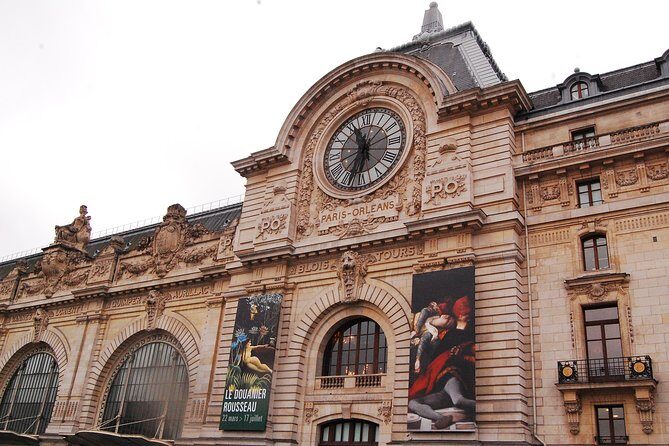
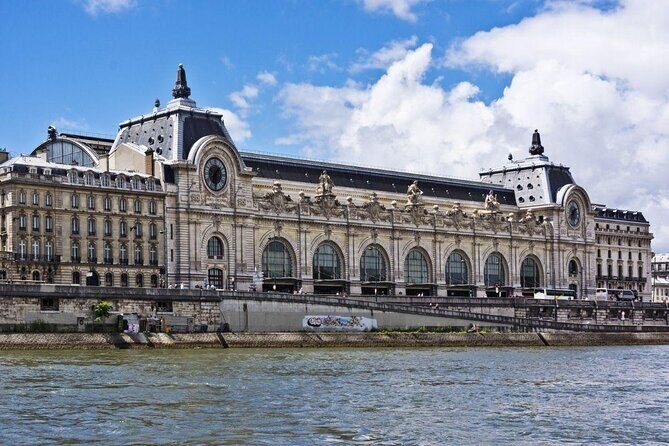
You meet at Musée d’Orsay, 1 Rue de la Légion d’Honneur, by the elephant sculpture outside the museum. The tour then leads you through a faster path compared with wandering in on your own.
A practical tip: arrive a few minutes early and double-check you’re at the right landmark. There’s one cautionary moment that’s easy to fix in advance—people sometimes misread the animal and end up waiting for the wrong group. If you’re the first one there, you’ll be the least stressed.
Once the tour starts, you’ll stay together, and your guide keeps moving at a pace that avoids the “stop-start, panic, and lost” feeling inside the galleries.
The 2-hour Orsay plan: what you’ll see and why each stop matters
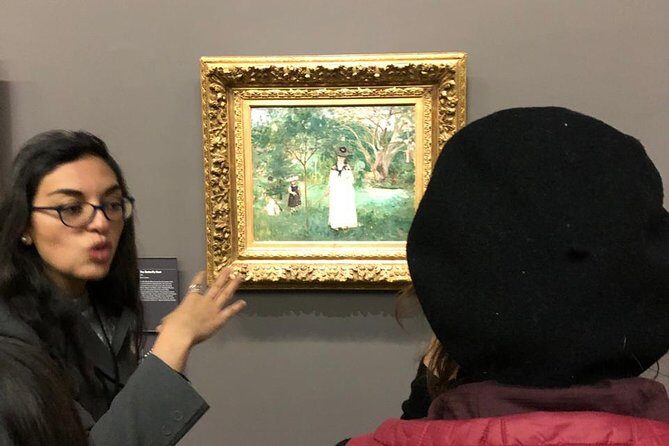
This tour is timed for about 2 hours, which is long enough to learn a lot but short enough that you won’t feel trapped in the museum. You’ll remain with the guide through the key highlights, then finish inside the museum.
A quick setup: 1874 and the break from tradition
Before you even reach the most famous rooms, your guide sets the stage with the story of how 19th-century artists pushed back against convention. A key turning point is the Anonymous Society of Painters, Sculptors and Engravers and their 1874 exhibition, which was treated as controversial and scandalous by critics.
That context matters because it changes how you look. When you understand that paintings once caused real public backlash, the brushwork and subject choice feel less like “art history homework” and more like a live argument happening in paint.
Manet’s Olympia: what shocked audiences
You’ll get close to Manet’s Olympia. Your guide’s job here is to explain what makes the painting provocative beyond the obvious subject matter—how it challenged what people expected art to do, and why it was read as rebellious.
This is one of those works where a good guide helps you notice details you’d likely skip. Even if you’ve heard of it before, you’ll end up seeing it differently after the explanation.



Monet’s Poppy Field: color and modern attention
Next comes Monet’s Poppy Field. Monet can feel “soft” if you only think of the surface, but your guide helps you connect the painting to what was new about the way Impressionists looked at light, color, and the real world.
The payoff is that you stop viewing Impressionism as a style label and start understanding it as a way of seeing—less idealized, more immediate.
Degas’s ballet dancers: motion, framing, and realism
You’ll also see Degas’s ballet dancers. Degas is often misunderstood as just a painter of dancers, but the guide helps you read the composition like a snapshot: off-balance angles, a sense of movement, and a viewpoint that feels slightly observational rather than staged.
Degas is a great lesson in how “modern” doesn’t always mean bright and cheerful. Sometimes it’s more like: look closer, notice the cut, and pay attention to what’s left out.
Van Gogh’s bedroom: emotion and the inner world
Finally, you’ll reach Van Gogh’s Bedroom. This is where the tone can shift from the wider Impressionist movement to something more personal and expressive. A good guide frames why the room feels more than just a room—how the painting communicates mood, not only objects.
By the end, the museum feels less like a catalog of famous artists and more like a sequence of personalities reacting to the world around them.
Guides who make the stories stick: what you can expect from Cynthia, Damien, Cinthia, or Gabriel
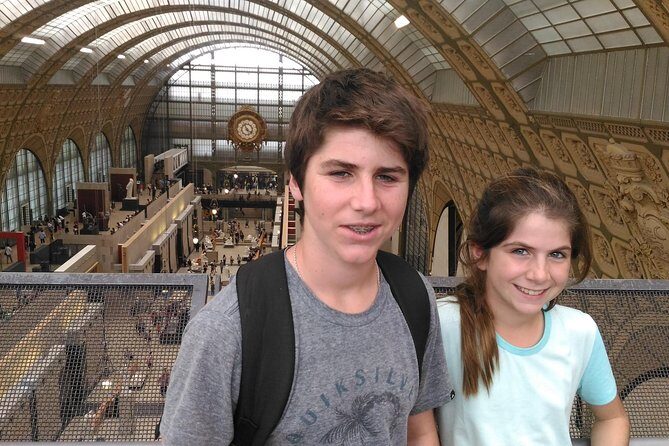
What keeps this tour consistently rated highly is the guide style. The best parts aren’t just facts; they’re the way the guide turns facts into “word pictures” you can actually remember later.
Guides like Cynthia and Cinthia are praised for making the art feel alive through storytelling, and for finding a pace that works for both adults and younger visitors. Damien is often highlighted for keeping groups entertained while still delivering real art history. Gabriel is noted for explaining meaning and inspiration in a way that non-art people can follow without feeling lost.
One technique you’ll likely appreciate: your guide doesn’t just talk at you. They use questions and prompts that push you to look actively—like you’re participating in the museum, not just watching from the sidelines.
Another strong point is pacing. Several people mention that the two hours fly by because the guide chooses highlights carefully and doesn’t get stuck in one painting too long.
Optional families and kids focus: keeping interest without dumbing it down
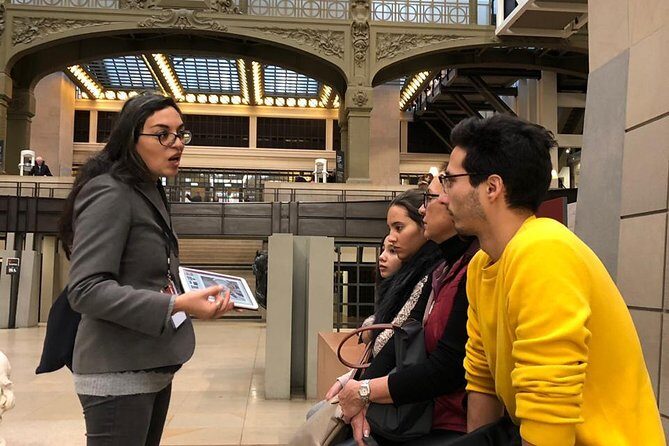
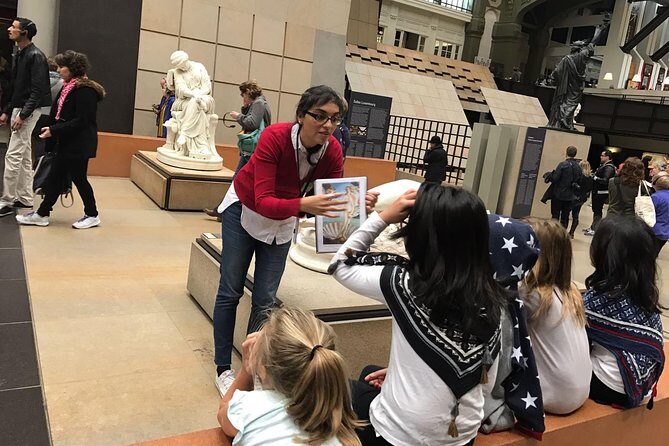
Orsay isn’t a playground museum, but it can work for families if you handle it smart. This experience offers an option for families and kids when you book, and it’s designed to keep younger visitors from zoning out.
In practice, that tends to mean:
- shorter explanations tied to what kids can see right now
- interactive moments so they’re not just listening
- a route built around famous works so there’s payoff fast
It also helps that the group stays small. When you’ve got a maximum of 6 people, kids can actually hear and ask questions without competing with a wall of voices.
If you’re traveling with a teen, this matters even more. A well-run guide can get a teenager to engage instead of rolling their eyes, and that’s often where the difference between a good family plan and a frustrating one shows up.
Price and value: what you’re paying for, and what still costs extra
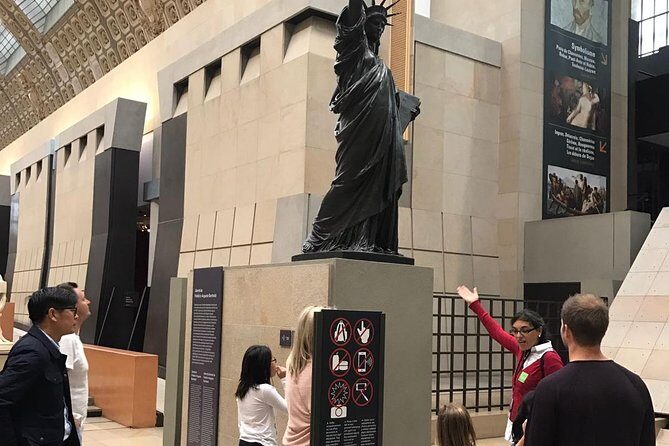
The price is $144.82 per person for the tour (about 2 hours). That fee buys you two big things: a professional guide and live commentary that helps you see more than you’d likely manage alone.
What’s not included is adult museum admission (€16 per person). Visitors under 18 enter free, so families may find the total cost becomes more reasonable once kids are included.
Is it worth it? For me, the value comes down to time and attention:
- Orsay is huge, so paying for guided focus can save you from “wandering time.”
- The guide helps you understand what you’re looking at, especially if you’re not already fluent in Impressionism and Post‑Impressionism.
- Skip-the-line setup reduces wasted minutes, which matters when museum lines are long.
If you’re traveling with adults who love art already, you might feel the tour is a premium way to go deeper. If you’re bringing teens or kids, the guide’s ability to keep interest can make the added cost feel more justified.
Group size, pacing, and who this suits best
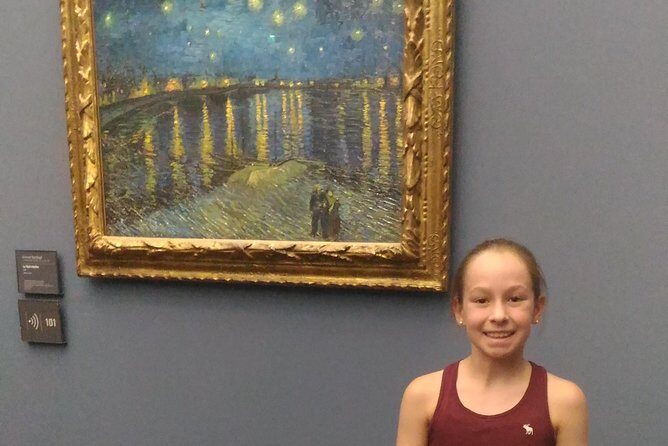
This is built for a max of 6 travelers, which is perfect for people who don’t want to shout over a crowd. The minimum group size is 4 people, and if the minimum isn’t reached, you’ll be offered another date or a cancellation with a full refund. That means it’s smart to book based on a day you can flex if needed.
You should also plan for a moderate amount of walking inside the museum. The physical fitness level is described as moderate, so it’s not meant for people who need a very slow pace or a lot of breaks.
This tour is a great fit if you:
- want major masterpieces without spending your whole day inside
- like a guided storyline more than a self-guided checklist
- are traveling as a small group or family
- want something in English
It’s less of a match if you want total freedom to linger for as long as you want at every single painting, because the tour is timed and structured.
Should you book this Orsay masterpieces tour?
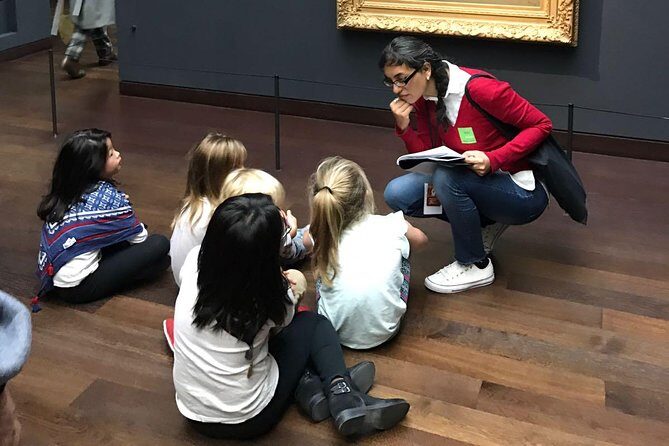
I’d book it if you want the best of Orsay without the stress of figuring out what to see first. The structure is tight, the guide-driven storytelling is the main value, and the route targets the artists people come to Paris for.
Skip this one if you’re the type who enjoys slow roaming and you’re comfortable building your own art path. In that case, you might prefer a self-guided visit and spend your time exactly where your eye keeps returning.
If you’re booking with kids, I’d also lean toward yes, since the family-friendly option is clearly designed to keep younger visitors engaged instead of treating them like extra baggage.
FAQ
FAQ
Is museum admission included in the tour price?
No. The tour does not include entrance tickets. Adults need to buy the Musée d’Orsay admission fee (€16 per person). Under 18 years old enter free.
Where do we meet the guide?
Meet at Musée d’Orsay at 1 Rue de la Légion d’Honneur, 75007 Paris, by the elephant sculpture just outside the museum.
How long is the tour?
The tour is about 2 hours.
What group size should I expect?
The experience has a maximum of 6 travelers. There is also a minimum number of travelers (4). If the minimum isn’t met, you’ll be offered another date or the tour may be canceled.
Is the tour offered in English?
Yes, the tour is offered in English.
Will I get tickets on my phone?
Yes. You’ll receive a mobile ticket.
What’s the cancellation window?
You can cancel for a full refund up to 24 hours before the experience starts. Changes within 24 hours of the start time aren’t accepted.