REVIEW · PARIS
Musée d’Orsay Skip-the-Line Tour with Expert Guide
Book on GetYourGuide →Operated by Memories France · Bookable on GetYourGuide
Paris art hits harder at Orsay.
This skip-the-line guided visit helps you see why Parisians treat the Musée d’Orsay like a favorite hangout, not just a stop. I love that the guide turns famous paintings into living stories, with the why behind each work and the personalities behind the brushstrokes. I also love the built-in pacing help: headsets when appropriate mean you can actually follow the guide even when the galleries get crowded. The main thing to consider is that the tour time is tight (90 to 150 minutes), so if you want to linger for long stretches in every room, you may still feel a little rushed before you’re free to roam on your own.
To me, the best part is how the tour connects Impressionism to the reactions it caused—shock, scandal, and outright outrage—so the paintings don’t feel frozen in a textbook. You’ll also get a practical advantage: a dedicated entrance and an organized route through a museum that can be packed, which makes your time feel efficient. One drawback to plan for is the museum isn’t suitable for wheelchair users, and luggage or large bags aren’t allowed.
In This Review
- Key Things That Make This Tour Work
- Musée d’Orsay Is the Rare Paris Museum With an Angle
- Skip the Ticket Line and Start With Momentum
- What the Expert Guide Actually Does for Your Eyes
- The Impressionist Shock: Why People Were Upset
- How the Tour Handles Orsay’s Crowd Reality
- The “Highlights” Route (Without Missing the Smaller Moments)
- Headsets, Q&A, and Why It Feels Interactive
- After the Tour: How to Spend Your Extra Time Wisely
- Who Should Book This (and Who Might Be Happier With Another Plan)
- Price and Value: Is $82 Worth It?
- Should You Book This Musée d’Orsay Skip-the-Line Tour?
- FAQ
- Where is the meeting point for the Musée d’Orsay tour?
- What’s the duration of the guided portion?
- Is the tour actually skip-the-line?
- Do I need hotel pickup or drop-off?
- Are headsets provided?
- Is the tour in English?
- Can I stay in the museum after the guided part ends?
- Are large bags or luggage allowed?
- Is this tour suitable for wheelchair users?
- What are the cancellation rules?
Key Things That Make This Tour Work

- Beaux-Arts station setting: You’re inside a former rail hall, which makes the museum feel bigger and more cinematic.
- Impressionism with context: Expect the stories of why artists like Monet, Manet, Renoir, Degas, and Van Gogh broke rules and caused controversy.
- Hearing the guide in crowds: Headsets help when you’re in busy rooms, so you don’t miss the good parts.
- Major highlights plus lesser stops: You’ll cover the top areas and also get pointed toward smaller moments you might skip alone.
- English guide, fully local: Guides like Antony and Sarah are often praised for clarity, humor, and answering questions.
- Stay after the tour: You keep access to explore as long as you like, including temporary exhibitions.
Musée d’Orsay Is the Rare Paris Museum With an Angle
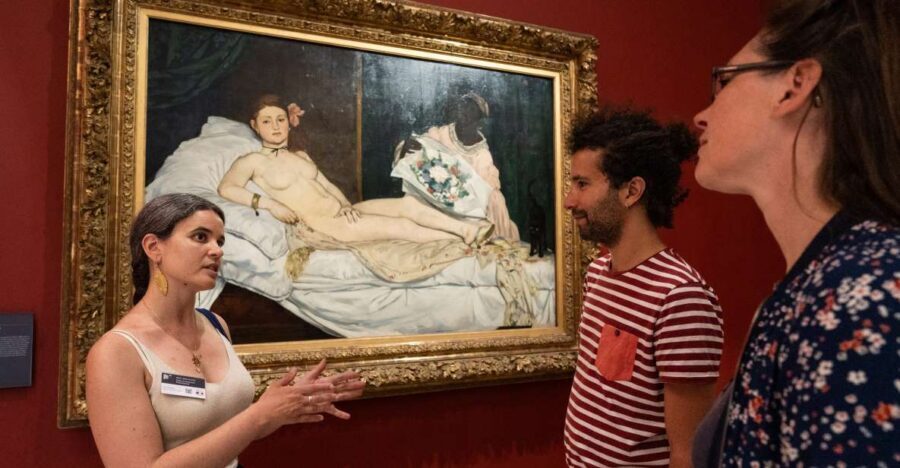
The Musée d’Orsay is famous for its Impressionist collection, but it feels different from the start because of what it’s housed in. The museum sits in a magnificent Beaux-Arts railway station built for the World’s Fair era, with long sightlines, tall rooms, and a sense of movement. It’s the kind of place where art and architecture both make a point.
On this tour, you don’t just walk past paintings. You get a guided framework for seeing them: what was considered normal, what felt radical, and how the artists pushed into a new way of looking at modern life. I like this approach because it keeps you from drifting into a vague, I’ve-seen-fancy-art mode.
You can also read our reviews of more guided tours in Paris



Skip the Ticket Line and Start With Momentum
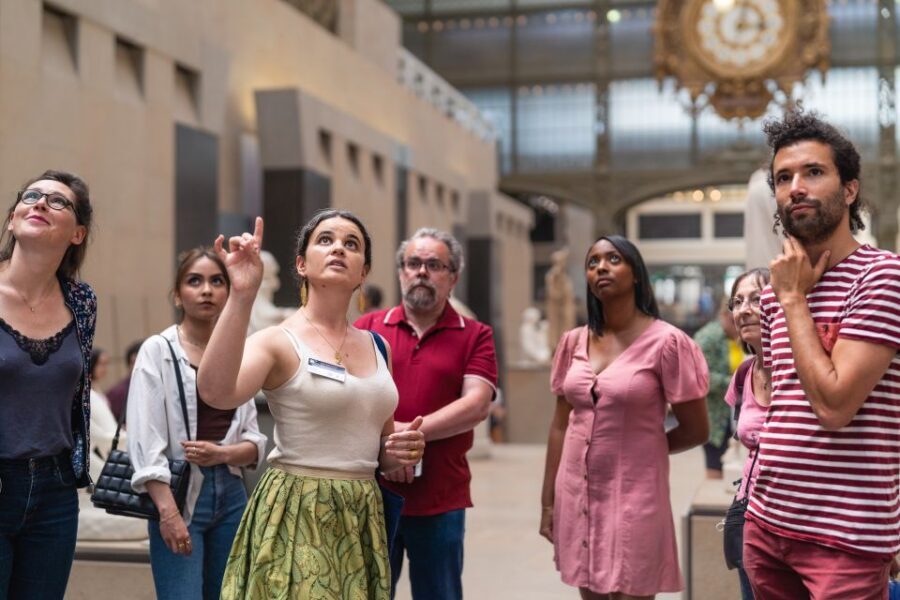
In Paris, museum lines can eat your day. This experience is built to help you avoid that time sink with a skip-the-line entry and a dedicated entrance. That matters because Orsay is a large museum, and the collections are spread out enough that every hour counts.
Meeting up is straightforward. You meet your guide opposite the main entrance to the Musée d’Orsay, next to the Legion d’Honneur Museum entrance. Your guide should be wearing a guide badge on an orange lanyard right by the entrance. If you’re using public transit, the nearest options listed are RER Musée d’Orsay (Line C) or Metro Solferino (Line 12).
One practical tip: plan to arrive a bit early, even if you hate waiting. The guide is right there, and the early minutes help you settle into the museum flow before it gets busier.
What the Expert Guide Actually Does for Your Eyes
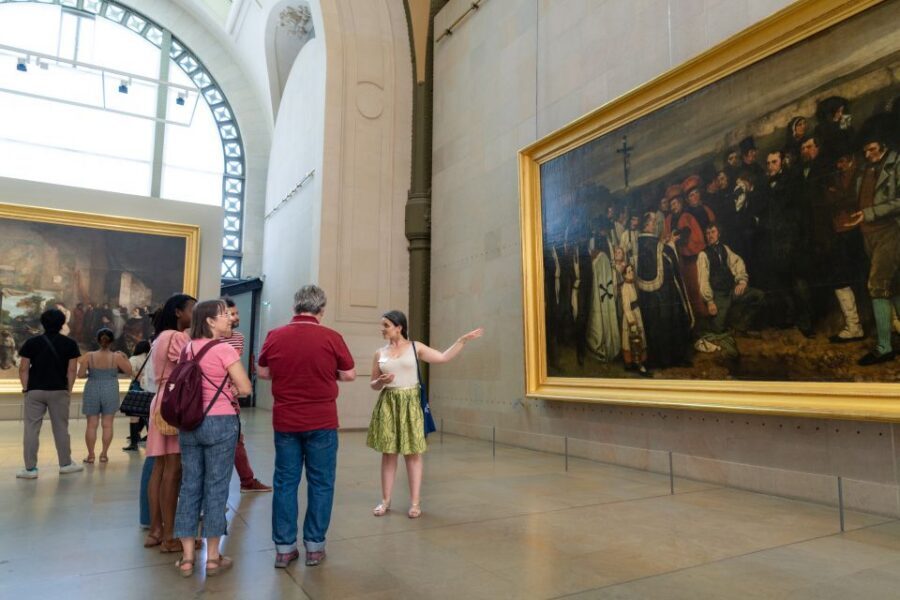
A good art guide can sound like a lecture. A great one makes you look. This tour’s strength is that the guide brings passion and clarity and keeps the explanations grounded in what you can see in front of you.
You’ll hear why Impressionists looked the way they did—vivid color, visible brushstrokes, everyday subjects—and what made those choices feel scandalous at the time. The guide also links the works to the social world around the artists, so the paintings stop feeling like isolated masterpieces and start feeling like arguments happening on canvas.
Many guides on this route are praised for being responsive to questions and for keeping the group moving without feeling like a conveyor belt. People also mention that guides use humor and connect artist rivalries and influences in a polite way, which is a real skill when you’re dealing with a crowd.
The Impressionist Shock: Why People Were Upset
If you’ve ever wondered why this era was controversial, this is where the tour earns its keep. The first public Impressionist exhibitions brought outrage because the paintings didn’t follow the usual rules of finish and subject matter.
Here’s what you’ll be paying attention to as you walk through the galleries:
- how artists used color and brushwork that used to be considered unfinished
- how everyday scenes challenged the idea that art had to be grand or polished
- how new techniques and viewpoints spread across artists through rivalry and influence
The guide typically includes major names—Monet, Manet, Renoir, Degas, Van Gogh—and connects them to what other artists were doing at the same time. That’s the key. You’re not just learning who painted what; you’re understanding how the movement formed, argued, and evolved.
How the Tour Handles Orsay’s Crowd Reality
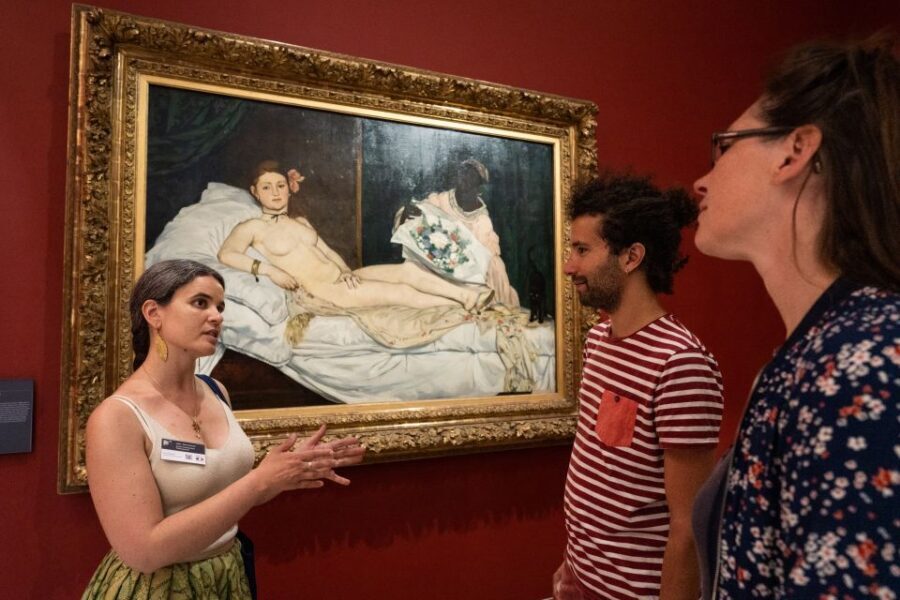
Orsay can be packed, and the galleries can get tight. The tour is designed for that, with a route and a guide who can steer people toward good viewpoints without losing the thread of the story.
You’ll also have a headset when appropriate, which is a big deal in a museum where people talk in low voices while walking. With headsets, you can focus on the painting instead of trying to catch a phrase over the crowd noise.
One review-style lesson I take from the people who raved about their guides: pace matters. Some guides keep the walking smooth and the stops intentional, so you feel like you saw everything the tour promised. Others may move faster in the shorter slot (90 minutes). If you’re sensitive to a tight schedule, choose a longer starting time when you can.
You can also read our reviews of more tours and experiences in Paris





The “Highlights” Route (Without Missing the Smaller Moments)
This tour covers all the museum’s major highlights and also includes lesser-known treasures. That balance is smart because Orsay has star artists, but it also has rooms where you can miss something good if you’re only hunting for the famous names.
Without turning this into a guessing game about specific painting titles, here’s what you can expect in the experience flow:
- You’ll move through the major Impressionist-heavy areas so you get the core story of the movement
- You’ll hit key moments that show how the artists changed artistic conventions
- You’ll also be guided toward smaller works and details that reward slowing down
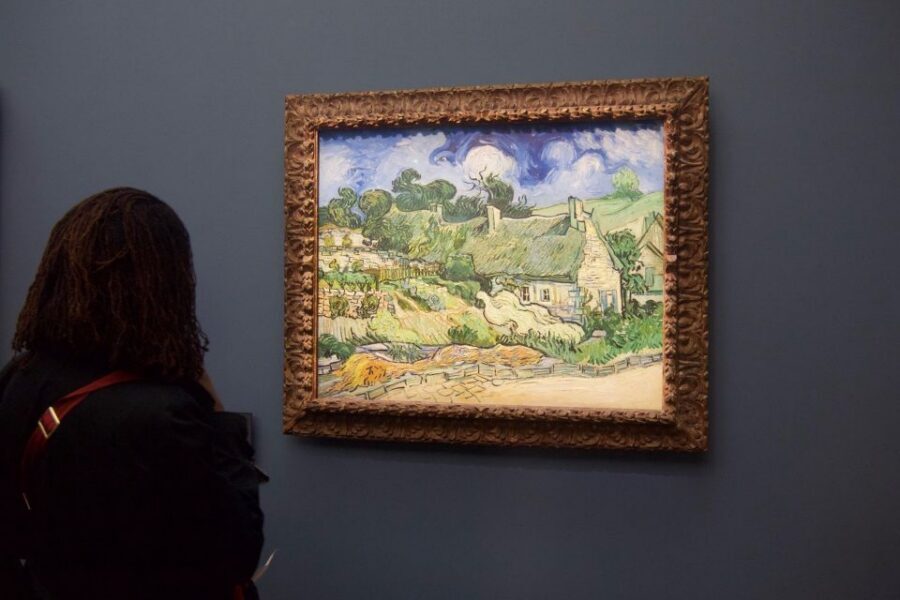
Many people mention getting to an important Van Gogh section during the tour, and the guide often helps you understand what you’re seeing rather than just telling you it’s important. If you’re the kind of person who likes to look longer at texture, composition, or expressions, the guide’s pointing can be the difference between a quick glance and real noticing.
Headsets, Q&A, and Why It Feels Interactive
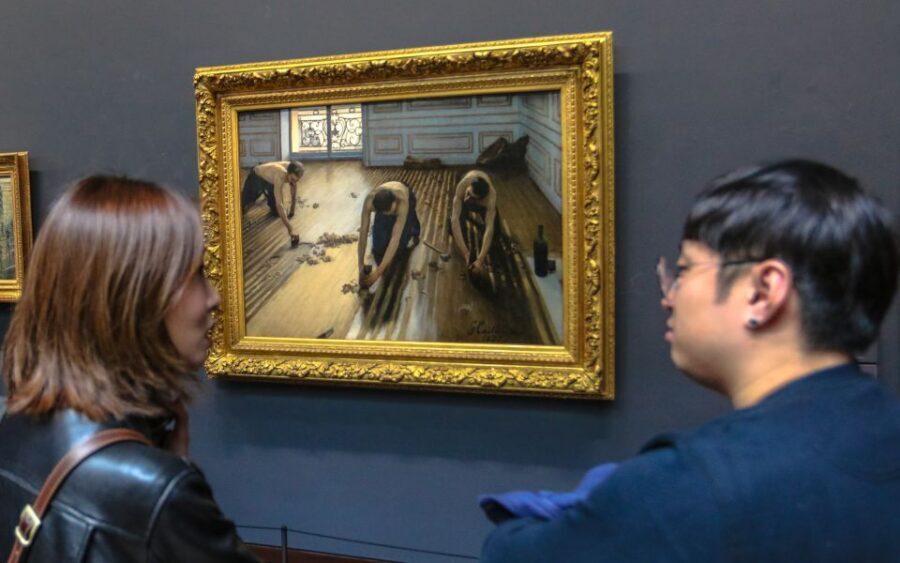
It’s not just talk-and-walk. A lot of guides are described as answering questions thoughtfully and shaping the route to the group’s interest. Some guides even adapt the order slightly—for example, starting with Impressionists earlier to match the mood of a family or a particular art focus.
You might also notice that the best guides build a rhythm: short explanations, quick visual tasks like pointing to brushwork or color choices, then time to look. That rhythm helps you absorb the story while still doing the main job—seeing the art.
After the Tour: How to Spend Your Extra Time Wisely
The tour ends, but you don’t lose your access. You’re allowed to stay as long as you like in the museum after your guided portion. This is where you can turn a good overview into something personal.
Here’s how to make that free-roam time work:
- Go back to the paintings that made sense during the tour and look again without the pressure to move on.
- If the guide emphasized certain techniques (color, brushstroke, modern subject matter), use that as your checklist for your second pass.
- If you like branching out, look for lesser works near the highlights. You’ll often recognize details from the guide’s explanations.
This is also a practical moment to fit in a temporary exhibition if one is running. Even if you’re not an exhibition person, it can be a nice change of pace because the tour gives you a fresh way to interpret what you see next.
Who Should Book This (and Who Might Be Happier With Another Plan)

This tour is ideal if you:
- want a guided overview that makes Impressionism click fast
- like museum time that feels intentional instead of random wandering
- appreciate hearing the “why” behind famous paintings, including the social tension of the era
- travel with mixed art interests, because the guide can make both major works and smaller details feel connected
It may not be ideal if:
- you want a super slow, room-by-room museum day with long pauses in every gallery
- you need wheelchair access (this option isn’t suitable for wheelchair users)
- you’re carrying luggage or large bags (those aren’t allowed)
If you’re an art lover, you’ll likely enjoy the structure. If you’re new to Impressionism, you’ll probably appreciate the way the tour explains what was considered normal before these artists changed the rules.
Price and Value: Is $82 Worth It?
$82 per person sounds steep until you frame what you’re buying. You’re paying for three things that can cost real time and energy in Paris: skip-the-line entry, a 1 hour 45 minutes guided tour with an accredited local guide, and headsets when appropriate so you can actually hear the story.
The value gets even better because the tour isn’t only about walking you past highlights. The whole point is interpretation: why these paintings looked radical, why people reacted strongly, and how artists influenced each other. That’s hard to get from reading a wall label while you’re shoulder-to-shoulder with strangers.
And then there’s the part that often seals the deal: after the guided time, you can stay in the museum as long as you like. That turns your paid time into a starting point, not the finish line.
Should You Book This Musée d’Orsay Skip-the-Line Tour?
I’d book it if you want to make Orsay feel understandable fast, especially the Impressionist story—shock, scandal, and the shift toward modern life. The tour’s biggest strength is that it guides your attention, not just your feet, and the skip-the-line entry helps you start with momentum instead of line anxiety.
I’d think twice if you’re the type who needs long solo viewing time before you can absorb anything. In that case, you might prefer a more self-paced plan, then add a shorter guided session later. But if you’re aiming for a smart, high-impact museum day with expert storytelling and time to explore afterward, this one is a solid bet.
FAQ
Where is the meeting point for the Musée d’Orsay tour?
Meet your guide opposite the main entrance to the Musée d’Orsay, next to the entrance of the Legion d’Honneur Museum. The guide will be wearing a guide badge on an orange lanyard.
What’s the duration of the guided portion?
The tour lasts between 90 and 150 minutes, with the guided portion listed as 1 hour 45 minutes.
Is the tour actually skip-the-line?
Yes. The experience includes skip the ticket line and a dedicated entrance with entrance fees covered.
Do I need hotel pickup or drop-off?
No. Hotel pick-up/drop-off is not included.
Are headsets provided?
Headsets are provided when appropriate so you can hear your guide.
Is the tour in English?
Yes. The live tour guide is English.
Can I stay in the museum after the guided part ends?
Yes. You can stay as long as you like after your tour.
Are large bags or luggage allowed?
No. Luggage or large bags are not allowed.
Is this tour suitable for wheelchair users?
No. It is not suitable for wheelchair users.
What are the cancellation rules?
You can cancel up to 24 hours in advance for a full refund. Refunds are not possible for missed tours.