REVIEW · REIMS
3 days in Champagne – “Aromas” experience
Book on Viator →Operated by TOURS IN CHAMPAGNE - Stéphane Demissy · Bookable on Viator
Champagne lives on your nose before it reaches your glass. This 3-day Aromas experience strings together big-name houses and small growers across Reims and Epernay, so you can compare styles, not just collect labels.
I especially like the way this tour mixes classic cellar visits with hands-on producer time, including tastings that push you to notice aroma differences. I also love the sheer volume: 21 Champagne tastings across the itinerary, including opportunities to sample older vintages and understand how age changes flavor.
One thing to consider: it is priced at $2,969.14 per person, and while lunches are included, dinners and lunch drinks are not, plus accommodation is not part of the package. If you’re hoping for a relaxed, slow trip with lots of downtime, this schedule will feel busy.
In This Review
- Key things that make the Aromas tour worth your time
- Why the Aromas tour works in 3 days around Reims and Epernay
- Day 1 cellar giants: Pommery, Veuve Clicquot, Moët & Chandon, Mercier
- Champagnes Pommery: old vinification spaces and huge bottles
- Veuve Clicquot: branding meet tasting room energy
- Moët & Chandon: cellars plus the Dom Pérignon bottle world
- Mercier: cellar tour by small train and a monster barrel
- Day 2 Grand Cru focus and royal crown stop: Sermiers, Rilly-la-Montagne, Verzy, Reims Cathedral
- Sermiers: a private visit at a small producer in a Grand Cru village
- Rilly-la-Montagne: Premier Cru village with a contrasting style
- Verzy: UNESCO vineyard drive for aroma context
- Cathedrale Notre-Dame de Reims: the crowned-kings moment
- Day 3 Chardonnay focus and age comparisons: Beaumont-sur-Vesle, Verzenay, Hautvillers, Epernay
- Beaumont-sur-Vesle: Clos place and the Chardonnay vs Pinot Noir lesson
- Verzenay: retired winemaker and aromas from young to old
- Hautvillers: Dom Pérignon’s village break
- Avenue de Champagne in Epernay: a famous drive to close the loop
- The tastings: how 21 pours teach your nose (not just your wallet)
- Transportation and meals: what’s included and what you’ll plan for
- Price and value: is $2,969.14 per person a fair deal?
- Who this tour suits best (and who might prefer a lighter approach)
- Should you book the Aromas 3-day Champagne experience?
- FAQ
- How long is the Aromas Champagne experience?
- Where does the tour take place?
- Are tastings included, and how many?
- Is pickup included, and where does it pick up?
- Are meals included?
- Is this a private tour, and is it offered in English?
- What is the cancellation policy?
Key things that make the Aromas tour worth your time
- 21 Champagne tastings across three focused days, with both non-vintage and older bottles in the mix
- Big houses plus growers: you get the famous cellars at places like Veuve Clicquot and Moët & Chandon, then switch to smaller producers for more intimate conversations
- Vintage aging lessons: you’ll taste older champagnes (up to 25 years) so you can actually smell the change
- Aroma-driven approach: the itinerary is built to help you compare young vs. old and Chardonnay vs. Pinot Noir
- Private transportation and pickups around Reims and Epernay, including direct pickup at Reims station if you’re coming from Paris
Why the Aromas tour works in 3 days around Reims and Epernay
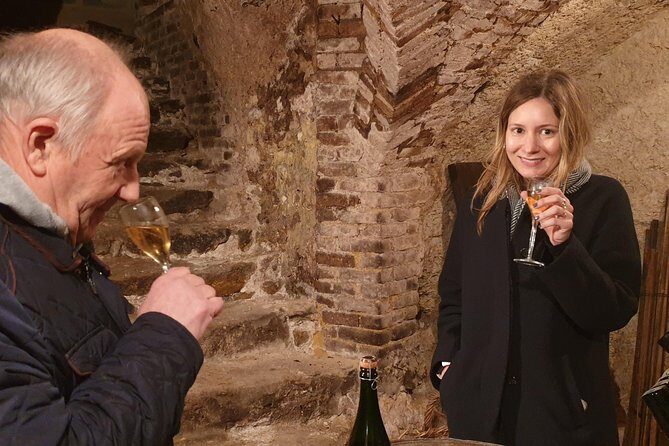
This trip is designed around one good idea: Champagne makes more sense when you compare. Instead of bouncing around randomly, you’ll move through the region in a way that lets your brain connect place, process, and taste.
You’ll start with the famous houses in the Reims area, then shift toward Grand Cru and Premier Cru villages, and end with stops that sharpen your focus on how Chardonnay, Pinot Noir, and time shape aromas. That arc matters, because Champagne is subtle. A few extra tastings are fun, but the real win is learning how to notice differences on purpose.
You can also read our reviews of more wine tours in Reims

Day 1 cellar giants: Pommery, Veuve Clicquot, Moët & Chandon, Mercier
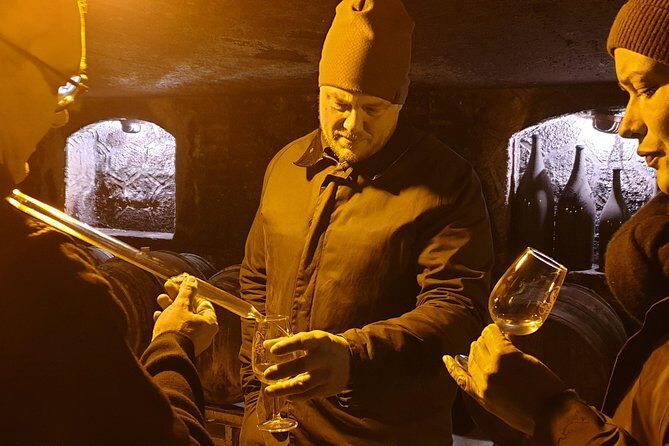
Day 1 reads like a greatest-hits playlist, but it’s not just photo stops. Each stop is built around cellars, a structured tasting, and a chance to see how big brands showcase Champagne culture.
Champagnes Pommery: old vinification spaces and huge bottles
At Champagnes Pommery, you visit the cellars and get a tasting in the old vinification center. You’ll also see the cellar crossing where some of the biggest bottles are aging, which is a fun reality check: Champagne isn’t just a drink, it’s a long game with serious storage.
Why this works for you: Pommery is a good warm-up for the rest of the trip. You’ll get the atmosphere of Reims cellar life early, which makes later comparisons with other houses easier.
Veuve Clicquot: branding meet tasting room energy
Next up is Veuve Clicquot, where you can walk through the shop and then enjoy a tasting in the Veuve Clicquot tasting room. It’s built to feel like a brand visit, but with the important part included: tasting on site.
Tradeoff to know: If you strongly prefer small growers only, the brand-heavy shops can feel more like museum time than pure wine immersion. Still, the tasting room stop keeps it grounded.
Moët & Chandon: cellars plus the Dom Pérignon bottle world
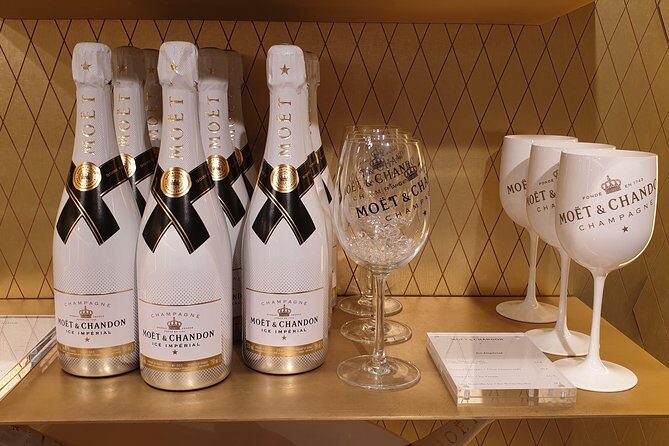
Then you’ll head to Moët & Chandon for another cellar visit and tasting, plus time in the shop where you’ll see Moët and Dom Pérignon branding products. This stop tends to impress people who like the full Champagne spectacle, but it also matters for your tasting education because it adds another house profile to compare against.


Mercier: cellar tour by small train and a monster barrel
At Mercier, you get a cellar visit by small train so you can see a lot without a long walk. You’ll also have a tasting, time at the shop, and a look at Mercier’s huge Champagne oak barrel designed for 200,000 bottles.
Why you’ll like it: That barrel detail is exactly the kind of thing that makes you understand scale. You can feel the industrial side of Champagne production without leaving the romance behind.
Day 2 Grand Cru focus and royal crown stop: Sermiers, Rilly-la-Montagne, Verzy, Reims Cathedral
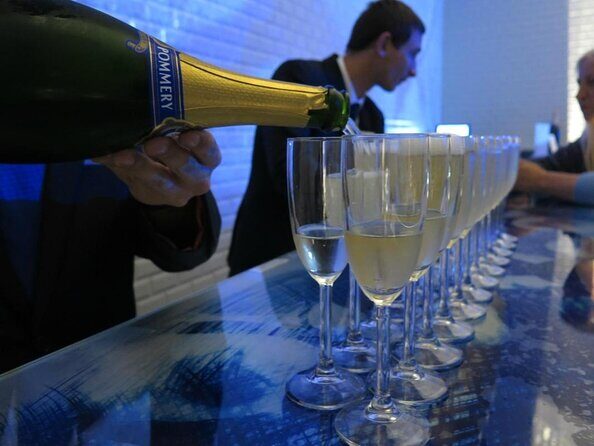
Day 2 is where the tour shifts from brand icons toward the people who farm the grapes. You’ll spend more time with producers and in villages tied closely to origin.
Sermiers: a private visit at a small producer in a Grand Cru village
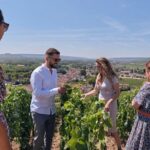
Sermiers is one of the best examples of the tour’s aroma philosophy. You visit a small producer in the mountain of Reims, tied to a winemaker selected in a Grand Cru village. The winemaker provides a private visit of the press center, vinification center, and cellars.
Then you taste at least 4 different champagnes with the winemaker, and the tasting is set up for your group. This is the kind of setup where you can ask questions and actually connect aromas to choices in the process.
Practical consideration: This stop is more conversational than showroom-like. If you’re quiet or just want to follow along, you’ll still get plenty of structure, but it won’t feel like a passive walk-through.
Rilly-la-Montagne: Premier Cru village with a contrasting style
In Rilly-la-Montagne, you visit a winemaker in a 1er cru classified village. You’ll tour the cellar, learn the winemaker’s history, and explore how Champagne is made there.
Then comes the useful part: you’ll taste different champagnes from another village with totally different tastes than what you tasted earlier. This is how you build real comparison skills. You’re not just tasting five bottles; you’re learning what changes when the village changes.
Verzy: UNESCO vineyard drive for aroma context
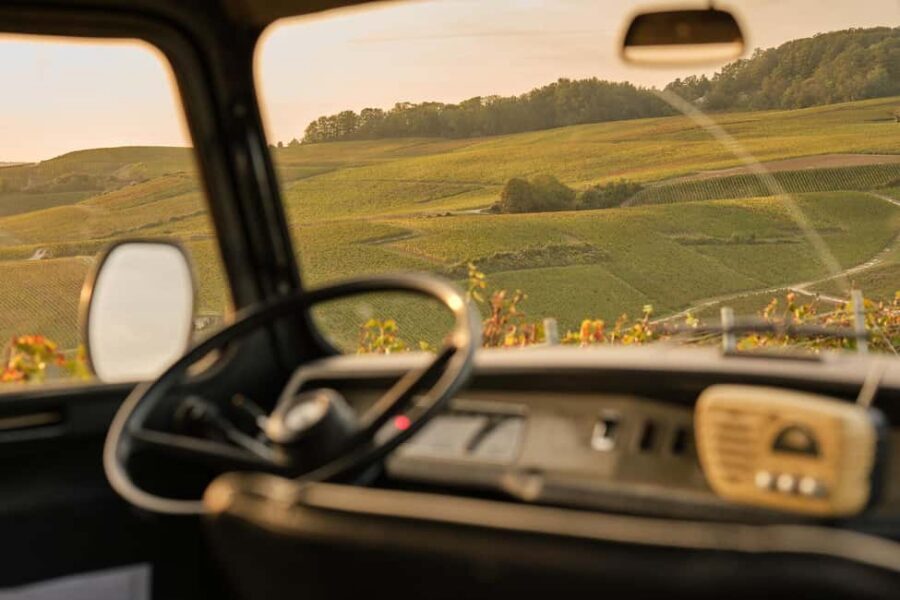
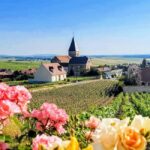
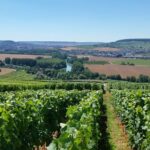
Verzy adds a scenic drive through UNESCO-classified landscapes of Champagne. The stop is brief, but it gives you visual context for what you tasted: hillside vineyards, village shapes, and the sense of place behind each bottle.
Even if you only get an hour here, a drive works well when you’re already in “taste and compare” mode. It helps your brain file the aromas under origin, not just under grape and brand.
Cathedrale Notre-Dame de Reims: the crowned-kings moment
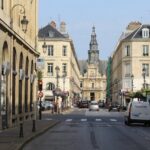
You’ll stop at the Cathedrale Notre-Dame de Reims, famous as the place where the kings of France were crowned over 1,000 years. This is a mental reset from wine focus, and it adds historical weight to the region.
Why it’s valuable: When you connect food and drink to place, the trip feels less like a tasting route and more like a real travel experience.
Day 3 Chardonnay focus and age comparisons: Beaumont-sur-Vesle, Verzenay, Hautvillers, Epernay
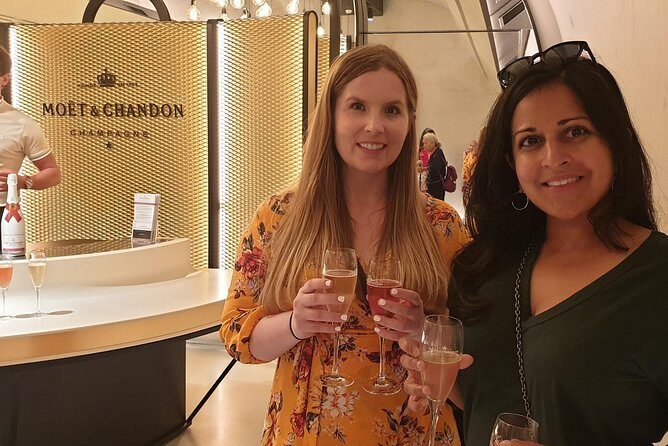
Day 3 tightens the science and the poetry of Champagne. You’ll compare styles and ages in a way that makes it easier to buy with confidence later.
Beaumont-sur-Vesle: Clos place and the Chardonnay vs Pinot Noir lesson
In Beaumont-sur-Vesle, you meet the winemaker behind one of the 10 best Chardonnay in the world (as positioned by the tour). You’ll learn what a Clos place is and why this “single place” concept matters, including that it produces only 1,800 bottles from that area.
The tasting plan here is smart: you’ll taste clear wines from oak barrels to feel the difference between Chardonnay and Pinot Noir. Then you taste exceptional Champagnes with the creator.
Why this is a high-value stop: Many Champagne tours talk about grapes but don’t train your nose. This one pushes you to experience the difference directly, using oak barrels and clear wines as the bridge.
Verzenay: retired winemaker and aromas from young to old
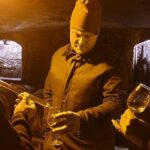
In Verzenay, you meet an oldschool retired winemaker who saved bottles throughout his work life. The focus here is on aromas: understanding the difference between young and old champagnes.
You’ll taste old vintage champagnes, including bottles up to 25 years old. This is where the Aromas theme stops being marketing and starts becoming real sensory learning.
If you want to understand Champagne buying, this is the day you’ll remember most. A decade changes everything in the glass.
Hautvillers: Dom Pérignon’s village break
Hautvillers gives you a quick 30-minute stop to enjoy the village of Dom Pérignon. It’s short, but it helps you connect Champagne history with the people who made it famous.
Avenue de Champagne in Epernay: a famous drive to close the loop
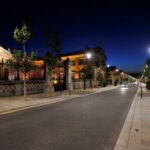
You end with a drive along the Avenue de Champagne in Epernay. At 30 minutes, it’s not a long wandering moment, but it’s a satisfying capstone: you’ve learned how Champagne is made, tasted, and aged, and now you see the street where much of the branding lives.
The tastings: how 21 pours teach your nose (not just your wallet)
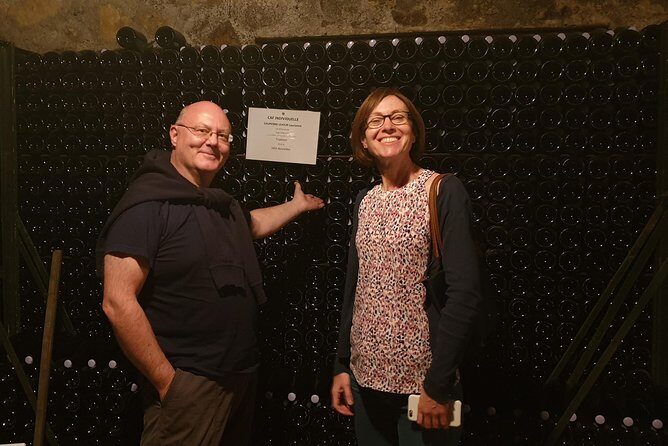
With 21 Champagne tastings spread over three days, you’ll come away with more than a buzz. You’ll build a mental map.
Here’s what the itinerary helps you learn:
- House style vs. grower style: Big houses give you a polished, consistent identity. Growers show you how individual choices and village conditions shift aromas.
- Young vs. old: Verzenay’s vintage focus trains you to notice how time moves flavors into new territory.
- Chardonnay vs. Pinot Noir: Beaumont-sur-Vesle uses a direct tasting approach to make the difference feel obvious, not theoretical.
- Grand Cru and Premier Cru impact: Sermiers and Rilly-la-Montagne make village comparison part of the trip, not an afterthought.
There’s also a useful intensity factor: because you taste so often, your palate gets better quickly. The tour design keeps repeating the tasting structure, but changes the inputs—so you’re not just tasting more, you’re tasting with purpose.
Transportation and meals: what’s included and what you’ll plan for
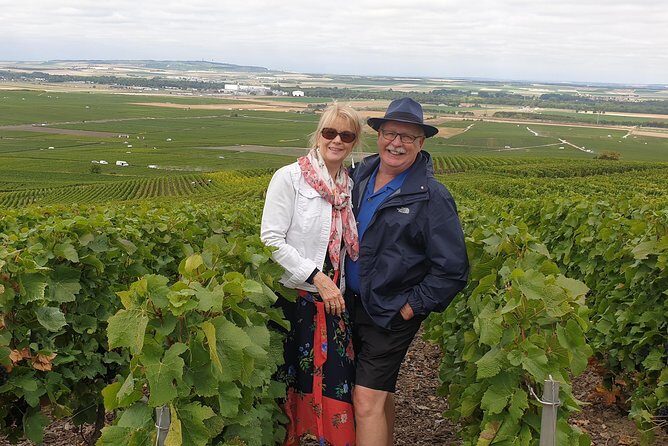
This tour includes private transportation plus pickup in Reims or Epernay. If you stay in Paris, you can commute to Reims in about 45 minutes by train, and then the tour picks you up directly at the station and drives you back at the end.
That matters because it saves time and mental energy. Champagne days can turn stressful fast when you’re coordinating rides between villages. Here, you can spend that brainpower on noticing aromas instead of managing logistics.
Food-wise, lunches are included (3). Drinks during lunch are extra, and dinners are not included. Accommodation isn’t included either. Plan your evenings around that. If you want a comfortable trip, pick lodging close to your return point in Reims or Epernay so you’re not rushing after a long day.
Price and value: is $2,969.14 per person a fair deal?
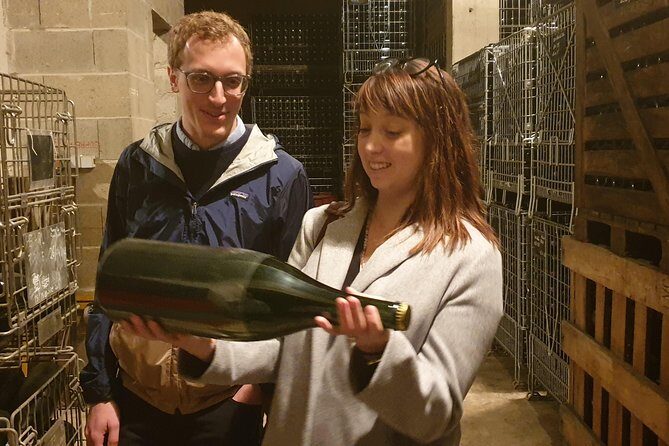
Let’s talk value, not just sticker shock.
At $2,969.14 per person, you’re paying for three things that add up in a real-world way:
- A private experience (your group only) with English offered.
- Private transportation plus pickup around Reims and Epernay, and timed drive access between stops.
- 21 tastings including structured tastings at major houses and more intimate sessions with winemakers.
You’re also getting lunch included three times, which offsets a piece of your food budget. The non-included items are clear: dinners, lunch drinks (extra), and accommodation.
So who wins at this price? People who want an insider-feeling route and who like learning through comparison. If your goal is simply to drink a few recognizable labels and take scenic photos, this might be more than you need. But if you want to come home with a sharper sense of what you like and why, the tastings and producer time are the heavy hitters.
Who this tour suits best (and who might prefer a lighter approach)
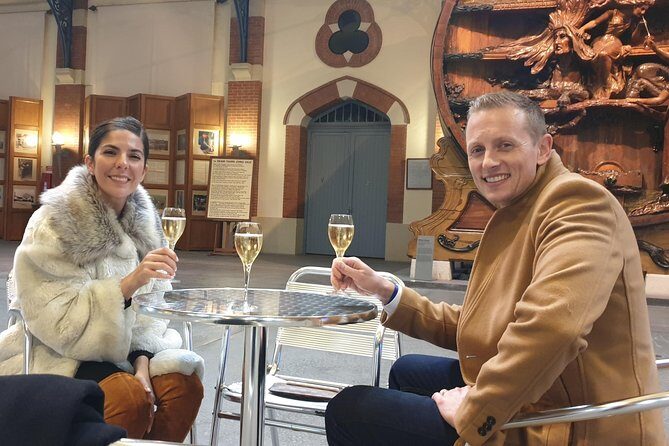
This is a great fit if you:
- enjoy structured tastings and want to compare styles across houses and growers
- like asking questions and getting explanations tied to what you’re smelling and tasting
- want to learn how age changes Champagne character
- prefer not to plan transport between Reims villages and Epernay stops
It may feel less ideal if you:
- want lots of unstructured free time each day
- only care about small producers and can’t stand house-brand showrooms
- have a tight budget for dinners and extra drinks during included lunches
One more note: the tour is private for your group, and that’s usually a big advantage. You won’t be squeezed into a one-size-fits-all rhythm.
Should you book the Aromas 3-day Champagne experience?
If you like Champagne and you want real learning, this is an easy yes to consider. The standout value is the mix of big houses, Grand Cru/Premier Cru villages, and age comparisons up to 25 years, all wrapped in a private, professionally paced route.
I’d book it if you’re celebrating something, traveling with wine-minded friends, or you just want one trip that teaches you how to taste with intent. You’ll come away with more confidence than you would from a half-day tour plus a few bottle purchases.
I’d hesitate only if you want a relaxed schedule or you’re determined to spend every moment with small growers and zero time on the major houses. In that case, you might want a more narrowly focused plan.
FAQ
How long is the Aromas Champagne experience?
The tour is 3 days (approx.).
Where does the tour take place?
It runs in the Champagne region, with stops around Reims and Epernay (France).
Are tastings included, and how many?
Yes. The tour includes 21 Champagne tastings.
Is pickup included, and where does it pick up?
Pickup is offered in any place in Reims or Epernay, including hotels and train stations. If you stay in Paris, you can commute to Reims by train, and the tour will pick you up directly to the station in Reims.
Are meals included?
Lunch is included for 3 days, but drinks during lunch are extra. Diners are not included.
Is this a private tour, and is it offered in English?
Yes. It is a private tour/activity, with only your group participating. It is offered in English.
What is the cancellation policy?
You can cancel up to 3 days in advance of the experience for a full refund. If you cancel less than 3 full days before the start time, the amount paid will not be refunded.
If you tell me your travel month and whether you prefer big houses, small growers, or an even split, I can suggest how to plan your evenings around the included lunch schedule.