REVIEW · REIMS
Reims: Veuve Clicquot Tasting Private Tour in Champagne
Book on GetYourGuide →Operated by Uncork Champagne Tours · Bookable on GetYourGuide
Champagne feels fancy, but this tour keeps it grounded in the actual sites. You get Veuve Clicquot in their 2000-year-old Roman mines and cellars, then a guided look at the 800-year-old Reims Cathedral of Notre-Dame—two big hitters that explain why this region matters. I also like that you’re not just tasting in the dark; you’ll get vineyard stop explanations and a second stop at a boutique producer where you taste three glasses.
One watch-out: lunch is on your own, so you’ll want to plan for a satisfying meal between tastings—otherwise the day can feel a bit like “snack and sip.”
In This Review
- What makes it worth your time
- Key moments that make this tour click
- How the day moves: Reims, cellars, cathedral, and vineyards
- Rilly-la-Montagne wine tasting: your warm-up for the day
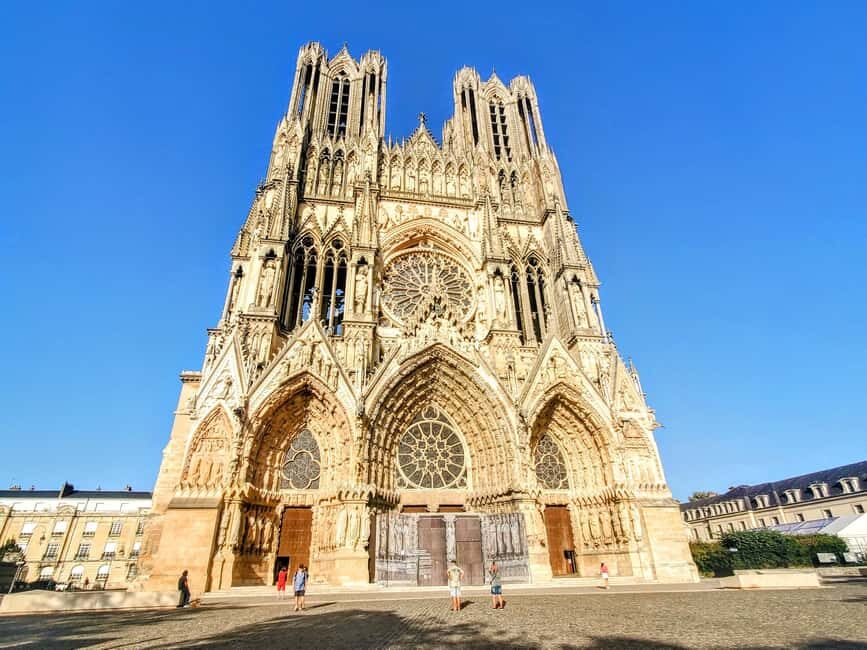
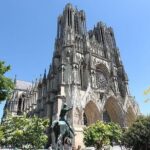
- Reims Cathedral of Notre-Dame: gothic drama in about 30 minutes
- Veuve Clicquot in the Roman mines: history you can almost touch
- Reims city tour: big Champagne names, real street-level perspective
- Vineyards and the boutique producer: where Champagne becomes personal
- Lunch strategy: pairing Champagne without ruining your palate
- Price and value: what $553 buys you in the real world
- Who should book this private Champagne and Reims Cathedral tour
- Should you book this tour?
- FAQ
- What is the duration of the tour?
- Where does the tour start?
- Is pickup included?
- What transportation is provided?
- What tastings are included?
- Is lunch included?
- How long is the cathedral visit?
- What languages are available for the guide?
- Is the tour wheelchair accessible?
- What rules should I know before going?
What makes it worth your time
This is a smooth private setup: pickup around Reims and Epernay, an air-conditioned van, and enough structured time to see the city and still get out into the vineyards. If your guide is a person like Raphael, the explanations tend to click fast, and you leave with a clearer sense of how Champagne’s made and why different styles taste different.
If you’re sensitive to stairs or tight cellars, you’ll want to ask in advance, since most Champagne Houses can be wheelchair-friendly but smaller producers may have steps.
Key moments that make this tour click
- Veuve Clicquot’s Roman mines: the setting does half the storytelling for you
- Notre-Dame of Reims: a short guided stop that still feels like a landmark visit
- Reims Champagne city tour: you’ll see major Champagne House names like Mumm, Krug, and Taittinger
- Vineyard villages and photos: quick picture stops with real context, not rushed sightseeing
- Boutique producer tasting: learn the process and taste 3 glasses of Champagne
- Private van time: you’re not stuck in a crowded group pace
You can also read our reviews of more food & drink experiences in Reims

How the day moves: Reims, cellars, cathedral, and vineyards
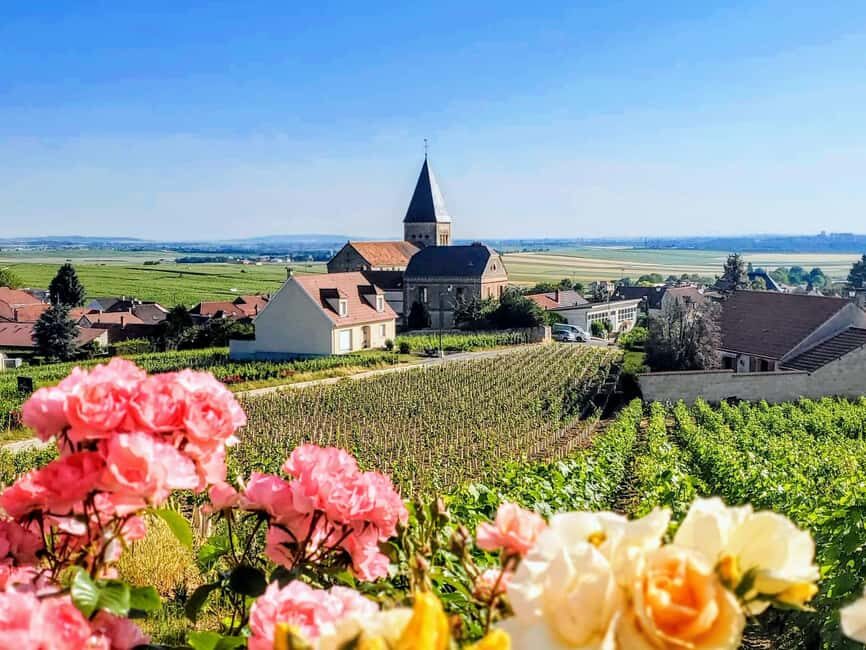
The tour is built around one simple idea: don’t cram. You’ll start with pickup in the Reims or Epernay area and settle into an air-conditioned private van for the transitions. The pace gives you time to switch gears—first Champagne tasting, then culture in the city, then countryside.
Expect a day that’s part tour, part tasting, and part “how-do-they-do-that” education. The schedule includes break time for lunch in Reims, a guided cathedral visit, and two Champagne tastings: one at Veuve Clicquot and another at a boutique producer.
This format works well if you want a proper Champagne intro without spending the whole day chasing addresses and reservation times on your own.
Rilly-la-Montagne wine tasting: your warm-up for the day
Before you hit Reims sites, you’ll head to Rilly-la-Montagne for a longer tasting block. This is a smart move. It gets you tasting early, so later visits to big-name cellars don’t feel like back-to-back sameness.
During this stretch, you’ll have time to slow down and learn what to pay attention to—how the wine looks in the glass, how the aromas shift, and what you should notice as you move from one pour to the next. It’s also the moment where many people start asking better questions, because you’ve already started connecting the classroom talk to what’s in front of you.
Practical note: you’ll be in a tasting rhythm, so keep water in mind. The tour includes bottled water, which helps you stay comfortable and keep your palate from getting overwhelmed.
Reims Cathedral of Notre-Dame: gothic drama in about 30 minutes
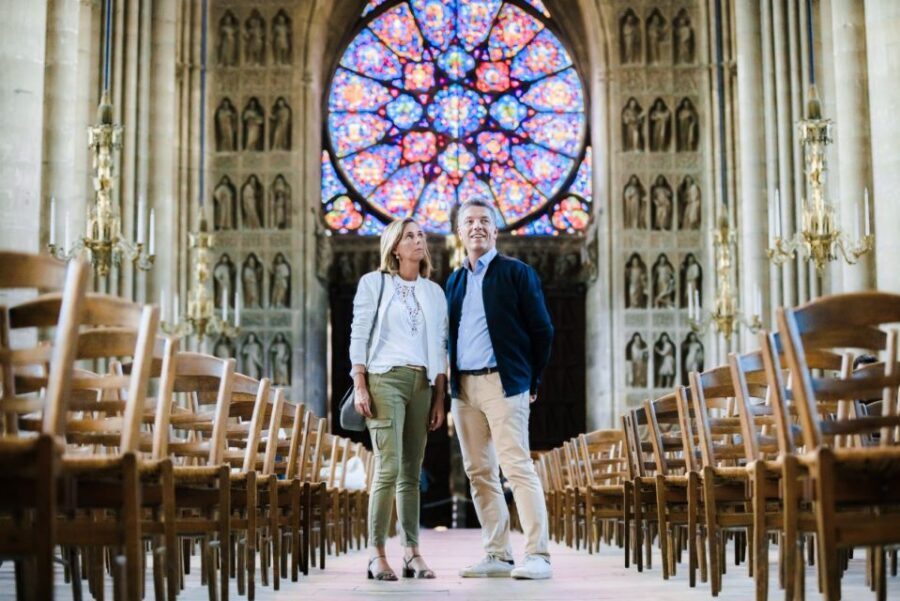
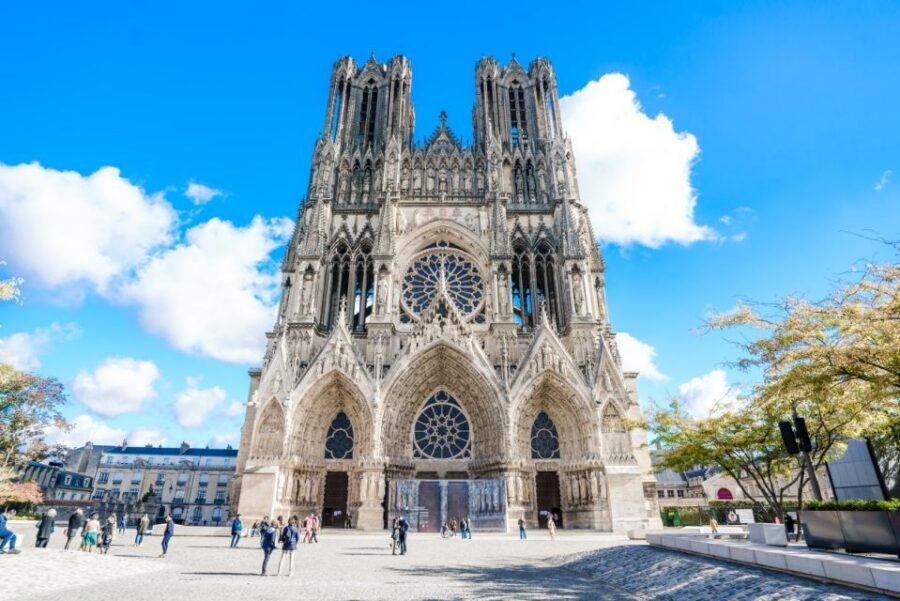
After lunch break time in Reims, the itinerary shifts to a guided visit of the Reims Cathedral of Notre-Dame, known for its dramatic gothic character and its famous place in the story of the city. Even with a guided segment of about 30 minutes, this stop is powerful because you’ll actually have context for what you’re looking at.
What I like about this kind of timing is that you’re not doing cathedral sightseeing at peak fatigue. You’ll have already been tasting and learning, so the guide’s explanations help reset your brain from “flavor notes” to “architecture, symbolism, and why this city matters.”
If you want great photos, plan to take a few right away—cathedral lighting and shadow patterns can change fast once you’re moving with the group.
Veuve Clicquot in the Roman mines: history you can almost touch
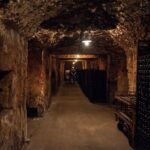
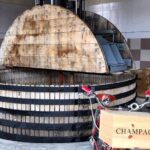
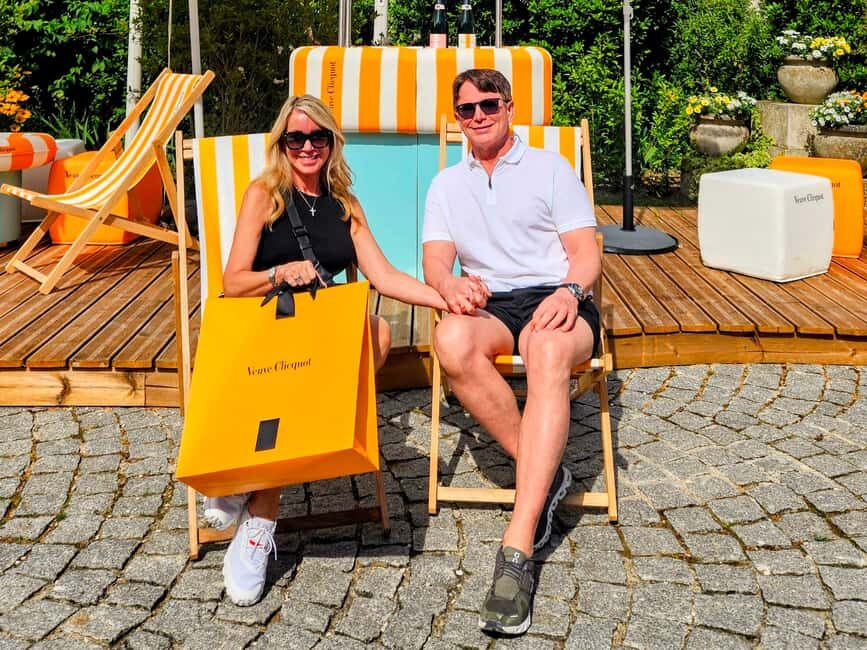
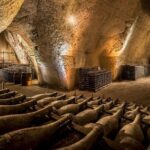
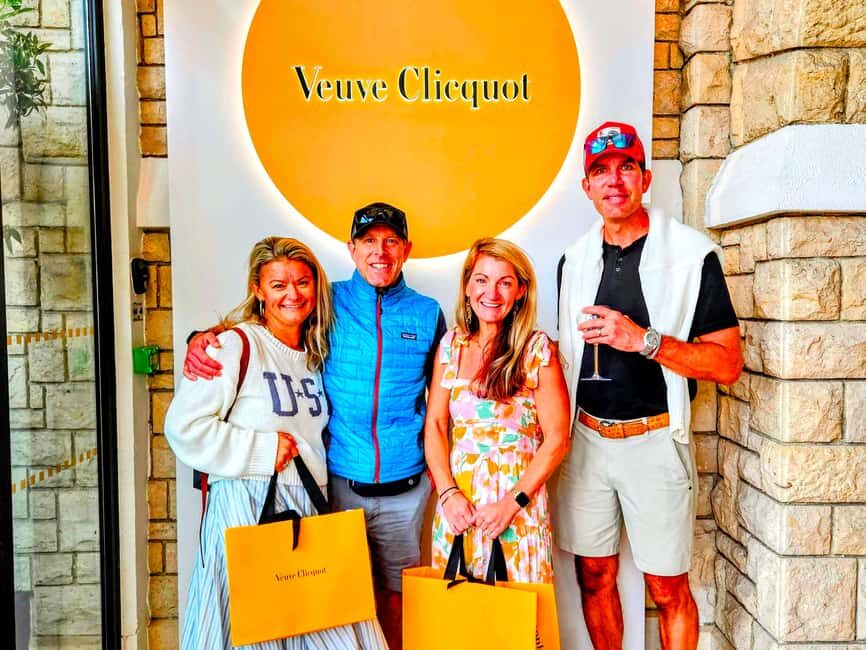
This is the star act of the day. You’ll visit the Veuve Clicquot Ponsardin Visitors Center, tour their world, and do a guided wine tasting that lasts about 75 minutes. The key detail here is the setting: the story of Madame Clicquot is told inside 2000-year-old roman mines, which makes the whole Champagne lesson feel physical, not just brochure-deep.
Here’s why that matters. When you taste Champagne in a place like this, it stops being a generic “sparkling wine” experience. You start thinking in terms of labor, patience, and infrastructure—what it takes to age wine for years, why cellar conditions matter, and how the brand’s story fits into the region’s identity.
The best part for most people is that you get time to taste and ask questions without rushing out the door. You’re given structure, but you’re not herded through so fast that you can’t notice the differences between styles.
If you’re planning on buying bottles, remember that cellars and tastings are temperature-controlled environments. Your bags and shopping timing are worth thinking through so you don’t end up carrying heavy purchases longer than you need to.
You can also read our reviews of more private tours in Reims




Reims city tour: big Champagne names, real street-level perspective
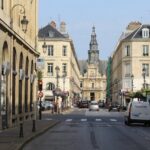
You’ll also get a Reims sightseeing segment—short, but purposeful. You’ll pass through the city’s Champagne-world atmosphere and get a tour that includes major Champagne Houses like Mümm, Krug, and Taittinger.
Even when you’re not going inside every company, seeing these names in their proper setting helps you connect branding to geography. You start to notice how Champagne is embedded into street life—through signage, architecture, and the way people talk about the region.
This part is especially good if you’re curious about how the Champagne industry shapes Reims beyond vineyards. Think of it as a map in motion: you’ll get the mental picture you’ll need for later independent exploring.
Vineyards and the boutique producer: where Champagne becomes personal
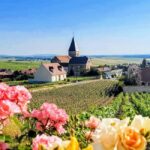
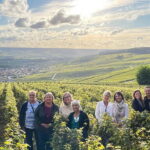
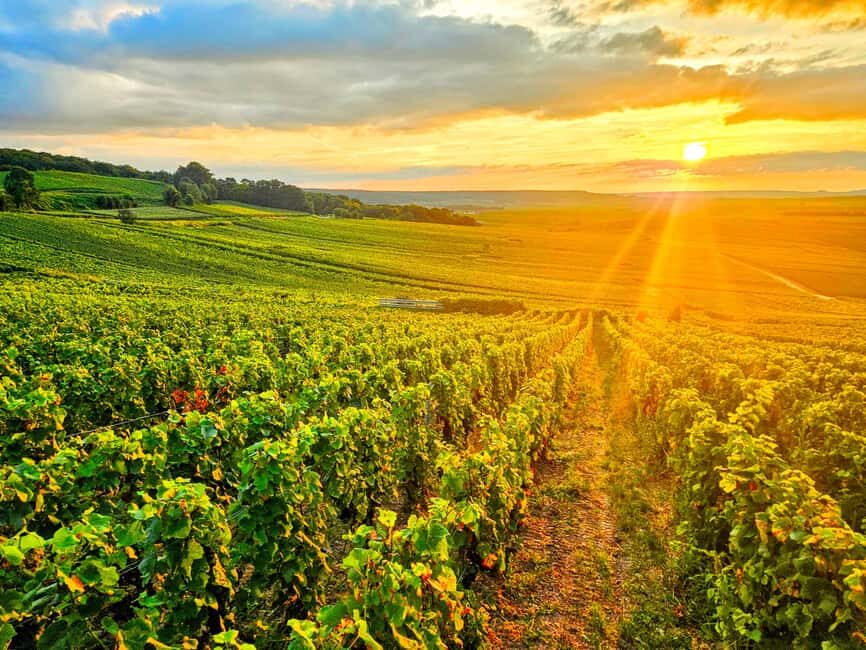
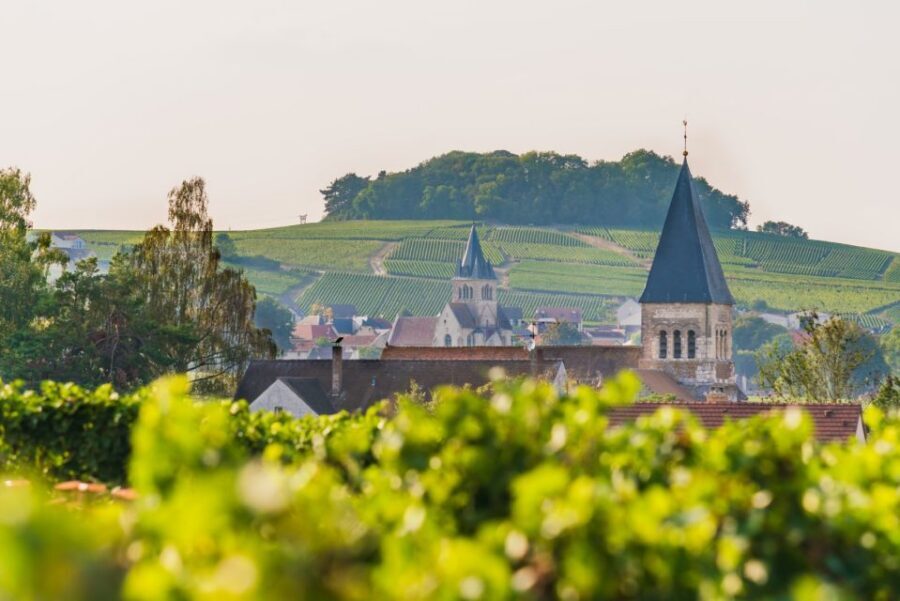
After your lunch break and cathedral time, you’ll head into the countryside. You’ll see villages surrounded by vineyards, with explanations and time for pictures. This is where Champagne goes from “a product” to “a landscape”—you’ll understand why growers, soil, and microclimates matter even before you hear too many technical terms.
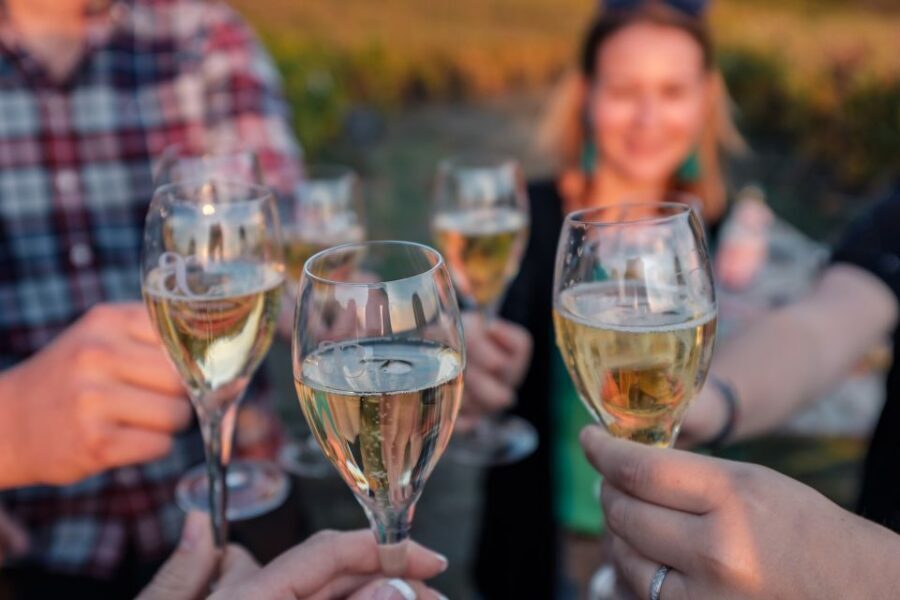
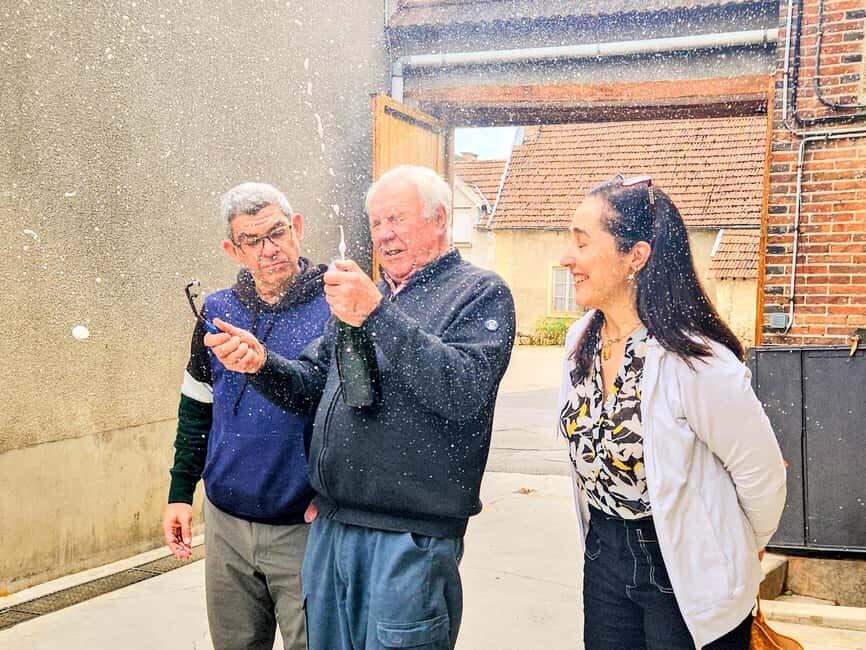
Then comes the boutique producer stop. You’ll visit a smaller Champagne maker, learn how Champagne is made, and do a tasting of three glasses. Small-producer tastings can be more intimate and often feel less scripted than the biggest Houses, because there’s more room for questions and for learning what makes their approach different.
One consideration: wheelchair access can vary at small producers, especially if there are stairs into cellars. If you need step-free access, you should tell the operator up front so they can guide you to the right spaces.
Lunch strategy: pairing Champagne without ruining your palate
Lunch is not included, but your guide will suggest places around Reims. That’s useful—this is one of those tours where “where should I eat” can be harder than it sounds, especially if you’ve already got a fixed tasting schedule.
Here’s how to make lunch work for you:
- Choose something you actually like, not what sounds good on a menu screenshot.
- Go for a meal that gives you protein and something savory so your Champagne tasting later feels balanced.
- Order with pairing in mind, even if you don’t know the science. A lot of Champagne tastes easier with food that has salt, fat, or acidity rather than very sweet flavors.
Also, since pets aren’t allowed and food isn’t allowed in the vehicle, plan to use your break time fully. This is your reset and re-fuel window.
Price and value: what $553 buys you in the real world
At $553 per person for about 8 hours, you’re paying for three big things: private transportation, structured access to two tasting experiences, and guided time at a major cultural site.
If you’ve tried to cobble together a Champagne day on your own, you’ll know how quickly costs add up:
- taxis or trains between spots,
- separate guided tastings,
- entry tickets you need to book correctly,
- and the stress of timing everything.
Here, the value is in the workflow. You’re not spending your day coordinating. The van, pickup in the Reims/Epernay area, bottled water, and admission to Veuve Clicquot and the boutique producer take a lot of friction off your schedule.
The price is higher than a basic group tasting, but the private-group format usually makes it feel less rushed and more personal—especially during the cathedral stop and the tastings.
Who should book this private Champagne and Reims Cathedral tour
This tour is a great fit if you:
- want a classic Reims + Champagne intro without bouncing around on your own,
- prefer a private van pace instead of a big group shuffle,
- enjoy guided tastings where you can ask questions,
- and like mixing culture with a food and wine day.
It’s also a strong choice for couples and small groups who want one day that feels “complete” rather than “just Champagne.”
If you’re traveling with mobility needs, tell the operator about access needs ahead of time, because large Champagne Houses may handle accessibility well while smaller producers might have stairs.
Should you book this tour?
In my view, this is an easy yes if you want both Champagne and Reims history, and you like having your day handled for you. The Veuve Clicquot setting in the Roman mines is worth it alone, and the combination with Notre-Dame plus a countryside boutique tasting gives you variety without constant logistical stress.
I’d book it if:
- you care about guided context, not just drinking,
- you want two tasting moments (big House plus small producer),
- and you’re okay planning lunch on your own.
I’d hesitate only if you strongly dislike tastings or you know you need strict step-free access for cellar areas—then you should verify producer-specific access before committing.
FAQ
What is the duration of the tour?
The tour lasts about 8 hours.
Where does the tour start?
The tour starts around Reims and Epernay, not in Paris.
Is pickup included?
Yes. Pickup is included at your hotel or train station around Reims and Epernay, with an extra fee possible if your pickup point is more than 30 minutes from Reims (up to 1 hour).
What transportation is provided?
You’ll travel in an air-conditioned private van, with bottled water provided.
What tastings are included?
You’ll visit Veuve Clicquot with a guided tasting, and you’ll also visit a boutique Champagne producer for a tasting of three glasses.
Is lunch included?
No. Lunch is not included, but your guide will suggest good restaurants around Reims.
How long is the cathedral visit?
The guided tour of Reims Cathedral of Notre-Dame is about 30 minutes.
What languages are available for the guide?
The live tour guide is available in English, French, Spanish, and Portuguese.
Is the tour wheelchair accessible?
The tour is wheelchair accessible, but some smaller producers may have stairs into cellars. It’s best to advise about accessibility needs ahead of time.
What rules should I know before going?
Pets are not allowed. Smoking in the vehicle is not allowed. Food is not allowed in the vehicle.