REVIEW · PARIS
Authentic Moroccan Dinner & Cooking Workshop in Paris
Book on Viator →Bookable on Viator
Want Morocco without leaving Paris? That’s the real appeal of this small-group Moroccan dinner and cooking workshop in Paris. You get a home-style 3-course Moroccan meal with wine, then you roll up your sleeves and learn a classic pastry—sweet almond and honey briouates—to take home.
I love that the group is capped at just three people, so the evening doesn’t feel like you’re watching from the sidelines. I also like that Selma, your Moroccan culinary host, explains what’s behind the flavors—how spices, dough, and technique connect—so you leave knowing more than just what to eat.
One thing to think about: you’ll be eating at someone’s home and serving includes wine, so share any food restrictions up front (allergies and special diets), and plan your night around the 7:30 pm start for a full 3.5 hours.
Key highlights at a glance
- Small group of up to three for an intimate, question-friendly evening
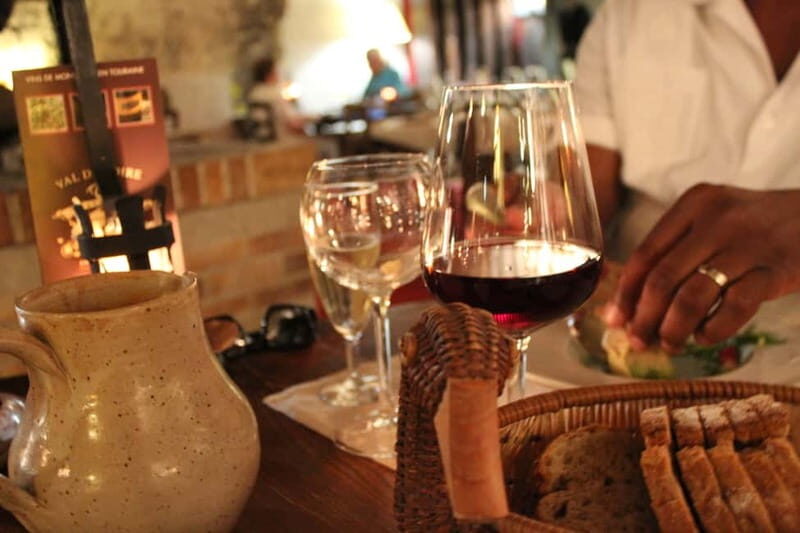
- 3-course Moroccan dinner at a local home in Paris, with wine included
- 30–45 minute briouates session, hands-on with sweet almond and honey pastry
- You take home a small box of the briouates you make
- Dessert + mint tea to finish the meal the Moroccan way
- Vegetarian option available if you request it when booking
In This Review
- Morocco in Paris starts with Selma’s kitchen rhythm
- The 3-course Moroccan dinner with wine: why it’s better than a restaurant meal
- Briouates in your hands: sweet almond and honey pastry to take home
- Dessert and mint tea: finishing the meal the Moroccan way
- Why this group size of three makes the whole experience work
- Vegetarian options: what’s covered and how to handle it
- Wine is included, but plan around the rule
- Meeting point near Rue de la Py: timing tips for an easy arrival
- Price and value: what $160.42 buys you here
- Who should book this Moroccan dinner workshop in Paris
- Practical guidance before you go
- Should you book it?
- FAQ
- What time does the experience start?
- How long does the Moroccan dinner and cooking workshop last?
- How many people are in the group?
- Where does the experience meet in Paris?
- Is the activity in a restaurant or at a home?
- What food is included in the price?
- Is wine included?
- Can I get a vegetarian option?
- Do I get to take anything home?
- Is tipping included in the price?
Morocco in Paris starts with Selma’s kitchen rhythm
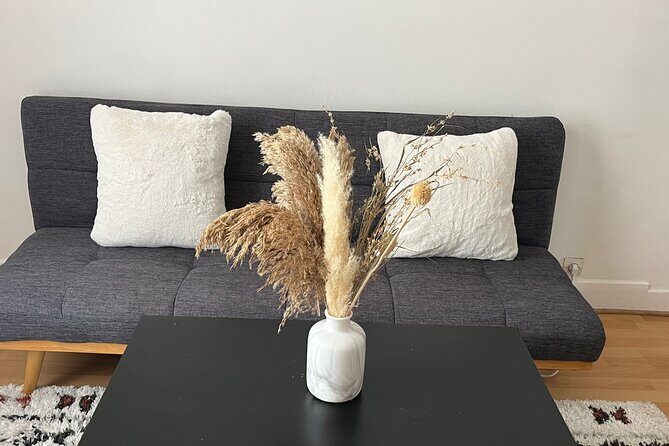
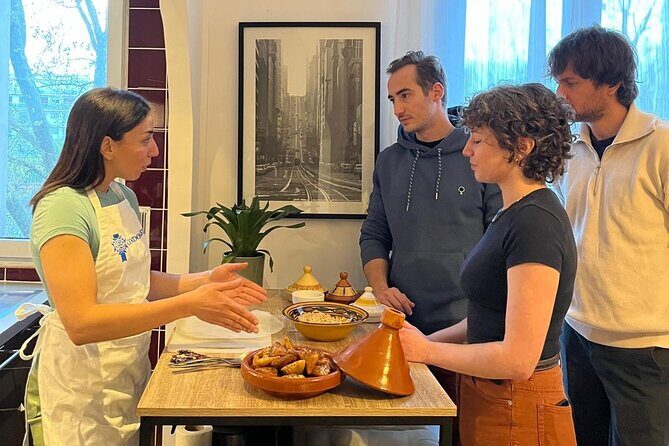
Paris can be full of “food experiences” that feel more like a show than a meal. This one feels more like a real dinner at a real home—because it is. You start at Selma’s place in the 20th arrondissement area (Rue de la Py), and from there the night follows a warm, practical flow: eat first, then learn, then finish with something sweet.
Selma is the center of it all. She’s Moroccan, and you can feel that in how she talks about the dishes—where the ideas come from, what spices are doing, and why certain techniques matter. It’s the kind of storytelling that doesn’t just sound nice. It helps you understand what you’re tasting.
The 3-course format is also a smart choice. You’re not trying to squeeze “every Moroccan dish ever” into one evening. Instead, you get a starter, a main course, and a dessert, and then you build one extra skill: making briouates.
The 3-course Moroccan dinner with wine: why it’s better than a restaurant meal
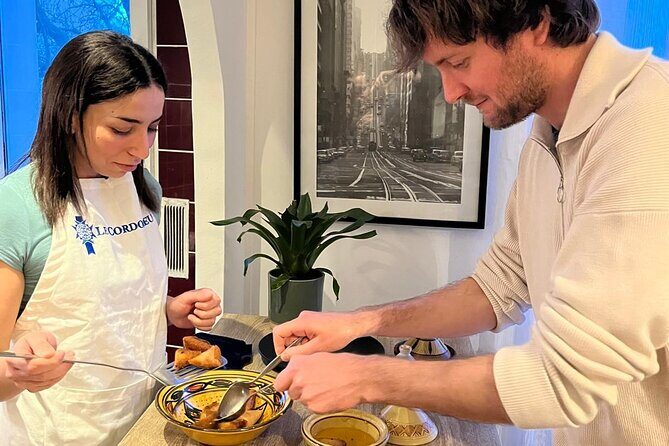
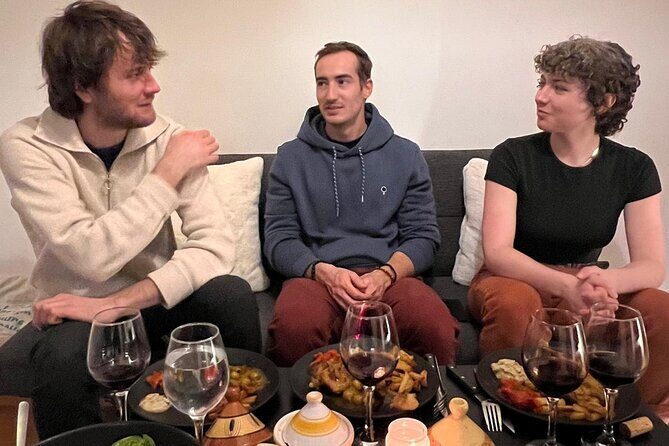
This isn’t just dinner on a plate. The point is that you’ll eat an authentic, home-cooked Moroccan meal, and you’ll learn as you go. The meal includes wine, with the standard rule that guests under 18 can’t consume alcohol.
Here’s what this means for you in plain terms:
- You’ll sit down and enjoy a real starter + main + dessert sequence, not random bites.
- You’ll get explanations about each dish while you’re eating, so you’re not stuck guessing what you’re tasting.
- The wine is included, which makes the evening feel more complete—especially since this is a structured workshop, not a grab-and-go meal.
If you’re the type who orders the “mystery entrée” at restaurants and hopes for the best, this format is more satisfying. You can connect the spices and textures to a story. And if you’re trying to understand Moroccan cuisine beyond tagines and mint tea stereotypes, the dish-by-dish talk helps a lot.
One practical note: because it’s a home setting, the evening will feel more relaxed and personal than a busy restaurant. That’s a plus—just don’t treat it like a fast in-and-out meal between two subway stops.
You can also read our reviews of more cooking classes in Paris
Briouates in your hands: sweet almond and honey pastry to take home
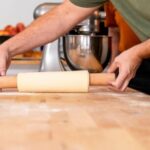
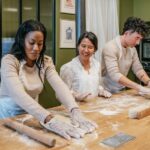
After dinner, the night shifts from eating to making. You get a 30–45 minute cooking session focused on traditional Moroccan briouates. The pastry is described as sweet almond and honey briouates, and you’ll learn to craft them yourself.
Then comes the part I really like: you take home a small box of what you make. That’s not just a souvenir. It’s a way to remember the textures, sweetness, and the technique once you’re back in your own kitchen.
A small-group lesson makes a difference here. With only up to three travelers, you’re more likely to get direct help if you’re unsure about a folding step or how to handle the dough. In a larger class, you can end up waiting your turn. In a class this size, you’re usually actively involved.
Also, because the session is time-bounded (30–45 minutes), it’s beginner-friendly. You’re learning one focused skill rather than being pressured to master five complicated methods before the lights go out.
Dessert and mint tea: finishing the meal the Moroccan way
Moroccan desserts tend to be lighter than you expect, but still sweet in a very specific way—more about balance than sugar overload. In this experience, you’ll learn how to make a traditional Moroccan dessert, and you’ll enjoy it with mint tea.
Even if you don’t eat tea-based desserts at home often, this part helps connect everything. The evening isn’t just “here’s pastry.” It’s “here’s how sweetness fits into the bigger meal.” Mint tea also shows up in Moroccan hospitality in general, so pairing it with dessert gives you a fuller cultural picture without requiring you to read a book first.
If you like cooking classes where the food has a clear purpose—starter leads to main leads to dessert, and the lesson supports that sequence—you’ll enjoy this flow.
Why this group size of three makes the whole experience work
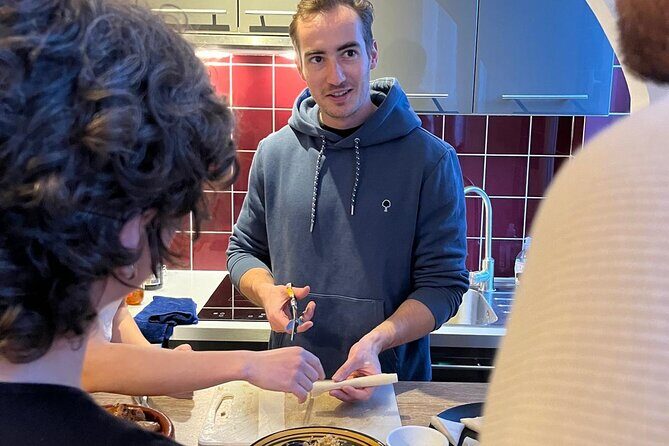
Up to three travelers doesn’t sound like a big detail until you’re in the moment. Then it becomes everything.
With such a small group, you get:
- more back-and-forth with Selma
- less waiting around
- a calmer pace while you’re eating and cooking
This matters especially for a hands-on pastry workshop. Briouates involve technique—shaping, folding, and getting the sweet filling right. When you’re learning, time feels shorter if someone can quickly spot what you’re doing and explain the fix.
It also changes the vibe. Instead of sitting beside strangers, you’re basically sharing a small evening with people who wanted the same kind of food learning. The atmosphere stays personal, not performance-y.
Vegetarian options: what’s covered and how to handle it
A vegetarian option is available upon request. That’s a big deal, because in Moroccan cuisine many dishes can be adapted—but not every kitchen can or wants to wing it at the last minute.
So if you’re vegetarian (or have a special diet), message your needs during booking. The experience specifically notes that you should communicate food restrictions, including allergies and special diets.
This is also where you should be extra clear about what you can and can’t eat. The more details you give, the easier it is for the host to plan the meal safely and well. Since this happens in a home kitchen, it’s especially important that you don’t assume “they’ll figure it out.”
You can also read our reviews of more tours and experiences in Paris


Wine is included, but plan around the rule
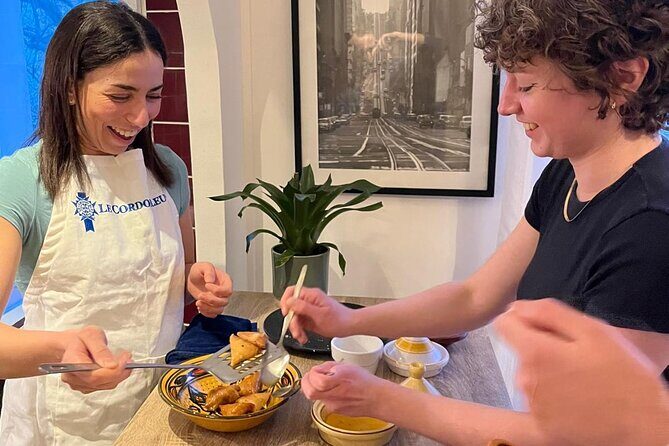
Wine is included, with the age restriction: those under 18 can’t consume alcohol.
If you’re an adult and you want the wine pairing, great—it’s built into the experience. If you don’t drink, the data doesn’t specify alternatives, so you’ll want to clarify that when booking if that’s relevant for you.
Either way, treat this as an evening where you’ll be eating slowly and learning. If you’re counting calories or planning a late-night show right after, schedule buffer time. You start at 7:30 pm, and the experience runs about 3 hours 30 minutes.
Meeting point near Rue de la Py: timing tips for an easy arrival
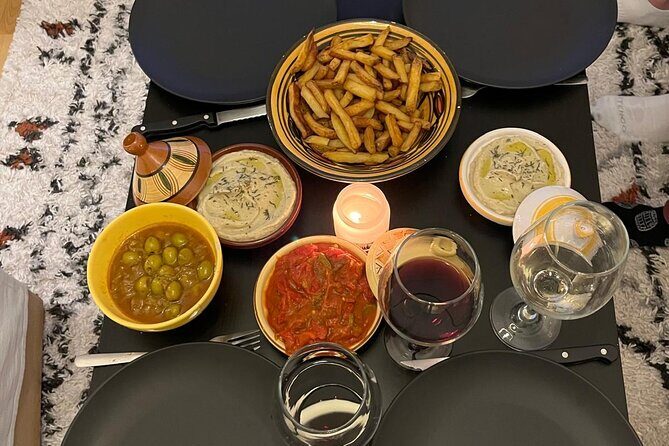
Your start point is Rue de la Py, 75020 Paris, and the activity ends back at the meeting point. It starts at 7:30 pm, and you’ll be done after roughly 3.5 hours.
Since it’s near public transportation, you’ll likely be able to get there without a taxi. I’d still recommend giving yourself extra walking time. Home-hosted dinners can be easy to miss if you arrive exactly on the minute and the street is busy.
Bring the mobile ticket on your phone. The experience uses a mobile ticket, and confirmation is received at booking.
Price and value: what $160.42 buys you here
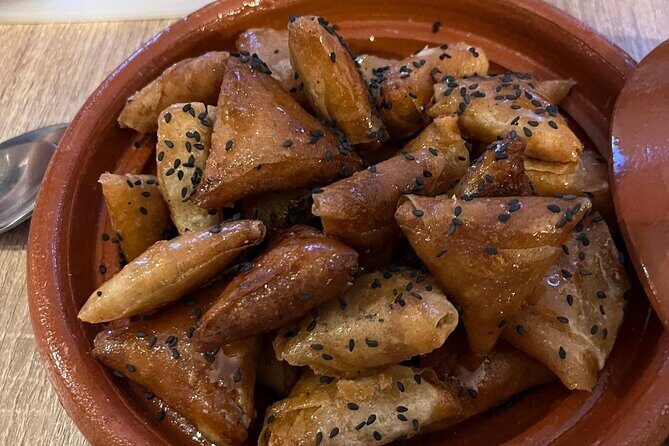
At about $160.42 per person, this isn’t a “cheap meal.” But it also isn’t overpriced in a way that ignores what’s happening.
You’re paying for:
- a home-cooked Moroccan 3-course dinner
- wine included
- instruction tied directly to what you’re eating
- a hands-on cooking session for briouates
- ingredients and kitchen time
- and the fact that you take home what you make
In other words, the cost covers more than food. It covers a host opening their home, a guided culinary lesson, and a structured evening that ends with edible souvenirs.
If you’re the kind of traveler who likes to spend money on moments you’ll still remember two months later, this fits that style well. If you’re only looking for dinner and don’t care about cooking or explanations, it may feel expensive compared to a normal Moroccan meal in Paris.
Who should book this Moroccan dinner workshop in Paris
This experience is a strong match if you:
- want Moroccan food learning in a small group
- prefer hands-on cooking over watching
- like meal formats where you eat and learn in the same evening
- want a vegetarian option and can request it ahead of time
- enjoy hearing personal stories tied to cooking (Selma’s explanations and host stories add a lot here)
It’s also ideal for couples or friends who want something warmer than a big group tour. With the cap at three people, it naturally stays more conversational.
Practical guidance before you go
Here are a few smart moves that help you get the best night:
- Send dietary needs early. Mention allergies and special diets at booking. Don’t wait.
- Arrive on time. With a 7:30 pm start and a full 3.5 hours, being late changes the pace.
- Use your questions. This is small-group cooking, so ask about spice blends, dough texture, or how she decides sweetness levels.
- Plan your next hours. You’ll be full after dinner and dessert, and you may have wine included.
And yes, it’s worth looking forward to the part where you make pastries. Folding and shaping briouates can be fiddly, but that’s also why it feels satisfying.
Should you book it?
If you want a Moroccan meal you can actually understand—and not just taste—this is a good choice. The small group size, the home dinner, and the hands-on briouates lesson make the evening feel personal and useful. Add in the mint tea dessert and the fact that you take home what you made, and you’ve got more than a one-time dinner.
Skip it only if you mainly want a quick sit-down meal with no interest in cooking, or if you can’t clearly share dietary restrictions in advance.
If your idea of a great Paris night includes learning a skill at someone’s kitchen table, book it and bring your appetite.
FAQ
What time does the experience start?
It starts at 7:30 pm.
How long does the Moroccan dinner and cooking workshop last?
The duration is about 3 hours 30 minutes.
How many people are in the group?
The experience is capped at a maximum of 3 travelers.
Where does the experience meet in Paris?
The meeting point is Rue de la Py, 75020 Paris, France.
Is the activity in a restaurant or at a home?
It takes place at your host’s residence for the dinner.
What food is included in the price?
You’ll have an authentic 3-course Moroccan dinner and you’ll learn to make a traditional Moroccan dessert.
Is wine included?
Yes, alcoholic beverages are included, and those under 18 are not allowed to consume alcohol.
Can I get a vegetarian option?
Yes. A vegetarian option is available upon request.
Do I get to take anything home?
Yes. You’ll learn to make sweet almond and honey briouates and take home a small box.
Is tipping included in the price?
No, tips are not included.