REVIEW · PARIS
Bateaux Mouches Sightseeing Cruise on the Seine River in Paris
Book on Viator →Operated by Compagnie des Bateaux-Mouches · Bookable on Viator
Paris looks different from water.
A Seine cruise like this one is interesting because it turns driving and walking time into sightseeing time. You get broad views of landmark buildings in a straight line, so you can get your bearings fast for the rest of your trip. I love that it’s timed to your day with lots of departure options, and that you’re riding above the stress of traffic and sidewalk crush.
Two things I really like: the two-deck setup (inside for comfort, rooftop for photos) and the fact that you can board without locking into a single strict departure time. One thing to consider: sound quality can be hit-or-miss, especially if you choose the wrong deck or the boat is loud.
In This Review
- Key points before you go
- Price and timing that actually make sense
- From Port de la Conférence: the pier setup (and how to avoid stress)
- Picking the deck: comfort vs. the Eiffel Tower view
- Place de la Concorde: a square that has seen it all
- The Louvre from the Seine: glass pyramid views
- Hôtel de Ville and the Conciergerie: City Hall and the Revolution prison
- Île de la Cité and Notre-Dame: medieval Paris at river level
- Île Saint-Louis and Pont Neuf: calmer streets and the Vert Galant
- Musée d’Orsay and Les Invalides: Impressionists and Napoleon’s dome
- Eiffel Tower at cruise height: your finishing shot
- Small but important practical tips (so you enjoy the whole ride)
- Who this cruise suits best
- Should you book Bateaux Mouches on the Seine?
- FAQ
- Are there toilets on board the boats?
- Does the cruise stop at points along the way?
- Do I need to book a specific time slot?
- Is it possible to reserve a seat?
- Can I buy snacks or drinks on board?
- Can I cancel for a full refund?
Key points before you go
- 70 minutes on the Seine gives you a tight highlight reel of central Paris without exhausting walking
- Two decks let you trade comfort for skyline photos (and you’ll feel the cold on top)
- Frequent departures run from morning into evening, so you can pick the light and timing you want
- English commentary is offered, but volume and clarity can vary in real life
- Easy overview for first-timers who want to plan museum and walking routes afterward
- Crowds can build at the pier, and lines and boarding flow can take time
Price and timing that actually make sense
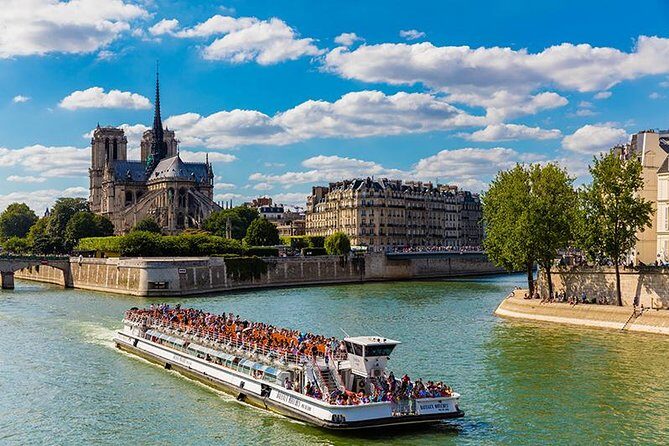
At about $20.40 per person for a roughly 70-minute cruise, this is one of those Paris “cheap thrills” that feels smarter than it looks at first glance. You’re paying for speed and perspective: you see a long stretch of the river while staying seated, and you’re not trapped in the “wait, walk, wait again” rhythm of transfers.
Departures run daily from 10:00 AM to 9:00 PM, with boats leaving about every 30–45 minutes. That matters because it lets you choose your moment—morning light for calmer photos, or evening timing if you want the Eiffel Tower moment. And you don’t need to pick one exact slot in advance; the ticket works for a date and time you choose.
The cruise also runs in the river’s historical core. That keeps expectations realistic: you won’t get everything across Paris, but you will get the sights people come to Paris for.
You can also read our reviews of more boat tours in Paris

From Port de la Conférence: the pier setup (and how to avoid stress)
Your cruise starts at Port de la Conférence in the 8th arrondissement (near the Pont de l’Alma). The good news is that this is a straightforward location to reach with public transportation, and the boats include basics that keep the trip smooth: a restroom on board and access designed for people with reduced mobility and pushchairs.
Still, the pier can get busy. On peak evenings, boarding lines can feel long, and voucher/ticket exchange can add a step at the desk. My practical advice: arrive with extra time, especially if you’re going in the late afternoon or holiday season. If you have any mobility limits or you’re traveling with a stroller, give yourself a bigger buffer so you’re not negotiating crowds at the exact moment you want to board.
A small planning note: there are no intermediate stops. This is a true “ride it straight through” cruise. You’ll start and end back at the same meeting point.
Picking the deck: comfort vs. the Eiffel Tower view
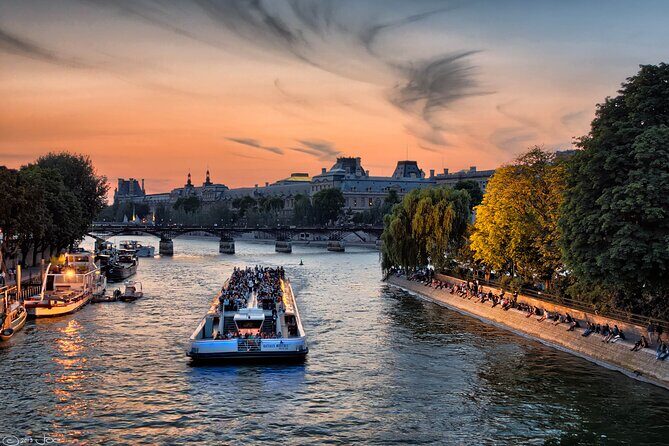
You get two options: inside and rooftop. If you want a calmer ride and better shelter from wind, choose inside. If you want skyline photos and a more open feeling, go rooftop—but bring a warm layer in cooler months. Cold air hits harder on the Seine than you expect, and wind makes it feel extra sharp.
Here’s the trade-off that matters most: hearing the narration. Many passengers rely on the audio, but a couple of things can limit what you catch—crowd noise, wind, and whether the sound system works well where you’re sitting. The most dependable setup is to be where the sound carries best, which tends to be inside or wherever the speakers are loudest. If you know you struggle with hearing in noisy spaces, consider earplugs. It’s an easy fix and makes the cruise more enjoyable.
Place de la Concorde: a square that has seen it all
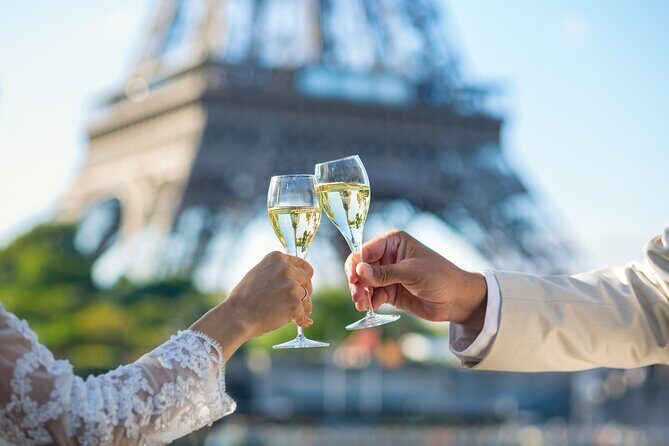
This cruise passes Place de la Concorde, a royal square designed in the 18th century. What makes it memorable is the contrast: in 1792, the square was the site of a guillotine, and thousands of victims were executed there. Then, in 1836, King Louis Philippe installed the obelisk, a gift from Egypt.
From the water, it’s less about reading every detail and more about seeing the scale: you get the sense of how this central square anchors the city. If you like history, the quick storyline helps you connect what you see now to what the place once meant.
The Louvre from the Seine: glass pyramid views
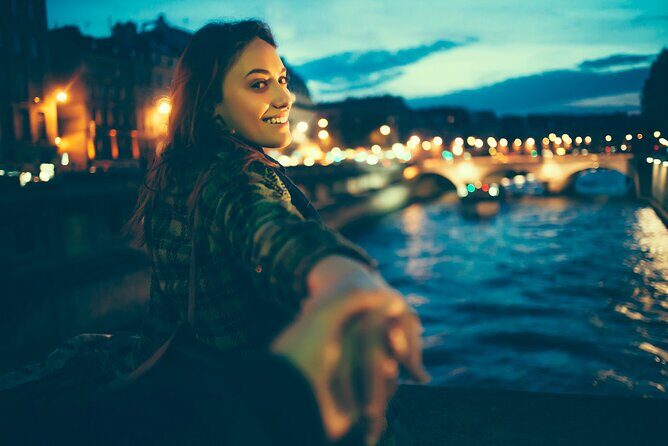
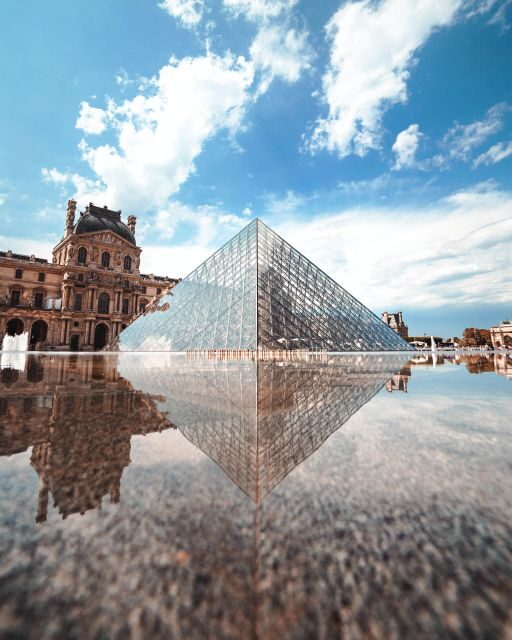
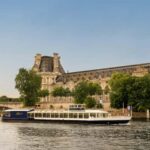
Next up is the Louvre, which started as a stronghold in the 13th century, grew into a royal residence, and became a museum in 1793. From the river, you get a clean view of how the museum sits at the center of the city’s visual axis.
You’ll also hear about the glass pyramid, designed by Ieoh Ming Pei. The pyramid is the Louvre’s modern entry point, but seeing it from the water gives it a different feeling—less like an architectural headline, more like a functional landmark you’ll recognize immediately later if you visit the museum.
If you want to use the cruise as a planning tool, this is a good moment to decide: will you do the Louvre in your trip, and if yes, what day and which wing? The river view helps you understand where everything is relative to the rest of central Paris.

Hôtel de Ville and the Conciergerie: City Hall and the Revolution prison
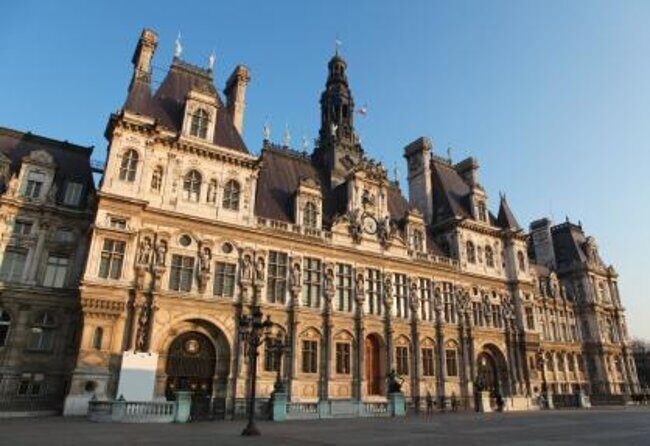
The boat then passes the Hôtel de Ville, built in neo-Renaissance style and rebuilt in the 19th century after it burned during the Commune rule in 1871. Today it serves as Paris City Hall. Watching this building from the river makes it easier to grasp where civic power sits in the city’s layout.
Nearby is the Conciergerie, which began as part of the early French royal palace and later became a prison during the French Revolution. Even if you don’t plan a prison-history deep dive, this stop is a strong reminder that the river isn’t just a pretty backdrop—it’s a working corridor through centuries of politics.
From a passenger perspective, these two landmarks also help you. They add variety beyond the mega-attractions. You see the city functioning, not only posing for postcards.
Île de la Cité and Notre-Dame: medieval Paris at river level
This is where the cruise really brings the classic postcard view into focus. You’ll pass Île de la Cité, described as the cradle of Paris, where the earliest inhabitants, the Parisii, settled in the 3rd century BC.
Then comes Notre-Dame, a jewel of Gothic architecture. Construction began in 1163 and finished in 1350, and it’s strongly associated with Victor Hugo’s The Hunchback of Notre-Dame. The famous restoration is tied to architect Viollet-Le-Duc in the 19th century.
From the boat, Notre-Dame doesn’t feel distant the way it can on foot. You’re seeing it from an angle that makes it look tall and solid, like it’s anchored to the water’s edge. If you’re hoping to understand what makes the cathedral so visually dominant, this cruise gives you an instant answer.
One small reality check: you won’t see every detail up close. Think of this as orientation. If you want the close-up beauty—stone carvings, tower shapes, the feel of being under the structure—you’ll still want a separate walk afterward.
Île Saint-Louis and Pont Neuf: calmer streets and the Vert Galant
After Notre-Dame, the boat glides past Île Saint-Louis, which used to be île aux vaches (cow’s island). Today, it’s known for its beautiful 16th and 17th century houses, largely associated with architect Le Vau. From the Seine, this island reads like a quieter counterpart to the larger action around Île de la Cité.
Then you reach Pont Neuf, the oldest stone bridge in Paris, opened in 1606. At the center is the equestrian statue of King Henri IV, nicknamed Vert Galant—The Green Gallant—linked to his reputation for many relationships.
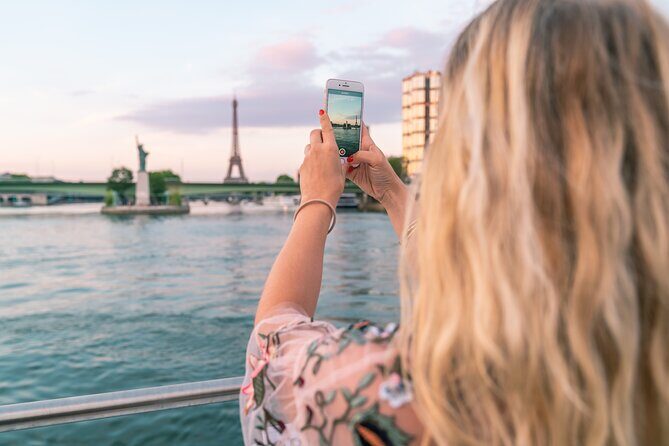
This part of the cruise is useful if you like photo variety. Pont Neuf gives you classic framing and a sense of the river’s flow. It’s also a nice mental reset before the big architectural hits ahead.
Musée d’Orsay and Les Invalides: Impressionists and Napoleon’s dome
One of the best “Paris rewards” on this itinerary is seeing Musée d’Orsay. It used to be a railway station built in 1900, and it now houses art, especially Impressionists. From the Seine, the building feels like both past and present—industrial bones turned museum space.
Next you pass Les Invalides, recognizable by its gold dome. Originally it was a hospital for war wounded during the reign of Louis XIV. It now includes the tomb of Napoleon I and the Musée de l’Armée (Military Museum).
What I like about this stretch is pacing. You go from religious architecture to civic spaces, then to art and military memory. It’s a reminder that the river corridor holds multiple themes, not only monuments.
If you want to build a smart second-day plan, take note here:
- If you care about art but don’t want a full-day museum, Musée d’Orsay is an obvious target.
- If you’re the type who always ends up in Napoleon-related sites, Les Invalides belongs high on your list.
Eiffel Tower at cruise height: your finishing shot
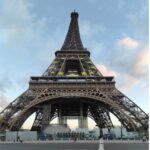
The final major landmark is the Eiffel Tower, designed by engineer Gustave Eiffel for the 1889 World Exhibition. It rises 324 metres and weighs about 10,000 tonnes—and yes, it looks different depending on where you stand and what time you go.
On the water, the tower feels less like a distant structure and more like a working landmark with scale you can sense. If you’re booking for the evening, you’re aiming for the moment when light shifts and the tower starts to steal attention. Even if you’re not doing fireworks-level expectations, the timing often delivers a memorable last minute.
Small but important practical tips (so you enjoy the whole ride)
Here are the details that make a real difference:
- Bring a layer for the rooftop. Wind on the Seine is no joke.
- Check sound expectations. Audio can be hard to hear, and noise on board can interfere. If you care about the narration, sit where it carries best.
- Food and drinks cost extra. You can buy snacks and soft drinks on board. Tea or coffee is also available for purchase. There’s also a fast-food outlet on the quay just before boarding.
- No WiFi on board, so don’t plan on working from the boat.
- Seating isn’t assigned. Seats are free, but you’ll still want to arrive early enough to choose where you sit.
- Luggage is possible but only if there’s space available.
- Pets are allowed only in limited form: small pets must fit in a suitable bag; larger ones are limited to guide dogs.
- Service animals are allowed.
One more logistics note from real experience: buying tickets through third-party vouchers can mean an extra step at the ticket desk. If you already know you’ll be stressed by any line, arrive early and keep your phone charged so you can handle whatever check-in step you face.
Who this cruise suits best
This is a strong match for:
- First-time Paris visitors who want a quick overview of central sights
- People who don’t want to sprint between landmarks or fight for position on crowded sidewalks
- Families with kids who can tolerate a short ride and enjoy big views from the water
It’s also decent for rainy or hot days because you can duck inside. But if you’re the type who must hear every word of commentary clearly, you should plan to sit where audio carries and accept that onboard noise is part of the reality.
Should you book Bateaux Mouches on the Seine?
If your goal is a high-value highlight reel in about an hour, I think you should book it. The price is reasonable, the timing options are flexible, and the Seine view gives you a fast mental map of Paris. Plus, skipping some of the walking and traffic stress is a genuine perk.
Skip it only if you know you’ll be unhappy with two things: possible audio clarity issues and the fact that boarding can be crowded at busy times. If you can handle that, you’ll likely leave with the kind of satisfaction that comes from seeing the main sights in one continuous pass—and then using that knowledge to plan your next walks and museum stops.
FAQ
Are there toilets on board the boats?
Yes. Free toilets are available on board.
Does the cruise stop at points along the way?
No. The sightseeing cruises start and return to the same point and do not make intermediate stops.
Do I need to book a specific time slot?
You do not need to book a specific time slot. Your ticket is valid for two years from the date of purchase, and you can use it once on the date and at the time of your choice during that period.
Is it possible to reserve a seat?
No. Seating on board is free, and you can sit where available.
Can I buy snacks or drinks on board?
Yes. Snacks and drinks are available for purchase, including tea or coffee. There is also a fast-food outlet on the quay just before boarding.
Can I cancel for a full refund?
Yes. You can cancel up to 24 hours in advance for a full refund. Cancellation less than 24 hours before the start time isn’t refunded.