REVIEW · PARIS
Paris: French Revolution Tour Relive the 14th July 1789
Book on GetYourGuide →Operated by ParisVu · Bookable on GetYourGuide
That date feels close when you walk it.
This ParisVu tour takes you through the streets tied to July 14, 1789 and helps you connect the famous headline events to the places where ordinary Parisians lived. The route mixes major symbols like the Bastille area with quieter corners, so the Revolution doesn’t stay stuck in a textbook.
I especially like how the guide, Robin (often described as a professor of history), makes the story easy to follow and fun to talk about. I also love the focus on local neighborhoods, especially Le Faubourg Saint Antoine, where the social pressure behind the uprising makes more sense the moment you see the built environment.
One consideration: the tour is tightly timed at about 90 minutes, so you get strong coverage up to and around 1789. If you’re hoping for a longer sweep that fully carries you through later Revolution chapters and Napoleon, you’ll likely want to pair this with another tour.
In This Review
- Key things that make this tour worth your time
- Walking the French Revolution: July 14, 1789 on real streets
- Where you meet and how the route pays off at Place de la Bastille
- Le Faubourg Saint Antoine: why this neighborhood’s story matters
- La Folie Titon: using odd little places to understand big events
- Passage de Lhomme: the kind of stop you remember because it surprises you
- How Robin turns questions into part of the story
- The Bastille finish: ending where the symbol makes sense
- What the 90 minutes are actually optimized for
- Price and value: is $37 for 90 minutes a fair deal?
- Practical comfort tips before you go
- Who should book this tour, and who might not
- Should you book ParisVu’s French Revolution Tour?
- FAQ
- How long is the Paris French Revolution tour?
- What is the price per person?
- Where do I meet the guide?
- Where does the tour end?
- Who leads the tour and what languages are offered?
- How big is the group?
- Are there any extra fees during the tour?
- Can I get a refund if my plans change?
Key things that make this tour worth your time
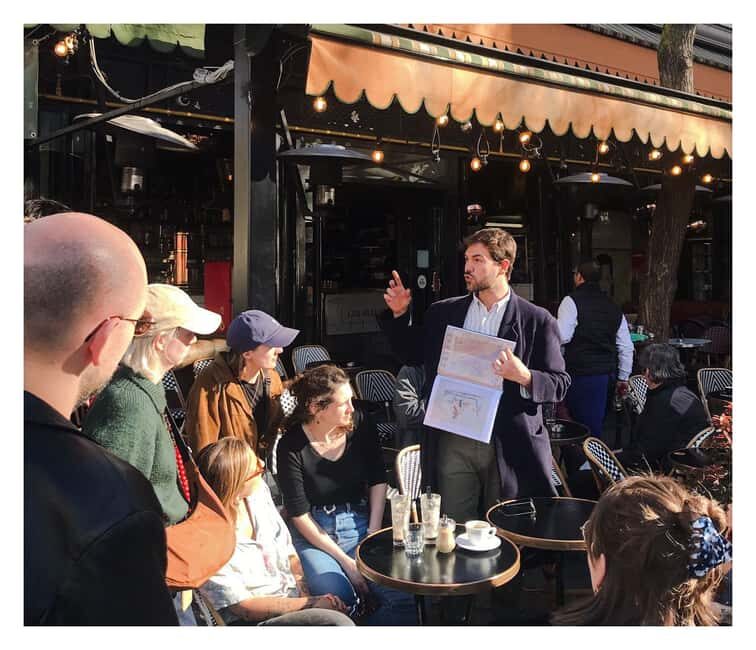
- Small group size (max 12–15) keeps the questions flowing instead of turning it into a lecture
- Robin’s storytelling brings events to street level and answers follow-up questions clearly
- Le Faubourg Saint Antoine helps explain why this uprising had deep local roots
- La Folie Titon and Passage de Lhomme show how the city’s smaller spaces matter in 1789
- Ending at Place de la Bastille ties the route to the day Paris remembers every year
Walking the French Revolution: July 14, 1789 on real streets
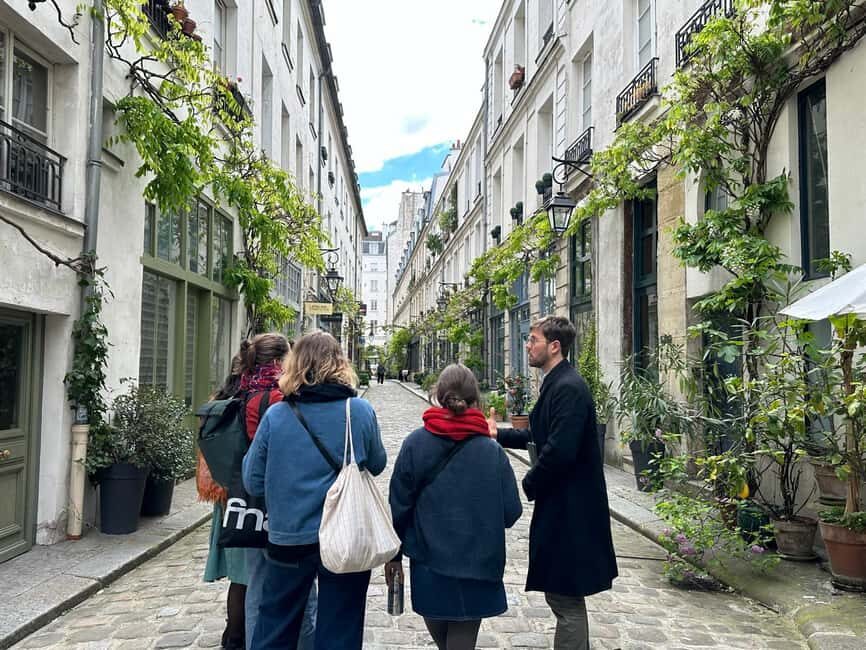
If you only know the French Revolution through the big museum scenes, you’ll feel the switch fast on this walk. Paris changes depending on where you stand, and this route chooses neighborhoods where the Revolution’s causes don’t feel abstract.
You’ll relive 14 July 1789 in order, with the guide linking the day’s drama to the pressure that built before it. That timeline matters, because July 14 isn’t just one day of chaos. It’s a result of long-running economic strain, fear, rumor, and anger—all played out by people with names and jobs.
This is also a tour with a conversation vibe. The group is small enough for questions, and the guide encourages interaction rather than pushing you along like you’re in a museum queue.
You can also read our reviews of more tours and experiences in Paris.

Where you meet and how the route pays off at Place de la Bastille
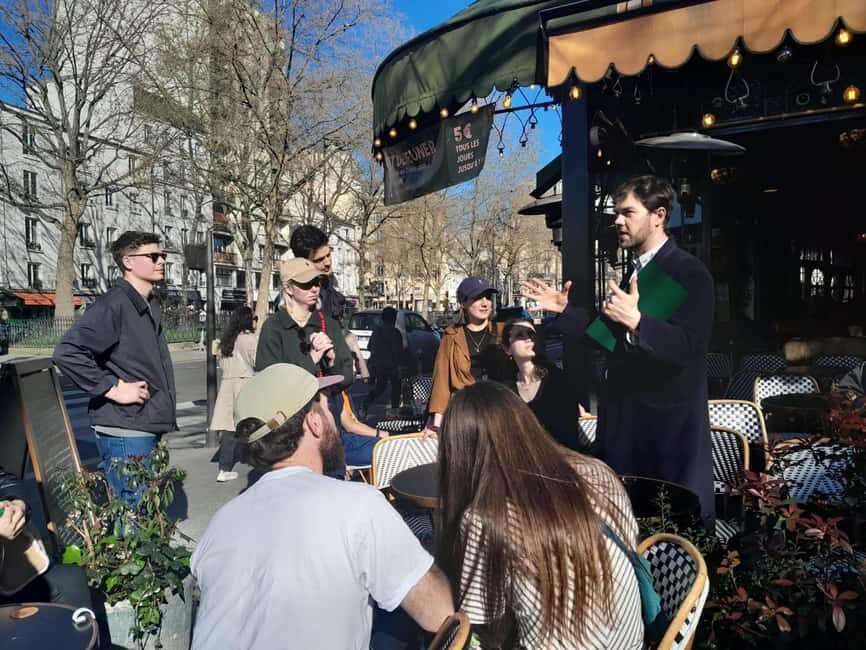
You start at 1 Pl. du Dr Antoine Béclère. The meeting point is set between Café les Blouses Blanches and Mon Café, so you’re not stuck guessing which street corner is correct.
The walk ends at 28 Pl. de la Bastille. That’s smart planning. You get multiple stops on the way there, so when you finally reach the Bastille area, it feels earned instead of just “standing near a landmark and taking a photo.”
Timing is about 90 minutes, which is long enough to pick up context but short enough to fit into a normal sightseeing day. In practice, it’s the kind of outing where you’ll want a snack after, not because you’re exhausted, but because your brain will be full.
Le Faubourg Saint Antoine: why this neighborhood’s story matters
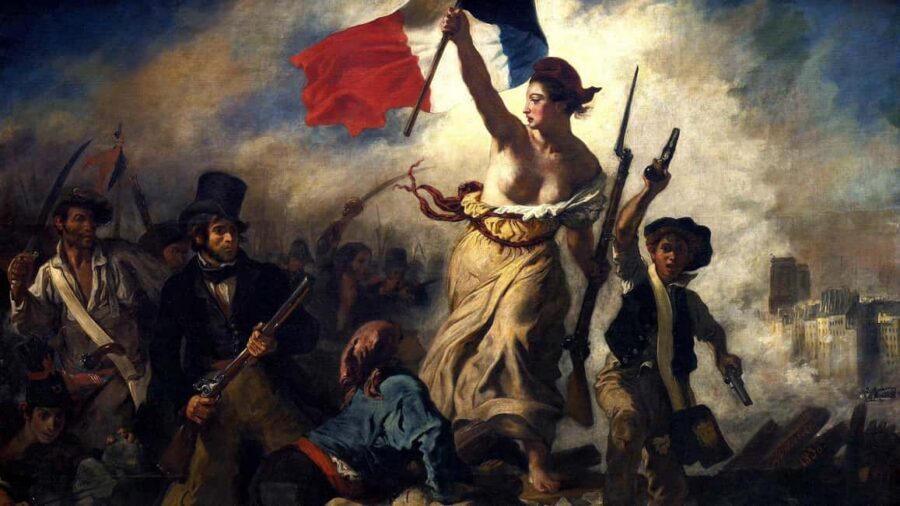
One of the strongest reasons to do this tour is that it centers on Le Faubourg Saint Antoine, not only the famous monument side of Paris. This district helps explain the human engine behind the uprising—where people lived, worked, and argued over fairness.
A street-level tour like this works because buildings keep clues. Even when the Revolution itself is gone, the spacing of streets, the feel of a neighborhood, and the scale of local life help you visualize what crowds could do and why tensions could ignite quickly.
You also get a better sense of the social conditions that fueled the revolt, including how working people saw their everyday frustrations build into something explosive. Several guests highlighted that this tour doesn’t treat the Revolution as a single dramatic moment. It treats it as a turning point that grew out of real local life.
La Folie Titon: using odd little places to understand big events
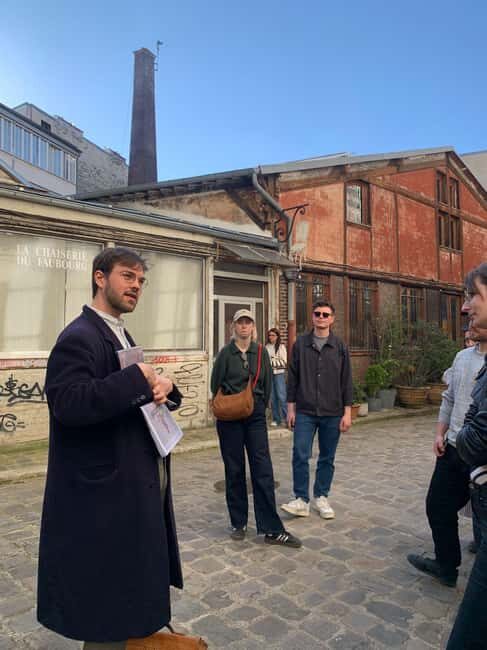
La Folie Titon sounds like one of those Paris names you’d never notice on your own—and that’s exactly why it works here. The guide uses places like this to show that history doesn’t only happen at palaces and major squares.
What I like about a stop like La Folie Titon is the way it trains your eyes. You start looking for traces of how the area was organized in the 18th century, and how those details link back to who had power and who didn’t.
This is the kind of moment where the guide’s storytelling really matters. You’re not just getting names and dates. You’re getting explanations that help you place the Revolution in a neighborhood texture you can still feel today.
Passage de Lhomme: the kind of stop you remember because it surprises you
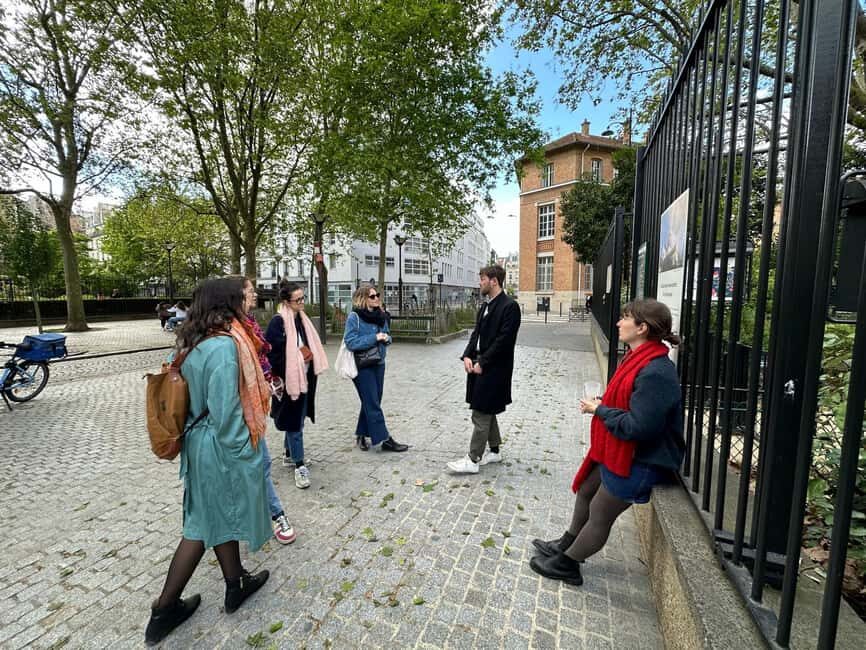
Then there’s le passage de Lhomme, a stop that tends to stick with people because it feels like an in-between space—something you could miss entirely while doing normal sightseeing.
Small passages and tucked-away routes are more than shortcuts. They’re part of how neighborhoods function: where people move, where they gather, and how information spreads. For a day like July 14, those connections matter.
Guests consistently point out that the guide pays attention to details you wouldn’t catch alone, including how to spot clues that connect today’s street shape to what happened in 1789. If you like walking tours that train your historical eyesight, this is a big win.



How Robin turns questions into part of the story
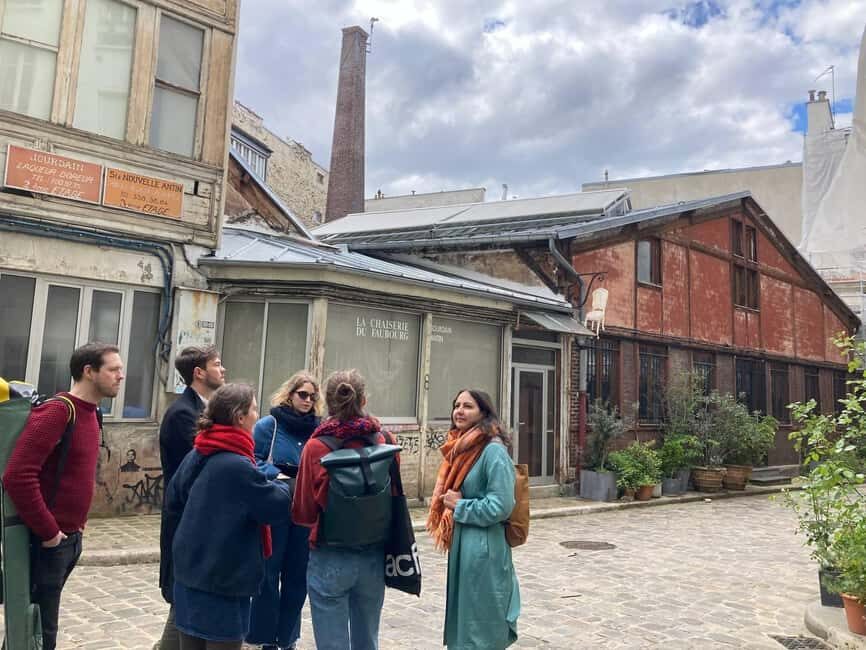
The guide is a major reason this tour earns a steady stream of top ratings. Robin is repeatedly described as funny, engaging, and very strong at storytelling, with answers that don’t bulldoze your questions.
Several visitors also mention that he brings the past into the present by using visuals—like sharing pictures to help you imagine what the neighborhood looked like during the Revolution. That matters because Paris can be visually intimidating: it’s gorgeous, yes, but a guide can help you see past the postcard and into the period.
I also like that the format supports interaction. You’re not passive. You can ask about how people lived, why events unfolded the way they did, or what a particular neighborhood detail meant for the uprising.
And based on the way guests describe the experience, it sounds like the guide isn’t only repeating facts. He’s explaining how causes and consequences connect. That’s what turns a tour into real learning you can use while planning the rest of your trip.
The Bastille finish: ending where the symbol makes sense
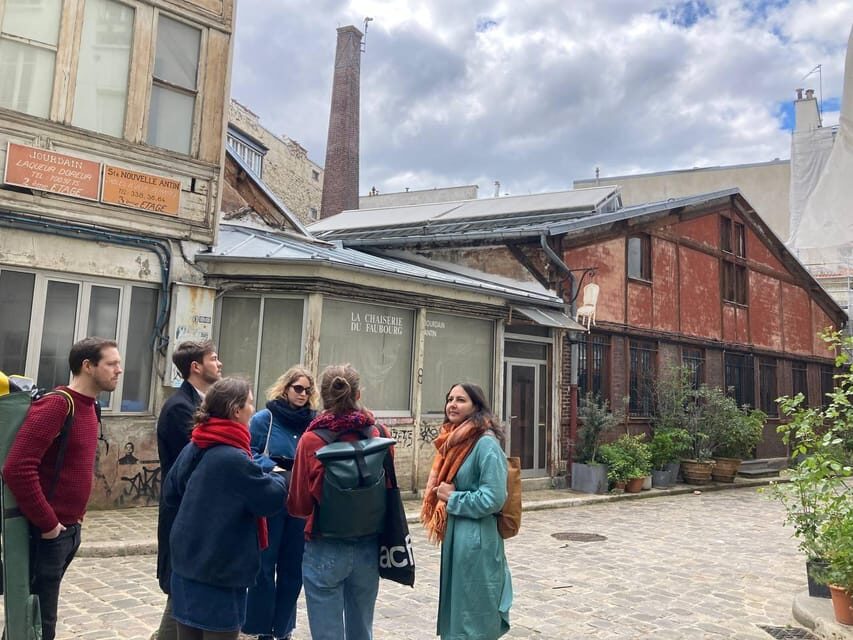
Ending at Place de la Bastille gives the tour a natural emotional landing. The Bastille is the Revolution’s most famous trigger, and the day’s energy follows you as you get closer.
By the time you reach the square, you’ve already walked through the surrounding context: neighborhoods tied to pressure, social tension, and the day’s escalation. That’s what makes the endpoint more satisfying. It’s not just a stop. It’s the payoff.
Even if you’ve seen the area before, you’ll probably notice it differently after understanding why July 14 caught fire where it did. The Revolution becomes less like a chapter you read and more like a chain of streets and people you can picture.
What the 90 minutes are actually optimized for
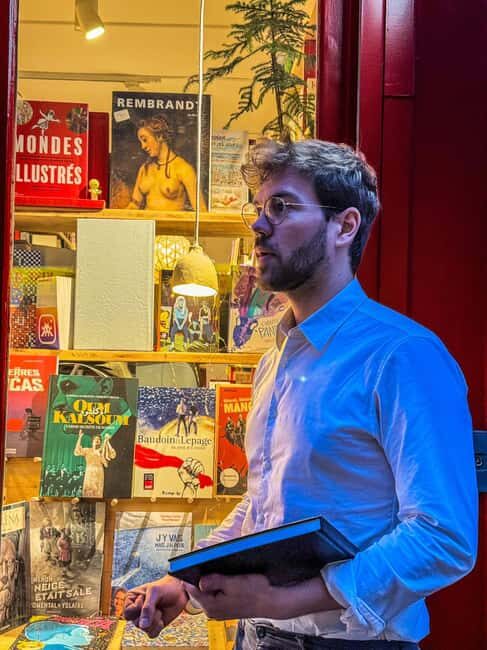
This tour is built for a specific kind of traveler: you want a guided French Revolution tour Paris experience that stays focused, keeps moving, and gives you a coherent arc.
At 90 minutes, you won’t get everything. One review specifically complained that the tour only runs through 1789 and didn’t continue far beyond. That’s not necessarily a flaw—more like the tradeoff you’re making for a tight, story-driven walk.
So here’s how I’d plan it: treat this as the opening chapter for your Revolution interest. If you want more, plan a follow-up tour for later phases or Napoleon-era sites. That pairing is more satisfying than trying to cram a full 20-year narrative into a single stroll.
Price and value: is $37 for 90 minutes a fair deal?
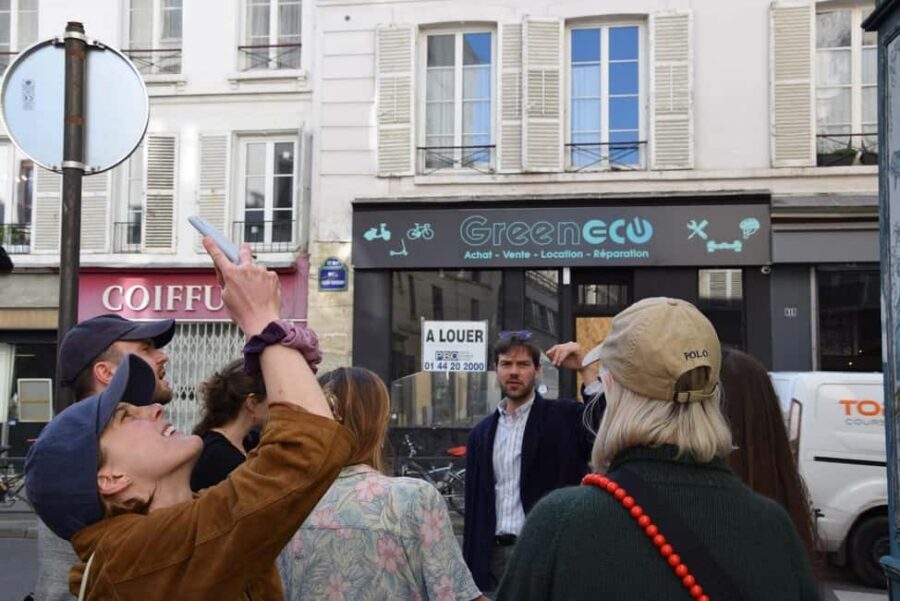
At $37 per person for about 90 minutes, this tour is priced like a serious small-group walking experience, not like a budget shuffle. What makes it feel fair is that you get a live guide, small-group interaction, and a route that goes beyond just “hit the postcard stops.”
The group size is kept small enough to support questions, which can be hard to find on popular historic walks. You also have no extra-fee add-ons mentioned as part of the experience, so the price you see is basically the price you pay.
If you’re deciding between this and a self-guided route, the value equation changes quickly. Self-guided options can be fine, but this tour aims to give you explanation and sequencing—why these places mattered, not just where they are.
Also, the guide’s language options—English, French, and German—make it easier to fit your comfort level without losing quality.
Practical comfort tips before you go
This is a walking tour, so dress like you’ll be outside for about an hour and a half. Paris weather loves to play games, and you’ll feel them more when you’re stopping often.
Bring a camera if you like street-level photography. You’ll likely have at least one photo stop on the way, and the Bastille area is an obvious final shot.
One more small thought: go with a curious mindset. This tour rewards questions, and the guide’s whole approach depends on you engaging with the story instead of treating it like background noise.
Who should book this tour, and who might not
You’ll love this tour if you want:
- A focused July 14, 1789 walking experience with story structure
- A neighborhood-first view of the Revolution, especially 11e-era streets like Faubourg Saint Antoine
- A guide who explains the social conditions behind the uprising and answers questions clearly
You might choose differently if:
- You want a longer narrative that continues well past 1789 in one continuous walk
- You prefer purely architectural sightseeing without the political-social storyline
For the “I’m here for the city and the human reasons, not just monuments” crowd, this one fits beautifully.
Should you book ParisVu’s French Revolution Tour?
Yes—if you want the Revolution to feel like something you can picture while you’re standing in Paris. The combination of small group size, a strong storytelling guide named Robin, and the choice to emphasize places like Le Faubourg Saint Antoine, La Folie Titon, and Passage de Lhomme makes this more than a checklist.
It’s also a smart pick for timing. A 90-minute tour is easy to slot in, and it can set context for the rest of your sightseeing day at a place as famous as the Bastille.
If your goal is a full multi-era Revolution-to-Napoleon history in one go, you may feel the limit. But as an entry point that makes July 14 click, this is a strong use of your time.
FAQ
How long is the Paris French Revolution tour?
The tour lasts about 90 minutes (around an hour and a half).
What is the price per person?
The price is listed as $37 per person.
Where do I meet the guide?
The meeting point is between Café les Blouses Blanches and Mon Café.
Where does the tour end?
The tour finishes at 28 Pl. de la Bastille.
Who leads the tour and what languages are offered?
A live tour guide leads the experience, with English, French, and German available.
How big is the group?
The tour is described as a small group, with a maximum of 12–15 participants, and some information also mentions up to 10 participants.
Are there any extra fees during the tour?
The tour information says there are no additional fees.
Can I get a refund if my plans change?
Free cancellation is offered up to 24 hours in advance for a full refund.