REVIEW · PARIS
Behind the Scenes of a Boulangerie: French Bakery Tour in Paris
Book on Viator →Operated by Meeting the French · Bookable on Viator
Bread smells better up close. This French bakery tour in Paris sends you behind the scenes of an independent boulangerie in Montmartre, where you can see how baguette dough becomes real bread and how pastries get built step by step.
I especially like the small group size (max 8), which makes it easier to ask questions and hear what the baker is doing. I also love the take-home payoff: you leave with a freshly baked baguette and croissant, not just photos.
One possible drawback: this tour is often more watch-and-learn than full hands-on baking. If you want to shape lots of dough yourself, you may wish for more active time at the counter.
In This Review
- Quick take on what makes it worth your time
- Your Montmartre Start: Le Grenier à Pain Caulaincourt
- Behind the Scenes in an Independent Paris Boulangerie
- The Baguette Moment: How French Bread Gets Made
- A hands-on option you might get
- Croissants and Pastries: Technique You Can Actually Spot
- How Interactive It Really Is (So You Know What to Expect)
- The Take-Home Baguette and Croissant: Your Quality Check
- Price and Value: Is It Worth Your One Hour?
- Who This Tour Suits Best
- Should You Book This Paris Boulangerie Tour?
- FAQ
- How long is the French bakery tour in Paris?
- Where does the tour start?
- Is the tour in English?
- How big is the group?
- What do I take home?
- Is hotel pickup included?
- Are children allowed?
- Is the tour interactive or mostly watching?
- Is it suitable for people with food allergies?
- What happens if the tour is canceled?
Quick take on what makes it worth your time
- Montmartre, not a factory: independent daily production, done by real bakers.
- Real process, not just tasting: you see how machinery supports shaping and baking.
- Baguette focus: you’ll learn about dough handling and why baguette rules matter.
- Croissants and pastries: you get context for technique, timing, and finishing.
- Good English support: guides like Marie or Vincent are praised for translating and answering questions.
- Wear-for-flour planning: the floor can be slippery and space is tight, so dress smart.
Your Montmartre Start: Le Grenier à Pain Caulaincourt
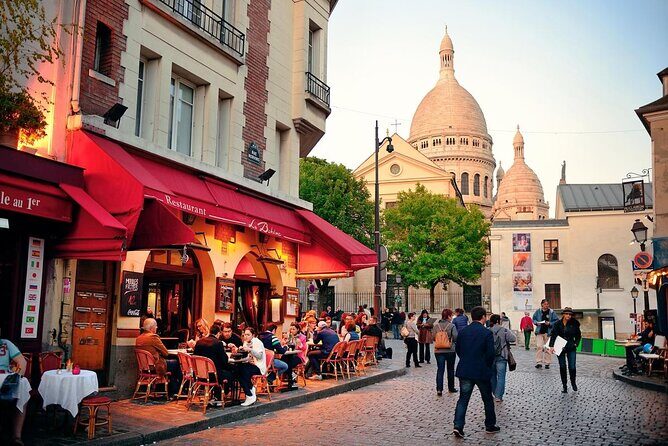
The tour meets at Le Grenier à Pain Caulaincourt, 127 Rue Caulaincourt, in Montmartre (75018). It’s a short, efficient about 1-hour visit, and the group returns to the same meeting point at the end. That makes it easy to slot into a day of wandering without turning the bakery into your whole schedule.
Montmartre is a fun place to start because you get that classic Paris feeling right away. But do plan for “old-building” realities: kitchens and production rooms tend to be compact. You’ll be moving around people at work, not strolling a museum.
Also, the tour is English-offered and built for ages 6+ (kids must be with an adult). Most people can join, but if you have sensitive airborne food allergies, this may not be a safe fit since you’re close to flour and baking aromas.
You can also read our reviews of more tours and experiences in Paris.



Behind the Scenes in an Independent Paris Boulangerie
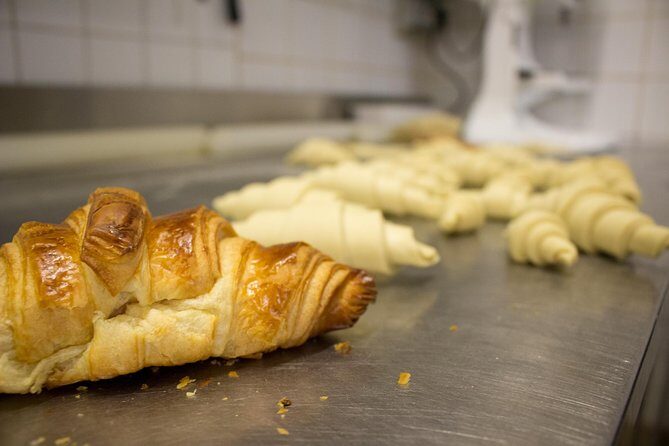
This is not a big industrial production line tour. You’re visiting a small, independent Paris bakery where the work is done daily, and you’ll walk into the areas where bread and pastries are produced. The guides keep it warm and relaxed, but they’re also there to connect what you see with why it matters.
In the time you have, your guide typically explains French bread basics—what makes pain different, what makes a baguette a baguette, and how technique affects texture. You also get time to ask questions, and the best moments are when the baker answers in plain language through the guide.
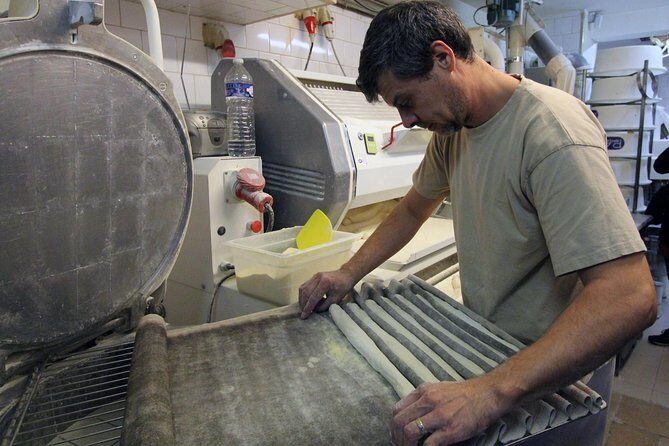
Space is the main “logistics factor” here. Even with a maximum group size of 8, it can feel crowded because you’re in a real workspace. One practical tip: wear clothes you don’t mind getting flour on, and choose non-slip shoes. Several people noted the work area can be tight and the floor can be slippery.
The Baguette Moment: How French Bread Gets Made
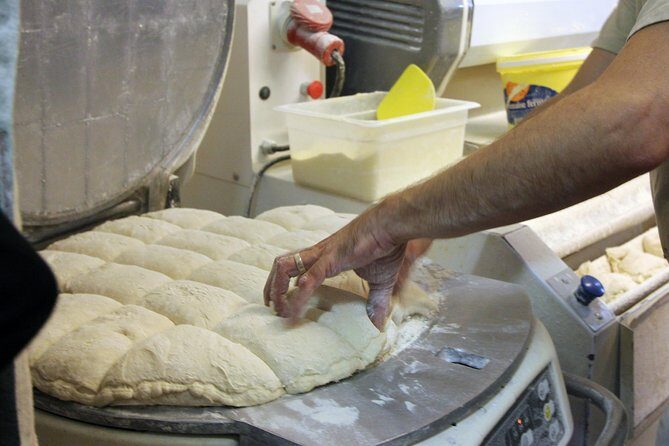
Baguettes are the star of this tour, and you’ll spend real time watching dough handling and the steps that lead to that classic crust-and-crumb result. You’ll likely see how the bakery’s equipment supports consistent shaping and how the team manages the workflow.
What I like about the baguette focus is that it’s practical. Instead of treating baguette as a magic shape, you learn it’s about dough behavior and timing. The guide also covers bread history at a pace that fits the one-hour format, so you walk away knowing the bread is both tradition and technique—not just vibes.
You’ll also hear about the rules around baguettes. While the exact details vary by guide and the day’s production, the takeaway is clear: baguettes have standards for shape, baking approach, and handling. That helps you appreciate why a good baguette doesn’t happen by accident.
A hands-on option you might get
Expect mostly observation. But in some groups, the baker may let you take part in a specific finishing step—often the kind of small action that fits safely in a busy kitchen. For example, one person described being allowed to make the release cuts on the baguette before baking for the loaf they took home. So your experience might include a tiny hands-on moment even if it’s not a full dough-work class.
Croissants and Pastries: Technique You Can Actually Spot
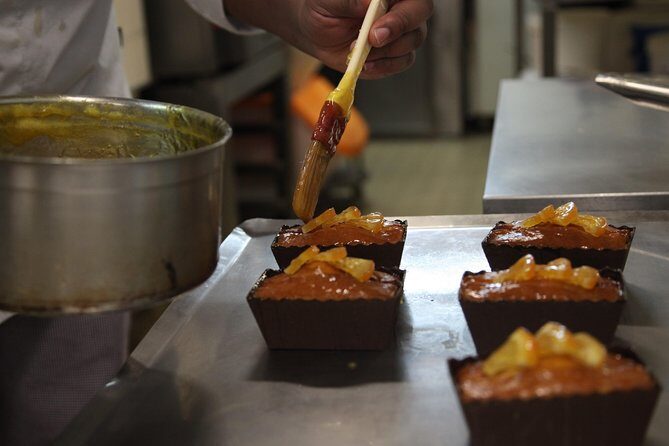
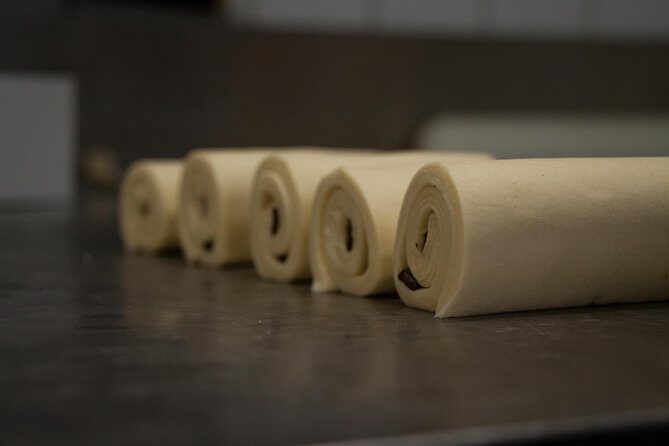
After the baguette work, the tour turns toward pastries and croissants. This is where you start seeing how French bakeries treat dough like a system: different doughs, different lamination or assembly styles, and different bake or finish timing.
Croissants get special attention because they’re the kind of food where you can almost see the craftsmanship happening in real time. Even without doing it yourself, you’ll pick up the rhythm—what gets prepared first, what needs resting time, and how the baker assembles or shapes for the final look.
Pastry production also gives your guide a chance to explain what matters beyond the final appearance: consistency, temperature control, and workflow. The tour is designed so you’re not stuck staring at one station the whole time. You should move between areas and see multiple stages.
And yes, there’s tasting. People mention samples of sweet pastries and small bites during the tour. Even when the tour isn’t fully hands-on, these tastings help you connect what you saw with what you taste.



How Interactive It Really Is (So You Know What to Expect)
This tour sits in the middle of the “baking class” spectrum. It’s hands-on in the sense that you’re close to the work and you get guided explanations, but it’s often not a full workshop where everyone mixes, kneads, and bakes their own batch.
That’s good news if you want an authentic behind-the-scenes look. It’s less good if your main goal is to leave with a dough-making skill you practiced for yourself. Some people wanted more active participation; others loved it exactly because it was a clear view of how professionals work.
So here’s my practical advice: treat this as a bakery tour with a take-home reward, not a DIY baking workshop. If you want to truly shape dough, ask the guide at the start whether there’s any moment during your time that’s hands-on—like scoring or a small step—because it can depend on timing and production needs.
The Take-Home Baguette and Croissant: Your Quality Check
The best part of this kind of tour is the final handoff: you leave with a freshly baked French baguette and croissant. That matters because Paris bakeries are about freshness and technique, and you get to taste the proof later.
In many cases, people also report warm bread right out of the oven and additional pastry samples during the visit. Even if you mainly remember the visuals, tasting helps cement what you learned. And if you’re the type who gets obsessed with crust texture, this is a great moment to compare what you saw with what you actually get.
One more thing to plan for: bring a way to transport baked goods without smashing them. You’ll be walking around a busy neighborhood, so having a bag that can protect the bread helps your future self enjoy it.
Price and Value: Is It Worth Your One Hour?
The tour’s value is all about matching your expectations. On one side, you’re getting a guided, small-group look at real daily production in a working bakery, plus take-home bread. That combination can feel like a fair trade if you’re short on time and want something more meaningful than a standard sightseeing stop.
On the other side, a few people called it expensive for what it is, especially when the experience felt more like watching than doing. That criticism usually comes down to one thing: people expected a more hands-on baking class.
So use this rule of thumb when you decide: if you want a simple hour of real baker craft and you’re happy to learn by watching, you’ll likely feel satisfied. If your top goal is learning through lots of kneading and shaping, you might feel like the tour is light.
Who This Tour Suits Best
I’d point this tour at three types of travelers.
First, it’s great for anyone who wants an authentic Paris boulangerie experience without turning it into a long commitment. Second, families can do well here because it’s visual and snack-powered, and kids often enjoy seeing dough become food. Third, it’s a solid choice if you love French bread but don’t want to hunt for technical workshops on your own.
If you’re very allergy-sensitive, you may want to skip. And if you’re expecting a full cooking class with hands-on dough from start to finish, adjust your expectations.
Should You Book This Paris Boulangerie Tour?
Book it if you want a focused, small-group hour in a working bakery, plus fresh baguette and croissant to take home. It’s also a smart pick if you’d rather learn through observation and questions than by doing every step yourself.
Skip it if you’re mainly after heavy hands-on participation or if flour in the air is a concern. And if you’re the type who needs constant interaction to stay engaged, go in knowing this is a show of real production, not a classroom where everyone works dough at the same station.
FAQ
How long is the French bakery tour in Paris?
It runs for about 1 hour.
Where does the tour start?
The meeting point is Le Grenier à Pain Caulaincourt, 127 Rue Caulaincourt, 75018 Paris, France.
Is the tour in English?
Yes, it is offered in English.
How big is the group?
The tour is a small group with a maximum of 8 travelers.
What do I take home?
You receive one freshly baked French baguette and one freshly baked croissant.
Is hotel pickup included?
No. Hotel pickup and drop-off are not included.
Are children allowed?
Yes, the tour is for ages 6 and up, and children must be accompanied by an adult.
Is the tour interactive or mostly watching?
It’s mainly structured as a behind-the-scenes view of how the bakery works. You get time to learn and ask questions, and hands-on participation may be limited depending on the flow of the kitchen.
Is it suitable for people with food allergies?
It is not recommended for travelers with sensitive airborne food allergies, since you’re in a bakery production environment.
What happens if the tour is canceled?
If it’s canceled due to not enough passengers or other overbooking constraints, you’ll be offered an alternate date or a full refund. Free cancellation is available up to 24 hours in advance for a full refund.