REVIEW · REIMS
Champagne Lamiable: Traditional Tour & Tasting
Book on Viator →Operated by In Vox Veritas · Bookable on Viator
Three pours beat museum tours.
At Champagne Lamiable in the Marne region near Reims, you get a behind-the-scenes look at a working Champagne estate and a guided taste of 3 Grand Cru cuvées. It’s compact, taught in plain language, and feels more like a focused conversation than a big production.
I especially like the chance to see the press, vats, barrels, and disgorging workshop as part of the walk, not just as background. I also like the way the tasting is guided with real attention to what you prefer, so you leave with clearer ideas about what style clicks for you.
One consideration: this is about learning and tasting, not travel convenience. Private transportation isn’t included, and the tour is roughly 2 hours—so you’ll want to plan getting there and back.
In This Review
- Key highlights that make this tour worth your time
- Where you go in Champagne Country (and why this location feels special)
- The 2-hour game plan: estate tour first, then the tasting
- The walk-through facilities you actually want to see
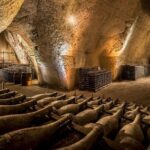
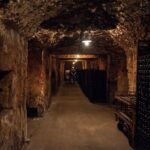
- The dug-by-hand cellar
- The press, vats, and barrels
- The disgorging workshop
- Why the guide’s approach matters as much as the Champagne
- The tasting: 3 Grand Cru cuvées, chosen and guided
- What you can do during the tasting
- Private feel in a small group (without the big-house crowding)
- Price and value: what $38.45 buys you in Champagne education
- Timing tips: when to book around your Reims plans
- What to bring (and what to expect from the pace)
- Should you book Champagne Lamiable? My decision checklist
- FAQ
- How long is the Champagne Lamiable Traditional Tour & Tasting?
- What does the tour cost?
- Where does the tour start and end?
- Is the tour offered in English?
- Is the tasting included in the price?
- What will I see during the guided tour?
- How many people are on the tour at once?
- What is the private-tour part?
- Do I need to print a ticket?
- What is the cancellation policy?
Key highlights that make this tour worth your time
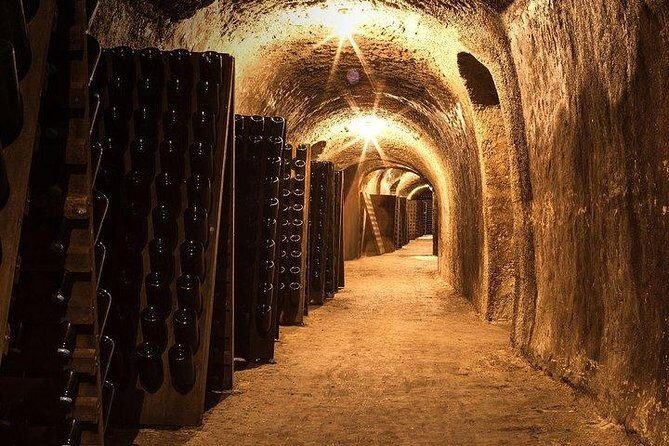
- Dug-by-hand cellar walk plus the technical parts of a real Champagne facility
- Press, vat, barrel storage, and disgorging workshop explained step by step
- Three cuvées from Grand Cru selections chosen during your tasting
- Expert-led, English-language experience with undivided attention in a small group (max 16)
- Multiple departure times, so you can match it to your day around Reims
- 3 glasses of Champagne included, which matters for value
Where you go in Champagne Country (and why this location feels special)
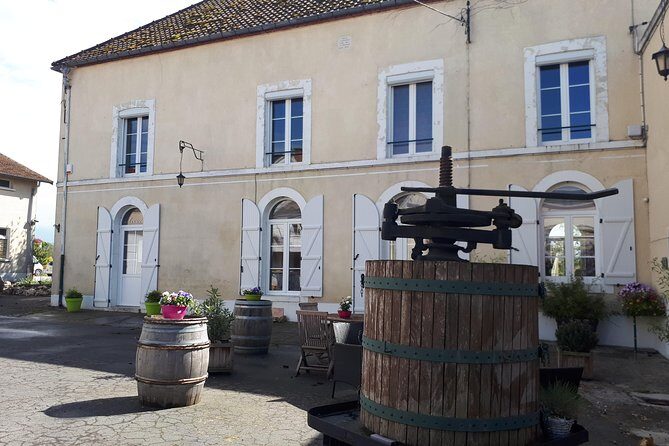
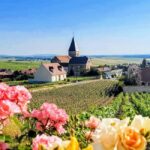
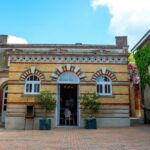
Champagne Lamiable is based in Tours-sur-Marne, right in the Champagne belt that feeds the Reims area. The meeting point is straightforward: Champagne Lamiable, 8 Rue de Condé, 51150 Tours-sur-Marne. The tour ends back at the same place, so you’re not dealing with a maze of drop-offs.
What makes this kind of location smart is timing. You can treat it as a half-day anchor activity: arrive, do the tour, taste, and get back to your larger Reims plans without losing hours commuting. And because this is a smaller family Champagne house, the setting feels practical and working—less like a showroom, more like a place where production still happens.
You can also read our reviews of more food & drink experiences in Reims


The 2-hour game plan: estate tour first, then the tasting
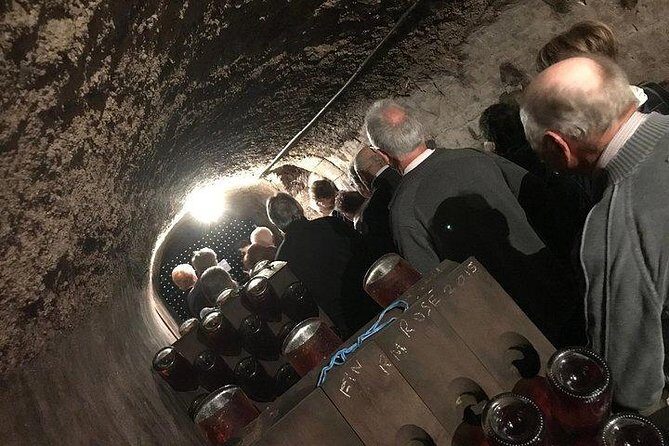
This experience runs about 2 hours, and it has a simple rhythm.
First, you’ll go through the estate with a guide who mixes what you see with what you should understand. You’ll walk into areas tied to the process, including the dug-by-hand cellar, then move through the technical infrastructure like the press area, vat/barrel storage, and the disgorging workshop. The tour is designed so you can connect the dots between parts of the facility and the stages of Champagne production—without drowning you in jargon.
Second comes the tasting. You’ll taste 3 Grand Cru cuvées out of the estate’s available range. The glasses are included, and the guide helps you make sense of what you’re drinking so it turns into learning you can actually use later—whether you’re buying bottles or ordering Champagne at a restaurant.
The big practical benefit here is that you get both halves in the same block of time: you learn how the Champagne is made, then immediately taste examples that match what you learned.
The walk-through facilities you actually want to see
A lot of Champagne tours stay vague. This one doesn’t. The core “wow” factor is that you get to see the estate’s working spaces and hear how they connect to production.
Here’s what stands out in the tour route:
The dug-by-hand cellar
You’ll see the estate’s dug-by-hand cellar—a detail that instantly makes the place feel more human and less industrial. Cellars matter for how a producer handles storage over time, and seeing it helps you understand why Champagne houses care so much about temperature stability and the physical environment.
The guide also ties this space to the bigger story of the estate, including family background and Champagne culture. That turns the cellar from scenery into context.
The press, vats, and barrels
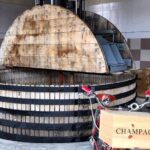
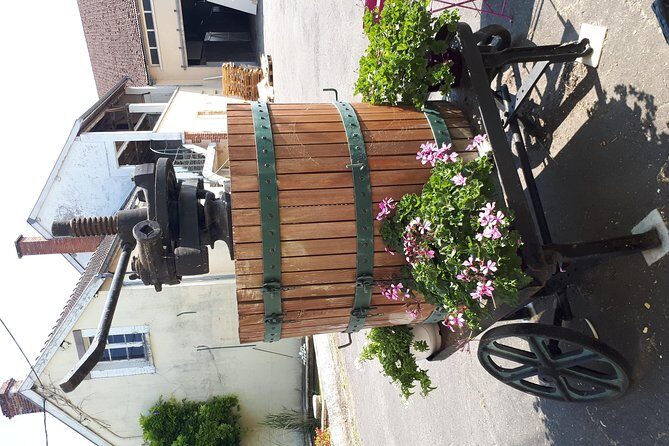
You’ll also see the press, vats, and barrels. Watching these areas in person gives you a clear picture of what your guide is talking about when explaining the process. Even if you don’t consider yourself a wine nerd, the tour structure helps you connect each station to the next idea.
A small tip: during the tour, ask questions that start with what you’re seeing right now. The guide is set up for this kind of back-and-forth, and it makes the tour feel more like tutoring than lecturing.
You can also read our reviews of more wine tours in Reims




The disgorging workshop
One of the most specific stops is the disgorging workshop. This is the part that usually separates a generic “Champagne is bubbly” talk from a real process explanation. Seeing the workshop makes the production workflow feel tangible.
And because the guide explains the ine making process as you move through these spaces, you’re not just collecting photos. You’re collecting mental links: facility part → production step → what you’ll notice later in the glass.
Why the guide’s approach matters as much as the Champagne
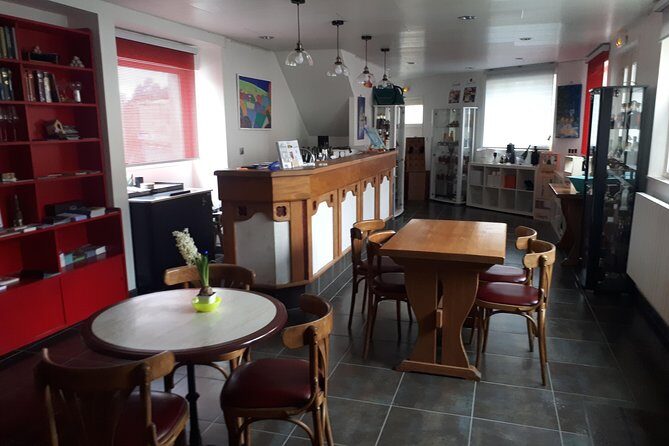
You’re paying for Champagne, yes. But you’re also paying for translation—turning Champagne production into something you can taste.
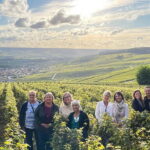
The guide on this tour (often Hélène) brings energy and clarity. In the experience, you’re not rushed. You can ask questions. And the conversation doesn’t end when the walk ends. You move right into tasting with the same guide, so your learning stays connected.
A couple things I think you’ll appreciate if you value good hosting:
- The guide’s explanations are paced for a mixed group. You’ll have a mix of interests and ages, and the tour is built to work across that range.
- The guide treats tasting like feedback. Instead of one-size-fits-all pours, the tasting is guided so you can explore what you like and what doesn’t.
This is one of the highest-rated reasons people pick smaller Champagne producers over huge ones. You don’t just get a script—you get a conversation.
The tasting: 3 Grand Cru cuvées, chosen and guided
The tasting portion is simple in structure and strong in purpose: 3 glasses included, and you taste 3 Grand Cru cuvées from the estate’s range.
What I like about this format for real life is that it’s not trying to overwhelm you with too many labels. Three pours is enough to compare styles and build a baseline without turning into a blur. And because they’re Grand Cru cuvées, you’re tasting within a focused quality tier, so you learn faster.
You’ll also get help matching your preferences. The guide listens, then steers you toward cuvée choices you’ll likely enjoy. That’s a practical advantage. If you’ve ever left a tasting not sure what you actually liked, this helps you avoid that.
What you can do during the tasting
When you get your flight, use a quick method:
- Smell first, then sip. Notice how the taste changes as it warms.
- Pay attention to which cuvée feels fruit-forward, which feels more structured, and which feels smoother or drier.
- Ask the guide what differs between the cuvées you’re tasting. The tour is designed to answer.
You don’t need to memorize tasting notes. You just need a sense of direction. After this, you’ll be much more confident picking Champagne later.
Private feel in a small group (without the big-house crowding)
This is listed as a private tour experience with undivided attention. It’s also capped at 16 travelers maximum. That combination matters.
In practice, it means you can actually hear the guide. It’s not a line you’re being swept through, and you’re not competing for attention. You’re more likely to get answers that fit your questions rather than a general overview.
It also makes it easier for different ages to enjoy. A couple of the tour write-ups highlight how the guide can tailor the feel for both younger visitors and adults, which is a big plus if you’re traveling as a mixed group.
If your goal is a relaxed, taught-by-a-real-person Champagne afternoon, this model fits.
Price and value: what $38.45 buys you in Champagne education
The price is $38.45 per person for an experience that runs about 2 hours and includes 3 glasses of Champagne.
Is that expensive? It depends on what you compare it to.
- Compare it to paying for separate entry fees and a tasting somewhere else. Here, the price bundles the guide-led learning and the tasting together.
- Compare it to big-name Champagne houses. Those can be impressive, but you may pay for scale rather than clarity. This tour’s smaller size and focused tasting helps you get more usable understanding per hour.
- Compare it to buying bottles without context. If you leave with clearer preferences, you’ll likely spend your money better later.
In short: for the time, the small group, and the included pours, this is the kind of value you feel immediately—because you’re walking out with both knowledge and bottles-worth of experience.
Timing tips: when to book around your Reims plans
The tour offers multiple departure times throughout the day, and it’s booked around 27 days in advance on average. That tells me the slots can fill, especially in busier seasons.
Here’s how I’d schedule it:
- If you’re doing other Reims sights, pick a slot earlier rather than later. Tasting tastes better when you’re not running on a full day of walking.
- If you’re traveling from Paris, consider aligning this with a time that gives you a real evening buffer. Tours like this end where you started, so you’ll want enough time for dinner afterward.
Also, you’ll receive confirmation within 48 hours of booking, subject to availability. So don’t plan anything too tight until you have the confirmation.
What to bring (and what to expect from the pace)
This is a Champagne production facility tour plus tasting. Think comfortable shoes and a reasonable pace.
You’ll spend time walking through estate areas and then sit for guided tasting. There’s no mention of any special dress code, so just dress for being on your feet.
If you have dietary concerns: the tour data only specifies that 3 glasses of Champagne are included. It doesn’t mention food pairings or alternatives. If you need accommodations, it’s smart to email ahead with your exact needs.
If you’re bringing kids or teens: the tour can work for mixed ages, but it is still a serious process explanation plus tasting. Plan your expectations accordingly.
And yes, service animals are allowed, which is helpful for many travelers.
Should you book Champagne Lamiable? My decision checklist
Book this tour if you want:
- A working-estate style experience, not just a photo stop
- A guide-led explanation that connects what you see (press, vats, barrels, disgorging workshop) to what you taste
- A small-group setting where you can ask questions and get answers
- A focused tasting of 3 Grand Cru cuvées with guidance on what you like
Skip it or look at alternatives if:
- You want a long, all-day Champagne itinerary with food included
- You need private transportation taken care of for you
- You’re looking for a massive scale “everyone lines up together” kind of experience
If you’re deciding between a big brand and a family producer, this one wins on clarity and attention. You leave with more than bubbles—you leave with a better eye for what to buy and what to order next.
FAQ
How long is the Champagne Lamiable Traditional Tour & Tasting?
It lasts about 2 hours.
What does the tour cost?
The price is $38.45 per person.
Where does the tour start and end?
It starts at Champagne Lamiable, 8 Rue de Condé, 51150 Tours-sur-Marne, France, and ends back at the same meeting point.
Is the tour offered in English?
Yes. The tour is offered in English.
Is the tasting included in the price?
Yes. You get 3 glasses of Champagne included.
What will I see during the guided tour?
You’ll tour the Champagne estate, including the dug-by-hand cellar and the technical areas such as the press, vat setup, barrels, and the disgorging workshop.
How many people are on the tour at once?
The tour has a maximum of 16 travelers.
What is the private-tour part?
It’s described as a private tour, meaning you have undivided attention from your guide.
Do I need to print a ticket?
No. It uses a mobile ticket.
What is the cancellation policy?
Free cancellation is available. You can cancel up to 24 hours in advance for a full refund. If you cancel less than 24 hours before the start time, you won’t get a refund.