REVIEW · REIMS
Reims/Epernay: Champagne Day Tour with Tastings
Book on GetYourGuide →Operated by ABC Champagne Tour · Bookable on GetYourGuide
Champagne turns a day into a story. In Epernay, you get a focused route through UNESCO-listed Champagne country, mixing short drives with vineyard time and guided pours that make the region’s flavors easier to understand. The underground cellar stop is a great way to start, because you immediately feel the cool, quiet side of Champagne.
What I love most is the blend of a guided tasting and the hands-on production story, including what makes Champagne different from other sparkling wines. I also like the Hautvillers connection, with the Abbaye Saint-Pierre d’Hautvillers and the Dom Pérignon link that ties the place to the people who shaped the style.
One thing to consider: this isn’t built for everyone’s mobility. Electric wheelchairs aren’t allowed, and the tour is marked not suitable for people with mobility impairments. Also, like any day-trip, be sharp about the meeting point timing (there’s at least one report of a missed handoff).
In This Review
- Key points before you go
- From Epernay meeting point to an 8.5-hour Champagne route
- What “tastings with context” feels like in Epernay
- Underground cellars and independent wineries: where Champagne gets real
- Hautvillers abbey, hillside views, and the Dom Pérignon connection
- Vineyards, soil, and the hard manual work behind the bubbles
- Lunch in Epernay: a real meal, not a quick bite
- The last tasting in the Marne area: finishing with another perspective
- Price and value: is $336 a fair deal?
- Who this Champagne tour fits best
- Should you book the ABC Champagne Tour day trip?
- FAQ
- How long is the Champagne day tour?
- Where do I meet for the tour?
- What’s included in the price?
- Is hotel pickup or drop-off included?
- How big is the group, and what languages are offered?
- Is the tour suitable for mobility impairments?
- Is there free cancellation?
Key points before you go
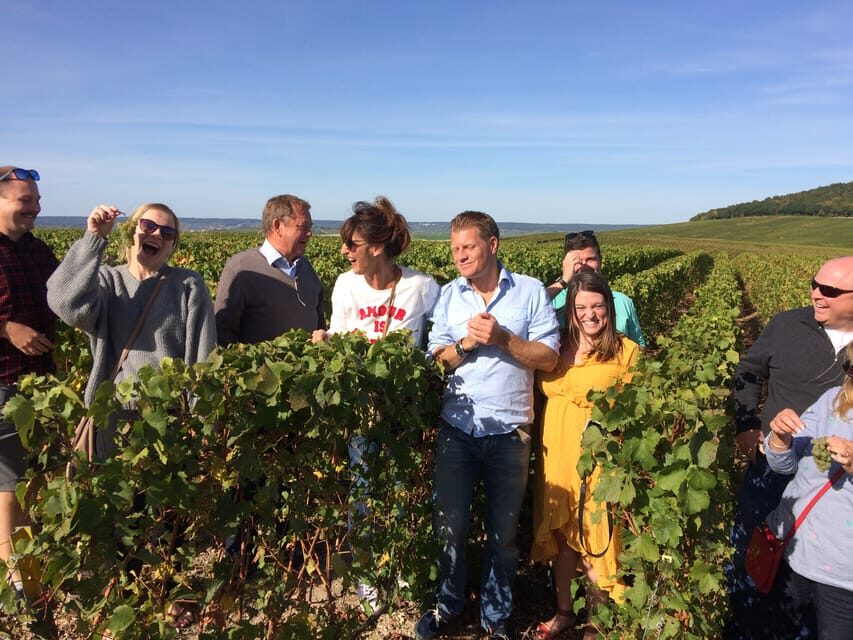
- Small group (up to 8) keeps the tastings and questions from feeling rushed
- Independent cellar + Champagne house shows two sides of the industry
- Hautvillers and the abbey area connects Champagne lore to the actual landscape and labor
- Guided commentary during tastings helps you taste with purpose, not just sip
- Lunch included keeps the day balanced instead of turning into a snack sprint
From Epernay meeting point to an 8.5-hour Champagne route
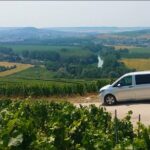
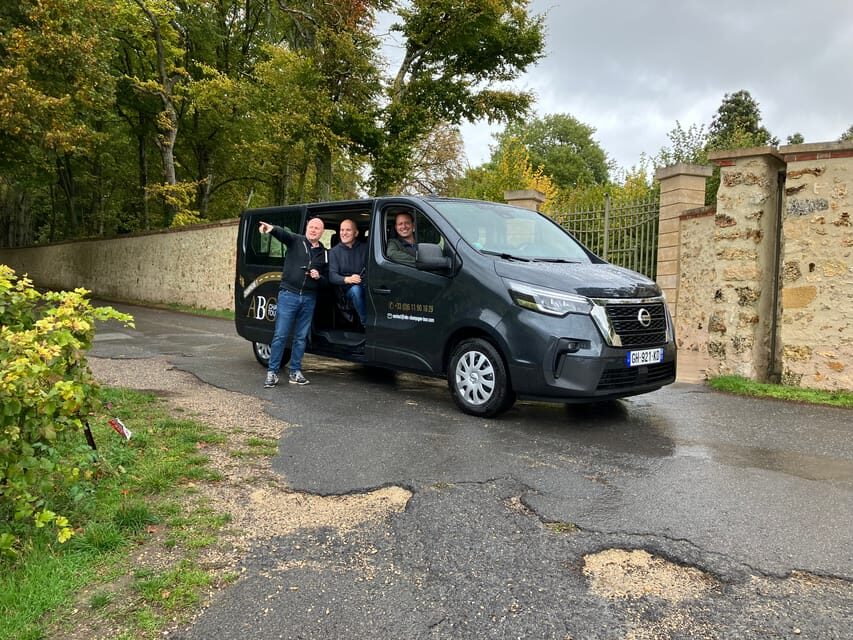
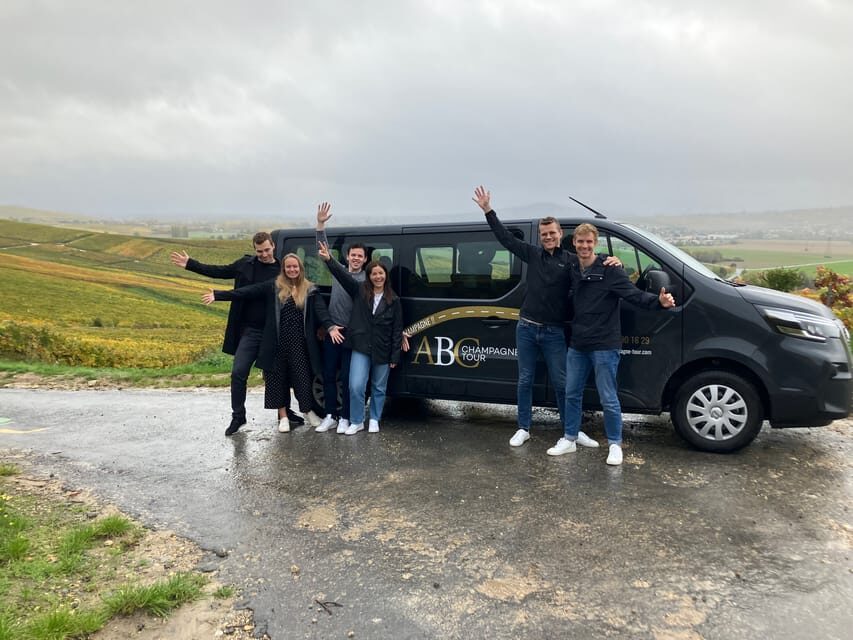
This is a full-day experience, clocking in at 510 minutes (about 8.5 hours). You’ll be in a black van with ABC Champagne Tour written on the side, and the day is paced so you can actually absorb what’s happening instead of bouncing from one place to another every ten minutes.
Where you start depends on where you’re staying. You can meet outside the Epernay Office of Tourism at 10:00, or outside Reims central station at 09:15 at the tourist office. Either way, expect short transfers between stops. Those transfer gaps matter because Champagne days often fail when they feel like constant movement; here, the ride time acts like a breather before the next tasting or walk.
You’ll also get a real guide, not just a driver. Languages are English and French, and the tour includes skip-the-line access through a separate entrance. That can save time on busy days, and it helps you start tasting on schedule rather than playing catch-up.
Finally, check your comfort ahead of time. Bare feet aren’t allowed, and the tour isn’t suitable for people with mobility impairments, which usually means there’s uneven ground and some walking involved—even if the route is short.
You can also read our reviews of more wine tours in Reims
What “tastings with context” feels like in Epernay
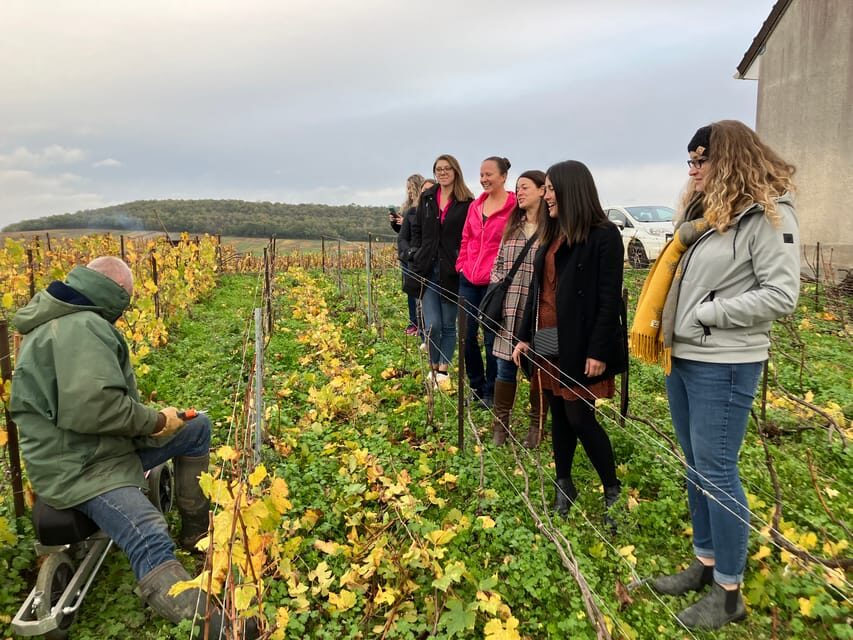
The biggest difference between a good Champagne tour and a so-so one is whether you taste with a plan. Here, the guide builds that plan. You’re not just collecting sips; you’re learning what you’re tasting and why it can vary from bottle to bottle.
You start with a visit in Epernay that includes Champagne tastings (about 1.5 hours). That first tasting is useful because it gives you a baseline. If your palate is new to Champagne, you’ll likely start noticing differences faster after someone explains what to look for—like how styles can shift even when you’re staying in the same general region.
You’ll also hear what makes Champagne special compared with other sparkling wines. The tour frames it as a combination of Champagne-specific processes and the region’s growing realities. That’s why the tastings aren’t separate from the rest of the day. You’re learning the production story while tasting it, so the flavors make sense rather than feeling random.
Later, tastings come again after lunch and at the end of the day. That structure matters. Your first pours teach you what to pay attention to. The later tastings let you test your new instincts, like spotting how a different cellar, a different producer, or a slightly different approach changes the feel in your glass.
Underground cellars and independent wineries: where Champagne gets real
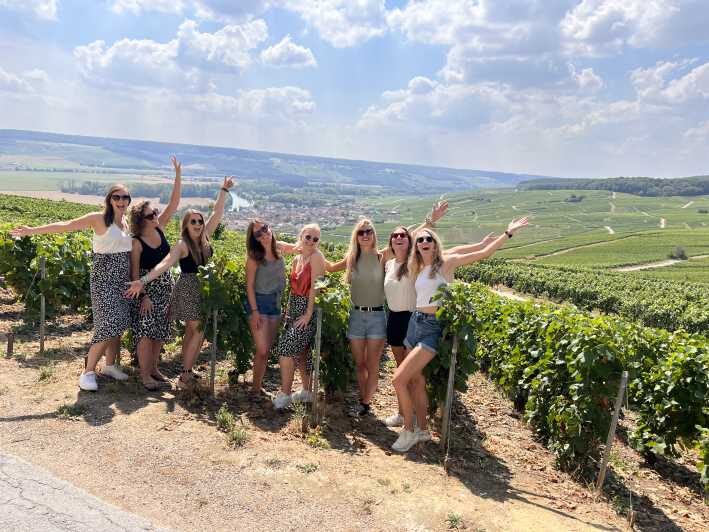
One of the most rewarding parts of this tour is how it balances Champagne romance with actual production. You’ll visit an underground cellar, and you’ll also tour a private independent winery’s cellar as part of the day.
Cellars like these do two things at once. First, they show you why Champagne is built for consistency and careful timing—cool temperatures, stable conditions, and storage that respects the craft. Second, they create a setting for tasting that feels more serious than a store counter.
Then comes the independent winery visit. This is where you often hear the small details that don’t show up in brochures: how growers and cellar masters think about quality, how they manage what happens between harvest and final bottling, and what they believe creates a recognizable style.
This is also the part of the day that gives you leverage if you want to take bottles home. One of the standout themes from the positive feedback is that bottles purchased from the winery in Hautvillers can feel like better value because you’re buying from a place you visited, with a guide helping you understand what you’re choosing. I wouldn’t treat that as a guarantee for every bottle, but it’s a strong argument for letting the cellar visit influence your shopping.
If you love craft over branding, you’ll likely enjoy this more than the purely sightseeing portions.
Hautvillers abbey, hillside views, and the Dom Pérignon connection
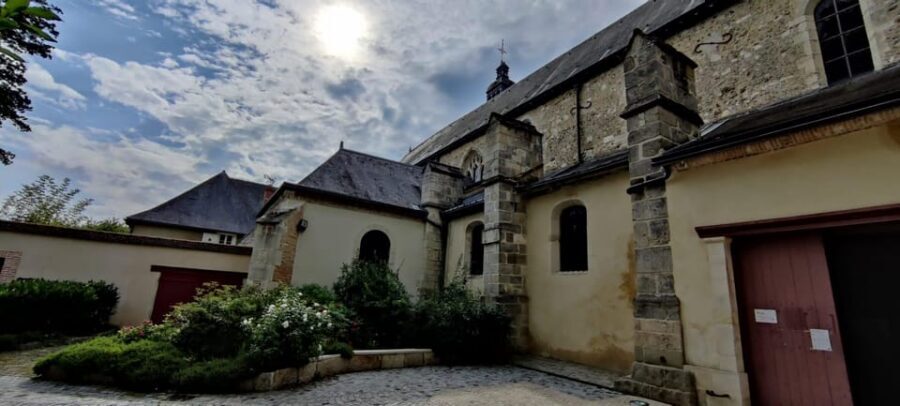
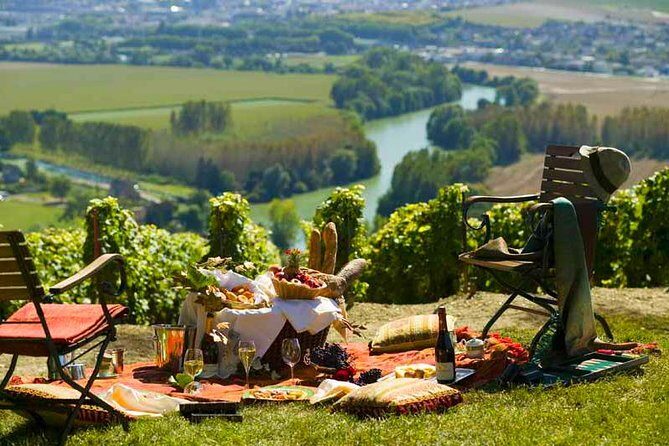
Hautvillers is one of those places where the story feels physical. The tour takes you to the village area and the Abbaye Saint-Pierre d’Hautvillers, a Benedictine abbey located near the forest. It’s also a spot with a great elevated feel—views that make the Champagne region look like what it is: a patchwork of vineyards and villages rather than a single picture-perfect scene.
What makes this stop more than a quick photo stop is the historical thread. The abbey is tied to the person at the center of Champagne legend: Dom Pérignon, described here as the steward and cellar master connected with the abbey and its work. That matters because Champagne isn’t just a party drink. It has a lineage of experimentation and careful attention to fermentation and blending.
You also get time in the area to visit the abbey (about 45 minutes). If you’re the type who likes to connect place to product, you’ll enjoy pausing here before the next tasting. It puts a human face on the process and makes the rest of the day’s talk about grapes and soil feel less abstract.
One small caution: abbey and hillside areas can mean uneven paths. The tour isn’t designed for mobility impairments, so plan accordingly if walking is an issue.
Vineyards, soil, and the hard manual work behind the bubbles
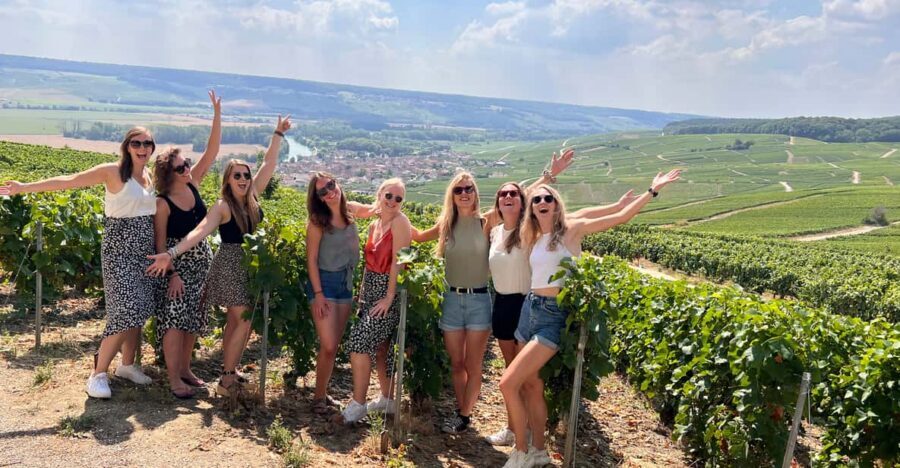
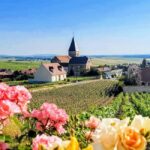
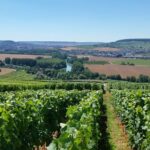
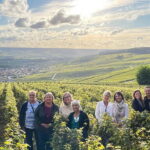
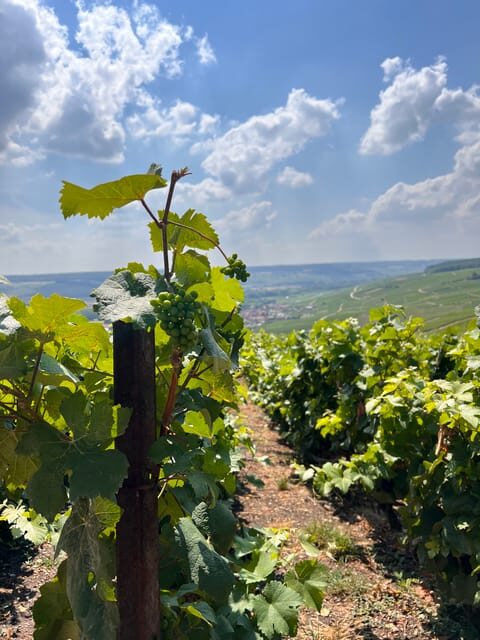
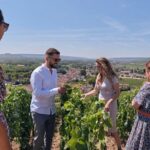
The tour doesn’t skip the unglamorous parts. You’ll get a short walk in the vineyards and hear about the importance of soil for grape quality. That’s a key concept in Champagne because many vineyards are planted in different chalk and soil conditions, and that can affect how grapes grow and how flavors develop.
The guide also talks about the manual labor behind Champagne. One figure given in the tour description is that around 15,000 vine growers work to produce high-quality wine. That scale tells you something important: Champagne is not a casual hobby product. It’s labor-heavy, detail-driven, and managed by people who work the vines in ways that can’t be replaced by shortcuts.
If you’re used to regions where you can drive past vineyards and call it a day, this is the section that reframes the whole region. You’ll start noticing how “vineyard” in Champagne means a lot more than rows of grapes—it means constant care.
There’s also one point to improve that came up in feedback: a desire for more demonstration in the vineyard about how vines are cut and cared for. That doesn’t mean the tour ignores viticulture. It does, and you’ll learn about soil and manual work, but if you’re the kind of wine nerd who wants hands-on visuals, you might wish for a bit more specific vine-pruning explanation during the walk.
Still, even without a full vineyard workshop, the vineyard time helps you taste smarter. You can connect what you learned about soil and labor to what you notice in the glass.


Lunch in Epernay: a real meal, not a quick bite
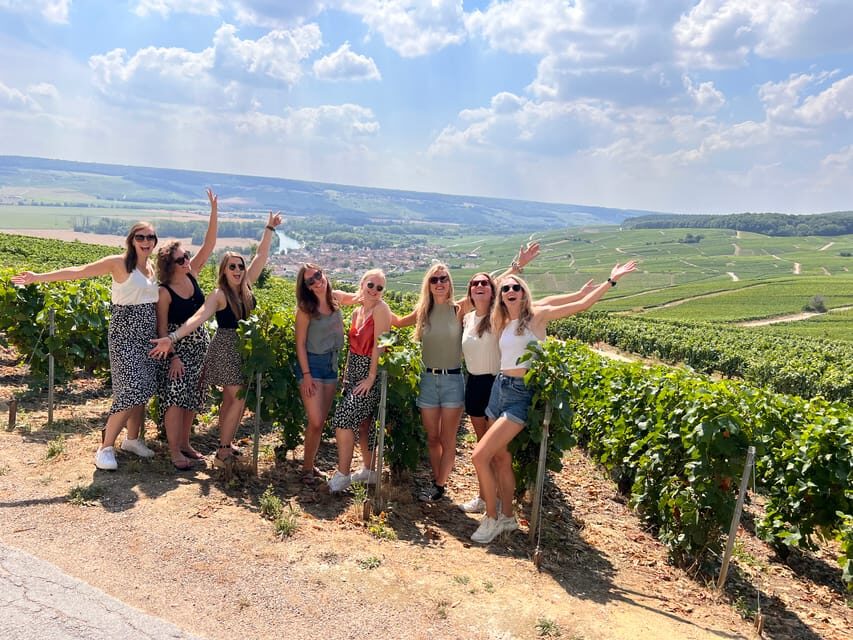
Lunch is included, and the timing is set so you’re not starving before the next tasting. You’ll have a lunch stop in Epernay plus additional wine and Champagne tastings (another 1.5 hours segment). The pairing of lunch with tastings is smart because it turns break time into part of the experience rather than a forced pause.
The lunch itself is described as traditional French food with local cuisine. That matters because Champagne and food are a match made for the region’s style of dining. If you’re used to rushing through tours with sandwich lunches, this is a different feel. A proper meal helps reset your palate so the later pours land better.
There’s also a practical benefit: since you’re having lunch during the tour, you don’t have to worry about finding a place that works with your schedule. That’s a real value point on days when Epernay and Reims get crowded.
And based on the feedback, this lunch location is often remembered as a highlight. So if you like your wine days to include a comfortable sit-down, this tour is built for you.
The last tasting in the Marne area: finishing with another perspective
After lunch and some sightseeing time back in Epernay (about 30 minutes), the day continues with the Marne-area stop. You’ll visit again, then enjoy another tasting session (about 1.5 hours), before returning to the starting point.
This late-stage tasting is important because it keeps you from leaving the region with only one producer’s style in your head. By the time you reach this final stop, you’ve already toured an abbey area, walked vineyards, and tasted multiple times with explanation. That means the last tasting can act like a check: can you spot differences on your own now?
Finishing with a guided tasting also helps you avoid the common mistake of buying bottles based only on what tastes good immediately. With the context you build during the day, you’re more likely to choose bottles that match what you want to drink later—whether that’s lighter styles for aperitif time or more structured bottles for meals.
Price and value: is $336 a fair deal?
At $336 per person, you’re paying for more than transportation and a few pours. You’re buying a full-day structure with a private guide, private transportation, multiple tasting blocks, and lunch included.
So what makes that price feel fair (or not) comes down to your priorities:
- If you want an easy day with minimal planning—pickup at Epernay (10:00) or Reims (09:15), transport arranged, and tastings scheduled—this price starts to make sense.
- If you enjoy learning while tasting and want a small group setting (limited to 8 participants), the guide’s attention is part of what you’re paying for.
- If you only care about drinking Champagne and don’t want history, vineyard talk, or structured tastings, you might be able to do a cheaper self-guided route. But you’ll likely lose the context that helps you taste differences and choose bottles confidently.
One more value note: skip-the-line access can be quietly important. It protects the time you’re paying for, especially on busy days in Champagne country.
My bottom-line take: this is good value if you like organized tasting with real context and you don’t want to spend your day coordinating between places.
Who this Champagne tour fits best
This experience is a strong match if you:
- Want a small-group Champagne day with room for questions
- Enjoy history tied to a real place, including the Hautvillers abbey and Dom Pérignon connection
- Like the idea of tasting Champagne styles across different producers, not just one venue
- Prefer tours that include lunch and don’t make you scramble during the day
It may not fit if you:
- Have mobility limitations (it’s marked not suitable, and electric wheelchairs aren’t allowed)
- Want a super hands-on vineyard workshop with pruning demonstrations (there’s an explicit wish for more instruction in that area)
- Are very strict about being able to customize the pacing, since the day has a set schedule and planned tastings
And one last reality check: there’s at least one negative account tied to a no-show at the meeting point. That doesn’t cancel the overall value, but it does mean you should arrive early and be ready to confirm meeting details with the operator the day-of.
Should you book the ABC Champagne Tour day trip?
Book it if you want a well-paced Epernay Champagne day tour that ties tastings to place: underground cellars, vineyard walking, Hautvillers abbey, and multiple tasting moments finished in the Marne area. The private guide and small-group limit are the big reasons it feels like more than a basic tasting circuit.
Hold off or plan extra if mobility is an issue, because this one isn’t designed for that. Also, if you’re looking for intense, step-by-step vineyard technique demonstrations, you might find the vineyard walk a bit short on the specific vine-care visuals you want.
If your goal is to leave Champagne with better instincts—what you like, why you like it, and what to buy—this tour is a solid way to spend your time in the region.
FAQ
How long is the Champagne day tour?
The tour duration is listed as 510 minutes (about 8.5 hours).
Where do I meet for the tour?
You can meet outside the Epernay Office of Tourism at 10:00. There’s also a meeting option outside Reims central station at 09:15 at the tourist office.
What’s included in the price?
The included items are a private guide, private transportation, Champagne tastings, and lunch.
Is hotel pickup or drop-off included?
No. Hotel pickup and drop-off are not included.
How big is the group, and what languages are offered?
The group is limited to 8 participants, and the live guide is offered in English and French.
Is the tour suitable for mobility impairments?
No. It’s not suitable for people with mobility impairments, and electric wheelchairs are not allowed.
Is there free cancellation?
Yes. You can cancel up to 24 hours in advance for a full refund.