REVIEW · REIMS
Moet et Chandon Tasting and Fun Private Tour in Champagne
Book on Viator →Operated by Uncork Champagne Tours · Bookable on Viator
A great Champagne day starts with the right mix. This private 8-hour tour connects Moët et Chandon with Champagne’s smaller side, plus a visit to the Dom Pérignon story at Hautvillers. I like that you get both a big-house tasting and a handpicked producer stop in the same day. I also like the feel of a day that’s built around what you want to drink, since the guide customizes the route. One thing to keep in mind: it’s a full day with driving, and lunch is on your own.
You’ll start in Reims (or meet within a short drive), then roll into Épernay and the surrounding villages for cellar time, tastings, and those classic “this is why Champagne is famous” moments. The experience is also led in English, and the consistent 5-star feedback centers on one theme: a guide who shows up ready, stays flexible, and explains what you’re tasting without making it stuffy.
In This Review
- Key points to know before you go
- Entering Champagne country from Reims, with Épernay on the way
- Moët et Chandon: how the big house tasting fits into the story
- The Avenue de Champagne drive: quick context without overdoing it
- Hautvillers and Dom Pérignon: why this stop keeps showing up
- Aÿ: Grand Cru atmosphere, legends, and real brand neighbors
- Cumières and the small producer: the best value moment of the day
- Épernay lunch break: how to pair food with what you already tasted
- Price and value for a private Moët and Champagne tour
- What it’s like with a guide like Raphael
- Who should book this, and who should think twice
- Should you book this Moët and Champagne private tour?
- FAQ
- How long is the Moët et Chandon tasting and private tour?
- Is lunch included?
- What tastings are included?
- Where does the tour start and end?
- Do you offer pickup?
- Is this a private tour?
Key points to know before you go
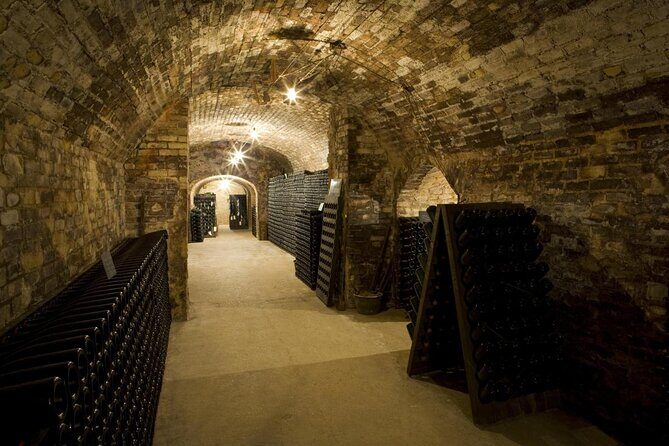
- Moët et Chandon cellars with tasting at a UNESCO heritage site
- Two vintages to sample so you can compare styles and age in context
- Hautvillers visit including Dom Pérignon’s tomb and the village viewpoint
- A Grand Cru-area drive through Aÿ with its big-name Champagne neighbors
- A small-producer stop in Cumières with a guided cellar tour and 3 glasses
- Personal guide energy: punctual, friendly, and willing to tailor the day
Entering Champagne country from Reims, with Épernay on the way
The day starts in Reims, meeting at 1 Cr de la Gare (or with pickup within about 30 minutes of Reims, including Epernay). If you’re coming from Paris, this one is not a long-distance transfer setup; it’s built for people already based in the Reims/Épernay region. That matters because it keeps the day focused: you spend more time tasting and less time stuck in transit.
Once you’re rolling, you’ll get that “Avenue de Champagne” view—yes, it really does feel glamorous, even if you’re not a high-roller. The drive is part sight-seeing, part education. It gives you a quick mental map of how multiple historic houses cluster in Épernay, so when you later step into a cellar, it all clicks.
In a private tour, you don’t have to guess your pace. I like that the itinerary has structure, but the guide can adjust based on your tastes. If you’re more into crisp styles, sweeter styles, or you want to know what to order later, this is the kind of day where you can steer.
You can also read our reviews of more food & drink experiences in Reims

Moët et Chandon: how the big house tasting fits into the story
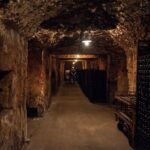
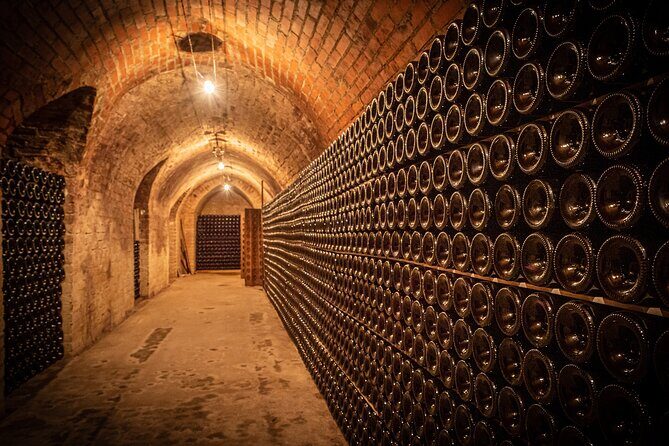
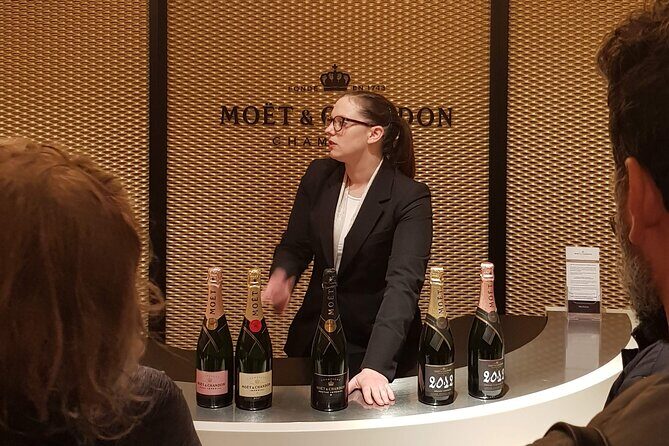
Stop 1 is the centerpiece: a Moët et Chandon cellar tour and tasting, about 2 hours. You’re not just walking through photo spots. You’re taken through historic cellars that are a UNESCO heritage site, which sets the right tone. Champagne isn’t only about the bubbles—it’s about the way houses store and age wine, and how that aging connects to flavor.
The tour includes background that’s worth paying attention to. Claude Moët began producing Champagne in 1743, and his family’s next chapter helped make the name world-known. You’ll also hear how prominent figures were customers over the centuries, including Madame de Pompadour, Napoleon, and Queen Elizabeth II. And if you like big-company context, this is also where you learn how Moët et Chandon became part of LVMH, the luxury group behind a lot of the modern Champagne power players.
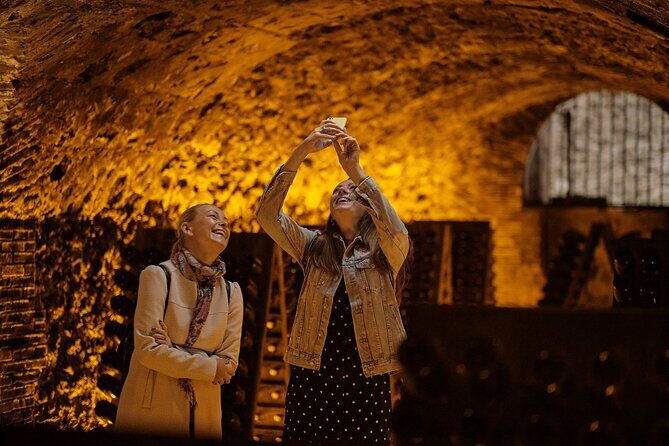
Then comes the part you’re actually here for: tasting. You’ll sample Champagne at the end of the tour, and the overall experience is designed to help you compare two vintages. That’s a smart approach. Instead of “try a bottle,” you’re tasting with a question in your head: how does time change fruit, texture, and the way the wine finishes?
A practical tip: if you want to remember what you like, ask the guide to point out the differences between pours in plain language. “More fresh and bright” versus “more round and toasty” is easier to use later when you’re ordering at a bar back home.
The Avenue de Champagne drive: quick context without overdoing it
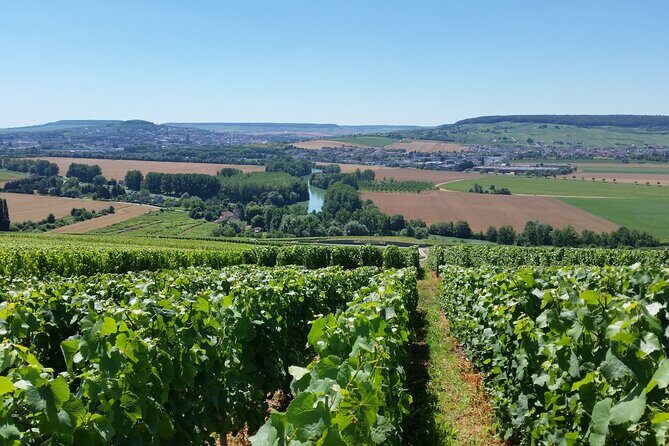
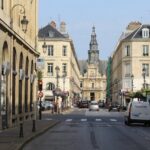
Between stops, you’ll drive past Champagne houses along Avenue de Champagne. This is a short segment, but it does real work for your understanding of the region. You see how houses are layered close together, and that helps you grasp why Épernay feels like a Champagne hub rather than a single destination.
This is also a good moment to ask questions you might not think to ask in the middle of a tasting room. You can ask how the area’s geography shapes grapes, or why certain villages became famous. In my experience, guides get more relaxed at this stage, because you’re not “on the clock” for a formal cellar visit.
Hautvillers and Dom Pérignon: why this stop keeps showing up
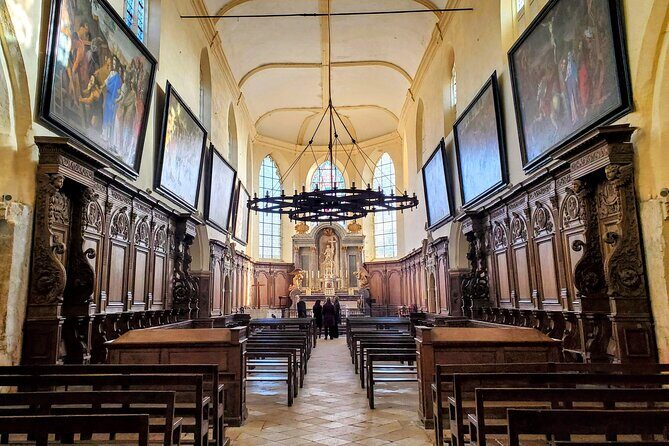
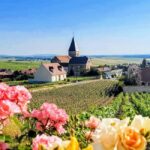
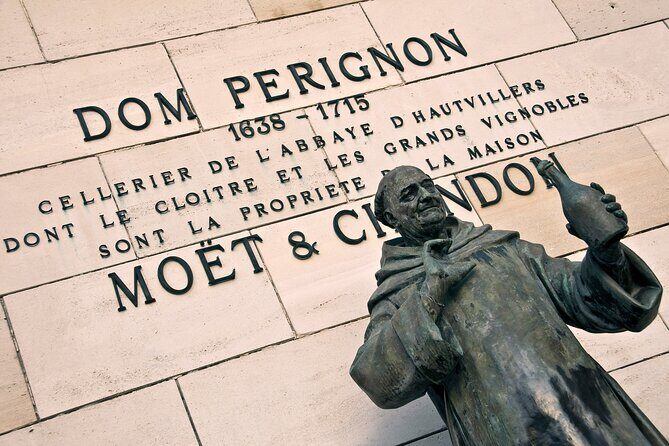
Next you’ll head to Hautvillers, about 45 minutes. This is the Champagne cradle vibe: a charming village above the Marne Valley, with views over Épernay and vineyards stretching out below. You’ll pause for the scenery, then visit the church tied to Dom Pérignon, the famous figure associated with local monastery life.
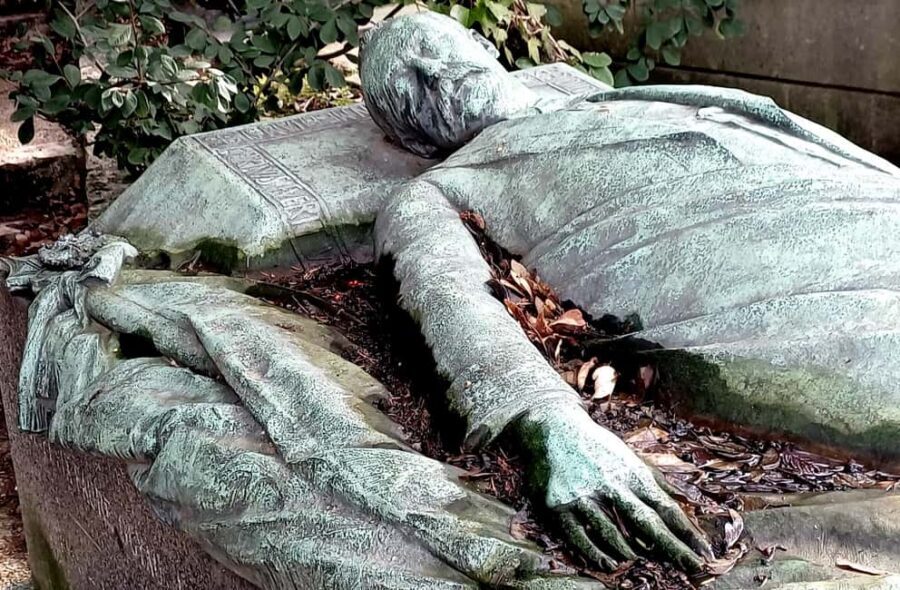
The highlight here is the tomb and the legacy conversation. Seeing Dom Pérignon’s resting place gives you more than a name to drop later. You start to connect how Champagne’s early experimental mindset became a region-wide tradition. It’s also the kind of stop that adds romance without becoming vague.
After the church visit, you’ll drive or walk through the village area and take in those medieval-looking signs on houses. It’s a UNESCO site, and the setting feels like it was built to make history feel close, not textbook.
One small consideration: this is not a “big shopping village.” The value is in the viewpoint, the church stop, and the storytelling. If you want only wineries with direct tastings, be prepared that this part is more about Champagne’s origins.
Aÿ: Grand Cru atmosphere, legends, and real brand neighbors
Your next driving stop is Aÿ (pronounced the kind of way your guide will help you with). This is also about 45 minutes, and it’s set in one of Champagne’s best-known Grand Cru areas.
Aÿ is home to big names like Bollinger, Deutz, Henri Giraud, and Ayala, plus many other houses. Even if you’re not touring those specific brands, driving through gives you the sense of why this village is famous. The cluster of major producers nearby isn’t random—it reflects consistent grape quality and a reputation that’s held for generations.
You’ll also pick up local tidbits while you’re there: legends about Henri IV and a winery in town, plus the connection that art glass maker René Lalique was born here. It’s not the sort of detail that changes the wine. But it does make the region feel lived-in and full of characters, not just labels.
If you enjoy stopping for small photo moments, this is a good one. The medieval-style buildings and village feel are exactly the kind of “eyes-on-the-ground” contrast that makes the rest of the day (cellars and bottles) feel more meaningful.
You can also read our reviews of more private tours in Reims

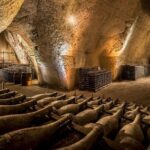

Cumières and the small producer: the best value moment of the day
Stop 4 brings things back to the bottle, but with a different scale. In Cumières, you’ll visit a selected small Champagne producer for a cellar tour and tasting, about 2 hours. This part is often where the day surprises people—in the best way.
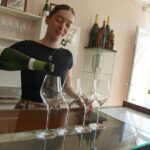
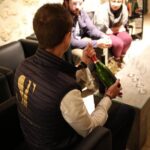
You’ll learn about the process, see machines and the cellar operation, then finish with a tasting of 3 glasses of Champagne. That three-glass format is a sweet spot: enough variety to understand the maker’s range, not so much tasting that everything starts to taste the same.
It also helps balance the Moët stop. Big houses have their own expertise, but small producers often bring a more personal style. And since this tour is private, you can usually ask more direct questions, like how they handle aging, what they prioritize in blending, or which styles they’re known for locally.
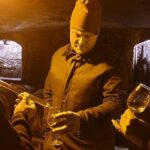
In at least some versions of this stop, the welcome can be hands-on and friendly—one review referenced being well received and even meeting the owner. While you can’t count on the exact format, the core idea stays the same: this is your chance to taste Champagne with a human face behind it, not just a polished brand presentation.
Épernay lunch break: how to pair food with what you already tasted
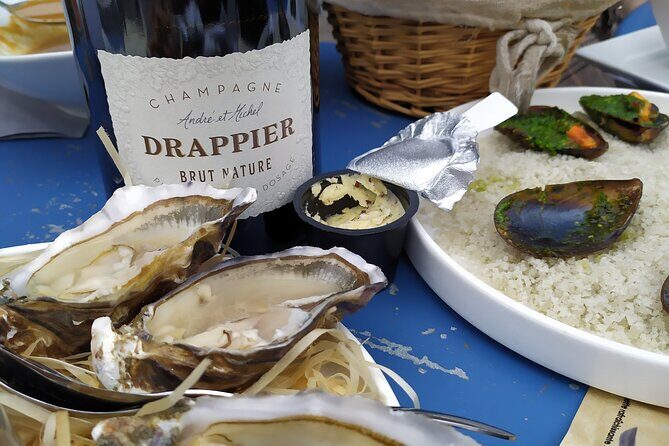
Stop 5 is a lunch break in Épernay, about 1 hour 30 minutes. Lunch is not included, but the guide will suggest good places based on what you like and what you’ve been drinking that day.
This is an underrated part of the value. Champagne can make lunch feel either like a random stop or like a deliberate continuation of your tasting day. With a guide’s recommendation, you can match your meal style to the kinds of bubbles you’ve been learning about—light and crisp for lighter food, richer bottles for dishes that can handle extra structure.
Practical advice: if you have dietary needs, tell the guide early. You’re working with a short lunch window, so it’s best to plan fast and eat well, not wander.
Also, remember the day isn’t over after lunch. Keep pace in check. A little restraint now usually leads to a better tasting experience later.
Price and value for a private Moët and Champagne tour
At $538.91 per person for about 8 hours, this is not a cheap Champagne splurge. But you’re paying for a specific combination:
- Private transportation in an air-conditioned vehicle with bottled water
- Tickets to the Moët & Chandon visit and tasting
- A second cellar tour and tasting at a small producer, including 3 glasses
- Access to key Champagne sites like Hautvillers and the Dom Pérignon tomb area
- A guide who can customize the tour to your tastes
Here’s the practical way to think about it: if you were to book a large-house tour plus add a separate small-producer visit plus arrange transport between villages, the cost usually climbs quickly. This packages it into one smooth schedule, and private time matters because you can ask better questions and spend less energy coordinating.
One more value angle: the tour blends “industry icon” and “local craftsmanship.” If you only do a big house, you can end up with a polished but generic feel. If you only do small producers, you might miss the scale and global context. This pairing gives you more complete context for what you’re tasting and why.
What it’s like with a guide like Raphael
A major theme across the experience is the guide’s role. The name Raphael shows up repeatedly in 5-star feedback, and the traits people highlight aren’t just personality fluff. They’re practical.
You can expect a guide who:
- shows up punctually
- explains Champagne and the region clearly
- stays friendly and professional
- handles adjustments without turning the day chaotic
- helps you plan lunch fast
This matters because Champagne tours can fail in two ways: either the day feels rushed, or the explanation is too scripted. The positive feedback you see here suggests that the guide approach is tuned to real visitors—knowledgeable about the product, but focused on making the day easy to enjoy.
If you care about flexibility, this tour tends to deliver. If you want to focus more on tasting differences, you can steer the conversation. If you’d rather spend more time at a particular stop, the guide’s customization is built into the experience design.
Who should book this, and who should think twice
This tour is a strong fit for you if:
- you’re a Champagne lover who wants both Moët et Chandon and smaller local producers
- you like structured tastings and guided context, not just a drive-and-hope day
- you want the Dom Pérignon stop without figuring out logistics yourself
- you value private time to ask questions and get lunch guidance
Think twice if:
- you want a half-day only (this is closer to a full day)
- you’re expecting a long lineup of multiple tastings at every stop (the core tasting is built around the Moët and small-producer sessions)
- you’re on a super tight budget and want only low-cost experiences
Should you book this Moët and Champagne private tour?
If you want a Champagne day that feels both classic and smart, I’d lean yes—especially for first-time visitors who don’t want to overplan. The biggest reasons to book are the pairing: Moët et Chandon plus a small producer, and the way the day builds from Avenue de Champagne context into Hautvillers and then into Cumières.
The one “watch it” issue is the price. You’re paying for privacy, transport, and included tastings/tickets, not just the right zip code. If that fits your travel style, this is the kind of day you’ll remember for the wine choices, the explanations, and the fact that your guide keeps it easy.
If your group is already in Reims or close by, this tour is a clean way to experience Champagne without turning your schedule into a spreadsheet.
FAQ
How long is the Moët et Chandon tasting and private tour?
The tour runs about 8 hours.
Is lunch included?
No. Lunch is not included, but the guide will suggest good restaurant options in Épernay.
What tastings are included?
You’ll visit Moët & Chandon for a cellar tour and tasting, and you’ll also visit a boutique Champagne producer for a cellar tour and tasting that includes 3 glasses. The experience also includes tasting two vintages.
Where does the tour start and end?
The tour starts at 1 Cr de la Gare, 51100 Reims, France, and ends back at the same meeting point.
Do you offer pickup?
Pickup is offered within about a 30-minute drive from Reims. There is no pickup from Paris for this experience.
Is this a private tour?
Yes. It’s private, and only your group participates.
If you want, tell me your travel dates and how many people are in your group, and I’ll help you sanity-check whether this schedule fits your Champagne priorities.