
REVIEW · PARIS
Cooking Class with a Parisian Chef
Book on GetYourGuide →Operated by Meeting the French · Bookable on GetYourGuide
Paris cooking feels closer than you think. This hands-on half-day experience puts you in a real kitchen with a Parisian chef, learning how to build flavor while you cook a true French-style menu. I like that it stays practical and friendly, with chefs who can coach beginners without making you feel slow. One watch-out: the class isn’t suitable for wheelchair users, and it’s also not for children under 6.
I also love the recipe support, since you get a copy of what you make (sent by email) so you can recreate it later instead of hoping you remember everything. And because the timing is tightly set—3 hours in the morning—you can fit it into a busy Paris plan without losing half a day to transit and indecision. If you prefer total freedom over a set schedule, you should know the session runs between 10:45 and 13:45 (Tuesday through Sunday).
From the chef names and details shared by past participants, you’ll see a consistent pattern: personable instruction, a relaxed home-kitchen feel, and a “cook, taste, then eat” finish. People have highlighted chefs like Myriam, Marthe, Carole, and Miriam, including moments like being patient with kids making tarts at home or turning a flour spill into a laugh. You’ll come away with techniques and confidence, not just a plate of food.
In This Review
- Key things to know before you cook
- A Paris kitchen class in 3 hours: how the day is paced
- Your three-course menu: Mediterranean zucchini, marinated chicken, and grape picker’s cake
- Chef-led technique coaching, from basic prep to time-saving moves
- Taste, eat, and take recipes home: what you get after class
- Who this cooking class suits best, and who should skip it
- Price and value in Île-de-France: is $212 worth it?
- Book it, or skip it: my practical recommendation
- FAQ
- FAQ
- How long is the cooking class?
- What time does the class usually start?
- Where does the class take place?
- What language is the instruction in?
- What dishes do you cook?
- What’s included in the price?
- Do you get to eat what you cook?
- Is this class private or small group?
- Is it suitable for children or wheelchair users?
- What’s the cancellation policy?
Key things to know before you cook
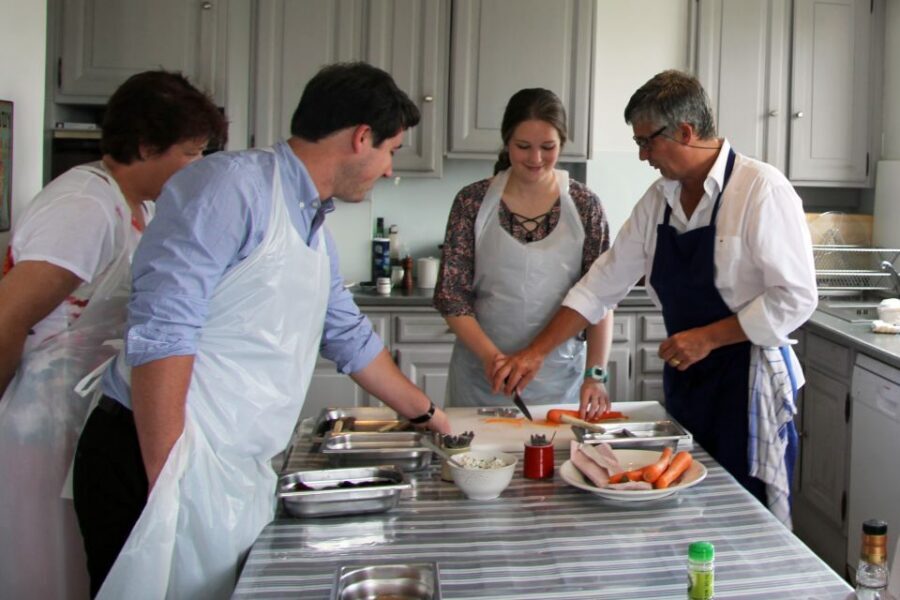
You’ll cook a full 3-course menu: zucchini starter, marinated chicken main, and grape picker’s cake.
Chef guidance is built for mixed comfort levels (including beginners).
You eat what you make at the end, so it’s not just a cooking show.
Recipes are emailed after class, so you can follow along later.
Small-group or private options are available, which can make the class feel more personal.
A Paris kitchen class in 3 hours: how the day is paced
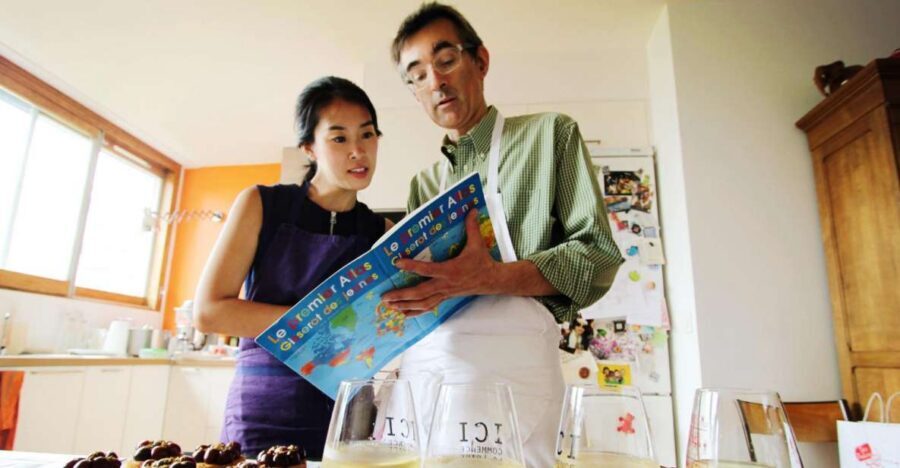
This experience is designed as a true half-day block. The class runs for about 3 hours in the morning, typically from 10:45 to 13:45, Tuesday through Sunday. That timing matters because you can still do museums, a long lunch, or an afternoon walk afterward without the day getting swallowed.
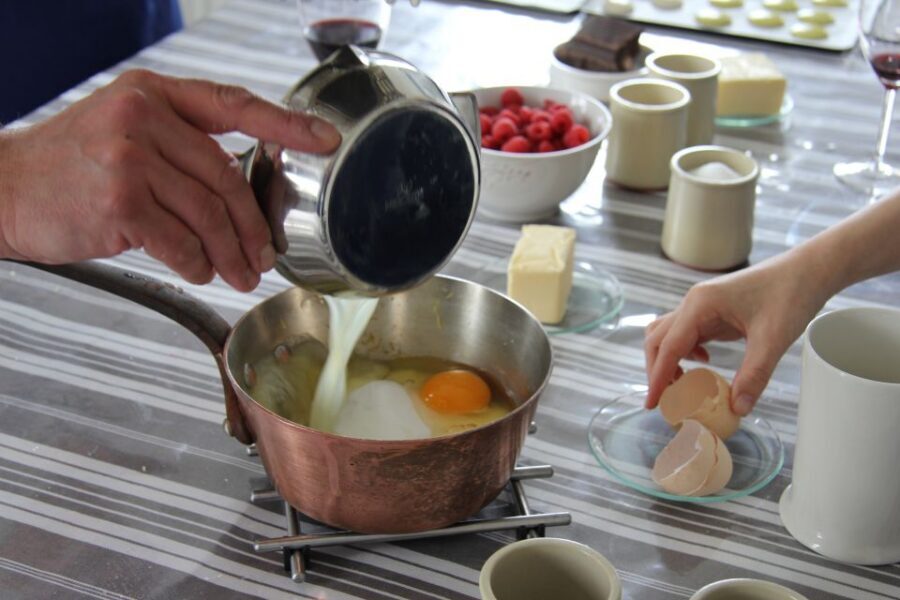
What you’re really buying is momentum. You arrive, you get set up with utensils and an apron, and then the chef guides you through steps for the starter, the main, and the dessert. There’s no “tour of cookware history” detour—just focused cooking.
You should expect a relaxed home-kitchen atmosphere rather than a big, formal restaurant setup. In past sessions, participants described a comfortable vibe and a welcoming tone from chefs like Marthe and Myriam. The pace tends to move with the group, so it’s helpful if you’re ready to chop, stir, taste, and adjust as you go.
One more practical note: the meeting point can vary depending on what option you booked. The chef’s address is sent to you by email within 48 business hours, so don’t plan to wander the exact neighborhood until you have that message.
You can also read our reviews of more cooking classes in Paris
Your three-course menu: Mediterranean zucchini, marinated chicken, and grape picker’s cake
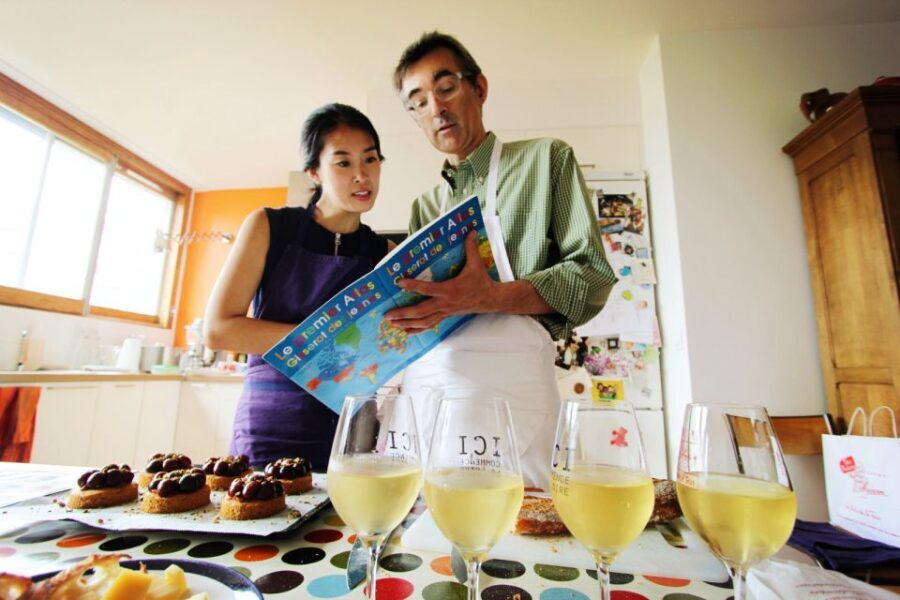
The menu is clearly set, and that’s a big part of the value. You’re not guessing what you’ll cook that day or hoping the class ends with something good. The sample lineup is:
Starter: Mediterranean zucchini
Main: Marinated chicken
Dessert: Grape picker’s cake
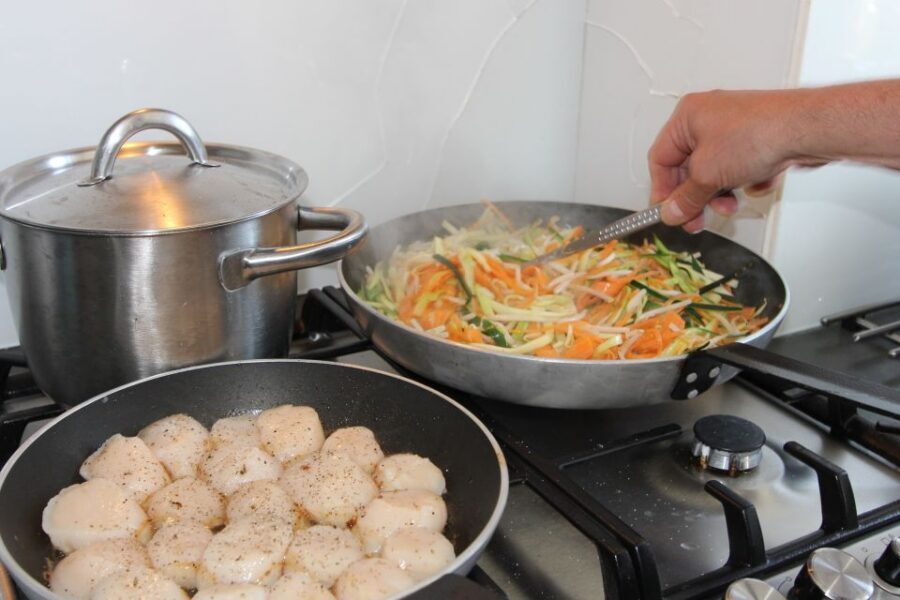
The zucchini starter is a smart first dish because it’s fast enough to learn fundamentals—prep, seasoning, and balancing flavors—without exhausting you before the main event. It’s also a good lesson in how French home cooking often leans on simple ingredients but careful attention to taste.
Then you move into the main, and the “marinated chicken” part is where the chef’s flavor tips really pay off. Marinades can feel mysterious if you’ve never done one beyond store-bought sauce, but this is the chance to learn how you get depth into meat using a planned seasoning step. Even if you already cook at home, this is where you can pick up technique and timing that saves work later.
Finally comes dessert: grape picker’s cake. Dessert classes can be hit-or-miss in some cities, but a named French-style cake gives you something concrete to practice. And because you’ll taste what you cook, you get instant feedback on sweetness, texture, and how the flavors come together once baked.
If you’re wondering what kind of skills you’ll leave with, think in terms of process: prep cleanly, season steadily, cook with intention, and taste often. That’s the through-line chefs highlighted in their instruction.
Chef-led technique coaching, from basic prep to time-saving moves
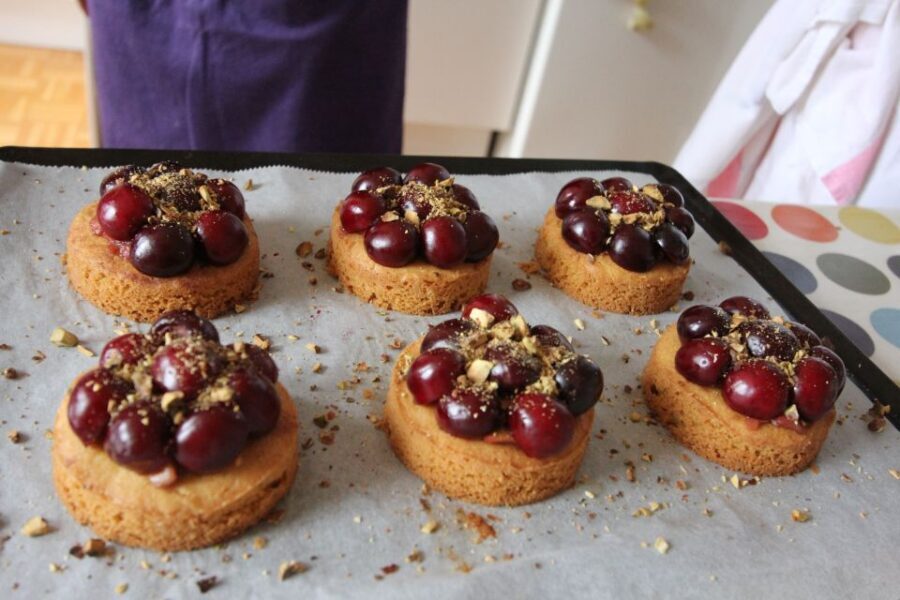
What makes this class feel worth it is the coaching style. You’re supported even if you’re not a confident cook yet. Multiple participants praised chefs for being patient and guiding people step-by-step, including chefs like Miriam and Fred. That matters because French cooking can sound intimidating until someone breaks it down into doable actions.
A few specific kinds of advice came up in feedback:
- People noted learning new techniques and better ways to combine ingredients.
- Others mentioned time-saving secrets, like how to streamline steps and prep efficiently.
- A number of reviews pointed to chefs who adjust their teaching for the group, including families and mixed levels of experience.
You’ll likely practice more than just the “recipe.” The real payoff is understanding why something works. For example, marination isn’t only about adding flavor; it’s also about planning and letting ingredients do work while you handle the next steps. And even for zucchini, the trick is usually balance—salt, herbs, and acidity working together rather than one flavor shouting over the rest.
Chefs also tend to guide you on presentation without fuss. In reviews, the tone is consistently friendly and encouraging, including moments where chefs handled messes with humor. That’s not just good manners; it helps you keep confidence when the flour flies or your timing slips.
Taste, eat, and take recipes home: what you get after class
This is not a class where you cook and then leave your food behind. You get the best part baked in: you taste what you cook and then you typically sit down for a meal to enjoy the dishes as a finished plate.
Some past participants specifically mentioned that the end of the day felt like a proper meal, not a rushed standing snack. One review even called out wine with the meal experience, which suggests that at least some chefs may add small extras to create a more “Paris at home” dinner feel. You shouldn’t count on a beverage, but it’s a good sign that the chefs treat the sit-down portion seriously.
Then there’s the “take it home” component. You receive a copy of the recipe by email, which is huge for practical value. Without that, cooking classes often become one-day memory projects. With it, you can cook again using the same ingredient logic and steps you learned in the kitchen.
If you like to cook after travel, this matters more than it sounds. It turns the class into a repeatable skill, not just a souvenir.
Who this cooking class suits best, and who should skip it
This experience is a strong match for:
- Couples and friends who want something more interactive than a typical food tour
- People who want to learn French cooking basics without being judged for beginner mistakes
- Anyone who enjoys practical, step-by-step instruction
- Travelers who like a small-group feel (private or small groups are available)
It may not be a great fit for:
- Wheelchair users, since it’s not suitable
- Families with kids under 6, since it’s not suitable for children under 6
- Anyone who needs a flexible drop-in schedule, since sessions are fixed in the morning time window
Also, keep your expectations realistic. It’s 3 hours, so you won’t become a Michelin-level pastry chef. Instead, you’ll learn repeatable technique: how to prep and season with confidence, how to manage cooking steps efficiently, and how a simple menu can still taste like France.
You can also read our reviews of more tours and experiences in Paris





Price and value in Île-de-France: is $212 worth it?

At $212 per person for about 3 hours, this isn’t the cheapest “cook something” activity in Paris. But it can still be great value when you look at what’s included and what you learn.
Here’s what you’re paying for, beyond the food:
- All ingredients are included, plus utensils and an apron
- You’re guided by a Paris-based chef who cooks in restaurants and at home
- You get a recipe copy by email, which extends the value past the class
- Small-group or private formats are available, which often means more direct attention
When meals are involved and someone is teaching you technique, the cost usually makes more sense. You’re not buying just lunch; you’re buying a lesson you can repeat.
The menu itself is also a meaningful indicator. Zucchini starter, marinated chicken, and grape picker’s cake cover savory structure and dessert basics in one tidy package. That’s a better spread than classes that do one impressive dish and call it a day.
The main “value risk” is group matching. The experience uses minimum/maximum numbers and there’s a possibility of cancellation if there aren’t enough passengers, or if too many people try to book the same session. Still, if it runs, the format is designed to feel structured and complete.
Book it, or skip it: my practical recommendation
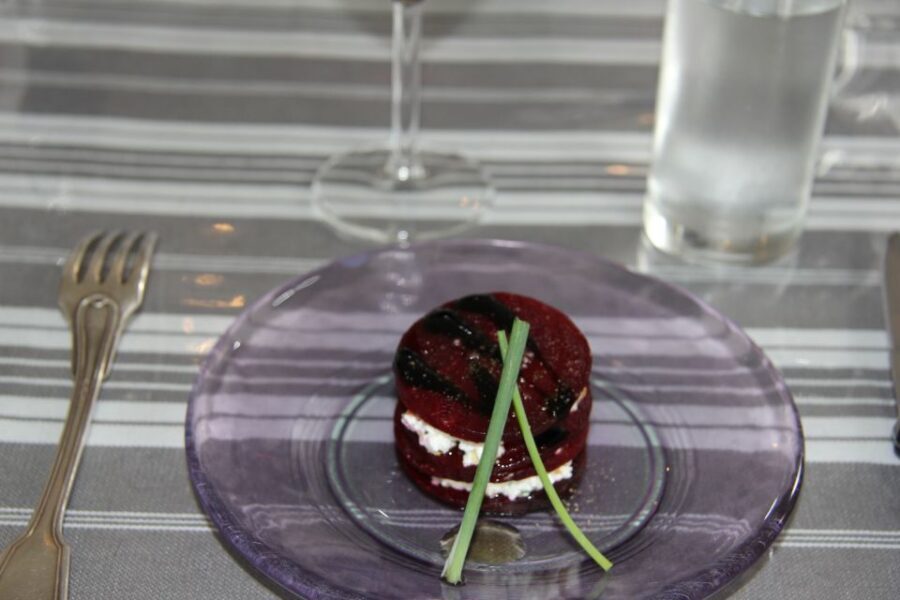
Book this class if you want a genuine French home-kitchen experience with clear instruction and a concrete menu. The consistent 5/5 feedback pattern around chefs like Myriam, Marthe, Carole, and Miriam points to the same strengths: friendliness, patience, and learning technique you can actually use again.
Skip it if:
- You need accessibility support for wheelchair access.
- You’re looking for a long, multi-neighborhood market day, since this is kitchen-focused and timed.
- You don’t want any set schedule in your itinerary.
If you’re a cook at heart, or you’d like to become one, this is a straightforward way to bring Paris flavor back home—without needing special equipment or fancy ingredients you can’t find later.
FAQ
FAQ
How long is the cooking class?
The class runs for about 3 hours.
What time does the class usually start?
It’s offered in the morning between 10:45 and 13:45, Tuesday through Sunday.
Where does the class take place?
It’s in Île-de-France, France. The specific chef address is emailed to you within 48 business hours of booking.
What language is the instruction in?
You’ll have a live tour guide in English and French.
What dishes do you cook?
The sample menu includes Mediterranean zucchini, marinated chicken, and grape picker’s cake.
What’s included in the price?
Ingredients, utensils, and an apron are included, and you receive a recipe copy by email.
Do you get to eat what you cook?
Yes. Participants have the opportunity to taste what they cook.
Is this class private or small group?
Private or small group options are available.
Is it suitable for children or wheelchair users?
It’s not suitable for children under 6, and it’s not suitable for wheelchair users.
What’s the cancellation policy?
Free cancellation is available up to 24 hours in advance for a full refund.