REVIEW · PARIS
Paris: Musée d’Orsay Guided Tour with Ticket
Book on GetYourGuide →Operated by Babylon Tours LLC · Bookable on GetYourGuide
Art comes alive fast at Orsay. This is a guided way into the Musée d’Orsay, housed in a former rail station, where the art is tied to the bigger story of 19th-century France. I love the Beaux-Arts building itself, and how the guide frames what you’re seeing so it makes sense on first contact.
I also like the small group size (max 6), which keeps the pace human and questions easy. The only real drawback is that 2.5 hours moves quickly if you want to linger in every room, and luggage/large bags aren’t allowed (no coat or luggage storage is included).
In This Review
- Key things I’d bet on before you book
- Musée d’Orsay in 2.5 hours: why this tour hits the sweet spot
- Where you meet can vary: plan for one extra check
- Step into the former rail station: what the opening moment is really for
- The guided highlights: Monet, Van Gogh, Manet, Renoir, Cézanne, Gauguin
- The technique lesson: how the Impressionists changed the rules
- Stop-by-stop timing: how it flows without dragging
- Guides matter here: the stories people remember
- Small group, big advantage: max 6 changes the vibe
- Languages: you can get this tailored, not simplified
- What’s included, what isn’t: plan your day like an art student
- Price and value: what $128 buys beyond the ticket
- Who this tour suits best (and who might want something else)
- Should you book this Musée d’Orsay guided tour with ticket?
- FAQ
- How long is the Musée d’Orsay guided tour with ticket?
- What is included with the tour price?
- Are luggage or large bags allowed during the tour?
- How big is the group for this tour?
- What languages are available for the guide?
- Where do I meet the guide, and does it stay the same for everyone?
Key things I’d bet on before you book
- Ticket + permanent-collection entry included, so you’re not scrambling at the door.
- Former station setting, which makes the museum feel like a character, not just a container.
- Certified guides with strong storytelling, with examples like Miriam (tight narrative through crowded timing) and Nadia (making people and time periods feel real).
- Highlights plus lesser-known picks, including major 19th-century names such as Manet, Renoir, Cézanne, Gauguin, plus Monet and Van Gogh.
- Impressionist technique talk, with an emphasis on how the “rebels” changed painting.
- Photo stops and short free time, so you get a breather without losing the structure.
Musée d’Orsay in 2.5 hours: why this tour hits the sweet spot
The Musée d’Orsay is one of those Paris museums where the building is half the show. This tour leans into that right away: you’re not just staring at wall labels. You get an expert introduction that turns the collection into a timeline you can actually follow.
The timing is also smart. Two and a half hours is long enough to see multiple core works and get the artist context that makes them click. It’s short enough that you can still have energy for other neighborhoods afterward.
And yes, it’s built as a first-time-friendly visit. The tour is designed to get you oriented fast—then give you just enough freedom to look closer once you know what to notice.
You can also read our reviews of more tours and experiences in Paris



Where you meet can vary: plan for one extra check
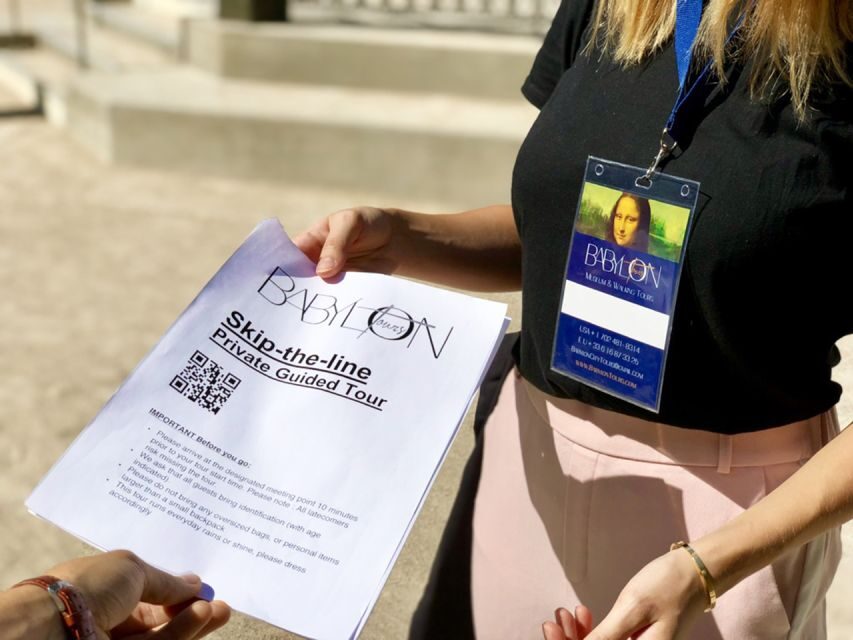
Your start point depends on the option you book, and the meeting location can differ. The tour lists several possibilities tied to the Musée d’Orsay area, including an option at 7 Quai Anatole France.
This matters because Orsay sits right in the middle of a busy museum zone. Before you leave your hotel, check your confirmation carefully and give yourself a few buffer minutes. One small mismatch at the start can turn an easy morning into a mild stress festival.
If you’re traveling with a small day bag, make sure it fits the rules. The tour explicitly does not allow luggage or large bags, and luggage/coat storage is not included—so plan to travel light.
Step into the former rail station: what the opening moment is really for
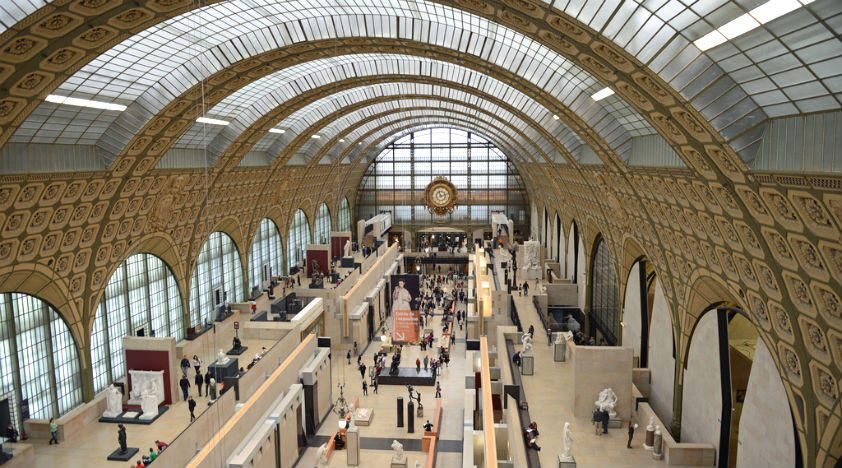
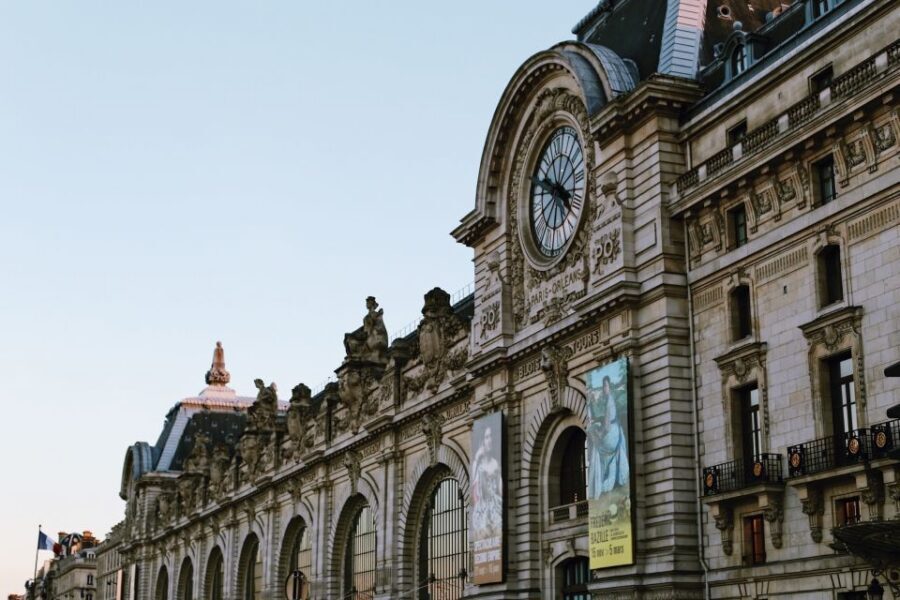
Orsay’s “wow” moment hits at the building scale first. This is a Beaux-Arts structure, originally a rail station, so the ceiling and architecture give you a strong sense of space before you even hit the galleries.
That’s not just decoration. When a guide starts you here, you’re more likely to remember the museum layout and how the sections connect. It’s easier to understand the collection when your brain already has a map.
From there, the tour’s first chunk is all about getting you grounded. You’ll begin with a guided walk through the museum highlights, then you’ll get a bit of breathing room. Think of it as: get the story, then look with eyes that know what they’re hunting.
The guided highlights: Monet, Van Gogh, Manet, Renoir, Cézanne, Gauguin
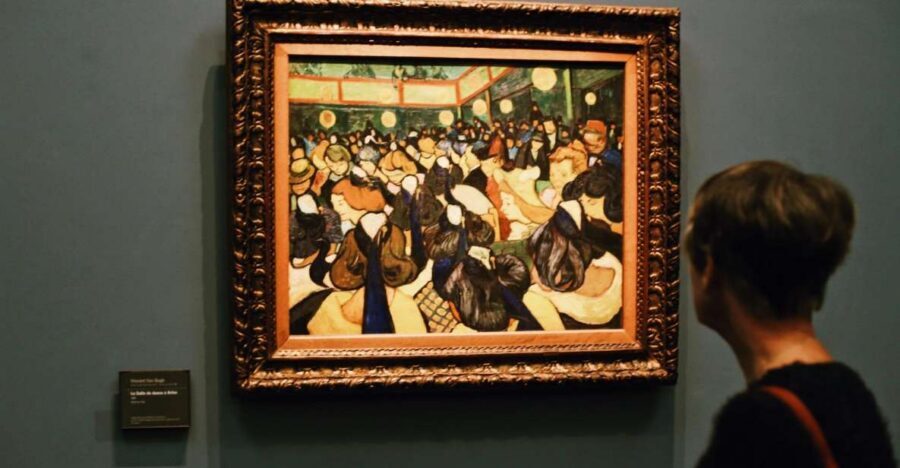
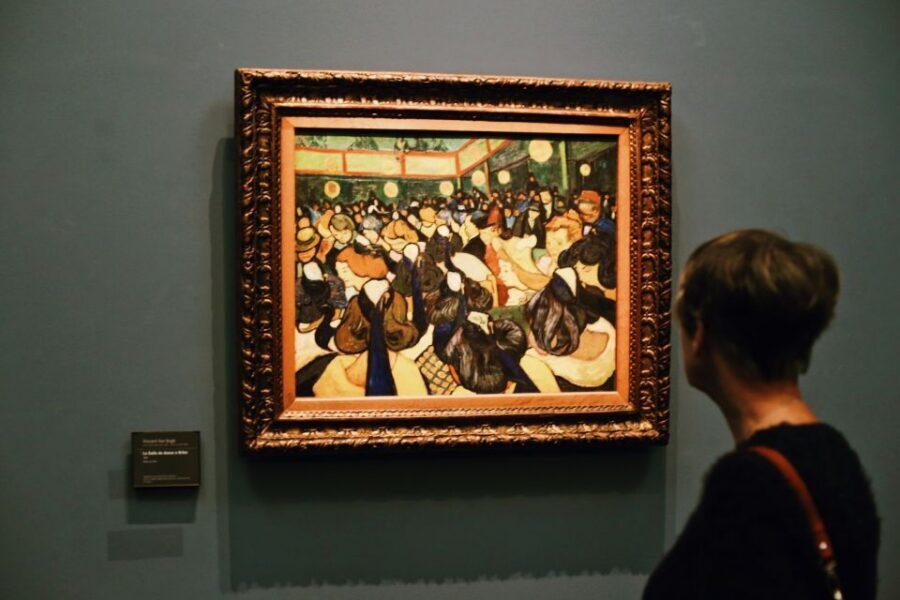
This tour’s focus is 19th-century French art, with named emphasis on major figures. You’ll hear about artists like Manet, Renoir, Cézanne, and Gauguin, plus the world-famous pieces associated with Monet and Van Gogh.
What I like about this approach is that it doesn’t treat these painters like isolated icons. The guide ties styles to the period—so you start noticing differences in brushwork, composition choices, and what each artist was reacting to.
Some guides also use a more interactive method. One review mentioned an iPad used to add extra information on key paintings, which can be helpful when you’re standing back and trying to zoom in mentally.
Also, the tour aims to cover not only the obvious hits. It includes highlights and lesser-known gems—pieces that help fill in the gaps between the famous names. That’s where a guided intro often beats a solo visit: you stop seeing the museum as a checklist.
The technique lesson: how the Impressionists changed the rules
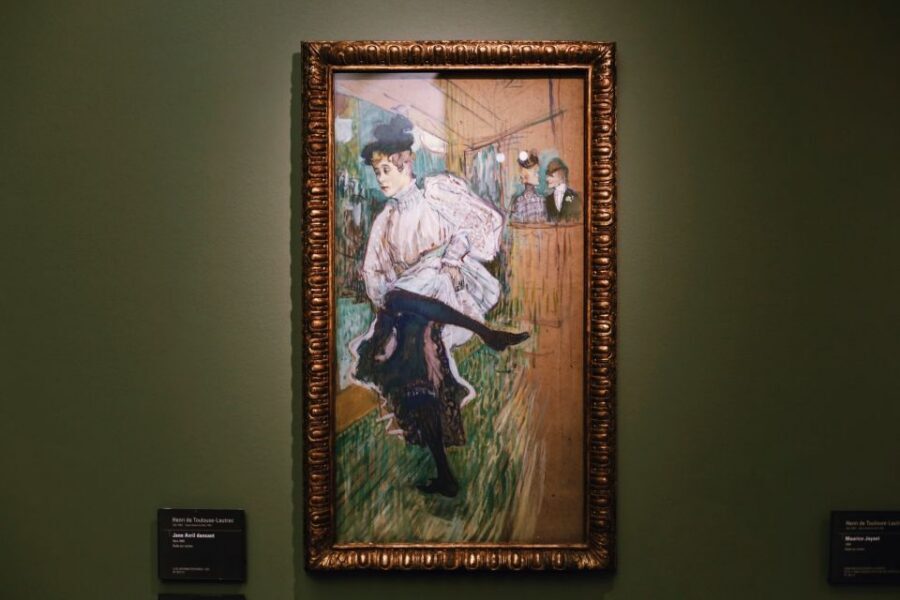
Here’s the part that can transform your experience. The tour doesn’t only explain what paintings look like—it explains why they look that way.
You’ll get commentary on the secrets behind Impressionists and post-Impressionists, plus how a small group of art rebels helped pave the way for the movement. In practice, that means you should leave with a clearer sense of what changed: the goals, the methods, and the audience expectations.
If you’re used to reading art as just color and subject, this is the shift to watch for. When you understand technique—how light is handled, how scenes are constructed, why a subject is framed a certain way—the paintings stop feeling random.
A guide can also bring the period alive. Reviews highlight that people like Miriam and Nadia were good at linking the art to the people and conditions of the time. Another guide style called out the ability to connect social events to what artists painted. That kind of context can help you “read” the work instead of only “looking” at it.
You can also read our reviews of more guided tours in Paris






Stop-by-stop timing: how it flows without dragging
The visit is structured into two main museum phases after you meet.
- Stop 2 (main visit + guided tour): You’ll spend the bulk of the time in the museum on a guided route, with a mix of guided viewing and a short free-time window. This is where you’ll cover the core highlights and the narrative arc.
- Stop 3 (break + photo stop + wrap-up time): You’ll have a break and a photo moment, then more guided time, followed by a shorter free-time stretch (listed as 15 minutes).
Why this matters: Orsay can make you feel pulled in five directions at once. A guided pacing plan helps you cover key works first, then use free time strategically—rather than wandering until you’re too tired to absorb anything.
If you hate rushing, keep your expectations realistic. This is designed for an introduction, not a slow museum immersion. If you want a deep, wall-to-wall experience, you’d likely pair this with extra solo time afterward.
Guides matter here: the stories people remember
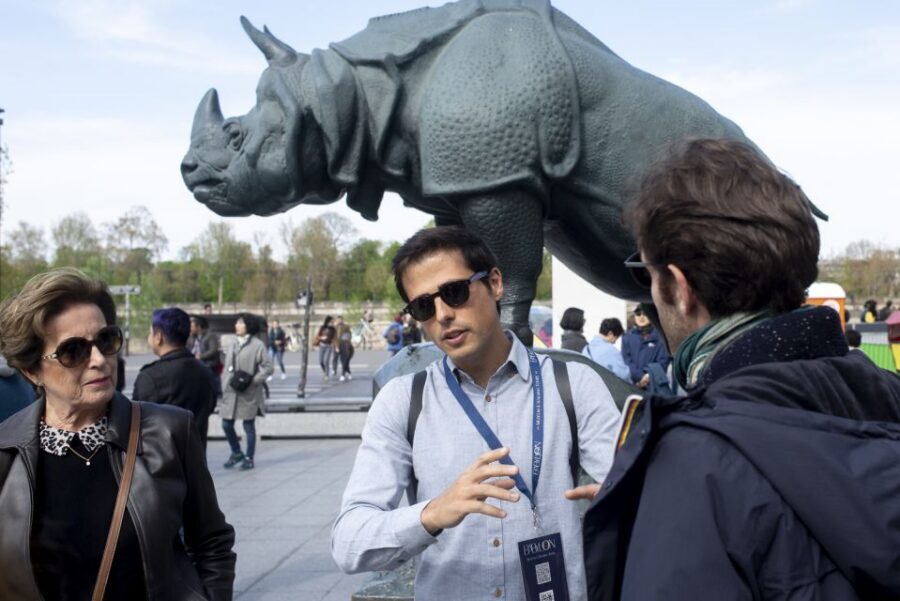
One of the strongest themes in the feedback is that the guides bring the art to life with strong pacing and a clear narrative thread.
A few names that came up in praised experiences: Mathieu, Lilya, Miriam, Nadia, Tristan, Marcel, Alex, Taylor, Felix, Malika, Katrina, Belen, Oliver, and Dario. The common thread isn’t just facts—it’s the way they connect artwork to context.
You’ll see different guide styles, but the best ones share a few traits:
- They can explain art history without turning it into a lecture.
- They keep momentum during busy museum moments.
- They guide you so you can ask questions without feeling rushed.
For example, one review singled out Miriam for weaving artwork-to-artwork links while handling holiday crowds. Another praised Tristan’s humor and pace. Marcel was noted for going beyond typical tour commentary with clear context for cultural impact. Alex was praised for clarity and extra time spent on explanation.
So if you’re picking a tour with the expectation that the guide is the product, this one delivers.
Small group, big advantage: max 6 changes the vibe
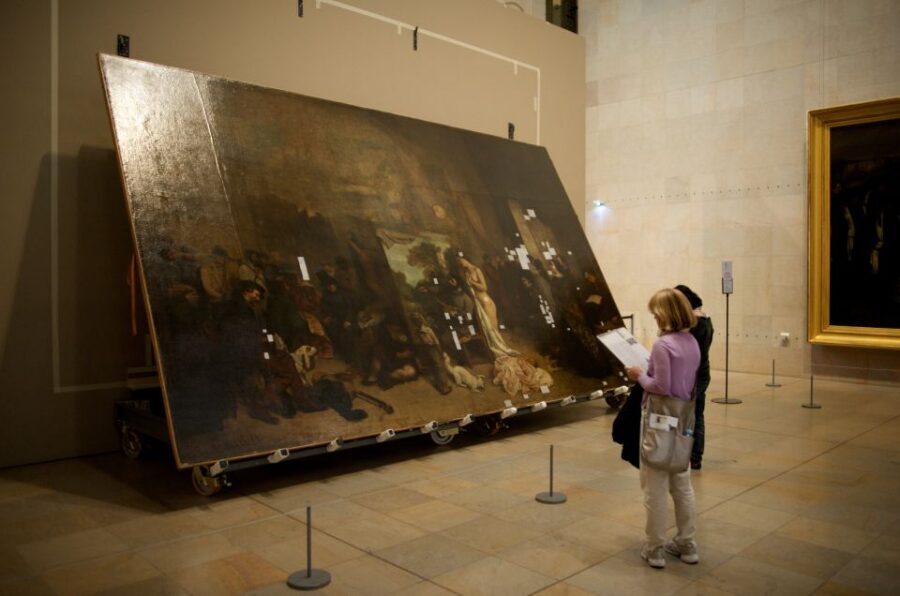
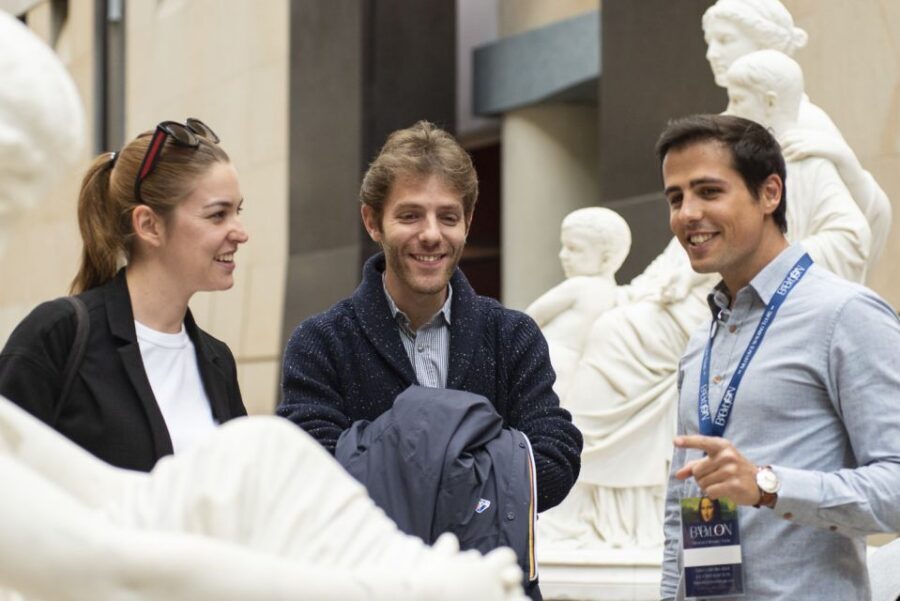
This tour caps group size at 6 guests per guide for a more personal experience. That’s not just a nice-to-have. It affects the whole feel.
With a small group, the guide can slow down when someone asks a question. You’re less likely to get “tour herding” where you only half-hear explanations. And you can follow along in real time, which matters at Orsay where famous works can be visually dense.
It also helps with energy management. If you’re traveling with teens or friends who get bored fast, the structure plus guide storytelling is often what keeps everyone engaged. One review even mentioned how a guide taught without boring teens.
Languages: you can get this tailored, not simplified
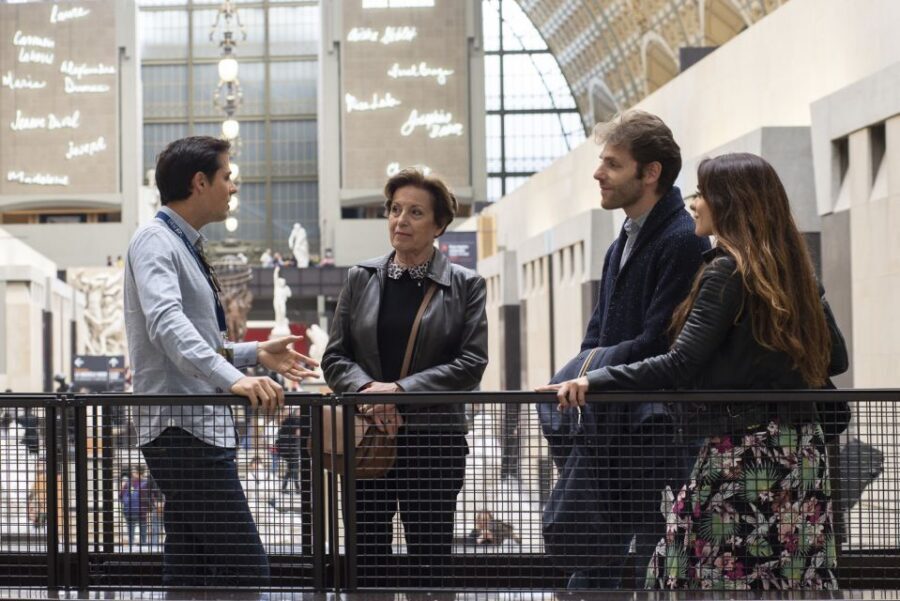
The tour is offered in multiple languages: French, English, Italian, Russian, German, and Spanish. That gives you a real advantage if art history in your own language makes you more willing to ask questions.
Also, the guide format is built for commentary, not just silent viewing. So you want the language option that lets you catch the small points, like why a painter chose a certain approach—or what the “rebels” were pushing back against.
What’s included, what isn’t: plan your day like an art student
Included:
- Museum entrance fees (permanent collection)
- Live guide
Not included:
- Luggage or coat storage
- The tour does not allow luggage or large bags
So pack smart. Bring what you can comfortably carry. If you’re coming straight from traveling, consider leaving suitcases at your hotel and keeping just a small bag and maybe a light layer.
Also note: some rooms inside the museum have rules that require quiet or limit speaking. That’s normal for major art sites, but it can affect how animated your questions are. In those moments, you’ll do better if you save your louder thoughts for when you’re back in more open areas.
Finally, some collections can vary by year. That’s not a deal-breaker, but it’s a good reminder that what you see on the day can shift slightly.
Price and value: what $128 buys beyond the ticket
At $128 per person for about 2.5 hours, the price isn’t just for entry. The included ticket covers museum access to the permanent collection, and the guide provides the real value: interpretation, pacing, and the link between works.
If you’re short on time, a guided intro can be a strong value. Orsay can overwhelm you fast, especially if you don’t yet know what to look for. Paying for expert guidance buys you time saved and confusion reduced.
Also, many people mention a head start that helps with long lines. The tour isn’t only about “seeing famous works.” It’s about getting to them with less friction so you can spend your limited energy actually absorbing what you came for.
On the other hand, if you love museums so much that you’d happily spend a full day reading every label, you might find 2.5 hours leaves you wanting more time. In that case, this tour works best as the first step—then you add free wandering afterward.
Who this tour suits best (and who might want something else)
This tour is a great fit if:
- You’re visiting Orsay as a first museum stop in Paris.
- You want a structured introduction to 19th-century French painting.
- You like art that comes with context—why it was made and how it changed.
- You prefer a small group where you can actually interact.
It may be less ideal if:
- You want an all-day, slow museum experience.
- You need to bring large luggage or rely on on-site storage that isn’t included.
- You’re the type who hates any pacing plan and wants full freedom from start to finish.
Should you book this Musée d’Orsay guided tour with ticket?
I’d book it if you want your first Orsay visit to feel coherent instead of chaotic. The combo of ticket included, certified professional guides, and a tight max 6 group makes it a practical way to see the museum’s big names and understand the movement behind them.
It’s also a smart choice if your time in Paris is limited. 2.5 hours is enough to gain real momentum, then you can decide whether you want to return to specific rooms you liked most.
Just go in ready for speed. Bring a small bag, watch your step around quiet-rule rooms, and give yourself permission to treat this as your orientation lap—not the final lap.
FAQ
How long is the Musée d’Orsay guided tour with ticket?
The tour duration is listed as 2.5 hours. Starting times vary, so you’ll want to check availability for the slot that fits your day.
What is included with the tour price?
Your ticket includes museum entrance fees for the permanent collection, plus a live guide.
Are luggage or large bags allowed during the tour?
No. The tour does not allow luggage or large bags, and luggage or coat storage is not included.
How big is the group for this tour?
The tour has a maximum of 6 guests per guide for a more intimate, personalized experience.
What languages are available for the guide?
The live guide is available in French, English, Italian, Russian, German, and Spanish.
Where do I meet the guide, and does it stay the same for everyone?
The meeting point may vary depending on the option booked, and the activity ends back at the meeting point. One of the listed options includes the area around Musée d’Orsay, including 7 Quai Anatole France.