REVIEW · PARIS
Entry Ticket for Paradox Museum Paris
Book on Viator →Operated by Paradox Museum Paris · Bookable on Viator
Physics can be fun.
Paradox Museum Paris is built for hands-on curiosity, where your eyes and senses get challenged on purpose. You walk in expecting reality, and you leave questioning how easily your brain can be fooled by visual and tactile cues.
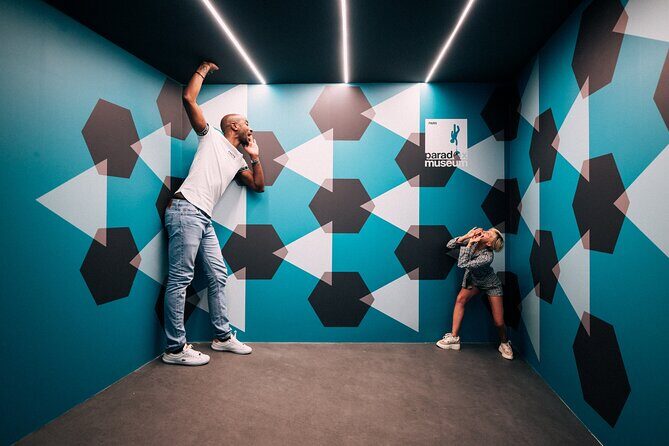
What I like most is the interactive format that lets you move at your own pace, and the standout illusions like the Ames Room and hanging rooms that are made for both laughter and memorable photos. One thing to keep in mind: a few exhibits aren’t suitable if you’re sensitive to light or you have epilepsy, so it’s worth reading the warnings before you commit.
In This Review
- Key Things to Know Before You Go
- Paradox Museum Paris in 90 Minutes: Playful Brain Tricks
- Choosing Your Time Slot and Getting In Smoothly
- Inside the Museum: How the Exhibits Mess With Your Senses
- Ames Room and Hanging Rooms: Where the Best Photo Moments Happen
- Pacing Your Visit: How to Use the 1.5 Hours
- Staff Help and the Photo Factor: Expect More Fun, Not Perfect Guidance
- Who This Museum Fits Best in Your Paris Itinerary
- Light Sensitivity and Epilepsy Warnings: Read Before You Go
- Value Check: Is $33.11 Worth an Hour and a Half?
- Should You Book Paradox Museum Paris Tickets?
- FAQ
- FAQ
- How long is the Paradox Museum Paris ticket experience?
- Can I choose what time to visit?
- Is the ticket mobile, and is English available?
- What kind of exhibits should I expect?
- Are there warnings for light sensitivity or epilepsy?
- Is there free cancellation?
Key Things to Know Before You Go
- Choose your own visit time for a smoother fit into your Paris day.
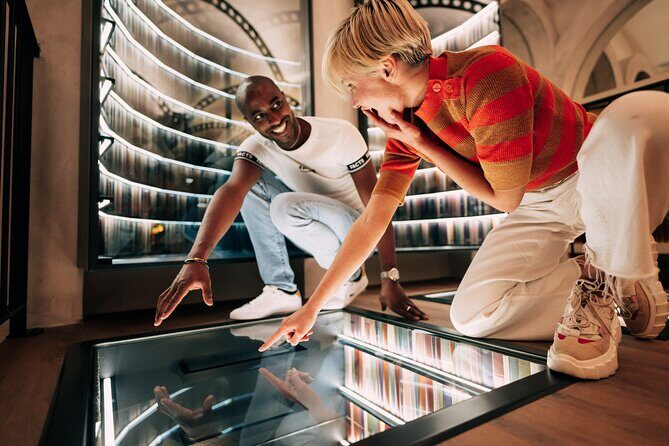
- Interactive paradox exhibits test how your brain processes what you see and touch.
- Photo-friendly highlights include the Ames Room and hanging rooms.
- Self-paced museum flow means you can linger where you find it most interesting.
- Staff support can vary, especially around photo spots.
Paradox Museum Paris in 90 Minutes: Playful Brain Tricks
If you like museums that don’t feel like homework, this is a great match. Paradox Museum Paris is designed around the idea that perception is not always reliable. Expect lots of “wait, that can’t be right” moments, then moments where you learn why your brain interpreted something one way instead of another.
The museum leans hard into experimentation. You’ll run into exhibits that use visual tricks, physical interactions, and sensory misdirection. It’s not just about looking; it’s about doing. And because it’s built around paradoxes, the experience has a playful tone even when you’re learning something real about how perception works.
You’re also getting a very practical format: an approximately 1 hour 30 minutes visit is enough time to have fun without feeling dragged through a long maze of rooms. That makes it easier to combine with other Paris plans, especially if you want something light, hands-on, and more interactive than typical museum stops.
You can also read our reviews of more tours and experiences in Paris



Choosing Your Time Slot and Getting In Smoothly
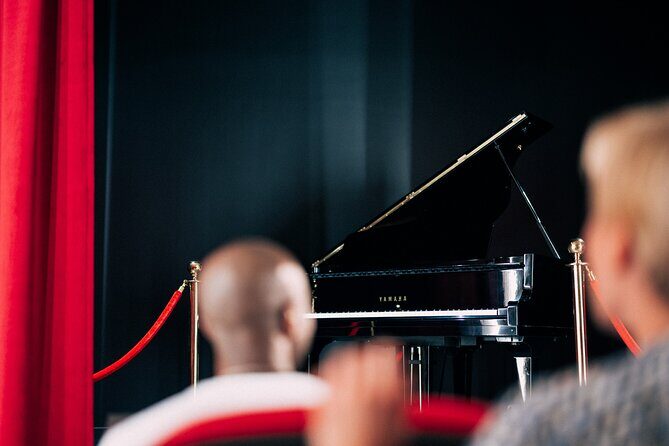
This ticket is set up so you can pick the time you want to visit as part of a private experience. That matters in Paris, where the biggest pain is often waiting. Pre-booking your museum ticket is also a smart time-saver, because you’re not gambling on when you can actually get in.
You’ll have a mobile ticket, which is exactly what you want for a city day. No paperwork to misplace, and it’s quick to show up when your slot hits. Also, the museum is near public transportation, so you can slot it in without turning your day into a long, complicated commute.
One more practical point: plan to arrive a bit ahead of your chosen time. With any hands-on museum, the entrance moment sets the tone. If you start with a calm pace, you’ll enjoy the illusions more, and you’ll be less rushed when you reach the photo hotspots.
Inside the Museum: How the Exhibits Mess With Your Senses
The core theme is simple: your brain makes fast assumptions, then your body follows along. Paradox Museum Paris turns that into entertainment. You’ll see how altered perceptions can happen when your senses get mixed signals—like what your eyes think is happening versus what your hands and body experience.
Many of the exhibits are built to encourage repeat tries. That’s the secret sauce of a good interactive museum: the first moment gets you, and the second or third moment makes you understand. You might think you know what you’re seeing, then you step into a setup and realize the rules are different than you assumed.
You’ll also notice the museum is designed for laughter and curiosity, not silence. In this kind of environment, it’s normal to pause, reset your expectations, and try again. That’s why self-paced visiting works so well here. You can spend more time on the things that click for you and skip over what doesn’t.
Ames Room and Hanging Rooms: Where the Best Photo Moments Happen
Some illusions are famous for a reason, and the museum leans into that. The Ames Room is often singled out because it’s clever and easy to understand once you’re standing in the right spot. It plays with scale and perspective so your brain reads size and distance wrong.
Then there are the hanging-room style illusions. These are the kind of exhibits that make you laugh because your body wants to follow what it thinks it sees. You’ll likely end up taking multiple photos, partly because it’s fun and partly because the effect is stronger when you move into position.
Here’s how I suggest approaching these highlights:
- Treat them like puzzles, not like quick photo stops.
- Read what the setup is trying to trick you into doing.
- Give yourself a minute to try a few angles, then decide if you want to involve other people in your shots.
If you’re the type who loves “how did they do that” moments, these sections can become the best part of your visit fast.
Pacing Your Visit: How to Use the 1.5 Hours
An approximately 90-minute visit is a sweet spot. You want enough time to bounce between exhibits and get your photos without feeling like you’re on a strict timer. But you also don’t want to wander so long that you lose the thrill.
I recommend treating your visit like this:
- First 20–30 minutes: focus on getting oriented and hitting the exhibits that look most fun.
- Middle chunk: slow down where you feel the paradox working on you.
- Final 15–20 minutes: circle back for photos you want again, or for any exhibit you didn’t get the first pass.
Because you’re self-paced, you can adjust if something catches your attention. And since it’s designed for interactive play, you’ll usually want short breaks between exhibits—mostly to reset your brain and avoid photo fatigue.
If you’re going with kids, a slightly faster pace works best early on. Let them run the fun parts first, then shift into the more thought-provoking exhibits once everyone’s warmed up.
You can also read our reviews of more museum experiences in Paris






Staff Help and the Photo Factor: Expect More Fun, Not Perfect Guidance
A hands-on museum is only as good as how smoothly visitors can figure things out. The museum’s staff can be a big help when you’re trying to understand how to get the effect right or where to stand for a photo moment.
That said, there is a balance here. Some people find the experience very well supported, while others feel that the guidance and help for photos isn’t always consistent. So it’s smart to plan for a bit of self-navigation. Look for on-site signage and be ready to figure out your pose through trial and error.
This is actually part of the charm. The exhibits are designed to reward you for experimenting, not just receiving instructions. Still, if you want staff assistance for photos, arriving when the place isn’t slammed can improve your odds.
Who This Museum Fits Best in Your Paris Itinerary
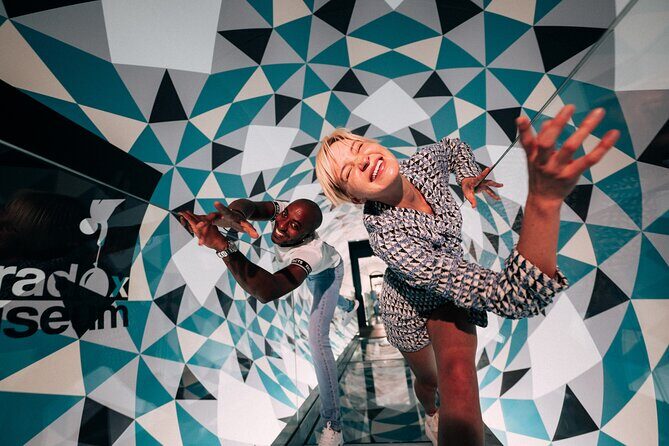
Paradox Museum Paris is great when you want something different from classic sightseeing. It’s a strong choice for:
- Families who want an active, kid-friendly break from long walking days.
- Couples who like playful activities and want photos that look impossible (and get reactions).
- Adults who enjoy science concepts without needing a lecture format.
If your travel style includes hands-on experiences—workshops, science centers, playful galleries—this will feel natural. And because it’s English offered, it’s easier to enjoy the explanations without guessing.
It also works well as a reset day plan. Paris can be all monuments, all the time. This gives you a more lighthearted, indoor option that doesn’t require you to dress for a long cold line.
Light Sensitivity and Epilepsy Warnings: Read Before You Go
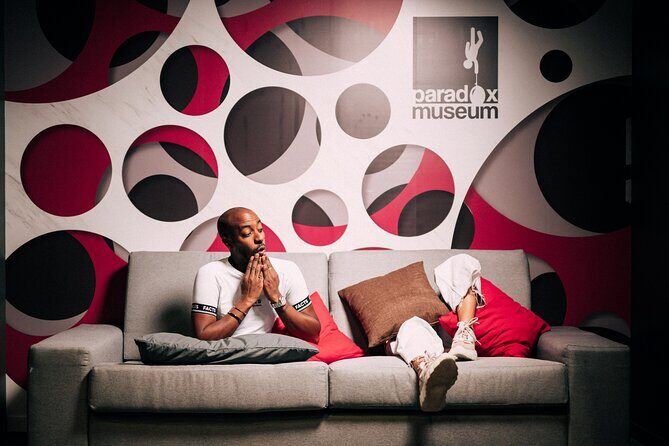
This is important. Some exhibits are not suitable for people with sensitivity to light or for those who suffer from epilepsy. The museum displays warnings, so you’re not walking into this blind.
My practical advice: if light sensitivity is part of your health picture, don’t treat warnings as optional. Take them seriously, and consider skipping any exhibit area marked as a risk for your needs. If you’re traveling with someone who needs that kind of caution, plan your visit with patience and choose a time when you can move calmly.
The good news is that warnings are correctly displayed. You have the information you need on-site. The key is to use it before you commit.
Value Check: Is $33.11 Worth an Hour and a Half?
At about $33.11 per person for an approximately 1.5-hour visit, this is not a throwaway purchase. You’re paying for two things: access and a designed-for-fun format.
So here’s the value logic I’d use if you’re deciding:
- If you enjoy interactive museums and you like taking photos that actually look different, it’s a solid use of time. The experience is built so that the “wow” factor happens repeatedly, not just once.
- If you mostly prefer quiet galleries and minimal participation, you may feel it’s too playful and not deep enough.
- If you go expecting lots of guided explanation, adjust your mindset. It’s meant for experimentation and self-paced discovery, with staff help as a bonus rather than a guarantee.
Also consider timing. Because you can choose your visit time and pre-book, you reduce the biggest tourist risk: losing an hour to uncertainty. That alone can make the price feel more fair, because you’re spending money to buy back time and comfort.
Should You Book Paradox Museum Paris Tickets?
I’d book if you want an indoor Paris stop that’s genuinely hands-on, photo-friendly, and designed to make you question what you think you’re seeing. The highlights like the Ames Room and hanging rooms are exactly the kind of experiences that turn into stories you’ll remember and share.
I’d think twice if you or someone in your group is affected by light sensitivity or epilepsy, even with warnings posted. And I’d keep expectations balanced about staff coaching for photos—sometimes help is great, sometimes you’ll rely on the exhibit setup and your own experimenting.
FAQ
FAQ
How long is the Paradox Museum Paris ticket experience?
It’s approximately 1 hour 30 minutes.
Can I choose what time to visit?
Yes. This is described as a private experience where you can select whichever time you want.
Is the ticket mobile, and is English available?
Yes, it’s a mobile ticket, and the experience is offered in English.
What kind of exhibits should I expect?
Expect interactive paradox exhibits that use visual and tactile stimuli to show how the brain and senses can be tricked. Many visitors find it fun and photo-worthy.
Are there warnings for light sensitivity or epilepsy?
Yes. Some exhibits are not suitable for people sensitive to light or with epilepsy, and warnings are displayed.
Is there free cancellation?
Yes. Free cancellation is available up to 24 hours before the experience start time for a full refund.