REVIEW · PARIS
Paris: Macarons Class, Teatime and To-Go Box
Book on GetYourGuide →Operated by Le Foodist · Bookable on GetYourGuide
Macarons are easier than you think. This hands-on class at Le Foodist in Paris turns a fussy dessert into a process you can repeat, using the Italian meringue method and guided piping practice. I especially like how you get practical, one-on-one coaching during the tricky steps, and how the experience feels welcoming even when you’re starting from scratch. One consideration: if you’re traveling with kids, you’ll need to plan around the kitchen rules—unaccompanied minors aren’t allowed, and only participants can enter the kitchen.
What makes this class feel truly Paris is the mix of serious technique and light storytelling. You’ll also meet instructors who keep things fun and manageable, with teaching styles that work well across age groups, including names like Luc, Stéphane Jimenez, Anne, Hugo, Amanda, Frederic, Fanny, Florence, and Anna. If you want a quiet, strictly educational bake-only session, the teatime portion may feel a bit more social than you expected.
The full experience runs about 3 hours, with a 2-hour baking block and a teatime break afterward. You leave with a to-go box of the macarons you made, plus recipes in English (hard copy and electronic copy), which is a big deal if you want to keep improving after you get home.
In This Review
- Key things I’d focus on before you book
- Italian meringue macarons: why this Paris class is worth your time
- Le Foodist kitchen time: small groups, English instruction, and real hands-on work
- The shell challenge: Italian meringue, piping control, and color the right way
- Fillings that match your shells: ganache or curd plus assembly know-how
- Teatime storytelling: tea, coffee, drinks, and the macaron myth-busting break
- Taking your box home: recipes in English and why leaving with macarons matters
- Price and value: is $152 a smart deal in Paris?
- Who this class is best for (and who should look elsewhere)
- Should you book this macaron class?
- FAQ
- How long is the macaron class?
- What method do they teach for making macarons?
- Is the instruction in English?
- What’s included besides the baking?
- How big are the groups?
- Can children participate?
- Will I take macarons home?
- Can I cancel for a refund?
Key things I’d focus on before you book
- Italian meringue method for more reliable macaron shells
- Small group limit (up to 6) so questions don’t vanish into a crowd
- Piping practice plus guidance on adding shell color
- Make your own filling (ganache or curd) and learn how to pipe it
- Teatime with stories—macaron history, plus French culture humor
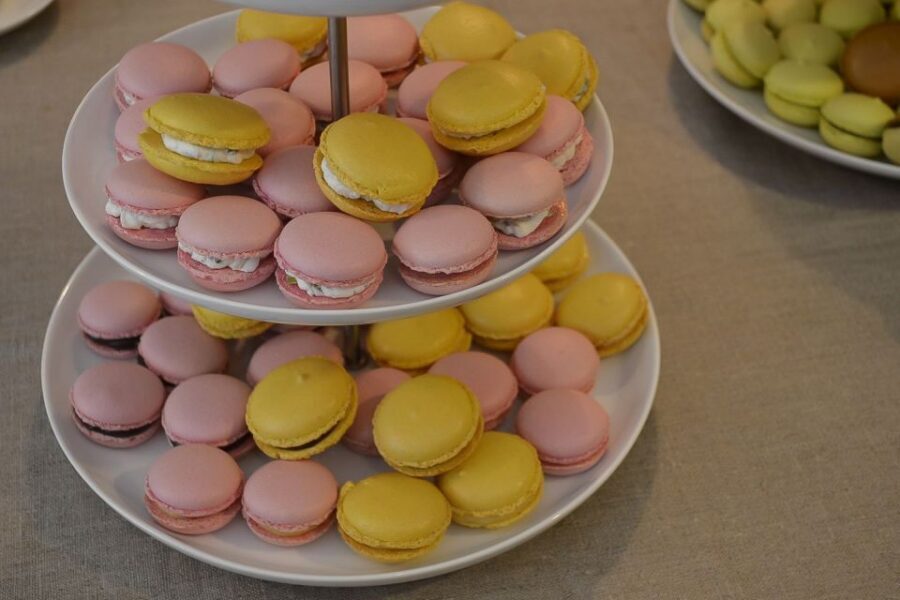
- Take-home box so your work doesn’t just disappear at the end
Italian meringue macarons: why this Paris class is worth your time
If you’ve ever tried macaron shells at home, you know the pain: air bubbles, cracks, hollow centers, and that one tray that never cooperates. This class gets you past the most common stumbling block by teaching macarons with the Italian meringue technique, which is often taught because it’s more stable than other approaches. Translation: you’re less likely to feel like you’re fighting the recipe.
I also like the way the class is structured around the steps that matter most—shells first, then fillings, then assembly. That matters because macarons aren’t really one skill. They’re a bundle of micro-skills: meringue texture, batter consistency, piping control, and then filling and sandwiching. You’re not just watching someone else bake and hoping it clicks.
And because groups are kept small (limited to 6), the teaching doesn’t feel generic. The class has enough time for an instructor to spot what’s happening with your batter and your piping and correct it before you bake the wrong tray. If you’re the kind of person who learns better when someone can point at your exact setup—this class fits.
You can also read our reviews of more tours and experiences in Paris

Le Foodist kitchen time: small groups, English instruction, and real hands-on work
Your meeting point is Le Foodist at 59 Rue Cardinal Lemoine, 75005 Paris. This neighborhood can be a little tricky to find quickly, so I’d build in a few extra minutes rather than sprinting there on “Paris time.”
Inside, the setup is designed for making, not just tasting. You’ll get all cooking equipment and an apron, and you’ll have English recipes (hard copy and electronic). That English support is useful not only during class, but later when you try again and realize you forgot one tiny detail.
Here’s the practical part that affects your experience: only participants can enter the kitchen, and the class doesn’t offer childcare. Kids under 12 can’t participate, and anyone aged 12 to 16 needs to be accompanied by a participating adult. If you’re bringing teens, it’s a good fit, since the format encourages active participation—but plan for the fact that adults who are not participating won’t be in the work area.
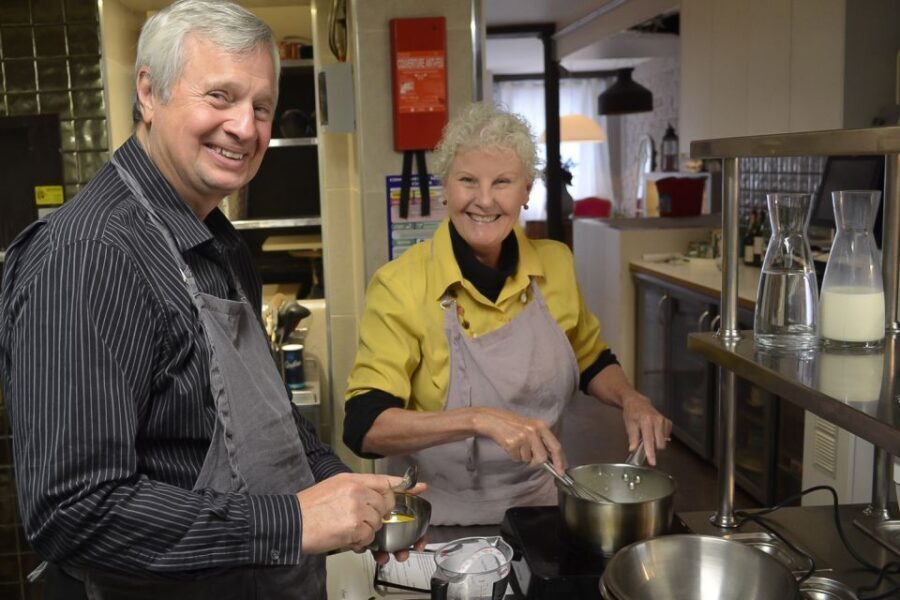
Instructors play a big role in how “hands-on” this really feels. The feedback includes consistent praise for patience and individual attention. You’ll hear names like Anne and Hugo for calm, step-by-step guidance, and Luc and Stéphane Jimenez for an upbeat, engaging pace. If you’re a total beginner, that coaching style is exactly what you want.
The shell challenge: Italian meringue, piping control, and color the right way
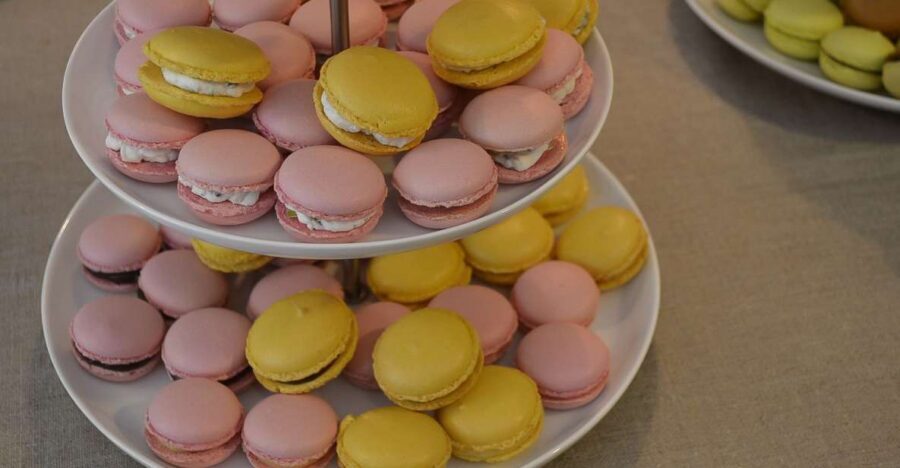
This is where the class earns its keep. You start by learning how to make the macaron batter using the Italian meringue method. That’s not just technical trivia—it’s the foundation for shells that bake into the right shape instead of becoming sad, cracked cookies.
In class, you’ll work through:
- mixing and incorporating the meringue into the dry ingredients until you reach the correct texture
- learning how to pipe the shells so they bake evenly
- incorporating a color into your shells so you understand the difference between tinting and overworking the batter
Piping sounds simple until you’re doing it while someone watches the shape you’re creating. In this class, you don’t just get a “try this” moment. You learn how to control what goes onto the tray—size, consistency, and the steadiness that affects how the shells rise.
A small bonus: you’re not locked into one flavor. You’re set up to make multiple macarons, and the pacing helps you keep up without rushing. Since the class is limited to 6 participants, the instructor can help troubleshoot in real time, which is the difference between leaving with “I made macarons” and leaving with “I know why mine worked.”
Fillings that match your shells: ganache or curd plus assembly know-how
Once your shells are baked and cooled, you shift from baking to building. This part is surprisingly important for taste and for your future success at home.
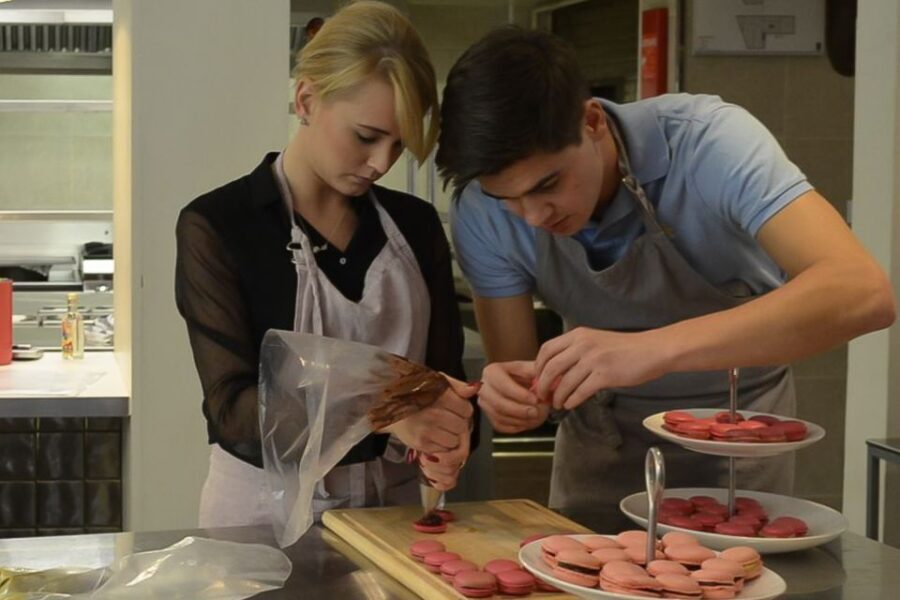
You’ll learn to create your own filling, choosing either a ganache or a curd style option (as provided in the class structure). Then you’ll learn how to pipe the filling so each sandwich is neat and consistent. If you’ve only ever eaten macarons and assumed fillings were just “stuffing,” this will change your perspective.
Why does that matter? Because macaron texture is a balance:
- shells need to be thin and crisp
- fillings provide softness and flavor contrast
- assembly needs to avoid mess while keeping proportions right
The class doesn’t treat filling as an afterthought. By teaching piping as well, you’re learning how to finish the dessert like a pastry kitchen would, not like a craft project.
And because you’ll leave with macarons in a to-go box, you can compare what you made with what you’re used to buying in shops. If one filling is too sweet or one shell seems thicker than expected, you’ll taste that instantly—and then you’ll have the recipe to adjust next time.
Teatime storytelling: tea, coffee, drinks, and the macaron myth-busting break
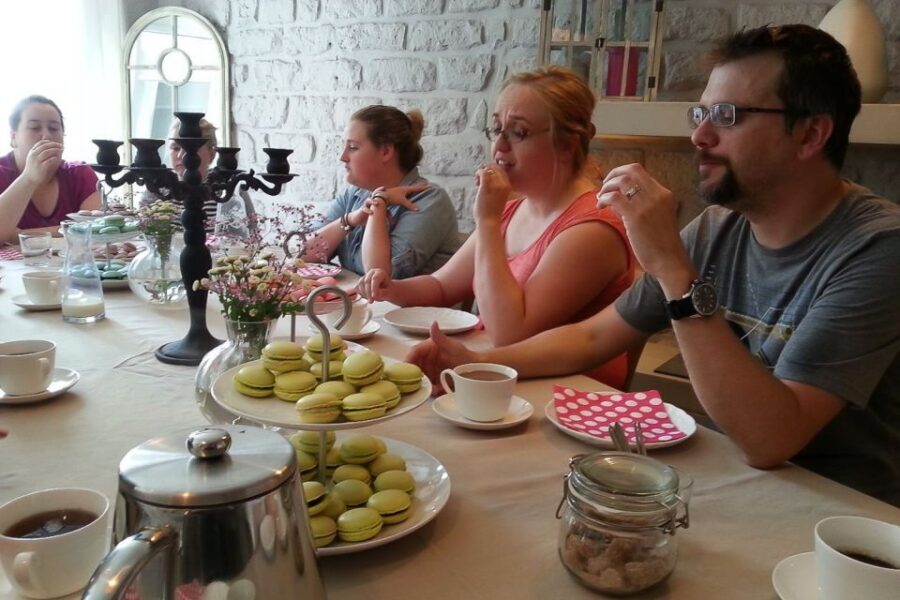
After the baking work, the class turns into a proper teatime. You’ll sit down for tea, coffee, fruit juices, and a selection of the macarons you made.
This is also where the host shares stories—often the history behind the macaron and a couple of tongue-in-cheek moments about French culture. That storytelling matters more than it seems. It makes the experience feel like it belongs in Paris, not like a generic cooking class imported from elsewhere.
If you’re traveling with friends, this part is great for decompressing. If you’re a solo traveler, it’s an easy way to meet classmates from different countries and compare what went right (or what you had to fix at the last second).
You’ll also get a sense of what to do with macarons after baking. While the class doesn’t spell out every storage detail in the info provided, the way it ends—eat some now, take some home—helps you understand that macaron enjoyment isn’t only about the oven.






Taking your box home: recipes in English and why leaving with macarons matters
Leaving with your own to-go box is a big part of the value. Many cooking classes end with a plate and then it’s over. Here, you get something tangible that turns the class into a takeaway project.
You’ll also receive recipes in English (hard copy and electronic copy). For me, that’s the practical difference between a fun afternoon and a skill you can repeat. Macarons are technical enough that tasting your results once isn’t enough—you need the written process to recreate consistency.
A realistic expectation: macarons take practice. This class helps you practice the key steps, but you still need trial runs at home. The to-go box makes it easier to compare your shell structure and filling balance from batch to batch, and the recipes help you adjust without guessing.
Price and value: is $152 a smart deal in Paris?
At $152 per person for a ~3-hour experience, this isn’t a bargain-basement activity. But it’s also not priced like a tourist trinket. You’re paying for:
- a hands-on 2-hour class with small-group coaching
- equipment and apron provided
- English recipes in both hard copy and electronic format
- taught technique for shells and piping for both shells and fillings
- a built-in teatime break with drinks
- a to-go box of the macarons you made
What pushes this into “worth it” territory for me is the focus on the hardest part (shell reliability) and the discipline of small-group feedback. If you’ve ever tried to learn macarons from a YouTube video, you know why that matters: you can’t correct your batter texture or piping consistency without eyes on what you’re doing.
Also, the feedback you’re provided includes frequent praise for instructors who stayed patient and attentive—especially with families and beginners. That kind of teaching quality is hard to price, but easy to feel once you’re in the kitchen.
Who this class is best for (and who should look elsewhere)
This is a great fit if you:
- want a hands-on Paris activity instead of just sightseeing
- like learning technique you can reproduce at home
- are a beginner who benefits from patient, step-by-step guidance
- travel with teens who can follow instructions and participate actively
It’s less ideal if you:
- want a watch-only experience (only participants can enter the kitchen)
- need childcare or flexibility for young kids (under 12 can’t participate)
- dislike social breaks (there’s teatime stories after baking)
Given the age guidance—no unaccompanied minors, under 12 not allowed, and 12–16 must be with a participating adult—this class often works well for family groups where adults are willing to actively participate too.
Should you book this macaron class?
Book it if you want the best kind of souvenir: a skill you can repeat, plus a box you can share right away. The combination of Italian meringue teaching, limited group size, and a finish that includes teatime and take-home macarons makes it feel complete.
I’d especially recommend it if macarons are on your Paris “must” list but you also want to understand why they work. You’ll leave with confidence in the process, a pile of edible results, and recipes you can actually use.
FAQ
How long is the macaron class?
The total experience lasts about 3 hours, including a 2-hour hands-on macarons class and time afterward for teatime.
What method do they teach for making macarons?
You’ll learn macarons using the Italian meringues method, described as harder to master but more reliable.
Is the instruction in English?
Yes. The class instruction and the provided recipes are in English.
What’s included besides the baking?
You’ll get cooking equipment and an apron, plus teatime with tea, coffee, fruit juices, and stories. You also receive a to-go box of macarons and English recipes in hard copy and electronic copy.
How big are the groups?
It’s a small group with a limit of 6 participants.
Can children participate?
Unaccompanied minors aren’t allowed. Children under 12 can’t participate, and those between 12 and 16 must be accompanied by a participating adult. There’s no childcare, and only participants can enter the kitchen.
Will I take macarons home?
Yes. You’ll be loaded with a to-go box of the macarons you create in class.
Can I cancel for a refund?
Yes. You can cancel up to 24 hours in advance for a full refund.