REVIEW · PARIS
Louvre Museum: Mona Lisa Without the Crowds Last Entry Tour
Book on GetYourGuide →Operated by Walks France-Spain · Bookable on GetYourGuide
A quiet Mona Lisa is the whole point. This last-entry Louvre tour guides you to the museum’s key masterpieces when the crowds thin out, so you can finally see Leonardo’s most famous painting without the usual shoulder-to-shoulder crush. You get the story behind what you’re looking at, not just a checklist of sights.
What I like most is the chance to stand close to the Mona Lisa in a calmer moment, with time to study her expression at your own pace. The second big win is the guide: an English-speaking art historian style interpretation with a small group, so it feels human-sized inside an enormous museum.
One consideration: this is still a walking tour with a moderate pace, and it’s not suitable for wheelchair users, mobility impairments, baby strollers, or luggage/large bags. Also, parts of the route can change if certain areas close that day.
In This Review
- Why this last-entry setup works
- Meeting at the Carrousel: your starting advantage
- Skip the line, then get your bearings fast
- The Louvre moat and classical sculpture stops
- From French drama to Renaissance skill: the painting sequence
- Crown Jewels room: a break from art-on-the-walls
- La Joconde (Mona Lisa) without the usual crush
- Pricing and value: is $97 worth it?
- What kind of traveler this suits best
- How to make it go smoothly (and get more art per minute)
- Should you book the Mona Lisa without the crowds last entry tour?
- FAQ
- How long is the Louvre Mona Lisa last entry tour?
- Is the tour English-language?
- Do I need to buy a Louvre ticket separately?
- Where do we meet for the tour?
- What time should I arrive for the meeting point?
- What’s included in the tour?
- What should I bring and wear?
- Is this tour stroller- and wheelchair-friendly?
- Is there cancellation protection?
Why this last-entry setup works
- Mona Lisa at closing time: you finish your visit at La Joconde when there’s typically more space around the room
- Skip-the-line entry: less time trapped in ticket chaos, more time inside seeing art
- Small group feel: max 15 guests means your guide can keep the tour moving without herding
- Art historian storytelling: the stops are connected by themes and meanings, not random rooms
- Headsets included: easier to hear your guide even in busy galleries
Meeting at the Carrousel: your starting advantage
The tour starts right by the Arc de Triomphe du Carrousel, not the bigger one on the Champs-Élysées side. When you’re facing the arc, look for the winged statue on the left, across from the pyramid in the Tuileries Gardens area. Arrive about 15 minutes early so you can spot your guide holding a green Walks sign.
This matters more than you’d think. The Louvre area is easy to get lost in, especially if you’re arriving at a complicated time of day. Starting at the Carrousel gives you a straightforward route into the museum, and you’re not wasting your last hours in Paris wandering around gates.
Bring a passport or ID card and wear comfortable shoes. You’ll be walking at a moderate pace for about 3 hours total.
You can also read our reviews of more museum experiences in Paris



Skip the line, then get your bearings fast
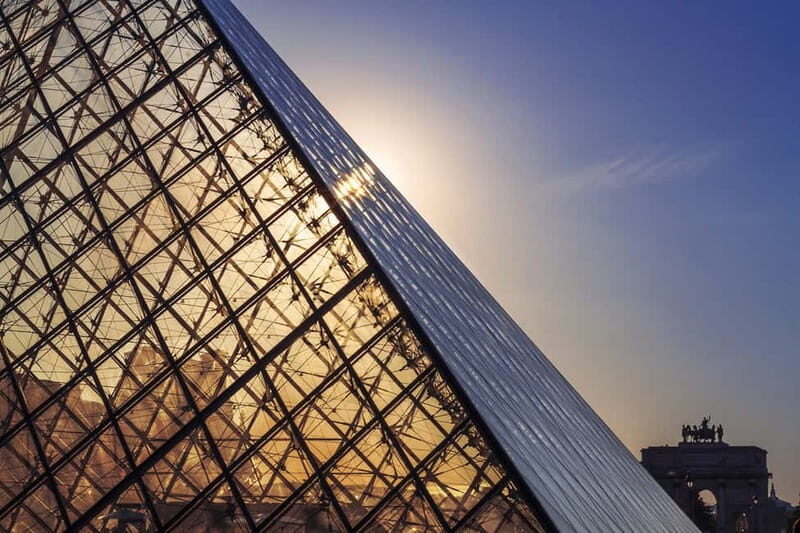
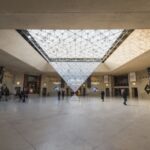
Once inside, the tour keeps things practical. You get skip-the-line entry and you wear headsets, which helps when other visitors are around. Instead of you trying to decode the Louvre’s layout on your own, your guide gives you a map with meaning.
That’s the real value of having a guide here. The Louvre is not just large; it’s confusing. Even if you know the names of famous paintings, you still need help understanding how the museum organizes its art, and what to look for first so you don’t spend your energy in the wrong wing.
Also, plan for security. The museum has multiple checkpoints, and the tour runs as a system—show up early, follow directions, and it will feel smoother than doing it solo.
The Louvre moat and classical sculpture stops
The route begins with the museum’s foundations at the moat. It’s a strong opener because it reminds you this isn’t just a modern art gallery. It’s a palace and a historical site, built on layers of Paris itself.
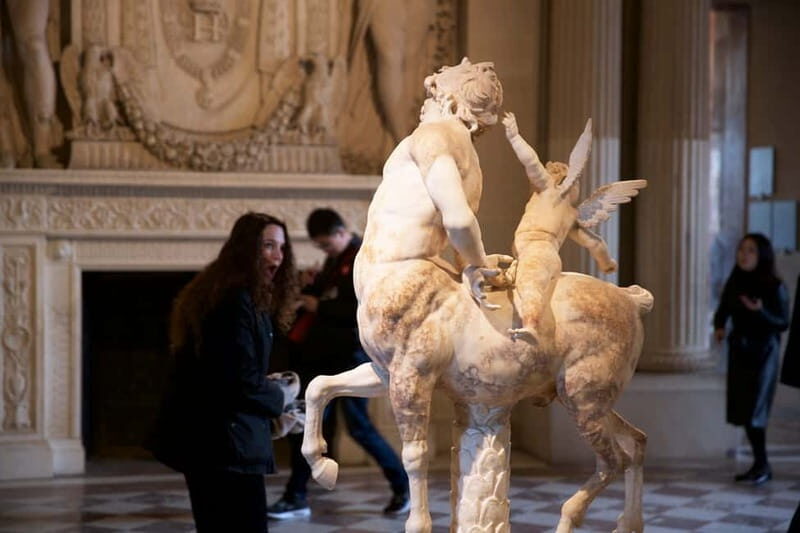
From there you move into the classical Greek sculpture world—exactly the kind of section that can feel intimidating if you don’t know what you’re seeing. This tour helps you spot the important figures and understand why people still talk about them.
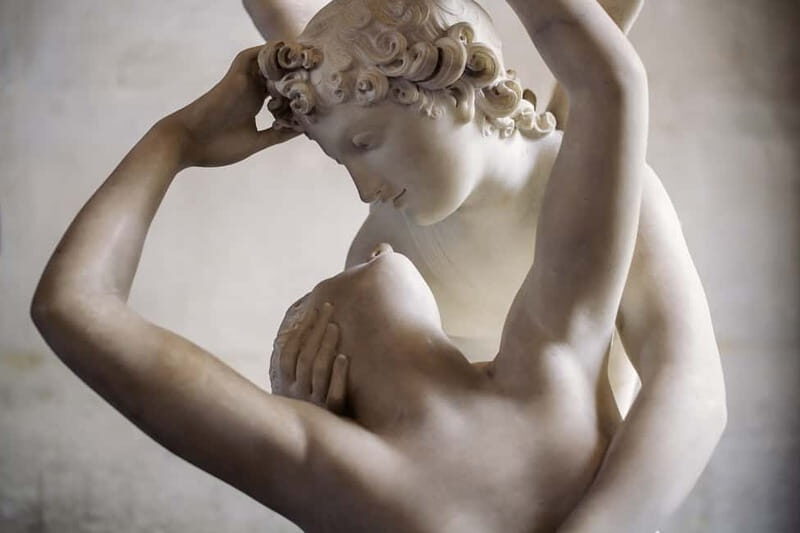
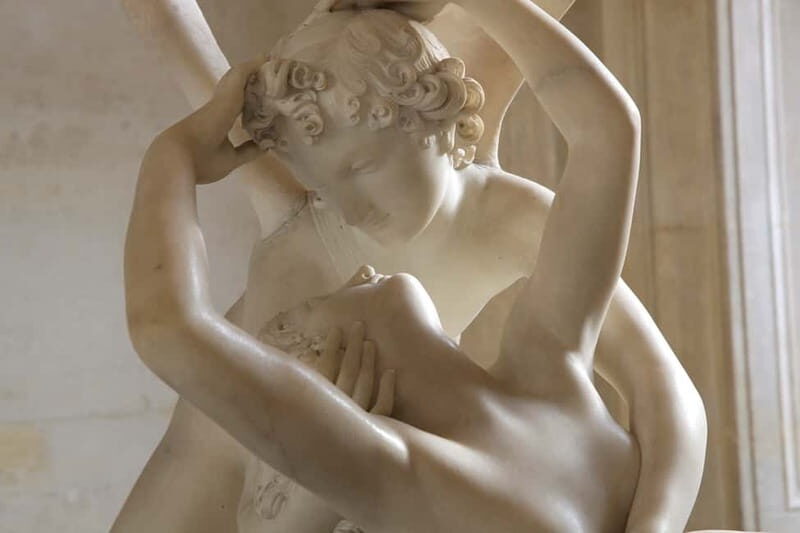
You’ll look for Venus de Milo and Winged Victory of Samothrace, plus you’ll pass through other key works like Cupid & Psyche and Michelangelo’s Slaves. The stops aren’t just “here’s a statue.” Your guide connects form to story—pose, expression, motion in stone—and explains what made these pieces influential.
Why this helps you: it trains your eyes. If you start with sculpture, you begin seeing technique and intention. Then when the tour later points you toward major painters, you’re not staring at masterpieces like they’re locked behind a foggy curtain.
From French drama to Renaissance skill: the painting sequence
After the sculpture and palace foundations, the tour pivots into the parts that pull most people toward the Louvre: paintings by the biggest names in Western art.
You’ll see works connected to major artists, including Delacroix’s Liberty Leading the People. This is one of those paintings that’s easier to understand with context. Your guide frames it as a turning point in French history and ties the visual choices to the political moment—so you don’t just recognize the image, you understand what it’s trying to do.
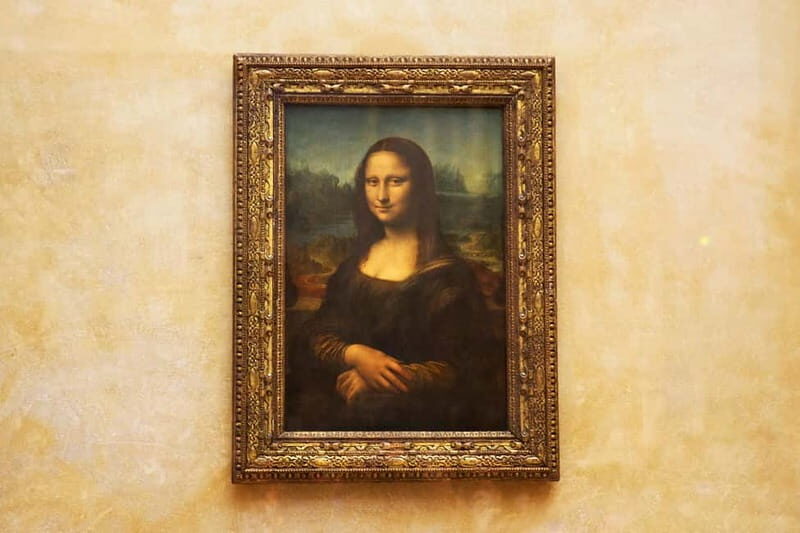
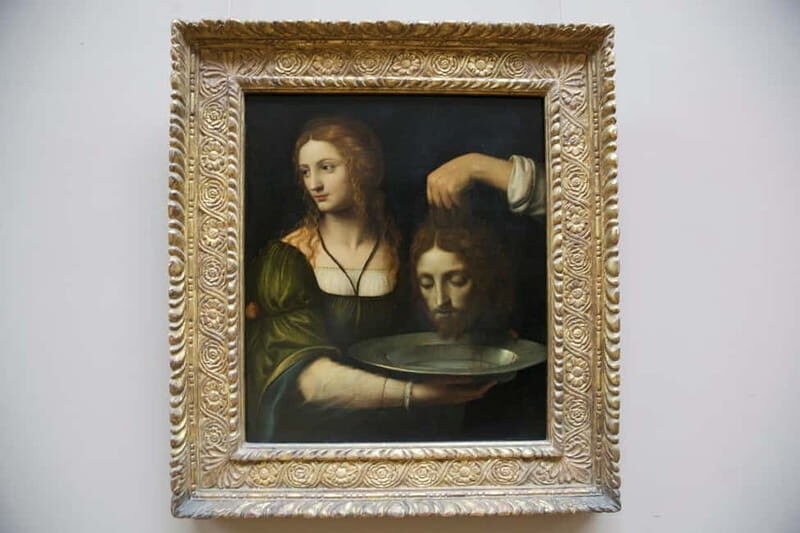
Then you’ll move through other major works, including Caravaggio, Raphael, and da Vinci, plus Géricault’s The Raft of the Medusa. This is where the tour’s pace becomes a gift. You can stand and really look, because the guide has already sorted the route for you.
One reason the reviews are so consistent about guides is that good guides don’t recite facts. They help you look better. People in this tour have praised guides like Laurence, Violette, Hugo, and Claire for bringing the works to life, including historical context and compositional details. That kind of interpretation is what turns a fast museum visit into something you remember.
Crown Jewels room: a break from art-on-the-walls
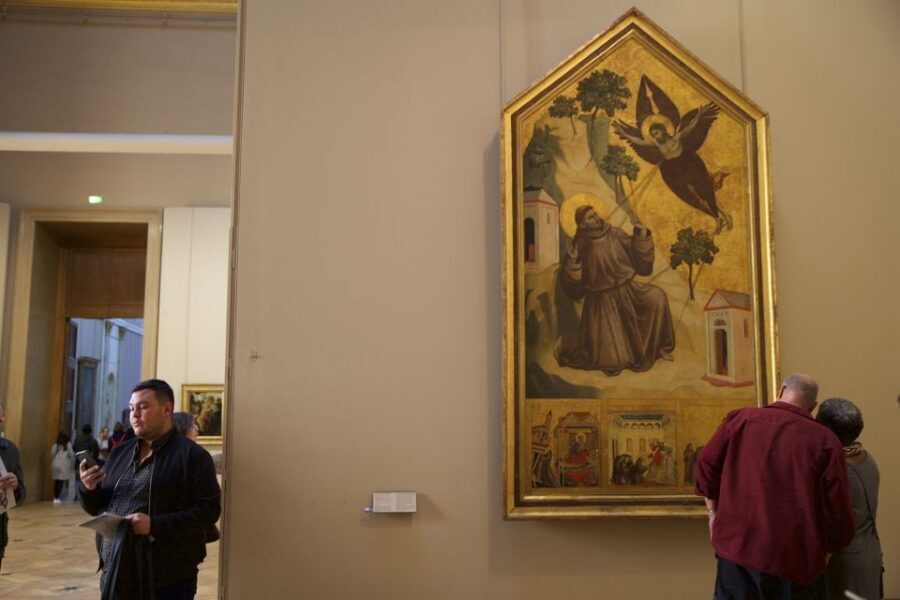
Not every Louvre highlight is a painting. The tour includes time in a room associated with Crown Jewels, described as a sparkling space you can step into and take in.
This stop is useful even if you’re not a jewelry person. It gives your eyes a different kind of visual rhythm. After long galleries of framed art, you get a moment of atmosphere—light, scale, and the sense of power and ceremony that shaped many of the objects in the museum’s orbit.
Think of it as emotional pacing. Your feet get a breather and your brain resets before the final sprint to La Joconde.




La Joconde (Mona Lisa) without the usual crush
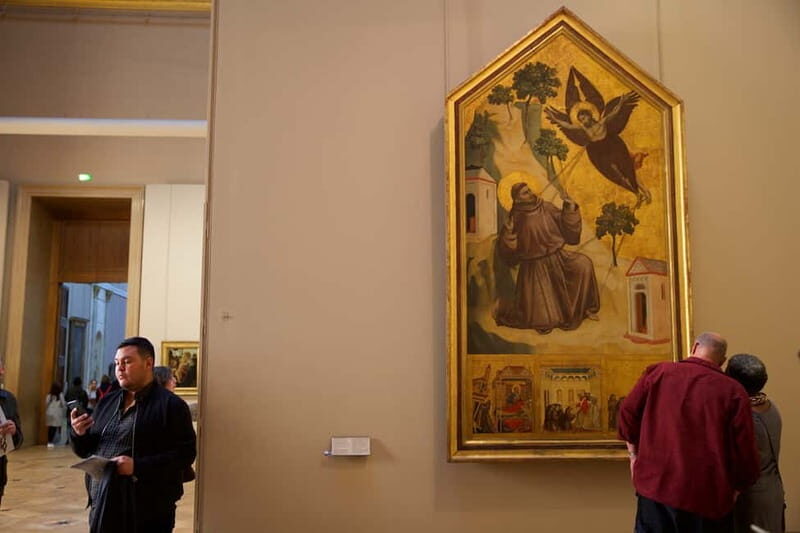
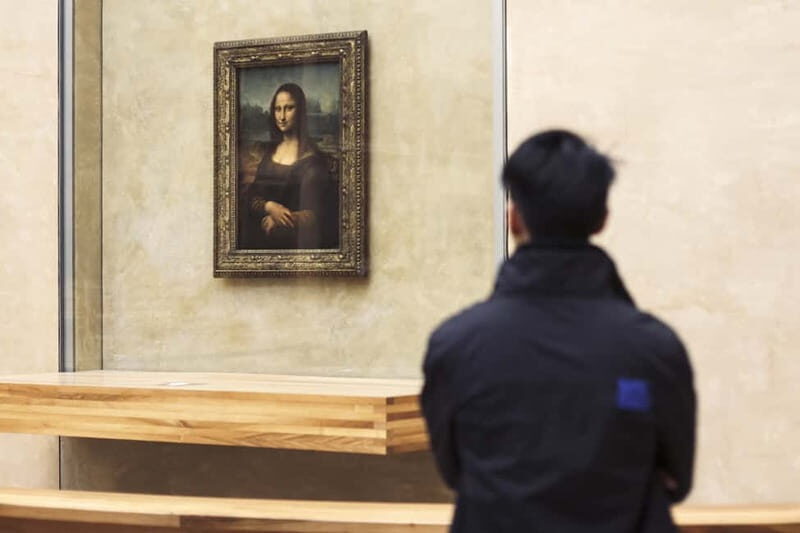
The heart of the tour is the Mona Lisa room. You reach it later in the visit, so you get the advantage of last-entry timing—more space, more control, and less frantic jostling.
Here’s what you should expect: you’ll have dedicated time at La Joconde, including time to stand close and really study the face. The tour describes the experience as letting you get as close as you want and soak up the details of her expression—one that people obsess over because it seems to shift depending on where you stand and how long you stare.
This is where the small-group format shines. With a max group size (up to 15), it’s easier to move as a unit without the kind of bottleneck that turns everything into a traffic jam. Guides on this route have been praised for helping people navigate smoothly even inside crowded areas—while still keeping things relaxed.
Also, don’t rush the moment. If you only have one Louvre plan, make it this: spend enough time to notice what changes your perception. Her expression, the way light plays on paint, and the overall calmness of the composition are the point.
The tour ends with you making your way out after saying goodbye to your guide.
Pricing and value: is $97 worth it?
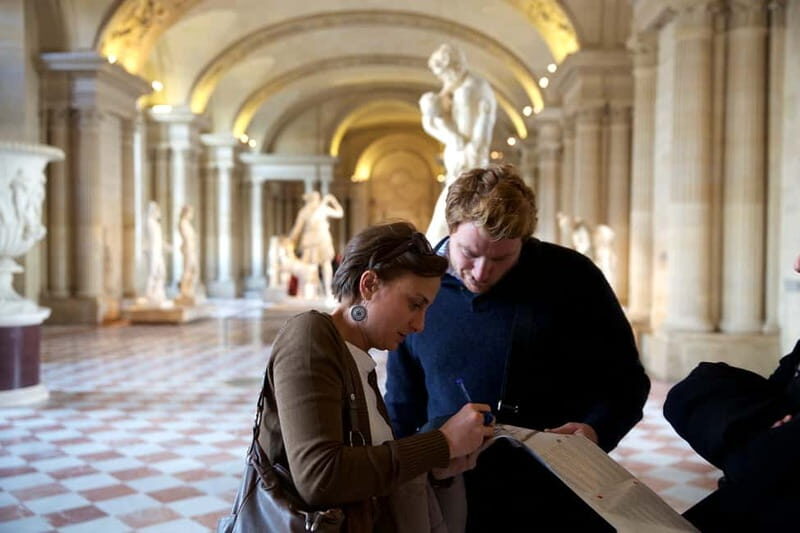
At about $97 per person for a roughly 3-hour guided experience, the value comes from three places:
1) Time saved: skip-the-line access plus an efficient route through high-demand parts of the museum.
2) Meaningful guidance: art historian style interpretation that helps you understand why masterpieces matter, not just where they hang.
3) Timing advantage: last-entry scheduling changes the feel of the Mona Lisa room. That’s the entire selling point, and you can feel the difference in how long you can actually stand and look.
If you’re the kind of person who enjoys museum context—artist choices, historical connections, symbolism—this price tends to feel fair. If you only want a quick photo and you’re happy wandering on your own with a basic map, you could do it for less. But you’d be paying with time and stress instead.
What kind of traveler this suits best
This tour fits you if:
- you want the Mona Lisa experience without spending most of your energy fighting crowds
- you’d rather follow a smart route than make decisions inside the Louvre
- you like listening to art explained in plain language (English tour)
- you appreciate a small group pace—no giant bus energy
It’s not the best fit if you:
- need wheelchair access or have mobility limitations
- plan to bring strollers or large bags (they’re not allowed here)
- expect a leisurely sit-down tour with minimal walking
If you’re visiting with teens through adults, the pace is usually manageable because the guide keeps momentum while still pausing for key moments.
How to make it go smoothly (and get more art per minute)
A few practical tips will help you enjoy this tour more:
- Wear shoes you can walk in for 3 hours at a moderate pace.
- Keep an ID card accessible.
- Don’t overpack your day. If you try to do other major sights right before, you’ll feel it at the end.
- When you reach the Mona Lisa room, don’t treat it like a checkpoint. Treat it like a slow conversation.
Also, arrive on time. This starts at the Arc du Carrousel area and you need a little buffer to find the meeting point correctly—especially if it’s your first time in the neighborhood.
Should you book the Mona Lisa without the crowds last entry tour?
I’d book it if La Joconde is your main Louvre goal and you don’t want the usual grind of waiting and elbowing for a glimpse. The last-entry timing is the key, but the real payoff is what your guide does with that time: connecting masterpieces across rooms and keeping the visit focused.
Skip this tour only if you’re traveling with mobility constraints that don’t match the walking requirement, or if you want a totally self-directed Louvre day with minimal structure. Otherwise, this is one of the more efficient ways to experience the Louvre’s biggest hits and still leave the museum feeling curious—not exhausted.
FAQ
How long is the Louvre Mona Lisa last entry tour?
It runs for about 3 hours total.
Is the tour English-language?
Yes, the live tour guide speaks English.
Do I need to buy a Louvre ticket separately?
No. This tour includes skip-the-line entry to the Louvre Museum.
Where do we meet for the tour?
You meet at the statue next to the Arc de Triomphe du Carrousel, opposite the pyramid in the Tuileries Gardens entrance area. When facing the arc, meet at the winged statue on the left.
What time should I arrive for the meeting point?
Arrive about 15 minutes before the start so you can find your guide holding a green Walks sign.
What’s included in the tour?
Included are a local guide, skip-the-line entry, and headsets.
What should I bring and wear?
Bring a passport or ID card and wear comfortable shoes.
Is this tour stroller- and wheelchair-friendly?
No. It is not suitable for guests with mobility impairments, wheelchair users, or baby strollers. It also doesn’t allow luggage or large bags.
Is there cancellation protection?
Yes, free cancellation is available up to 24 hours in advance for a full refund.